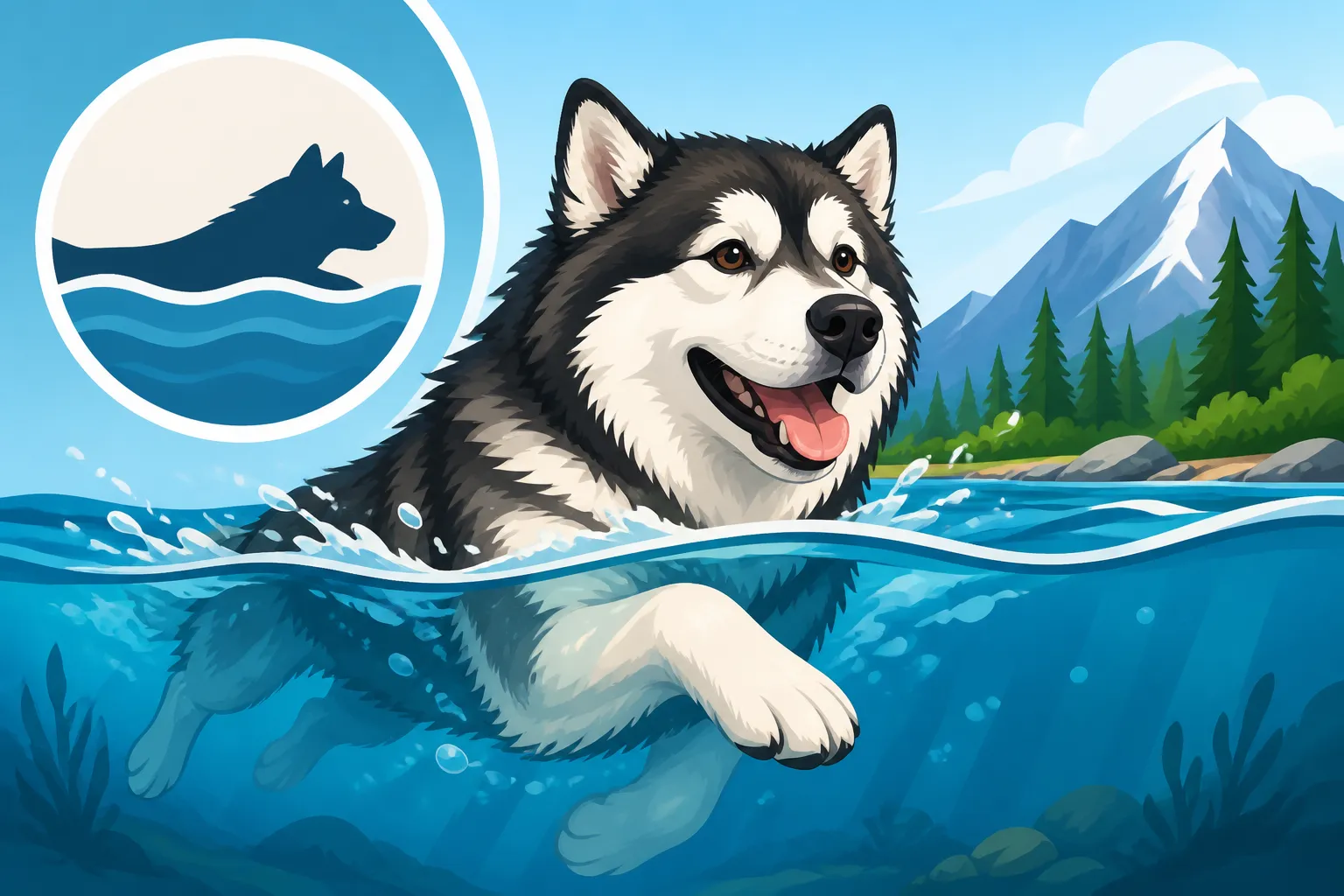
Whether an Alaskan Malamute Can Swim
One of the biggest questions I hear from fellow Alaskan Malamute owners, especially as the weather warms up, is whether their big, fluffy companion can actually swim. It’s a completely fair question, and often, the answer comes as a surprise. While some Malamutes might splash around in shallow water with gusto, their powerful build and incredible coat, designed for icy northern climes, aren't exactly set up for effortless navigation in the deep end. This guide will walk you through everything you need to know about Malamutes and water, from their natural tendencies to essential safety precautions, ensuring your furry friend stays cool and safe.
Understanding the Malamute's Natural Aptitude for Water
It’s easy to look at an Alaskan Malamute – a breed known for its sheer strength, athleticism, and boundless energy – and assume they’re natural-born swimmers. After all, they’re dogs, right? Most dogs can swim! But Malamutes are a unique breed with a very specific genetic blueprint, and that blueprint doesn't inherently include graceful aquatic maneuvers. Their history as powerful freighting dogs in the Arctic means their bodies are perfectly adapted for grueling work on land, often in incredibly harsh, cold, and snowy conditions. Water, especially deep water, was simply not part of their job description or their natural environment.
The Malamute's Physical Build and Coat – Not Built for Buoyancy
Let's talk about that magnificent Malamute coat for a moment. It's a marvel of natural engineering, a dense, double layer designed to insulate them from extreme cold and protect them from ice and snow. The thick, oily outer guard hairs repel moisture, while the soft, woolly undercoat traps warm air close to their body. This is brilliant for keeping them toasty in a blizzard, but when submerged in water, it becomes incredibly heavy and waterlogged. Imagine trying to swim laps wearing a soaking wet, heavy winter coat – that’s essentially what your Malamute is contending with. This makes them significantly less buoyant and more prone to exhaustion in the water.
Beyond their coat, consider their overall physique. Malamutes have a heavy bone structure and a deep chest, which are prime attributes for pulling heavy sleds over long distances. They are built for power and endurance on land. These physical traits, while advantageous for their traditional role, don't lend themselves to the sleek, hydrodynamic movements of breeds like Labradors or Newfoundlands, who were bred for water retrieval. Their sheer mass, combined with that waterlogged coat, can quickly become a struggle, even for a strong dog. Many owners are genuinely surprised when their powerful, athletic Malamute, who can pull a significant load or run for miles, becomes clumsy and tired surprisingly fast in the water.
Instinct vs. Design: Why Some Love Water, Others Don't
Despite their physical design, you'll still encounter Malamutes who absolutely adore water. For many, it's less about actual swimming and more about cooling off and playing. They might love wading into a shallow creek, splashing in a kiddie pool, or rolling around in wet grass. In warmer months, when Summer Is the Season That Kills Alaskan Malamutes, finding ways to keep cool is paramount, and water play can be a fantastic outlet. However, this love for splashing in the shallows doesn't automatically translate into being a proficient swimmer. It's crucial to differentiate between a Malamute enjoying the refreshing sensation of water and one being genuinely safe and skilled in deeper conditions.
Their ancestral role further highlights this distinction. The Mahlemut people who developed the Alaskan Malamute relied on them for hunting and hauling heavy loads across frozen landscapes. Their survival depended on their strength and resilience in the Arctic wilderness, not on their ability to retrieve fallen game from frigid lakes. So, while some individual Malamutes might develop a genuine fondness for water, it's generally not an instinctual, ingrained ability like it is for some other breeds. Many Malamutes will instinctively avoid deep water, preferring to stick to areas where their feet can firmly touch the bottom. It’s important to respect their comfort levels and never force them into a situation they're clearly not enjoying.
Safety Considerations for Malamutes Around Water
Because of their unique characteristics, treating a Malamute like any other swimming dog can lead to dangerous situations. Their enthusiasm can sometimes override their physical limitations, and it’s up to us, as their guardians, to ensure their safety. Water environments, even seemingly benign ones, can pose significant risks if we’re not prepared.
The Dangers of Deep Water and Strong Currents
The primary danger for a Malamute in deep water is how quickly they can become exhausted. That heavy, waterlogged coat, combined with their dense build, means they expend a lot more energy just to stay afloat. A golden retriever might be able to swim for twenty minutes, but a Malamute could be struggling within five. This rapid fatigue can turn a fun splash into a frantic fight for survival very quickly. Rivers with strong currents, deep lakes, or even large, unfamiliar swimming pools can be incredibly dangerous. A current that might be a challenge for a person could easily sweep a tired Malamute away.
Think about the temperature of the water too. Even on a warm summer day, lake or river water can be surprisingly cold. While Malamutes are built for cold, their thick coats are designed to retain heat in dry, icy air, not necessarily to regulate body temperature effectively when fully submerged in cold water for extended periods. Hypothermia, though perhaps less common in summer, is still a risk, especially if they are struggling or get stuck. Furthermore, if they get too hot before entering the water, a sudden plunge into cold water can also be a shock to their system, especially if they are already panting excessively, which is a key sign that Signs an Alaskan Malamute Is Too Hot.
Essential Gear: Life Vests and Controlled Environments
Given these risks, a properly fitted life vest isn’t just a good idea for a Malamute near deep water; it’s an absolute non-negotiable safety item. I cannot stress this enough. Even if your Malamute seems to enjoy paddling around, a life vest provides crucial buoyancy, reduces exertion, and gives you a handle to easily pull them out of the water if needed. Look for vests with a strong handle on the back and adjustable straps to ensure a snug fit that won't chafe or slip off. Brands like Ruffwear or Outward Hound offer excellent options that you can find easily on Chewy or Amazon. Investing in a good quality life vest is a small price to pay for your Malamute's safety and your peace of mind.
When it comes to introducing your Malamute to water, always opt for controlled environments. Shallow, calm areas where they can easily touch the bottom are ideal. Think about gentle slopes at the edge of a lake, quiet streams, or even a dog-friendly pool with a gradual entry ramp. Avoid steep banks, areas with hidden drop-offs, or waters known for strong undertows or heavy boat traffic. These controlled settings allow them to build confidence at their own pace without being overwhelmed or put in immediate danger. Remember, the goal is a positive and safe experience, not to turn them into an Olympic swimmer.
Introducing Your Malamute to Water Safely
So, you’ve decided to see if your Malamute is one of the water-loving exceptions. That’s great! But the key here is safety and patience. You want to create a positive association with water, not a traumatic one. Rushing things or forcing your Malamute can lead to a lifelong aversion to water, which would be a shame, especially when water can be such a valuable tool for cooling them off.
Starting Slow and Making it Positive
The best way to introduce your Malamute to water is to start incredibly slow. A small kiddie pool in your backyard filled with just a few inches of water can be a perfect first step. Throw in some favorite buoyant toys, scatter a few high-value treats, and let them explore at their own pace. Don’t push them in; let curiosity be their guide. If they’re hesitant, you can sit beside the pool and encourage them gently. This allows them to get used to the sensation of water on their paws and coat without the fear of deep water.
Once they're comfortable with a kiddie pool, you can gradually move to slightly larger, still shallow bodies of water, like the edge of a calm lake or a shallow stream. Always have that life vest on, even if they're just wading! Continue to make it a positive experience with lots of praise, treats, and favorite waterproof toys. Some Malamutes might never progress beyond enthusiastic wading, and that is perfectly okay. Not every dog needs to be a swimmer, and for a breed like the Malamute, their comfort and safety should always come first. If they show clear signs of fear or stress, it’s best to back off and try again another day, or simply accept that deep water isn’t their thing. You wouldn’t want to inadvertently cause them distress, especially since they're prone to certain skin issues, and forced water exposure could exacerbate anxiety or stress, impacting their overall health.
Recognizing Signs of Distress and Post-Swim Care
It's vital to be able to recognize when your Malamute is struggling in the water. Signs of distress include frantic paddling, where their legs are moving quickly but they're not really going anywhere, or their head is low in the water with their nose barely above the surface. They might also try to climb on you or anything else nearby, indicating they're seeking support. Heavy, labored panting and wide, anxious eyes are also clear indicators of trouble. If you see any of these signs, calmly and quickly guide them to shallow water or pull them out using their life vest handle. Immediate action is crucial, as they can tire very rapidly.
After any water activity, especially if they’ve been fully submerged, thorough post-swim care is essential for a Malamute. Their dense double coat, while incredible, takes a long time to dry completely, particularly the undercoat. If left damp, it can create a breeding ground for bacteria and yeast, leading to skin infections or "hot spots." You'll want to dry them as much as possible with towels, and for a truly deep dry, a force dryer, like those you might find on Amazon or Chewy, can be incredibly helpful. What a Force Dryer Does for a Malamute's Coat Blow really highlights how effective these can be for getting deep into their coat. Always check their ears for any residual moisture, as this can lead to uncomfortable ear infections. Whether a Malamute's Skin Smells When Infected can sometimes be a subtle early sign of issues if the coat isn't dried properly. Regular grooming, including brushing with an undercoat rake, is also important, especially if they're going in and out of water often. Whether an Alaskan Malamute Needs an Undercoat Rake and How Often an Alaskan Malamute Needs Brushing are key considerations for maintaining their magnificent coat.
Alternatives for Cooling Off and Exercise
If your Malamute isn't a fan of swimming, or you live somewhere where safe swimming opportunities are scarce, don't despair! There are plenty of fantastic ways to keep them cool and active that don't involve deep water. Remember, these dogs were bred for endurance on land, and they thrive on jobs that engage both their bodies and minds.
Cooling Without Deep Water
Many Malamutes absolutely adore playing in sprinklers or with a hose in the backyard. This allows them to get wet and cool down without the commitment or effort of swimming. A shallow kiddie pool can still be a fantastic option for splashing and wading, even if they never go deeper than their knees. Some Malamutes even instinctively dig shallow hollows in cool, damp earth to lie in, creating their own natural cooling spots – Whether an Alaskan Malamute Digs a Cool Hollow is a testament to this inherent behavior.
Indoors, cooling mats and elevated beds can make a huge difference in keeping them comfortable during warmer months. These products are readily available on sites like Chewy and Amazon. Ensuring they have access to shade and plenty of fresh, cool water is fundamental. Remember that The Temperature at Which a Malamute Should Stay Indoors is often lower than for many other breeds due to their thick coats, so keeping your home comfortably cool is a major factor in preventing overheating.
Land-Based Exercise and Mental Stimulation
At their core, Malamutes are working dogs bred for freighting. Pulling Is the Only Job an Alaskan Malamute Really Wants, and engaging in activities like hiking, canicross, bikejoring, or even recreational weight pulling (in appropriate weather and at a safe age) aligns perfectly with their natural instincts and physical capabilities. These activities burn energy, build muscle, and provide the mental engagement they crave. Don’t feel pressured to make them swimmers; embrace what they were truly bred to do. Whether an Alaskan Malamute can pull a sled (Alaskan Malamute or Siberian Husky for a First Sled Breed) is a popular question, and the answer is a resounding yes, though proper training and equipment are paramount.
Beyond physical exercise, mental stimulation is crucial for a happy Malamute. Puzzle toys, training sessions, and scent work can be incredibly satisfying for them and help prevent boredom-related destructive behaviors. A well-balanced diet that supports their energy levels and overall health, such as options available through companies like Ollie, can further enhance their ability to thrive in these land-based activities. Focus on their strengths and provide opportunities that truly fulfill their Malamute spirit.
| Activity Type | Suitability for Alaskan Malamutes | Key Considerations |
|---|---|---|
| Deep Water Swimming | Low to Moderate | Require a life vest. Risk of rapid exhaustion due to heavy coat and dense build. Best for short, supervised sessions. |
| Wading/Splashing | High | Excellent for cooling off and play. Low risk if water is shallow and calm. Many Malamutes genuinely enjoy this. |
| Kiddie Pools | High | Safe, controlled environment for water exposure. Easy to monitor. Perfect for introducing water play. |
| Lakes/Rivers | Moderate (with caveats) | Seek shallow, calm areas. Avoid strong currents, steep banks, and heavy boat traffic. Life vest is mandatory. |
| Ocean/Waves | Low | Strong currents, unpredictable waves, and salt water are generally not suitable. High risk of exhaustion and ingestion. |
| Pools | Moderate (with caveats) | Ensure easy entry/exit ramps. Monitor chlorine levels. Life vest recommended. Constant supervision is essential. |
| Sprinklers/Hoses | High | Great for quick cool-downs and fun. No deep water risk. Ensure access to fresh drinking water. |
Disclaimer
This article is for general informational purposes only and does not constitute professional advice. Laws, prices and regulations vary by location and change over time. Consult a qualified professional for guidance on your specific situation.