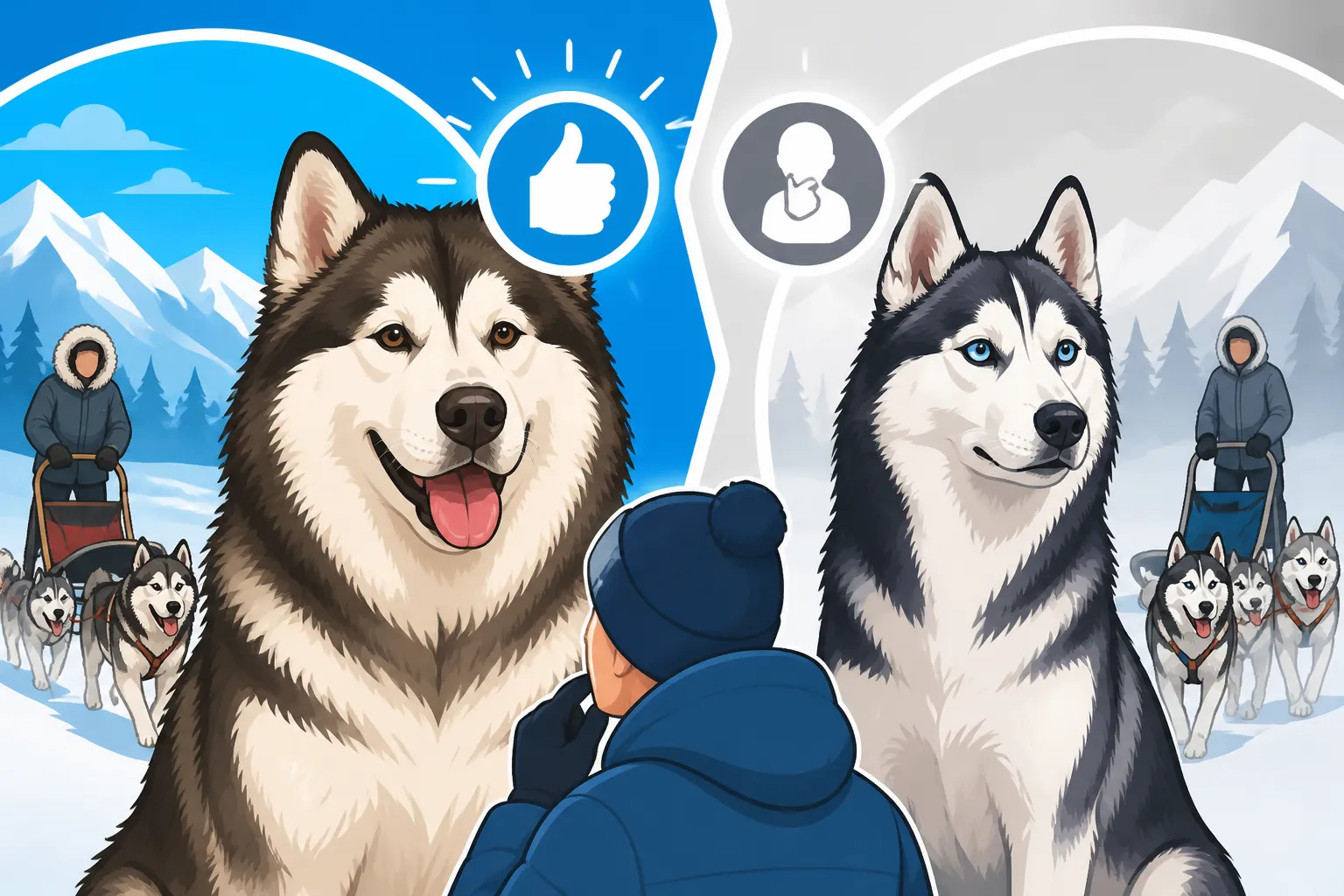
Alaskan Malamute or Siberian Husky for a First Sled Breed
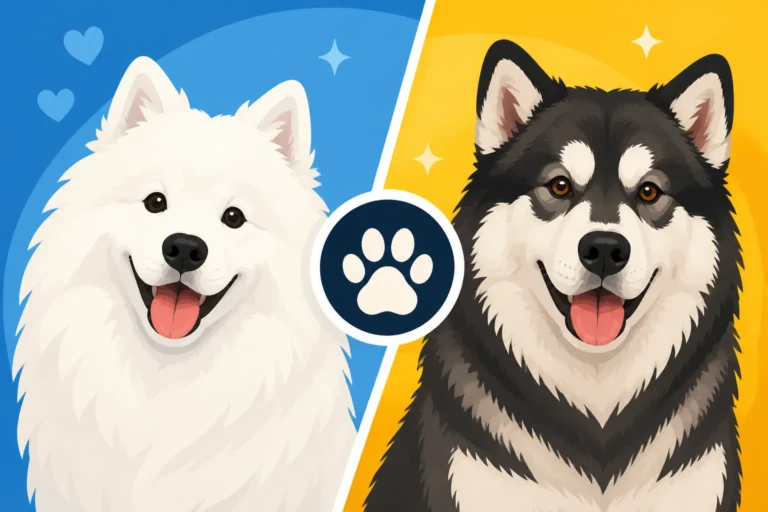
Choosing a first sled breed can feel like choosing between two versions of the same dog: both are northern, strong, and built to pull, but they suit different kinds of work. The key difference is purpose. Alaskan Malamutes are generally geared toward steady freight work, while Siberian Huskies are known for lighter, faster travel. Here’s how to decide which fits your goals, experience, and everyday life.
Start with the kind of sledding you want to do
Malamutes suit steady pulling better than speed
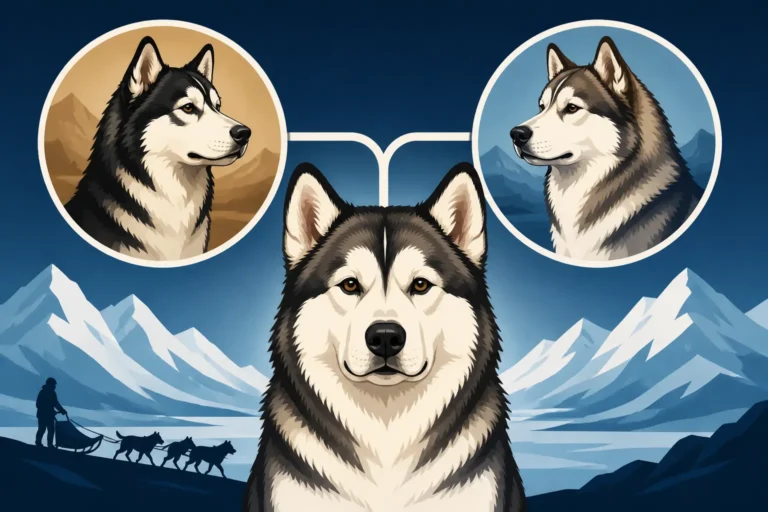
The Alaskan Malamute was developed as a powerful freight dog: a dog expected to move loads over distance, often as part of a team. That history shows up in the breed’s build and working style. A Malamute can be a satisfying partner for recreational pulling, weight-pull activities, or a slower team outing where strength and persistence matter more than pace.
That doesn’t mean every Malamute automatically wants to pull, or that every individual will enjoy the same activity. Interest, fitness, health, training, and the conditions on the day all matter. A dog that has learned to pull in a properly fitted harness may still need patient teaching to work around other dogs, respond to cues, and settle before and after an outing.
Malamutes are also substantial dogs to manage when something goes wrong. If a young dog gets excited at a trailhead or sees wildlife, strength can make a beginner’s handling mistake harder to correct. Start by learning the equipment and basic control skills in a low-distraction setting rather than expecting a dog to figure out a team environment on the first try. For more on the breed’s traditional role, see Freight, Not Speed: What Separates a Malamute From a Racing Dog.
Huskies are often the better fit for faster team travel
Siberian Huskies are generally lighter and more oriented toward efficient, faster travel than Malamutes. That can make them a more natural match for someone interested in recreational mushing that emphasizes pace, or for a person joining a group whose dogs are selected and trained for that kind of work. But “better at speed” is not the same as “easy for a beginner.” A fast, eager dog still needs safe handling, conditioning, and training.
Many people picture sledding as simply clipping a dog to a line and setting off. In practice, it involves a lot of preparation: choosing a suitable route and weather, checking harness fit, learning how to use the line, and being able to stop or manage the dog if the situation changes. A single dog can pull in activities such as canicross or bikejoring, but those sports have their own equipment and safety considerations. See The Alaskan Malamute in Skijoring for one example of how a northern breed can work with a person on skis.
Don’t choose a Husky only because you want speed, or a Malamute only because you want strength. Consider what you can safely handle and what you’ll enjoy doing week after week. If your ideal outing is a controlled, steady walk with some pulling practice, a Malamute may suit you well. If you’re drawn to faster travel, explore local clubs and try learning from experienced handlers before committing to a dog.
The breed comparison is a starting point, not a guarantee
| Consideration | Alaskan Malamute | Siberian Husky |
|---|---|---|
| Traditional working style | Steady freight pulling | Efficient travel and faster team work |
| Common recreational fit | Controlled pulling and strength-focused activities | Faster-paced mushing and pulling sports |
| What a beginner should plan for | Managing a powerful, substantial dog | Managing an energetic dog that may move quickly |
| Best first step | Learn harness work and handling with a qualified local group | Learn pace, line handling, and team safety with experienced handlers |
| What matters most | The individual dog’s health, temperament, training, and interest | The individual dog’s health, temperament, training, and interest |
The table describes broad tendencies, not a promise about an individual dog. A Malamute may be more enthusiastic than expected, while a Husky may prefer a different activity. Breeding, age, conditioning, experience, and personality all shape what a dog can comfortably do. A good match is about the dog in front of you, not just the breed label.
For a fuller comparison of temperament, build, and everyday life, continue with The Alaskan Malamute Against the Siberian Husky. If you are still weighing how much strength matters compared with speed, Whether a Malamute Outpulls a Husky can help put the distinction into context.
Think about your experience and daily routine
A first sled breed still needs a first-time plan
You do not need to be a professional musher to enjoy pulling sports with a dog. You do need a plan for learning. A local mushing or dryland-sports club can help you understand equipment, basic commands, safe spacing between dogs, and how to read conditions. Learning alongside someone experienced is especially useful before you try a team activity or take a dog onto a route where stopping quickly could be difficult.
It also helps to distinguish between a “first sled breed” and a “first dog.” If you have already handled a large, independent dog and are comfortable maintaining secure equipment and boundaries, you may be prepared for some of the practical challenges. If you’re new to dogs altogether, the pulling activity is only one piece of the decision. Exercise, grooming, training, safe containment, and routine veterinary care will be part of life with either breed.
Malamutes can be independent and strong-willed. Huskies can also be independent, energetic, and inclined to follow their own interests. Neither breed should be treated as a dog that will reliably come back just because it is off leash in an open area. If you need a dog that can exercise safely without secure management, reconsider the plan before choosing either breed. The article Whether an Alaskan Malamute Needs an Experienced Owner explores that question in more detail.
Match the dog to your climate, space, and household
A pulling dog needs appropriate exercise, but a large yard by itself does not provide training, companionship, or a safe activity plan. A yard also needs secure fencing and supervision. Both breeds can be determined explorers, so don’t assume a dog will stay home because the gate looks sturdy or the dog has been taught a recall cue.
Climate matters, too. Malamutes and Huskies have dense coats and need thoughtful heat management. In warm conditions, plan activity for cooler parts of the day, bring water, watch closely for signs of overheating, and be willing to cancel an outing. A dog’s enthusiasm is not proof that the weather is safe for strenuous work.
Think about the rest of your household as well. Do you have the time to train consistently? Can you safely handle a dog around visitors, other dogs, and wildlife? Is your home prepared for shedding and outdoor gear? These questions are not reasons to rule out a sled breed; they help prevent a common disappointment: adopting a dog for the exciting activity and then discovering that everyday management is the bigger commitment.
Build pulling skills safely and gradually
Wait for physical readiness and start with foundations
A puppy can learn ordinary handling skills long before it is ready for strenuous pulling. Practice calm leash walking, coming to a cue in safe settings, waiting at doors, and standing comfortably while you check equipment. These basics make later training easier and help you notice when a dog is overwhelmed rather than simply “being stubborn.”
Do not start a young dog on heavy or demanding pulling because it looks eager. Growth and physical maturity vary, and the appropriate time to begin structured work depends on the dog and the activity. Ask your veterinarian about your dog’s development and discuss a gradual conditioning plan before adding significant load or distance. For more detail on timing, see The Age a Malamute Can Start Pulling.
When the dog is ready, begin with short, controlled sessions that focus on comfort and clear communication. Check that the harness fits the dog’s body and that the line and attachment points suit the sport. Stop if the dog looks uncomfortable, moves abnormally, lags, resists the harness, or seems unusually tired. Pulling should not be used to push through pain or fatigue.
Learn the equipment before adding speed or distance
A well-fitted pulling harness is designed to distribute force in a way that differs from an everyday walking harness. The right setup depends on whether you’re walking, running, skiing, biking, or working with a team. Ask an experienced instructor to check the fit in motion; a harness that appears fine while the dog is standing may rub or restrict movement once the dog begins pulling.
If you’re assembling basic gear, Chewy is one place to compare harnesses, leashes, and other dog supplies, but a product listing cannot tell you whether a particular harness fits your dog. Check sizing guidance carefully and seek hands-on help if you’re unsure. When you’re building a kit, Chewy can also be a convenient place to look for routine items such as a sturdy water bowl or grooming tools, separate from specialized sport equipment.
Avoid adding speed before you can manage the basics. For a bike or scooter, a dog pulling ahead creates different risks than a dog walking beside you. A beginner may find it safer to start with controlled foot-based training, such as canicross, under guidance. Read Whether an Alaskan Malamute Suits Canicross and Whether an Alaskan Malamute Suits Bikejoring before deciding which activity to try.
Treat work as a partnership, not a strength test
A dog that can pull a heavy load is not necessarily a dog that should be asked to do so. The dog’s comfort, fitness, footing, temperature, health, and training matter more than an impressive number. Load, distance, and duration should be appropriate for the individual dog and increased thoughtfully rather than chosen to prove what the breed can do. The guide How Much a Malamute Can Pull is a useful companion when you’re thinking about the difference between ability and safe, appropriate work.
Pay attention to recovery as well as performance. After an outing, check the dog’s paws, legs, and harness-contact areas. Offer water and a calm place to rest. If your dog seems sore, unusually tired, or reluctant to work next time, pause the activity and ask your veterinarian for advice. A good working relationship includes being willing to stop, even when the trail is appealing and the dog still seems eager.
Choose the breed that fits your real goal
Pick a Malamute if steady, powerful work appeals to you
An Alaskan Malamute may be a strong fit if you are drawn to a substantial dog and enjoy the idea of patient, steady pulling more than speed. You’ll still need to learn safe harness work and handling, but the breed’s traditional freight-dog background can make it a natural candidate for strength-focused recreational activities.
Be honest about how you’ll manage the dog outside the sport. A Malamute needs training, supervision, secure containment, coat care, and sensible exercise. If you are choosing one for pulling, also ask whether you will enjoy the dog on ordinary days when there is no snow, no event, and no long outing planned. The best working partnership is built through routine, not only through the exciting moments.
Pick a Husky if faster travel is your main interest
A Siberian Husky may be the more natural direction if your main interest is faster-paced mushing or joining a group whose activities suit that style. Before choosing, talk with local handlers and see what their training actually involves. A club visit can reveal details that breed descriptions cannot: how much time goes into conditioning, what equipment beginners use, and what kind of dog would fit the group’s pace.
Either way, meet individual dogs and ask thoughtful questions about health, temperament, and experience. If you’re considering a Malamute puppy, look for a breeder who is open about health screening and who discusses the dog’s likely needs without promising that every puppy will become a working athlete. If you’re considering a rescue, ask what is known about the dog’s behavior, physical condition, and comfort with equipment.
Chewy may help with everyday supplies once you know what your dog needs, but specialized pulling gear deserves extra attention to fit and purpose. If you’re shopping online, use product guidance as a starting point and ask a knowledgeable trainer or sport club to review the setup before you attach a dog and head out.
The first sled breed that suits you is not automatically the strongest or fastest one. It is the dog whose working style, temperament, needs, and pace fit the life you can reliably provide. Learn from experienced handlers, start with safe foundations, and choose the activity before you choose the dog.
Disclaimer
This article is for general informational purposes only and does not constitute professional advice. Laws, prices and regulations vary by location and change over time. Consult a qualified professional for guidance on your specific situation.