Whether a Long Coat Malamute Can Be Shown
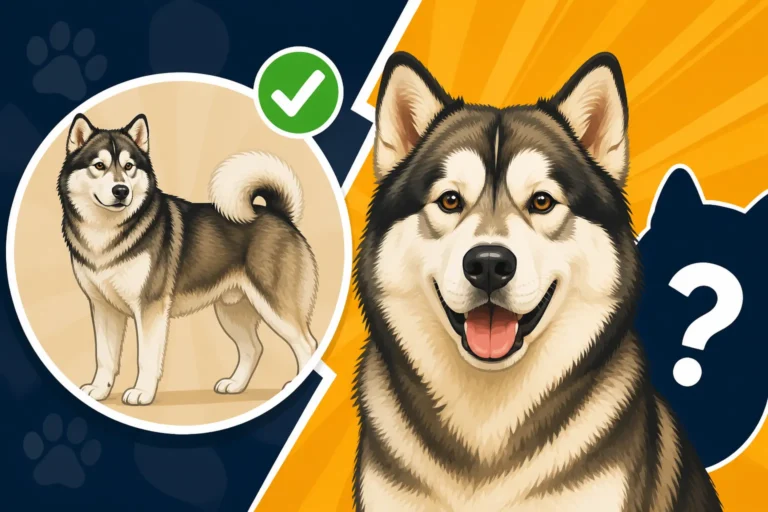
A long-coated Alaskan Malamute can often enter a conformation show if it meets the event’s eligibility rules, but its coat is a serious disadvantage under the breed standard. The key distinction is that a long coat is generally treated as a fault rather than an automatic reason to exclude a dog. Here’s what that means for showing, grooming, and choosing the right venue.
Can a long coat Malamute enter a dog show
Entering a show is not the same as matching the standard
A dog may be eligible to enter a show and still have a feature that judges consider undesirable. In conformation, the judge compares each dog with the written breed standard, including its outline, proportions, movement, temperament, and coat. A Malamute with a coat that is noticeably longer or softer than the desired working coat may be judged less favorably, even if it is healthy, well behaved, and beautifully presented.
For that reason, the practical answer is usually yes, a long coat Malamute may be shown, but it is unlikely to have an advantage in conformation. The exact eligibility rules can vary by registry, show, and class, so check the event’s current rules or ask the show secretary before entering. Don’t rely on a breeder’s shorthand description of a coat as “showable” or “not showable”; ask whether they mean the dog can enter or whether they expect its coat to meet the standard.
A long coat also does not determine whether a dog can be registered. Registration and conformation judging are separate matters: registration concerns the dog’s eligibility under a registry’s rules, while judging evaluates how closely the dog conforms to its breed standard. If you’re weighing those questions, Whether a Malamute's Papers Matter to a Pet Buyer explains why paperwork and show quality are not interchangeable.
How judges may view the long coat
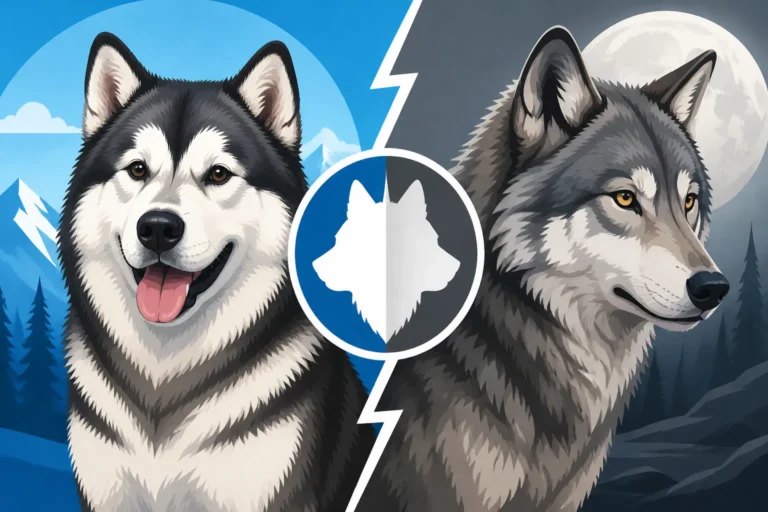
The Alaskan Malamute is a working breed with a dense undercoat and a coarse outer coat. The standard describes a coat suited to protection and work in cold conditions, with natural variation in length across the body. A coat that looks unusually long, soft, or woolly may depart from the desired texture and appearance. Judges assess the dog in context; there is no reliable shortcut such as measuring a few tufts of hair at home and assuming that determines the result.
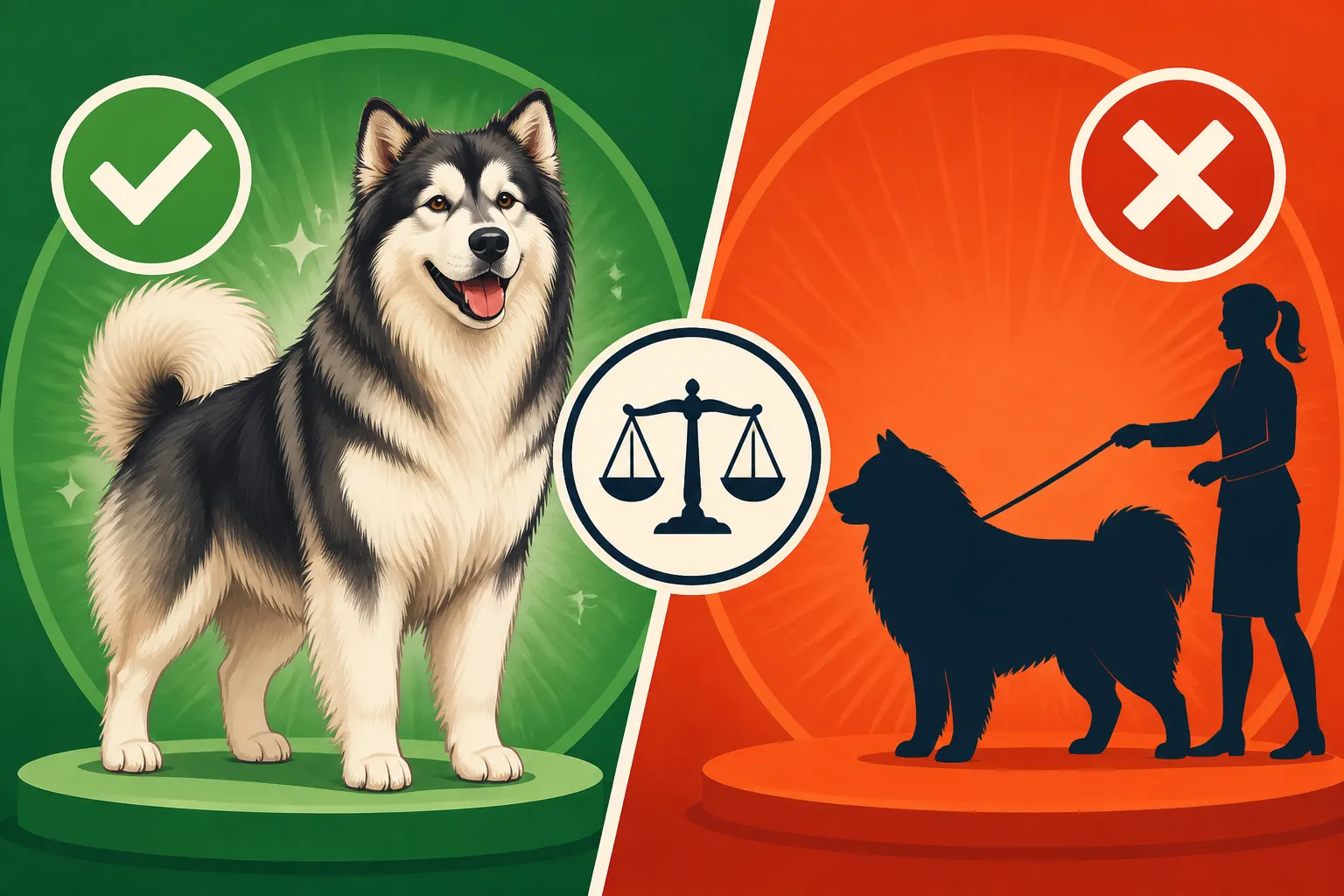
A fault is not necessarily a disqualification. It means the dog has a feature that counts against its overall evaluation. In a competitive class, a coat fault can matter because other dogs may more closely match the standard. How much it affects a particular placing depends on the dog, the quality of the competition, and the judging decision that day.
If you’re unsure whether your dog’s coat is genuinely long or simply looks extra plush during a seasonal coat change, compare its texture and outline with the breed description and ask an experienced Malamute breeder or conformation handler for an honest assessment. Whether a Malamute Has a Woolly Coat Fault looks more closely at the coat type that can be confused with a long coat.
Check the event before paying an entry fee
Before entering, read the rules for the specific show and class. Ask the organizer whether the dog is eligible, and be clear about the question: “Can this dog enter?” is different from “Does this coat meet the breed standard?” If the dog has a registration issue, a nonstandard marking, or another feature that may affect eligibility, ask about that separately.
It can also help to attend a show first. Watch how Malamutes are examined and moved, and notice how their coats look in the ring. A conversation with a knowledgeable exhibitor may help you understand whether your dog’s coat is simply fuller than average or falls into the long-coat category. That kind of firsthand perspective is often more useful than trying to judge coat quality from a puppy photo.
What counts as a long coat on an Alaskan Malamute
A dense coat is normal for the breed
Malamutes are double-coated dogs. Their coat includes a dense undercoat and a protective outer coat, and the coat can look especially full during colder weather or before seasonal shedding. Longer hair at certain parts of the body can also contribute to a naturally substantial appearance. A fluffy silhouette by itself does not prove that a dog has a disqualifying feature or even a long coat.
The question is usually about the coat’s overall length, texture, and outline—not whether the dog has abundant fur. A long coat may appear softer or more flowing than the coarser outer coat expected in the breed. It can be particularly noticeable around the body, legs, or tail, but visual impressions vary with age, season, grooming, and the individual dog.
Because owners see their dogs every day, it can be hard to separate normal seasonal fullness from a coat that is outside the desired type. Photos taken in different seasons, along with advice from an experienced breed mentor, may give a clearer picture. For a broader look at acceptable appearance and variety, see The Colors an Alaskan Malamute Comes In.
Long coat, woolly coat, and coat blow are not identical
People sometimes use “long coat” and “woolly coat” as if they mean exactly the same thing. They can overlap, but they are not always used consistently in everyday conversation. A coat may look unusually fluffy because it is in a heavy seasonal phase, because the undercoat is packed in, or because the outer coat has a softer texture. A true coat fault is assessed as part of the dog’s overall coat type, not diagnosed from a single snapshot.
A coat blow can make a Malamute look quite different from one month to the next. Loose undercoat may lift away from the body, leaving uneven patches or a temporarily rough outline. This can be untidy, but it does not necessarily mean the dog has a long coat. Conversely, brushing away loose hair does not change the dog’s underlying coat texture or make a long coat conform to the standard.
Avoid trimming, scissoring, or using products to disguise the coat for the ring. Grooming should keep the dog clean, comfortable, and presentable—not alter its natural outline to mislead a judge. If you’re trying to distinguish coat texture from coat-care issues, Whether an Alaskan Malamute Mats covers common tangling concerns in this dense double coat.
Showing a long coat Malamute in different activities
Conformation shows focus on breed type
Conformation is the venue where the breed standard matters most directly. The judge evaluates how closely the dog represents the ideal Alaskan Malamute, including its structure, movement, coat, and overall type. A long coat can therefore be a disadvantage even when the dog is a wonderful companion or a capable working partner.
That distinction can feel frustrating. Owners often adore the dramatic, soft appearance of a long-coated dog, and the dog may be healthy and athletic. But a conformation ring is not a general beauty contest: the goal is to assess breed characteristics according to a written standard. A dog can be an excellent family member without being a strong conformation prospect.
If showing is important to you, discuss the coat honestly with the breeder before choosing a puppy. Ask what the breeder means when they describe a puppy as show potential, and whether they are referring to conformation, performance, or simply the possibility of entering an event. Whether Breeders Still Distinguish the Two Malamute Lines offers context on how breed history and type may come up in breeder conversations, though individual dogs should still be assessed on their own merits.
Performance and companion events may be a better fit
Many activities do not judge a dog’s coat against the conformation standard in the same way. Depending on the event’s rules, a long-coated Malamute may be able to participate in performance, working, or companion activities. The dog’s suitability will depend on the activity, its fitness and training, and any event-specific requirements.
For example, a dog that enjoys pulling, scent work, or obedience may thrive in an activity where the focus is on its ability and teamwork rather than whether its coat matches the ideal. A long coat does not automatically make a Malamute less capable, but owners should pay attention to comfort, coat maintenance, and weather conditions during exercise.
Before signing up, confirm the rules for that particular activity. Some events have restrictions unrelated to coat length, while others may welcome dogs of varied appearance. If your main goal is to spend time with your dog and build skills together, choosing a suitable performance or companion venue can be more rewarding than concentrating only on conformation placements.
| Venue | What is generally being assessed | What a long coat may mean |
|---|---|---|
| Conformation | How closely the dog matches the breed standard | May count against the dog as a coat fault |
| Obedience or companion activity | Training, responsiveness, and teamwork | Coat length may have little or no bearing, subject to event rules |
| Working or pulling activity | Ability, conditioning, equipment, and safe participation | Coat type alone does not establish working ability |
| Informal breed gathering | Social participation and breed interest | Usually an opportunity to learn, not a formal coat evaluation |
Caring for a long-coated Malamute without altering its coat
Keep grooming practical and natural
A long coat can take extra work to keep clean and free of tangles, especially where friction occurs. Check behind the ears, around the collar, in the trousers, and between the legs. Use gentle, regular brushing rather than waiting until loose undercoat and tangles have built up into a difficult session. Which Brush Gets Through a Malamute's Undercoat can help you think through tools suited to a dense double coat.
If you buy grooming supplies from a retailer such as Chewy, choose tools based on your dog’s coat and comfort rather than assuming that a product marketed for shedding will change coat type. Some dogs tolerate a pin brush or undercoat rake better than others, so introduce tools slowly and stop if brushing causes discomfort. Chewy may be one place owners look for basic grooming supplies, but a breeder or groomer familiar with double-coated northern breeds can help you choose appropriately.
Do not shave a Malamute simply to make a long coat look shorter or easier to manage. The double coat serves a protective function, and shaving does not turn a long-coated dog into a standard-coated dog. If the coat is severely matted or there is a medical reason for clipping, ask a veterinarian or qualified groomer how to handle it safely.
Prepare for the ring without changing the dog’s natural appearance
For a conformation show, clean presentation matters, but grooming should not conceal a structural or coat characteristic. Bathe and dry the dog as needed, remove loose undercoat carefully, and keep nails and feet tidy according to ordinary show preparation. Avoid cutting the coat to create a different outline or using styling products to make it appear coarser or shorter.
Chewy’s grooming category may help owners find routine supplies such as combs, brushes, or dog shampoo, but products are not a substitute for correct technique. If you’re preparing for an actual show, ask the event organizer or a trusted breed handler what grooming is appropriate under the applicable rules. A professional familiar with Malamutes can also point out the difference between neat maintenance and altering the coat.
Above all, keep the dog comfortable. A long grooming session can be tiring, particularly for a young dog or one that is not accustomed to being handled. Work in short sessions, reward calm cooperation, and make routine checks part of normal care rather than a stressful event right before a show.
Set expectations before choosing a show career
If you already have a long-coated Malamute, you do not need to treat the coat as a measure of the dog’s worth. You can still enjoy training, outdoor activities, and breed events, even if conformation is not the most promising route. For many owners, the most satisfying goal is a healthy, confident dog who enjoys participating—not a ribbon.
If you are buying a puppy specifically to show, be candid with the breeder about your goals. Ask how they assess coat quality in their line, what they can and cannot predict in a growing puppy, and whether they will advise you as the dog matures. A breeder’s estimate is not a guarantee; the adult coat and overall development take time to become clear.
If the dog is already yours, ask a knowledgeable Malamute person to assess the coat in person before ruling out a show or investing heavily in preparation. Then contact the event organizer about eligibility. That simple sequence—expert assessment first, rule check second—can save you from paying for an entry based on an assumption, while still leaving room to discover activities where your Malamute can shine.
Disclaimer
This article is for general informational purposes only and does not constitute professional advice. Laws, prices and regulations vary by location and change over time. Consult a qualified professional for guidance on your specific situation.