Whether an Alaskan Malamute Mats
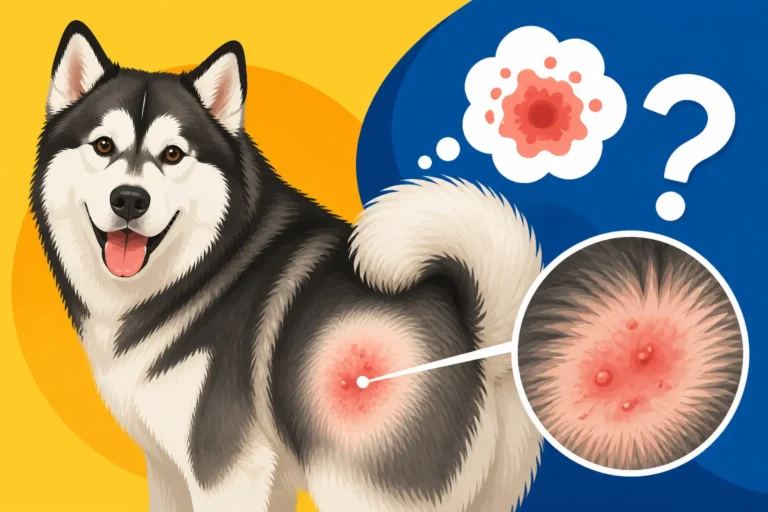
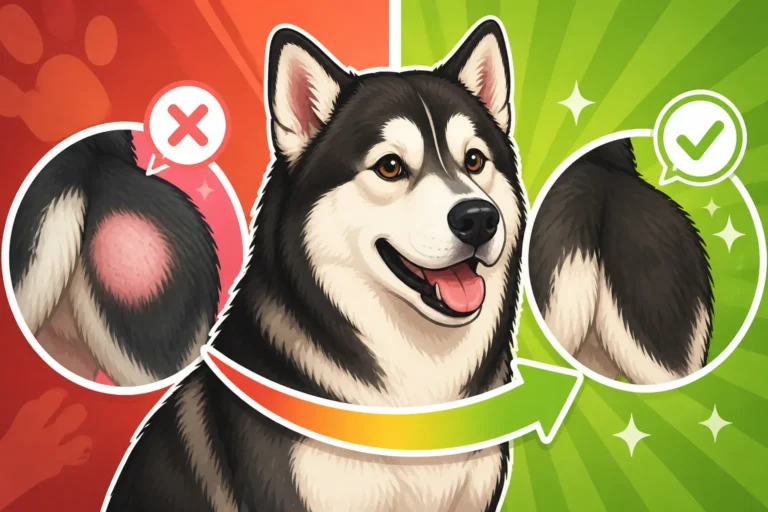
Oh, the glorious, magnificent coat of an Alaskan Malamute! It's what draws so many of us to this incredible breed, isn't it? That plush, dense fur looks like a perpetual hug, a walking cloud of canine majesty. But that very beauty comes with a distinct set of challenges, and one of the most frustrating, time-consuming, and frankly, painful issues for both owner and dog, is matting. If you've ever found a tight, felted clump in your Malamute's beautiful coat, you know the despair and the sheer effort it takes to deal with it. This guide is going to dive deep into whether an Alaskan Malamute mats, why they do, where you'll find those dreaded tangles, and most importantly, how to prevent and manage them.
Understanding the Alaskan Malamute's Unique Coat
Let's be real, an Alaskan Malamute's coat isn't just "fur"; it's an engineering marvel designed by millennia of Arctic living. It's built for survival in some of the harshest conditions on Earth, and that's precisely why it can be such a challenge to maintain in a domestic setting.
The Double-Layered Marvel
Your Malamute isn't just wearing one coat; they're essentially wearing two, and each has a very specific job. The outer layer consists of guard hairs – these are coarser, longer, and somewhat stiff hairs that are primarily there to shed water, snow, and ice. Think of them like a weatherproof outer shell. They protect the delicate layer beneath and give your Malamute that characteristic rugged, wild appearance.
Beneath this outer shell lies the true powerhouse of their insulation: the undercoat. This stuff is incredibly dense, soft, and woolly. It's packed in thick, providing an insulating layer that traps air and keeps them warm in sub-zero temperatures. It's truly amazing how effective it is. However, this dense undercoat is also the primary villain in our matting saga. When this soft, fine hair sheds, it doesn't just fall out easily; it often gets caught and tangled within the remaining undercoat and guard hairs, creating a perfect storm for mat formation. This unique structure is why a Malamute's coat requires such specific care, unlike many single-coated breeds.
Why the Undercoat is the Main Culprit for Matting
The undercoat is a wonderful thing for keeping a Malamute warm, but when it starts to die off and shed, it becomes a nightmare if not properly managed. Picture this: your Malamute's body is constantly producing new undercoat while old undercoat is dying. When that dead, fluffy hair gets trapped close to the skin, it has nowhere to go. It intertwines with the healthy undercoat and the tougher guard hairs, creating knots. These small knots quickly grow into larger, impenetrable masses.
This process is most aggressive during what's affectionately known as "coat blow," which happens typically twice a year, usually in spring and fall. During a coat blow, your Malamute will shed an astonishing amount of undercoat, sometimes enough to fill an entire garbage bag! This is when the matting potential skyrockets. If you don't aggressively brush out that dead undercoat, it will felt together, much like wool does when it's processed. The combination of dense, fine hair, plus the natural oils of the skin, plus any moisture or dirt, creates the ideal conditions for severe matting. It's not just a minor tangle; it becomes a dense, matted pad that pulls on the skin, causes discomfort, and can lead to skin issues if left untreated. Trust me, I've filled more than one vacuum with Malamute undercoat during these times! If you want to know more about this seasonal event, check out The Malamute Coat Blow That Fills a Vacuum in an Afternoon.
Common Areas Where Malamutes Matt and Why
While matting can theoretically occur anywhere on your Malamute's body, certain areas are far more prone to it due to constant friction, movement, or exposure to moisture and dirt. These are the spots you need to pay extra attention to during your regular grooming sessions.
Friction Points and Problem Zones
Think about where your Malamute's body experiences the most rubbing or pressure. These are often the first places you'll find mats forming.
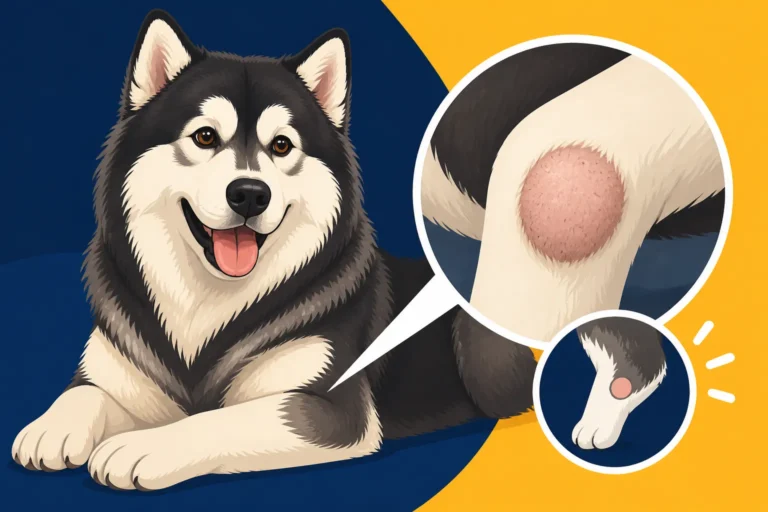
- Behind the Ears: This is a classic matting hot spot. The hair here is often finer, and the constant movement of the head, combined with scratching, can easily tangle the fur into tight knots. You might find small, hard little knots right at the base of the ear, almost like tiny felted balls.
- Armpits and Groin Area: These are high-friction areas where the legs rub against the body. When your Malamute walks, runs, or even just shifts position, this rubbing action works the hair together. Add a bit of sweat or moisture, and you've got a perfect recipe for matting. These mats can be particularly painful as they pull directly on sensitive skin.
- "Feathering" on Legs and Britches: The longer hair on the back of your Malamute's legs (the "britches") and sometimes on the forelegs can easily catch debris and tangle. This hair isn't quite the same as the undercoat, but it's prone to intertwining and forming mats, especially if they've been running through tall grass or brush.
- Under the Collar or Harness: Anything that sits close to the skin and creates friction can lead to matting. A collar, especially if it's too tight or too loose, or a harness that isn't properly fitted, will rub against the fur, compacting it and causing mats. This is why it's so important to regularly check these areas and ensure your gear isn't contributing to the problem. If you’re curious about how harnesses affect their coat, you might want to read Whether a Harness Mats an Alaskan Malamute.
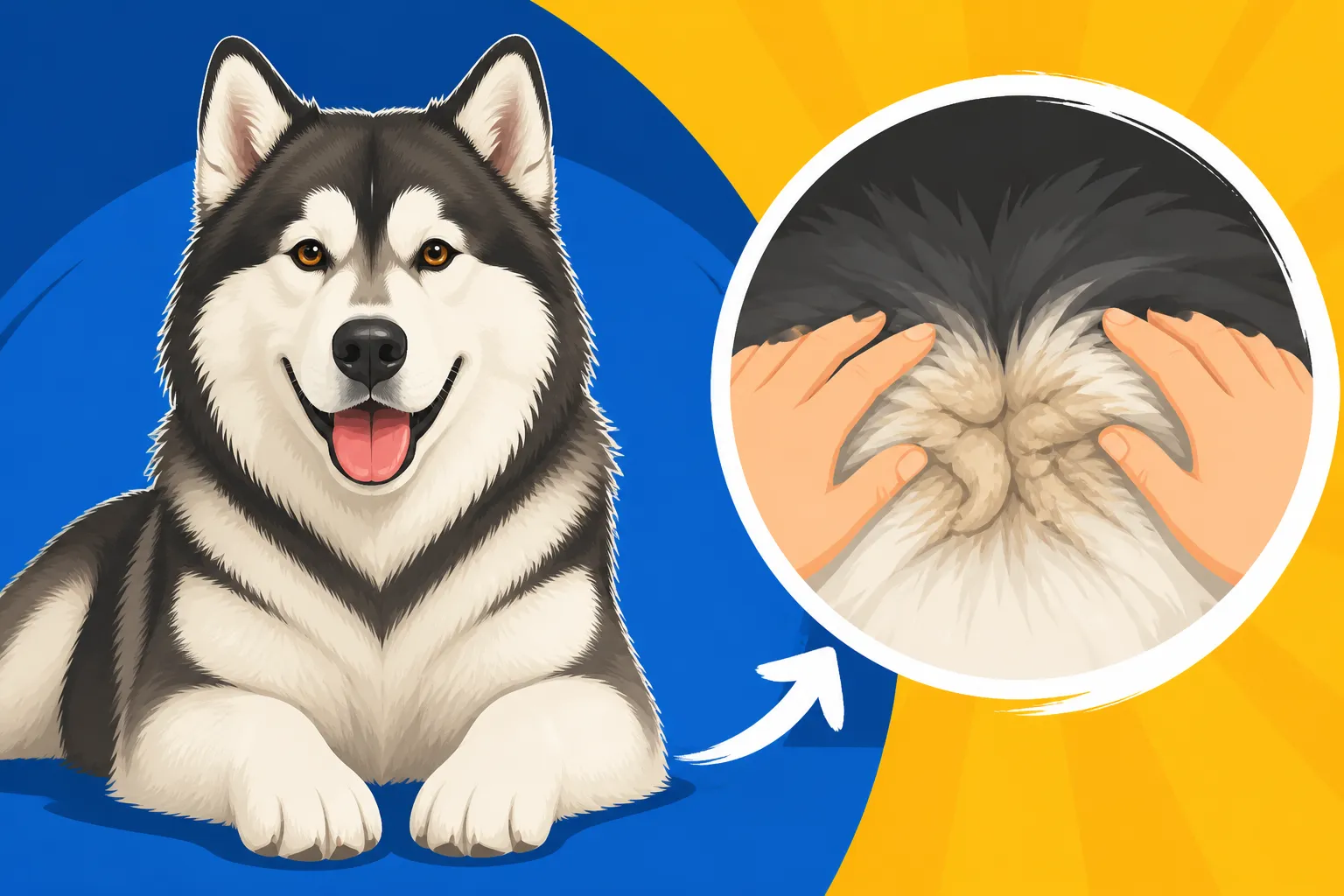
- Tail Base: The base of the tail, where the fur is often very dense, can also be a spot for mats to hide. When they sit or lie down, this area can get compressed, encouraging tangles.
It's really about physics sometimes. Every time your Malamute moves, the hairs rub against each other. In areas where movement is constant or where pressure is applied, those fine undercoat hairs get compressed and tangled, and once a small tangle starts, it quickly grows into a significant mat.
The Role of Moisture, Dirt, and Debris
Beyond just friction, external factors play a huge role in matting. Malamutes love being outdoors, which means they’re constantly exposed to elements that can wreak havoc on their coats.
- Water, Water Everywhere: If your Malamute loves to swim, play in the rain, or roll in the snow, that's great for their enjoyment, but potentially terrible for their coat if not dried properly. Wet fur, especially a Malamute's dense undercoat, mats much more easily than dry fur. As the water evaporates, it can draw the hairs together, causing them to felt. Imagine trying to comb wet, tangled human hair – now multiply that by a thousand with a Malamute's density. If you let them air dry after a romp in the water, especially if the undercoat is not thoroughly brushed, you're practically inviting mats to form.
- Dirt, Mud, and General Grime: Malamutes are active dogs, and they'll find dirt and mud with impressive efficiency. When dirt gets embedded in their coat, it acts like glue, binding the hairs together. If the dirt is also wet, it's an even faster route to mat city. A muddy Malamute left to dry without a thorough brushing and cleaning will almost certainly develop mats.
- Nature's "Extras": Burrs, sticky seeds, twigs, leaves, and other bits of outdoor debris love to cling to a Malamute's coat. These items don't just sit on the surface; they work their way deep into the undercoat, pulling and twisting the hairs as they go. If your Malamute has been exploring a field or a wooded area, a quick visual inspection and brush-through for these hitchhikers can save you a lot of headache later. Getting this stuff out once it's tangled into a mat is exponentially harder and more painful for your dog.
It's a combination of their unique coat structure, their natural activities, and the environmental factors they encounter that makes Malamutes so susceptible to matting. It's not a sign of a "bad" coat, just a high-maintenance one!
Prevention is Key: Your Malamute Matting Action Plan
When it comes to Alaskan Malamutes and matting, prevention truly is worth a pound of cure. Once a mat sets in, it's a battle. But with consistent effort and the right tools, you can keep your Malamute's coat magnificent and mat-free.
Consistent Brushing: Your Best Defense
This cannot be stressed enough: regular, thorough brushing is the single most effective weapon against matting. It's not just about aesthetics; it's about your dog's comfort and skin health.
- Frequency is Crucial: During non-shedding periods, a good brush-through 2-3 times a week might suffice, focusing on those high-friction areas. However, when your Malamute is blowing coat, you'll need to brush daily. Yes, daily. It sounds like a lot, but trust me, it's far less time-consuming than trying to tackle a giant, felted mat. This daily routine helps remove the dead undercoat before it has a chance to bind with the healthy hair. For more on this, check out How Often an Alaskan Malamute Needs Brushing.
- The Right Tools Make All the Difference: You can't just use any old brush on a Malamute. You need tools designed to penetrate their dense coat.
- Undercoat Rake: This is your primary weapon. An undercoat rake has long, sturdy teeth that reach deep down to the skin, pulling out loose undercoat without damaging the guard hairs. Use it carefully, applying gentle pressure, and always brush in the direction of hair growth. You'll be amazed at how much fur comes out, even if you thought their coat looked fine. Brands like Furminator, which you can often find on Chewy or Amazon, offer good undercoat rakes specifically designed for double-coated breeds.
- Slicker Brush: A slicker brush has fine, wire bristles that are bent at an angle. It's excellent for removing smaller tangles and smoothing out the topcoat, particularly in areas like the britches or behind the ears where mats might be starting. Be gentle, as the wire bristles can scratch the skin if used too harshly.
- Pin Brush: A pin brush has metal pins with rounded tips and is good for general grooming, especially for longer guard hairs and overall fluffing. It's less effective at removing deep undercoat but is good for finishing and light detangling.
- Mastering the Technique: Line Brushing: This is the secret to getting truly deep into a Malamute's coat. Instead of just brushing the top layer, you need to systematically brush section by section, down to the skin.
- Start by parting the hair against the natural lay, creating a "line" of skin.
- Hold the top layer of hair up and out of the way.
- Brush the lower section of hair down and out, from the skin outwards, using your undercoat rake.
- Once that section is mat-free and thoroughly brushed, drop a small amount of the upper hair down and repeat the process.
This method ensures you're reaching all the way to the skin and removing all the loose undercoat, which is where mats originate. It’s a bit like excavating, but it's incredibly effective. You'll be astonished by How Much Undercoat Comes Off an Alaskan Malamute when you do this properly.
Strategic Grooming and Lifestyle Choices
Beyond daily brushing, a few other habits can significantly reduce matting.
- Bathing and Drying Done Right: While Malamutes don't need frequent baths, when you do bathe them, ensure you use a shampoo designed for double coats and, critically, you must dry them thoroughly. Allowing a Malamute to air dry will almost guarantee matting, especially in their thick undercoat. A high-velocity force dryer (often available on Amazon or Chewy) is an invaluable tool for blowing out water and loose undercoat simultaneously. If you don't have one, towel dry as much as possible, then use a regular hairdryer on a cool setting, brushing continuously. If you're going to the groomer, ask about a "deshedding treatment" which often involves specialized shampoos and force drying. This can be a godsend during coat blow.
- Properly Fitted Collars and Harnesses: As mentioned, ill-fitting gear causes friction and matting. Ensure collars are loose enough to avoid constant rubbing but tight enough not to slip off. Harnesses should fit snugly without chafing. Consider rotating collar types (e.g., flat collar for daily wear, martingale for walks) or even removing collars when your dog is safely indoors to give their neck fur a break.
- Clean Environment: While you can't prevent your Malamute from enjoying the outdoors, minimizing how much dirt and debris they bring in can help. If they've been running through muddy fields, a quick rinse of their legs and belly, followed by thorough drying, can prevent mud from caking and creating mats. Regularly vacuuming your home also helps manage the loose hair that eventually turns into tumbleweeds of Malamute fluff, which can then re-attach to your dog.
- Nutrition for a Healthy Coat: A healthy coat starts from within. A balanced diet rich in essential fatty acids (like Omega-3 and Omega-6) contributes to healthy skin and coat, making the hair less prone to breakage and matting, and shedding more easily. While brands like Ollie focus on fresh, human-grade ingredients that can support overall health, the key is simply a high-quality, nutritionally complete dog food.
| Area Prone to Matting | Why it Mats | Prevention Strategy |
|---|---|---|
| Behind Ears | Fine hair, constant movement, scratching | Daily gentle brushing with slicker/pin brush; check regularly. |
| Armpits/Groin | High friction from movement | Regular targeted brushing with undercoat rake; ensure harness fits well. |
| Britches (back of legs) | Long hair, collects debris, friction | Daily brushing with undercoat rake/slicker; comb out debris immediately. |
| Under Collar/Harness | Constant rubbing, compression | Ensure proper fit; remove when not needed; brush under gear daily. |
| Tail Base | Dense fur, compression when sitting | Use undercoat rake during regular brushing sessions. |
| Entire Body (during coat blow) | Massive shedding of dense undercoat | Daily, systematic line brushing with undercoat rake and force dryer after baths. |
Dealing with Existing Mats: When to Act and How
Despite your best efforts, sometimes mats happen. A missed brushing session, a particularly enthusiastic romp in the woods, or a surprise downpour can leave you with a stubborn tangle. The key is to address them quickly and safely.
Gentle Detangling at Home
For small, superficial mats that haven't tightened down to the skin, you can often tackle them at home with patience and the right tools.
- Gather Your Tools: You'll need a metal comb (a Greyhound comb with both wide and fine teeth is ideal), a slicker brush, and a detangling spray (many pet stores, including Chewy, offer these, or you can use a bit of cornstarch).
- Isolate the Mat: Gently separate the matted section of fur from the surrounding healthy fur. You don't want to pull on the good hair while you're working on the mat.
- Apply Detangling Aid: Spritz the mat generously with detangling spray, or sprinkle some cornstarch onto it. Work it into the mat with your fingers. This helps lubricate the hairs and makes them easier to separate.
- Work from the Outside In, and the Bottom Up: Never try to pull the mat apart from the top or middle. Start by gently teasing apart the very edges of the mat with your fingers or the widest teeth of your comb. Once you've loosened the outer edges, use the comb to gently pick at the mat, working a few hairs at a time. Always hold the hair closest to the skin with one hand to prevent painful tugging on your Malamute's skin.
- Small Sections: Work on tiny sections of the mat at a time. It’s a slow process, but rushing will only hurt your dog and make the mat worse. If your Malamute shows signs of discomfort, take a break.
- No Scissors Close to the Skin: Resist the urge to cut out mats with scissors, especially close to the skin. Malamute skin is thin and easily nicked, and it's incredibly easy to accidentally cut a chunk of skin right along with the mat, which can lead to nasty infections and vet visits. If you absolutely must use scissors, always point the blades away from the skin, and only cut into the mat above the skin level, parallel to the body. This can help break up the mat enough to comb it out, but it's still risky.
Remember, if your Malamute is stressed or in pain, it's time to stop. Pushing them through a painful detangling session can create a negative association with grooming, making future sessions even harder.
When Professional Help is Essential
There are times when a mat is simply beyond home remedy, and trying to handle it yourself can do more harm than good.
- Severe, Skin-Tight Matting: If a mat is large, dense, and pulled tightly against your Malamute's skin, it's time for a professional. These mats are not only painful but can restrict movement, hide skin infections, and even cut off circulation. A professional groomer has specialized tools, like powerful clippers with various blade lengths, and the expertise to safely remove these mats without injuring your dog. They can often get under the mat and shave it off without touching the skin.
- Multiple Mats or Dog Intolerance: If your Malamute has several significant mats, or if they simply can't tolerate the detangling process at home, a professional groomer is your best bet. They are experienced with handling dogs who are uncomfortable and can often get the job done more efficiently and with less stress for your Malamute.
- Veterinary Intervention: In very severe cases, especially if the mats are causing open sores, skin infections, or deep bruising, your veterinarian might need to get involved. Sometimes, if the matting is extreme and painful, a Malamute may even need to be sedated to have the mats safely removed, preventing further distress and injury. This is always a last resort, but it highlights just how serious matting can become.
While it might feel expensive to take your Malamute to a groomer or vet for mat removal, consider it an investment in your dog's health and comfort. It's often cheaper and certainly safer than dealing with a trip to the emergency vet for a serious skin laceration or infection caused by DIY mat removal. A well-groomed Malamute is a happy Malamute, and staying ahead of those mats is a huge part of responsible ownership.
Disclaimer
This article is for general informational purposes only and does not constitute professional advice. Laws, prices and regulations vary by location and change over time. Consult a qualified professional for guidance on your specific situation.