Whether a Malamute Outpulls a Husky
It's a question that sparks lively debate among sled dog enthusiasts and owners: who really outpulls whom, the Alaskan Malamute or the Siberian Husky? Many people assume that because both breeds are known for pulling, their strengths must be identical. But if you’ve ever watched them in action or tried to harness one yourself, you quickly realize these magnificent dogs, while both powerful, are built for entirely different types of work, and expecting one to excel at the other’s specialty can lead to frustration and disappointment. This guide will delve into the distinct pulling heritages of both breeds, dissecting their physical and mental attributes to show why each excels in its particular niche.
Understanding the Malamute's Pulling Heritage
When you look at an Alaskan Malamute, you see a dog built for power and endurance, not necessarily lightning speed. Their entire history and physical conformation speak to a different kind of strength, one developed over centuries of demanding work in the harsh Arctic environment.
The Mahlemut's Design for Freight
The Alaskan Malamute was developed by the Mahlemut people of Alaska's Kotzebue Sound. Their needs were specific and grueling: transport heavy loads—often caribou, seals, or other game—over long distances, sometimes through deep snow and challenging terrain, for days on end. This wasn't about racing; it was about survival and sustenance. Imagine living in a place where your very existence depended on your dogs' ability to reliably move tons of supplies and food from one camp to another, sometimes across vast, unforgiving landscapes. This required dogs of immense physical strength and unwavering stamina.
Because of this unique role, the Malamute developed a thick, dense bone structure, a deep chest, and incredibly powerful musculature, particularly in the shoulders and hindquarters. They are designed for a low, steady gait that conserves energy. Their broad, well-cushioned paws are perfect for traction in snow, acting almost like natural snowshoes. They are, in essence, the semi-trucks of the dog world – built to haul serious weight, not to win a drag race. This understanding helps to clarify why a Malamute might be different than other working breeds. Freight, Not Speed: What Separates a Malamute From a Racing Dog goes into more detail about this.
"Slow and Steady" Wins the Race for the Malamute
The Malamute's pulling style is methodical. They don't explode off the starting line in a burst of speed like a sprinter. Instead, they lean into their harness, dig their paws in, and steadily apply pressure, moving the load with a powerful, consistent effort. This "slow and steady" approach isn't a sign of reluctance or slowness; it's an intelligent energy conservation strategy honed over generations. They are built to maintain a moderate pace for hours, even days.
For an owner today, this means that while your Malamute might not win any speed trials, they will likely surprise you with the sheer volume and weight they can move. They have an innate understanding of pulling that manifests as a deliberate, powerful stride. When you see a Malamute in a weight pull competition, you're witnessing the culmination of centuries of selective breeding for this specific talent. It's a truly impressive display of raw power and determination.
Understanding the Husky's Pulling Heritage
In contrast to the Malamute's freighting background, the Siberian Husky comes from a different lineage, designed for speed and agility, primarily in racing and lighter, faster transport roles.
The Siberian Husky's Racing Legacy
The Siberian Husky was originally bred by the Chukchi people of northeastern Siberia for rapid travel over immense distances with relatively light loads. Their survival also depended on their dogs, but the nature of their territory and lifestyle favored a different type of canine athlete. The Chukchi needed dogs that could cover ground quickly, often with supplies that weren't as heavy as the Mahlemut's game hauls. This need intensified with the advent of long-distance sled dog racing, where the Husky truly found its calling.
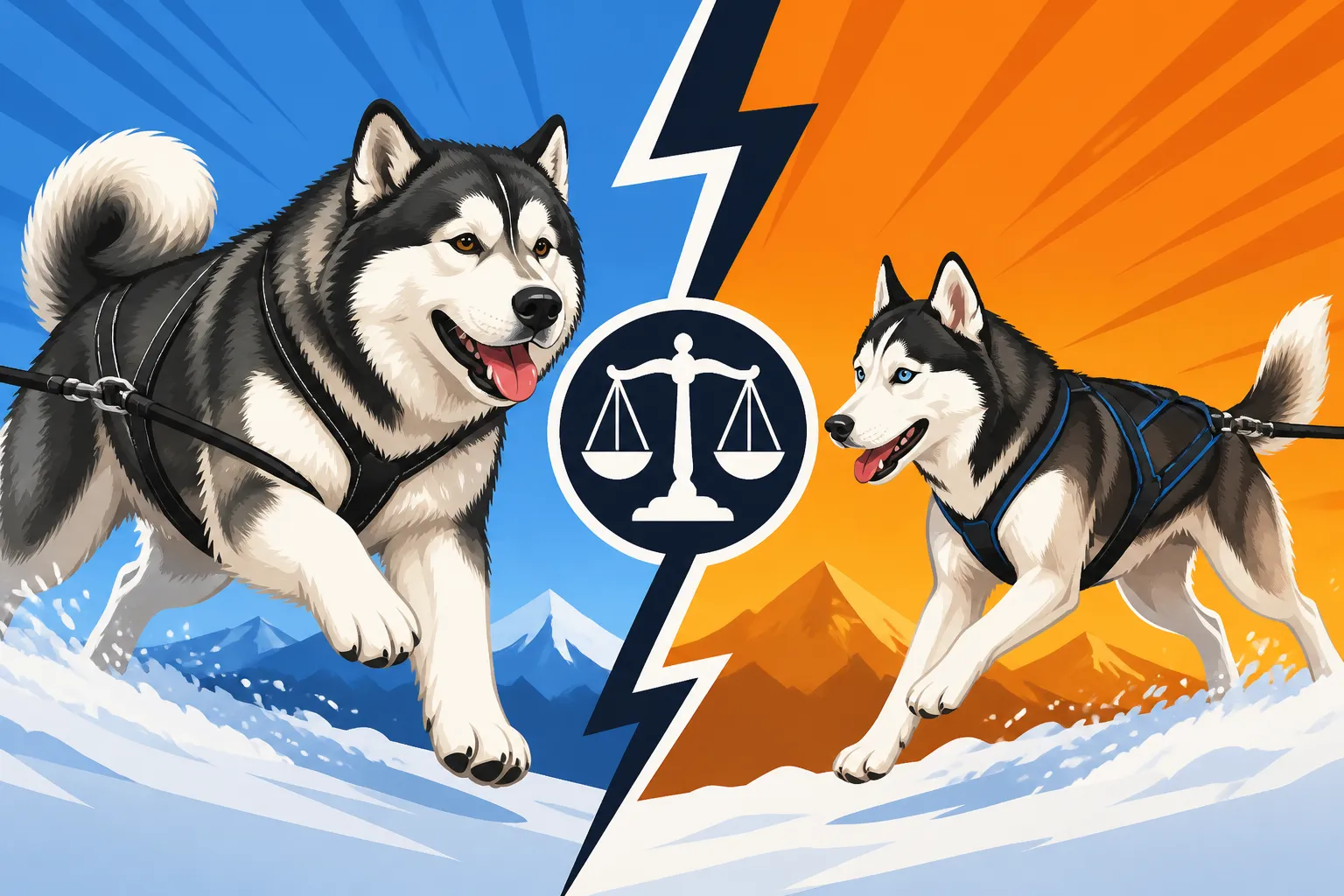
Their body type reflects this purpose: lighter bone structure, a more athletic and streamlined build, and longer legs than a Malamute. These traits allow for a more efficient, faster gait, perfect for covering miles at a trot or gallop. They are the sports cars of the sled dog world – built for speed and quick acceleration. The differences between the two breeds can be quite striking once you know what to look for. The Alaskan Malamute Against the Siberian Husky offers a great comparison.
Built for Speed and Agility
Siberian Huskies are famous for their high-energy, quick-footed pulling style. They love to run, and they often pull with an almost frantic enthusiasm, eager to maintain a swift pace. This isn't to say they lack power; a team of Huskies can certainly pull substantial weight, but their primary advantage lies in their speed and agility, especially over medium to long distances in races like the Iditarod.
They possess a strong desire to run and a competitive spirit that drives them forward. Their mental makeup, combined with their physical attributes, makes them exceptional sprint and mid-distance racing dogs. They thrive on the exhilaration of speed and the challenge of covering ground rapidly, often maintaining remarkable speeds for extended periods.
Comparing Pulling Styles and Capacity
So, when we ask "whether a Malamute outpulls a Husky," it's not a simple yes or no answer. It depends entirely on what kind of "pulling" we're talking about. Are we talking about sheer dead weight moved, or covering distance at speed?
Raw Power vs. Agile Speed
This is the crux of the comparison. In terms of raw power and the ability to move an extremely heavy load for a short distance, especially in a dedicated weight pull competition, the Alaskan Malamute typically has the edge. Their denser build, lower center of gravity, and sheer muscle mass make them exceptionally suited for these bursts of immense strength. A well-trained Malamute in peak condition can pull truly astonishing amounts of weight, often many times their own body weight. How Much Weight a Malamute Can Pull in Competition highlights just how incredible these dogs are.
However, if we're talking about agile speed and covering long distances at a fast pace, the Siberian Husky will almost always "outpull" a Malamute. They are designed to trot and gallop efficiently for miles, maintaining a higher average speed throughout. Put a Malamute and a Husky on a sprint mushing team, and the Husky will likely set the pace and leave the Malamute trailing.
It's like comparing a professional strongman to a marathon runner. Both are incredible athletes, but their disciplines, training, and physical attributes are specialized for different challenges.
The Mechanics of a Malamute's Pull
When a Malamute pulls, you'll observe a distinct, powerful engagement of their entire body. They tend to lean forward, using their weight as leverage, and push off with strong hindquarters. Their gait is often described as deliberate and ground-covering, less about high leg action and more about efficient forward momentum. This allows them to maintain a consistent, powerful drive against the harness. Their mental approach is often equally focused; they are task-oriented and determined to move the load. They understand the concept of "pulling through" a resistance, rather than trying to outrun it. This deep-seated drive means even a pet Malamute often needs a job. Why a Pet Malamute Still Needs to Pull explains this instinct further.
The Mechanics of a Husky's Pull
A Husky's pulling mechanics are characterized by a lighter, more agile movement. They typically exhibit a higher, more energetic trot or gallop, covering ground with speed and fluidity. Their lighter frame allows for quicker changes in direction and pace, which is crucial in racing scenarios. Huskies often possess an intense prey drive and a boundless enthusiasm for running, which translates into their pulling efforts. They are often seen with their tails carried high, ears perked, and a clear enjoyment of the forward motion, pushing themselves to maintain speed.
What This Means for the Modern Dog Owner
Understanding these inherent differences isn't just for mushers; it's crucial for any Malamute or Husky owner who wants to provide their dog with a fulfilling life. Misunderstanding these traits can lead to frustrated owners and unfulfilled dogs.
Choosing the Right "Job" for Your Dog
For Alaskan Malamute owners, this means recognizing their dog's incredible strength and endurance. Activities that lean into this natural predisposition are ideal.
- Weight Pulling: This is where Malamutes truly shine. Competitive weight pulling allows them to flex their muscles and fulfill their genetic heritage. It's a wonderful way to bond and provide intense physical and mental exercise.
- Recreational Sledding/Carting: Even if you don't have snow, a Malamute can pull a cart (dryland mushing) or even pull you on rollerblades or a bike (bikejoring, though they might be a bit strong and slow for typical bikejoring speeds, they can certainly do it). The steady, consistent effort is what they crave.
- Hiking with a Pack: Loading a doggy backpack with some weight on a long hike allows your Malamute to feel useful and work their muscles. How Much a Malamute Should Carry on a Hike has tips for appropriate weight.
For Siberian Husky owners, channeling their speed and agility is key.
- Sprint Sledding/Skijoring/Canicross: These sports embrace the Husky's love of running and speed. They are fantastic outlets for their energy and allow them to cover ground quickly, working as a team with their human.
- Agility and Lure Coursing: While not pulling sports, these activities engage their speed, agility, and prey drive, providing excellent mental and physical stimulation.
No matter the breed, proper training is essential before engaging in any pulling sport. A strong foundation in obedience and understanding cues is paramount for safety and enjoyment. Resources like BAXTER & Bella offer online training programs that can help owners establish clear communication and build a solid relationship with their dogs, which is crucial before adding the complexities of pulling work. They can guide you through positive reinforcement techniques that work well with these intelligent, often independent breeds. Why Force Fails on an Alaskan Malamute is a great read on positive training methods.
Gear Considerations for Different Pulling Styles
Just as their natural abilities differ, so too does the optimal equipment for each breed's specialized pulling activities. Using the wrong gear can be uncomfortable, inefficient, or even dangerous for your dog.
- Harness Types:
- For Malamutes in weight pull, specialized weight pull harnesses distribute pressure across the chest and shoulders, allowing them to exert maximum force without injury. For recreational freighting or hiking, a well-fitting X-back harness is often used, designed for comfortable, even pressure distribution over long distances.
- For Huskies in sprint mushing, skijoring, or canicross, lightweight, efficient X-back harnesses are common. These are designed to allow for maximum leg extension and airflow, optimizing speed and comfort during high-intensity runs.
- Lines and Rigging: Freight pulling might use thicker, more robust lines, while sprint racing prioritizes lightweight, high-strength lines that don't add unnecessary drag.
- Collars: While a collar is essential for identification, it should never be used for pulling. All pulling work should be done with a properly fitted harness to prevent injury to the dog's neck and trachea.
- Other Gear: Depending on the activity, Malamute owners might invest in heavier carts or specialized weight sleds, while Husky owners might opt for lightweight racing sleds, skijoring belts, or canicross leashes. Many of these specialized items can be found through online retailers like Amazon, offering a wide selection of brands and styles to suit different needs and budgets. It's always a good idea to research and read reviews to find durable, well-regarded equipment.
It's also important to remember that puppies, regardless of breed, should not engage in heavy pulling until their growth plates have closed, usually around 18-24 months of age, to prevent long-term joint damage. Starting too young is a common mistake that can have lasting consequences. The Age a Malamute Can Start Pulling details this more thoroughly.
Training for Pulling Sports
Training for pulling sports, whether it’s for strength or speed, requires patience, consistency, and a deep understanding of your dog's capabilities and motivations. It's not just about putting a harness on; it's about building a partnership.
Building Foundational Strength and Stamina for Malamutes
For Malamutes, training focuses on controlled strength building and sustained effort.
- Gradual Conditioning: Start with light loads and short distances, slowly increasing both over time. Think of it like a human lifting weights – you don't start with your maximum. This helps build muscle mass and endurance without risking injury. Long walks and hikes, initially without weight, are excellent for building cardiovascular fitness and leg strength.
- Obedience and Directional Cues: Even though Malamutes are intelligent, they can be independent. Solid obedience training, especially directional commands like "gee" (right) and "haw" (left), "whoa" (stop), and "on by" (pass an distraction), is vital. A reputable online training resource, like BAXTER & Bella, can offer structured lessons to teach these commands effectively, often through positive reinforcement methods that resonate well with Malamutes. Knowing that your dog will respond reliably is paramount for safety, especially when they are focused on a task.
- Mental Toughness: Malamutes possess incredible determination. Training should reinforce this focus, encouraging them to keep pulling steadily even when the load feels heavy or the terrain is challenging. Short, successful sessions are better than long, frustrating ones in the initial stages. Remember, Malamutes were bred to handle tough conditions, so nurturing that innate drive is key.
Developing Speed and Endurance for Huskies
Huskies, on the other hand, benefit from training geared towards maintaining high energy output over distance.
- Cardiovascular Fitness: Regular, brisk runs and jogs are essential to build lung capacity and stamina. These dogs were born to run, and they thrive on consistent exercise.
- Pacing and Consistency: Training should encourage them to find a sustainable fast pace rather than starting with an unsustainable burst. Huskies can easily get overexcited, so teaching them to channel that energy into a steady, powerful run is important. This often involves running alongside another dog or a lead dog that sets a good pace.
- Motivation and Drive: Huskies are typically highly motivated by the sheer joy of running. Positive reinforcement, praise, and the sheer thrill of the sport are usually enough to keep them engaged. However, consistency in routine and clear, encouraging commands are still important to maintain focus. They also benefit from the camaraderie of other dogs, often performing best in teams.
Remember, regardless of the breed, listening to your dog is crucial. Watch for signs of fatigue, discomfort, or disinterest. Training should always be a positive, enriching experience for both of you.
| Feature | Alaskan Malamute | Siberian Husky |
|---|---|---|
| Primary Purpose | Heavy freighting, endurance, survival | Lighter freight, speed, racing |
| Physical Build | Large, heavy bone, deep chest, powerful muscle | Medium, lighter bone, athletic, streamlined |
| Pulling Style | Slow, steady, deliberate, powerful push | Fast, agile, energetic trot/gallop |
| Strength Focus | Raw power, maximum weight moved | Speed, sustained pace, covering distance |
| Ideal Activities | Weight pull, recreational sledding/carting, pack hiking | Sprint mushing, skijoring, canicross, agility |
| Average Speed | Moderate, consistent | Fast, often high-stepping |
| Mental Drive | Determined, task-oriented, enduring | Eager, spirited, loves to run |
Ultimately, when you ask whether a Malamute outpulls a Husky, you're asking about two different kinds of "out-pulling." A Malamute is designed to outpull a Husky in terms of sheer, brute force and the ability to move monumental weight. A Husky is designed to outpull a Malamute in terms of speed, agility, and covering vast distances at a rapid pace. Both are magnificent pulling machines, but they excel in their unique ways, reflecting the incredible diversity and specialization within the working dog world. It's about respecting their heritage and providing them with opportunities to fulfill the purpose they were born for. What an Alaskan Malamute Needs Every Day delves into how to provide a fulfilling life for your Malamute.
Disclaimer
This article is for general informational purposes only and does not constitute professional advice. Laws, prices and regulations vary by location and change over time. Consult a qualified professional for guidance on your specific situation.