Whether a Malamute Can Carry a Backpack
It’s a common scenario for Malamute owners: you’re gearing up for an adventure, whether it’s a long hike, a camping trip, or even just an extended walk around the neighborhood, and you look at your powerful, eager Malamute and think, "Could they help carry some of this gear?" The answer is a resounding yes, but it’s not as simple as strapping on any old bag. This guide will walk you through the practicalities, benefits, and crucial safety considerations for having your Alaskan Malamute carry a backpack.
The "Why" Behind Malamute Backpacking: More Than Just Carrying Gear
For many dog breeds, a backpack is just a novelty, perhaps a cute accessory for a photoshoot. But for an Alaskan Malamute, it can be a vital piece of equipment that taps into their very essence. These dogs were bred for purpose, for work, and for endurance in harsh conditions. Giving them a job, even one as seemingly simple as carrying a pack, can profoundly impact their mental and physical well-being.
Fulfilling Their Innate Desire to Work
Imagine generations of ancestors, bred by the Mahlemut people of the Arctic, pulling heavy loads for miles across frozen landscapes. This isn't just history; it's hardwired into your Malamute's DNA. They are freighting dogs, designed for stamina and strength rather than speed. This inherent drive to work, to have a purpose, is incredibly strong in the breed. When that drive isn't met, it often manifests in ways we don't appreciate: digging up the yard, chewing furniture, or general restless mischief.
Giving your Malamute a backpack transforms a regular walk into an expedition, a mundane task into a mission. The weight, even if minimal, provides a physical sensation of having a "job" to do, which can be incredibly satisfying for them. It engages their minds as they learn to balance the load and navigate terrain with extra bulk. This mental stimulation, combined with physical exertion, is a powerful combination for a happy, well-adjusted Malamute. If you've ever felt like your Malamute has endless energy even after a long walk, tapping into this working instinct with a pack might be the missing piece of the puzzle. It’s not just about giving them something to do; it’s about acknowledging who they are. Pulling Is the Only Job an Alaskan Malamute Really Wants delves deeper into this inherent drive.
A Practical Tool for Exercise and Training
Beyond the psychological benefits, a backpack serves as a practical tool for increasing the intensity of your Malamute's exercise routine. A dog that is accustomed to pulling weight or carrying a pack will find a regular walk almost effortless. Adding a properly weighted pack, even a few pounds, makes their muscles work harder, engages their core, and burns more calories. This can be particularly useful for Malamutes who are prone to putting on a bit of extra weight, or for those days when you can't commit to a full-blown pulling session but still need to ensure they get adequate exertion.
From a training perspective, a backpack can sometimes provide a subtle focusing effect. Some handlers find that the sensation of the pack, the slight pressure, can make a strong-willed Malamute feel more "grounded" and attentive. It's not a magic bullet for behavioral issues, but for a dog that thrives on purpose and structure, it can be another layer of engagement during training walks. Think of it as another element in their routine that signifies "work mode," helping them to transition from a playful companion to a focused partner on the trail. Just remember, it’s always about positive reinforcement and making the experience enjoyable, which is where resources like BAXTER & Bella can be incredibly helpful in guiding you through new introductions and training protocols.
How to Introduce and Use a Backpack Safely with Your Malamute
Introducing a backpack to your Malamute, like any new piece of equipment or routine, requires patience, careful observation, and a gradual approach. You can't just throw it on and expect them to immediately love it or be ready for a mountain hike. Their comfort and safety are paramount.
Choosing the Right Backpack and Fit
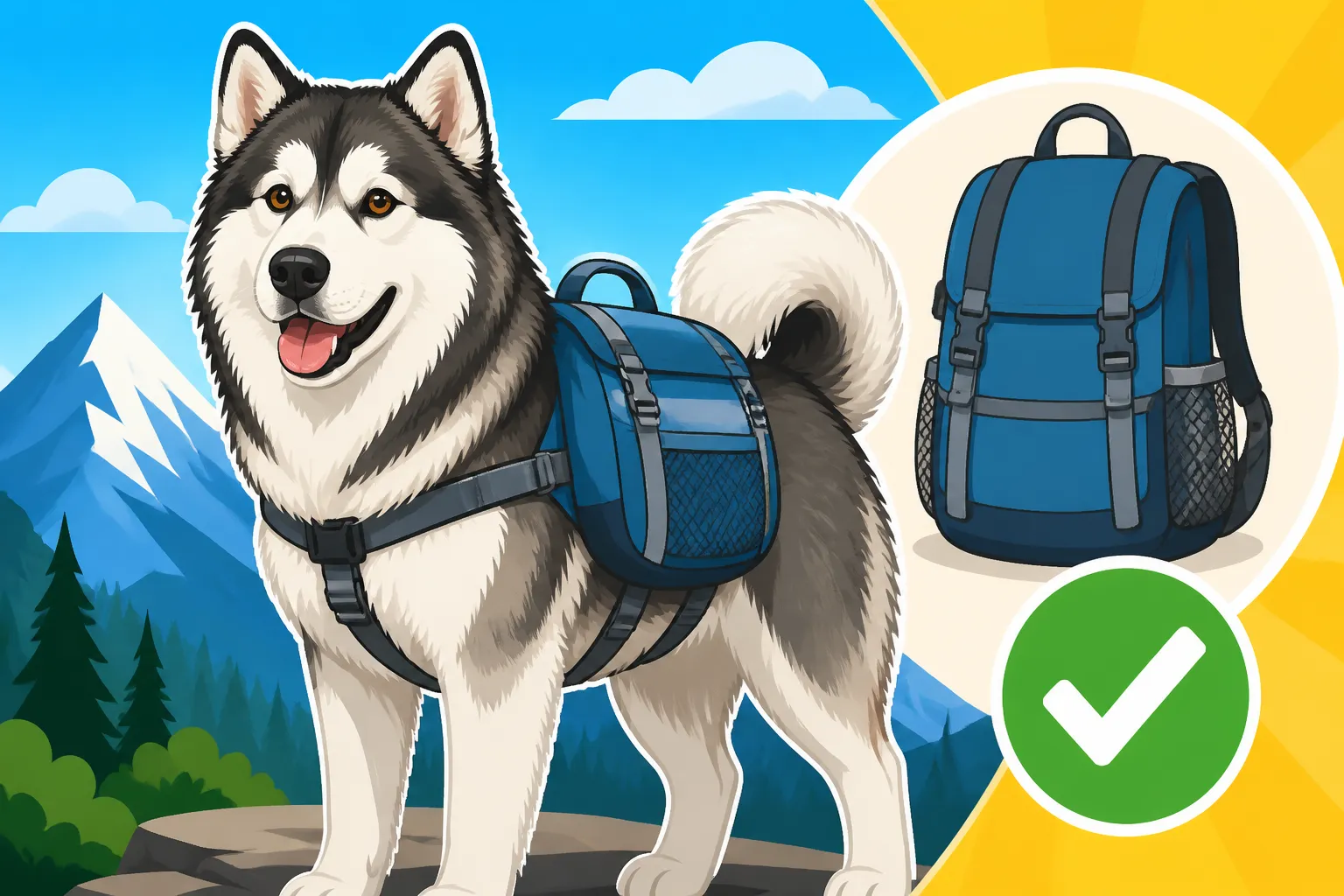
The importance of a well-fitting backpack cannot be overstated. A poorly fitting pack can cause chafing, restrict movement, or distribute weight unevenly, leading to discomfort, pain, and even injury. Look for packs specifically designed for dogs, with adjustable straps around the chest and belly to ensure a snug, yet not tight, fit. The pack should sit comfortably over their shoulders and back, without extending too far back over their hips or too far forward onto their neck.
Materials matter, too. Durable, breathable fabrics will help prevent overheating and stand up to the rigors of the trail. Consider packs with multiple attachment points for securing gear, and robust zippers or closures to prevent items from falling out. Many quality dog backpacks are available on platforms like Amazon, but regardless of where you purchase, focus on these key features. Reflective strips are also a smart addition for visibility during dawn or dusk walks.
Here's a quick guide to what to look for:
| Feature | Description | Benefit for Malamutes |
|---|---|---|
| Adjustable Straps | Multiple points for custom fitting around chest and girth. | Prevents chafing, ensures snug fit for varied body shapes. |
| Padded Contact Points | Soft padding where the pack touches the dog's skin. | Reduces rubbing, enhances comfort during long wear. |
| Balanced Saddlebags | Evenly distributed compartments on both sides. | Prevents shifting, maintains dog's balance, reduces strain. |
| Durable Material | Ripstop nylon or similar robust, weather-resistant fabric. | Withstands outdoor conditions, Malamute's strength, longevity. |
| Breathable Fabric | Allows air circulation, especially under the pack. | Helps prevent overheating, particularly in thick-coated breeds. |
| Reflective Trim | Integrated reflective elements for low-light conditions. | Increases visibility and safety during early morning/evening walks. |
| Strong D-Ring/Handle | Secure leash attachment point and a sturdy grab handle for assistance. | Offers control, aids in navigating obstacles or lifting. |
Gradual Introduction and Weight Progression
Once you have the right pack, the introduction phase is critical. Start by simply letting your Malamute sniff and investigate the empty pack. Place it on them for very short periods around the house, offering praise and treats to create a positive association. Think of it like any new piece of gear; you want them to see it as a good thing.
When they seem comfortable wearing the empty pack, start adding minimal weight. Water bottles, small bags of sand, or even dog treats are good options. The key is to distribute the weight evenly between the two saddlebags. An unbalanced pack will throw off their gait and can cause discomfort. Begin with just a pound or two, and only for short walks. Gradually increase both the weight and the duration of wear over several weeks or even months. Observe your Malamute closely for any signs of discomfort, such as an altered gait, reluctance to move, or trying to rub the pack off.
Remember, a Malamute puppy should never carry weight in a backpack until their growth plates have fully closed, which is typically around 18-24 months of age. Putting weight on developing joints can lead to serious long-term orthopedic issues. Even when they are mature, the amount of weight they can safely carry depends on their individual fitness level, muscle mass, and overall health. Don't rush it; slow and steady wins the race for canine health. While the internal link The Age a Malamute Can Start Pulling refers to pulling harnesses, the principle of waiting for physical maturity applies equally to carrying weight in a backpack.
Important Considerations for Malamute Backpacking
While backpacking can be a fantastic activity, it's not a one-size-fits-all solution. Several factors must be carefully considered to ensure it's a safe and enjoyable experience for your individual Malamute.
Health, Age, and Physical Condition
This is perhaps the most crucial consideration. As mentioned, young Malamutes with open growth plates are absolutely not candidates for carrying weight. Their skeletal system is still developing, and undue stress can cause irreversible damage. Similarly, senior Malamutes, especially those showing signs of arthritis or joint stiffness, should only wear a pack with explicit veterinary approval, and even then, likely with minimal or no weight. The Age an Alaskan Malamute Counts as a Senior provides more context on the aging process in Malamutes.
Even adult Malamutes should have a clean bill of health before regularly carrying weight. Conditions like Hip Dysplasia in an Alaskan Malamute or elbow dysplasia can be exacerbated by additional strain, turning a beneficial activity into a painful ordeal. A pre-backpacking vet check-up is highly recommended to assess their musculoskeletal health. Your veterinarian can advise on appropriate weight limits and activity levels based on your dog's unique physical condition. Listen to your vet – they are your Malamute's primary health advocate.
Weather, Terrain, and Hydration
Malamutes are built for cold climates, and they don't handle heat well. Backpacking, which involves physical exertion and additional insulation from the pack itself, increases their risk of overheating significantly. Summer Is the Season That Kills Alaskan Malamutes is not an exaggeration. Avoid backpacking in warm or humid weather altogether. Early mornings or late evenings in cooler seasons are generally best. Always be vigilant for Signs an Alaskan Malamute Is Overheating, such as excessive panting, lethargy, or stumbling.
The terrain also plays a huge role. Steep, rocky, or uneven trails increase the risk of slips, falls, and joint strain, especially with added weight. Stick to relatively flat, even trails, especially when first introducing the pack. Always carry plenty of water for both yourself and your Malamute, and offer frequent water breaks. While their ancestral diet might have included snow, clean, fresh water is essential for modern Mals. The pack itself is an excellent way to carry their water supply!
What to Carry and What to Avoid
The contents of the pack are as important as the pack itself. Think practical, non-essential items that can be easily replaced or wouldn't cause injury if the pack was somehow damaged.
Good items to carry:
- Water: This is a fantastic item for a Malamute to carry, as it adds distributed weight and ensures you both stay hydrated. Use sturdy bottles that won't leak.
- Collapsible bowl: Essential for water breaks.
- Dog-specific first-aid kit: Bandages, antiseptic wipes, paw protection, etc.
- Extra leash or long line: Always good to have on hand.
- Their own treats or kibble: For reward or an emergency snack.
- Waste bags: Keep the trails clean!
Items to avoid:
- Valuables: Your phone, wallet, keys – keep these on your person.
- Sharp or fragile objects: Anything that could injure your dog if the pack shifts or they fall, or that could break easily.
- Unevenly distributed items: Always ensure the weight in each saddlebag is as close to identical as possible. This maintains balance and prevents twisting or strain on their spine.
- Excessive weight: Never overload your Malamute. A general rule of thumb is that a healthy, conditioned dog can carry up to 10-12% of their body weight, but start much lower, like 5%, and only increase if your dog is thriving. How Much a Malamute Should Carry on a Hike is a critical read if you're considering this activity.
Common Misconceptions and Best Practices
Malamute owners are often a dedicated bunch, always looking for the best for their companions. However, with any activity, there can be misunderstandings or areas where we can all improve.
It's Not Just About Luggage – It's About Engagement
One of the biggest misconceptions about dog backpacks is that they are primarily for your convenience, a way for your dog to carry your stuff. While that's certainly a secondary benefit, for a Malamute, the primary purpose of a pack should be about providing mental and physical enrichment. It's not just a fancy saddlebag; it's a tool for engagement.
When your Malamute wears a pack, they are performing a job. This sense of purpose is what truly satisfies them. They're not just going for a walk; they're on a mission, contributing to the "team." This subtle shift in perception can make a world of difference in how your Malamute approaches the activity and how much they get out of it. It's about harnessing their natural instincts and giving them an outlet for their intelligence and strength. For a breed that thrives on having a role, the backpack is a fantastic, accessible way to incorporate meaningful work into their lives. What an Alaskan Malamute Needs Every Day includes mental stimulation as a crucial component of their well-being.
Monitoring and Adjusting for Your Individual Malamute
Every Malamute is an individual, with their own strengths, weaknesses, and preferences. What works perfectly for one might not be ideal for another. It's imperative that you constantly monitor your dog for signs of fatigue, discomfort, or injury when they are wearing a pack.
Watch their gait: are they moving freely, or are they stiff or awkward? Are they showing any reluctance to move forward? Are there any hot spots, rubs, or sores developing under the pack? Check their paw pads after walks, especially on rougher terrain, as they can get worn or cracked. Feet, Pads and Nails on an Alaskan Malamute That Pulls provides excellent advice on this. Pay attention to their breathing and overall demeanor. If they seem less enthusiastic, overly tired, or in pain, it's time to lighten the load, shorten the duration, or take a break from the pack altogether. Always be ready to remove the pack if necessary.
Building up their endurance and strength takes time and consistency. Just like with any athlete, proper conditioning is key. Start small, listen to your dog, and make adjustments as needed. A positive experience with a backpack can open up a whole new world of adventure for you and your magnificent Malamute, strengthening your bond and fulfilling their deep-seated need for purpose.
Disclaimer
This article is for general informational purposes only and does not constitute professional advice. Laws, prices and regulations vary by location and change over time. Consult a qualified professional for guidance on your specific situation.