Whether a Shaved Malamute Overheats Faster
It's a common, understandable frustration when summer hits, and your beautiful, fluffy Alaskan Malamute looks like a giant fur-ball of misery. You see them panting heavily, stretching out on the cool tile, and the immediate thought often jumps to: "If I just shaved all that fur off, surely they'd be cooler, right?" It seems logical, a quick fix to alleviate their discomfort. However, for a Malamute, shaving their iconic double coat actually strips away their natural defense against the heat, often leading to them overheating faster and exposing them to a host of other problems. This guide will walk you through why shaving your Malamute is counterproductive and what effective, safe alternatives you can employ to keep them comfortable when the temperatures rise.
The Malamute's Incredible Double Coat: A Natural Insulator
The Alaskan Malamute's coat isn't just for looks; it's a marvel of natural engineering, meticulously designed over centuries to protect them in extreme environments. Thinking of it as just "fur" is like calling a high-performance winter jacket just "cloth." It serves a critical, multifaceted purpose, and understanding its structure is key to appreciating why shaving it is such a detrimental idea.
How the Double Coat Works for Temperature Regulation
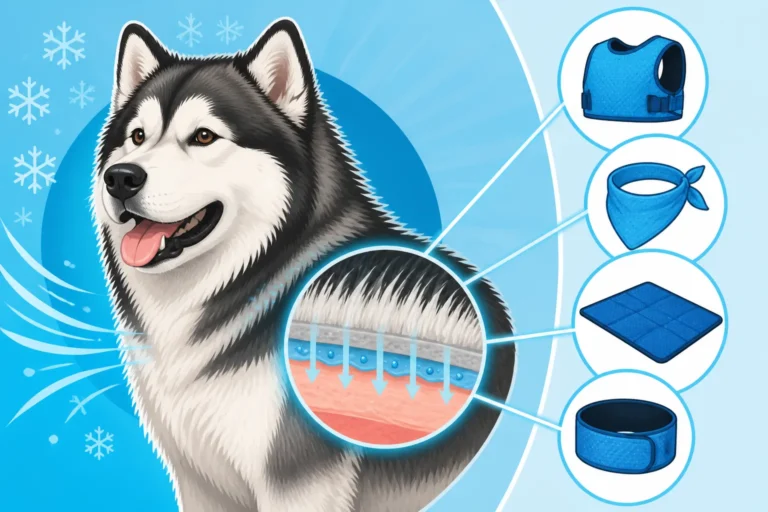
A Malamute's coat consists of two distinct layers, each with its own vital role. First, you have the outer guard hairs. These are tough, coarse, and longer, acting like a protective shield. They are designed to shed water, repel dirt, and block harmful UV rays from reaching the skin. Think of them as the roof tiles on a house. Beneath this lies the dense, woolly undercoat – the real powerhouse of insulation. This softer, shorter layer is incredibly thick and traps a layer of air close to the Malamute's body.
Now, here's where the magic happens and where the misunderstanding often arises: this trapped air isn't just for keeping warm. In winter, it prevents body heat from escaping, keeping the Malamute cozy even in sub-zero temperatures. But in summer, this very same principle works in reverse! The trapped air creates a barrier against the external heat. It keeps the cooler air generated by the Malamute's body in and prevents the scorching hot air outside from readily penetrating to the skin. It acts like a thermos, maintaining a stable temperature, whether that's keeping soup hot or iced tea cold. This natural airflow and insulation are vital, far more effective than an exposed skin surface.
Dispelling the Myth: Why Shaving Doesn't Cool Them
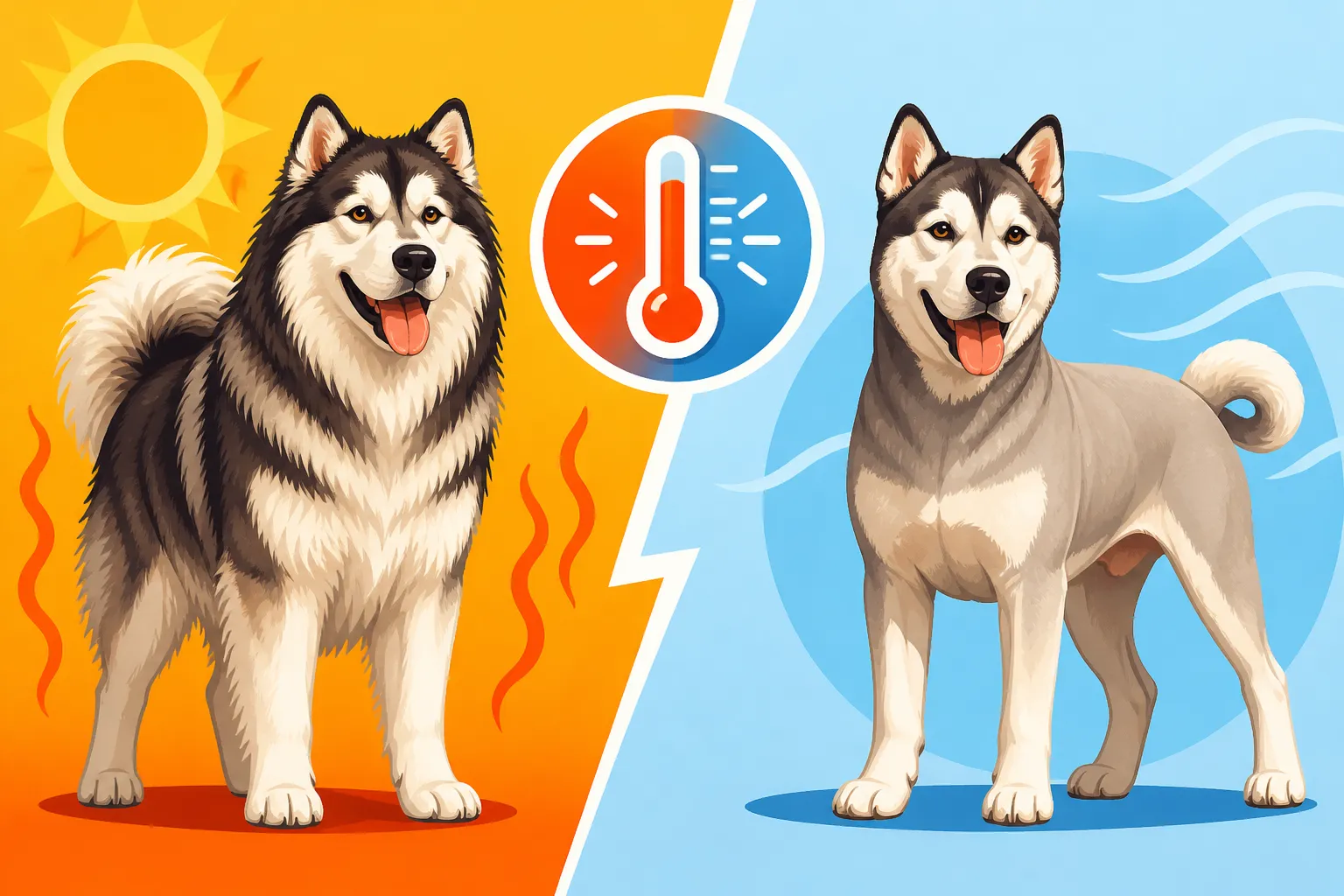
The idea that shaving a Malamute will cool them down faster is one of the most persistent myths out there, and it's heartbreaking to see how many well-meaning owners fall for it. The truth is, when you shave off that protective double coat, you remove both layers of insulation and expose their delicate skin directly to the elements. Without the guard hairs, there's no natural barrier against the sun's harsh UV rays, immediately increasing the risk of sunburn and even skin cancer. This is a painful and dangerous situation, much like us walking around without sunscreen in the blazing sun.
Furthermore, by removing the undercoat, you've eliminated the air-trapping mechanism that helps regulate their body temperature. Instead of a carefully controlled microclimate close to their skin, their skin is now directly bombarded by ambient heat. This means they actually absorb more heat from their surroundings, not less. Their body has to work harder to try and cool itself down through panting, making them more susceptible to overheating, not less. The coat isn't a sweater that needs to be taken off; it's a complex, multi-functional climate control system that should be left intact. You wouldn't rip out the insulation from your house in summer to make it cooler, would you? It's the same principle.
The Risks of Shaving an Alaskan Malamute
Beyond the fundamental misunderstanding of how their coat works, the act of shaving a Malamute carries a number of serious, often long-lasting, risks to their health and the integrity of their coat. These aren't just minor inconveniences; they can lead to chronic discomfort and costly veterinary visits.
Sunburn and Skin Damage
Imagine spending a full day at the beach without any sunscreen, then multiply that by your Malamute's large surface area and their lack of melanin production in their skin compared to ours. When you shave off their natural coat, you leave their skin completely vulnerable to the sun's powerful ultraviolet (UV) rays. Just like humans, dogs can get severe sunburns, which are incredibly painful and can lead to blistering, peeling, and increased sensitivity.
More alarmingly, chronic exposure to UV radiation can significantly increase your Malamute's risk of developing skin cancer, including squamous cell carcinoma and melanoma. These conditions are not only aggressive but can be difficult and expensive to treat. Even without cancer, the exposed skin can become dry, flaky, and irritated, leading to discomfort and potentially secondary skin infections if the dog scratches excessively, breaking the skin barrier. A healthy, intact coat provides essential protection against these environmental hazards, a shield that should not be removed.
Impaired Coat Regrowth and "Coat Funk"
One of the most frustrating and common consequences of shaving a double-coated breed like a Malamute is the potential for permanent coat damage, often referred to as "clipper alopecia" or "coat funk." It sounds funny, but it's no laughing matter. When the coat is shaved, especially down to the skin, the delicate hair follicles can be shocked or damaged. The undercoat often grows back much faster and thicker than the coarser guard hairs. This results in an unbalanced, "woolly" coat that lacks the protective qualities of the original.
This new, improperly grown coat can be a nightmare for owners and incredibly uncomfortable for the dog. It tends to mat much more easily, making grooming a constant battle. Worse still, this woolly texture actually traps heat and moisture close to the skin, creating a perfect breeding ground for skin infections and making the dog more prone to overheating, not less. It can take months, sometimes even years, for the coat to potentially return to its natural state, and in some cases, it never fully recovers, leaving patches of thin, damaged hair. This is why you will hear experienced owners strongly advocate never shaving a Malamute (Why an Alaskan Malamute Must Never Be Shaved).
Increased Susceptibility to Heatstroke
This is the ultimate irony: the very reason many people shave their Malamute is to prevent overheating, but the act of shaving dramatically increases the risk of heatstroke. As we discussed, the double coat provides an essential insulating layer that regulates body temperature. When this natural protection is gone, your Malamute's body struggles far more to cope with high ambient temperatures.
Their exposed skin rapidly absorbs heat from the sun and the surrounding environment, and without the air pockets in the undercoat to create a barrier, heat transfer to their body is accelerated. This forces their internal cooling mechanisms, primarily panting, into overdrive. If they can't dissipate heat fast enough, their core body temperature rises to dangerous levels, leading to heatstroke. This is a life-threatening emergency that can cause organ damage, brain injury, and even death. It’s far more effective to understand Summer Is the Season That Kills Alaskan Malamutes and take preventative measures that work with their natural physiology, rather than against it.
Effective Ways to Keep Your Malamute Cool (Without Shaving)
So, if shaving is out, what can you do to help your magnificent Malamute beat the heat? Plenty! The key is to work with their natural adaptations and provide them with intelligent, effective cooling strategies that don't compromise their health or their incredible coat.
Strategic Exercise and Timing
When the mercury climbs, your Malamute's exercise routine needs a serious overhaul. Instead of completely stopping their activity, which isn't good for such an energetic breed, you need to adjust when and how they get their mental and physical stimulation. The absolute rule of thumb is to avoid the hottest parts of the day. This usually means scheduling walks, playtime, or any vigorous activity for the very early morning hours, often before the sun fully rises, and again late in the evening after the sun has set and the pavement has cooled down.
During these cooler times, keep an eye on their energy levels and panting. A short, brisk walk might be all they can handle. On truly scorching days, skip the walk entirely and opt for indoor mental enrichment like puzzle toys, training sessions in an air-conditioned space, or a brief dip in a shallow pool. Remember that asphalt and concrete can get incredibly hot, easily burning their paw pads. Test the pavement with the back of your hand; if it's too hot for your hand, it's too hot for their paws. Understanding The Temperature at Which a Malamute Should Stay Indoors is crucial for their safety.
Providing Ample Hydration and Cooling Stations
Hydration is paramount for a Malamute in warm weather. Always ensure they have access to fresh, cool water, both inside and out. Consider having multiple water bowls around the house and yard, and refresh them frequently. Adding ice cubes to their water can encourage them to drink more and also provide a little internal cooling. For extended outdoor time, a portable water bottle and bowl are essential companions.
Beyond drinking, providing external cooling options can make a huge difference. A kiddie pool filled with a few inches of water in a shaded spot can be a Malamute's personal oasis – many love to lie in the cool water to dissipate heat from their bellies and paw pads. Sprinklers or misters can also offer a refreshing break. Cooling mats, which contain a gel that activates with pressure, can be a fantastic indoor option for them to relax on. You can find excellent options for these on sites like Chewy or Amazon. Frozen treats, like Kongs stuffed with peanut butter or plain yogurt and frozen, can also be a delightful way to cool down from the inside out. For a detailed look at warning signs, refer to Signs an Alaskan Malamute Is Too Hot.
Grooming for Airflow (Not Stripping)
Proper grooming is your Malamute's best friend in warm weather, far more effective and safer than shaving. The goal is to remove the loose, dead undercoat that can become matted and prevent proper air circulation, while leaving the protective guard hairs intact. This process is often called "deshedding" or "blowing coat," and it can be quite an undertaking for a Malamute.
Regular, thorough brushing, especially during their seasonal The Malamute Coat Blow That Fills a Vacuum in an Afternoon, is essential. Tools like an undercoat rake or a deshedding tool can help you get deep into the coat to pull out all that insulating fuzz. You'll be amazed at How Much Undercoat Comes Off an Alaskan Malamute during these times! A force dryer can also be incredibly effective, not just for drying after a bath but for literally "blowing out" vast amounts of loose undercoat, creating vital air channels. This can be a game-changer for airflow and comfort. Always remember, you want to remove the dead undercoat, not cut or shave the living coat. If you’re not confident, a professional groomer experienced with double-coated breeds can be invaluable. For excellent grooming tools, check out stores like Chewy or Amazon.
| Cooling Method | Shaving Coat | Proper Grooming (Deshedding) |
|---|---|---|
| Primary Effect | Removes both insulating layers | Removes dead undercoat, retains guard hairs |
| Temperature Regulation | Impairs natural insulation, increases heat absorption | Enhances natural insulation and airflow |
| Sun Protection | Eliminates, high risk of sunburn | Retains, protects against UV rays |
| Coat Health | Risk of clipper alopecia, improper regrowth | Maintains coat integrity and health |
| Skin Health | Risk of irritation, infections, cancer | Promotes healthy skin and circulation |
| Long-Term Effectiveness | Counterproductive, can lead to chronic issues | Sustainable, supports natural cooling |
Creating a Cool Indoor Environment
Your Malamute will likely spend a lot of time indoors during hot weather, so making that environment as cool and comfortable as possible is crucial. Air conditioning is a lifesaver, ensuring the indoor temperature remains consistently cool. If central air isn't an option, consider window units in rooms where your Malamute spends the most time. Fans can also help circulate air, especially if placed strategically to create a cross-breeze or pointed towards their favorite resting spots. Just be mindful that fans primarily cool by evaporation from their skin, which is less effective for a double-coated dog than direct air conditioning.
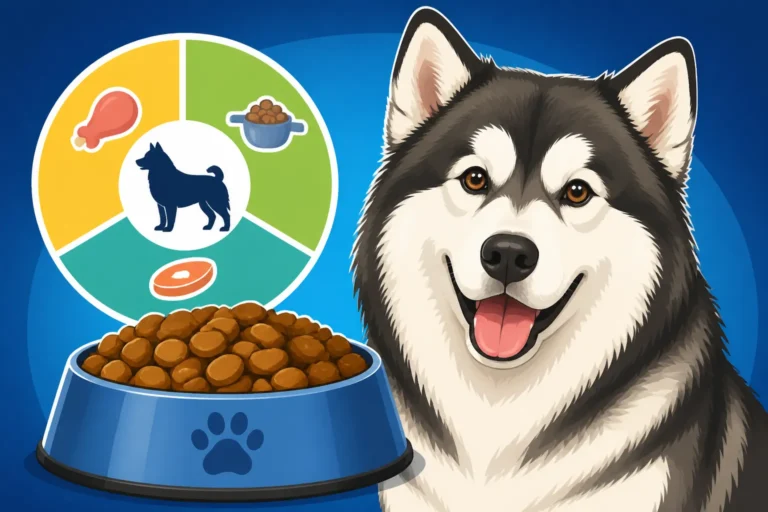
Keep blinds and curtains closed during the day to block direct sunlight, which can significantly heat up a room. Tiled or hardwood floors are often preferred by Malamutes over carpet, as they offer a cooler surface to lie on. Some owners even dedicate a "cool room" or basement area where their Malamute can retreat during the peak heat of the day. Ensuring a consistent cool space is vital to prevent overheating, especially when you can't be there to monitor them constantly. A healthy diet, perhaps with a high-quality food like Ollie, can also contribute to overall skin and coat health, making them more resilient to environmental stressors, though it won't directly replace active cooling measures.
Disclaimer
This article is for general informational purposes only and does not constitute professional advice. Laws, prices and regulations vary by location and change over time. Consult a qualified professional for guidance on your specific situation.