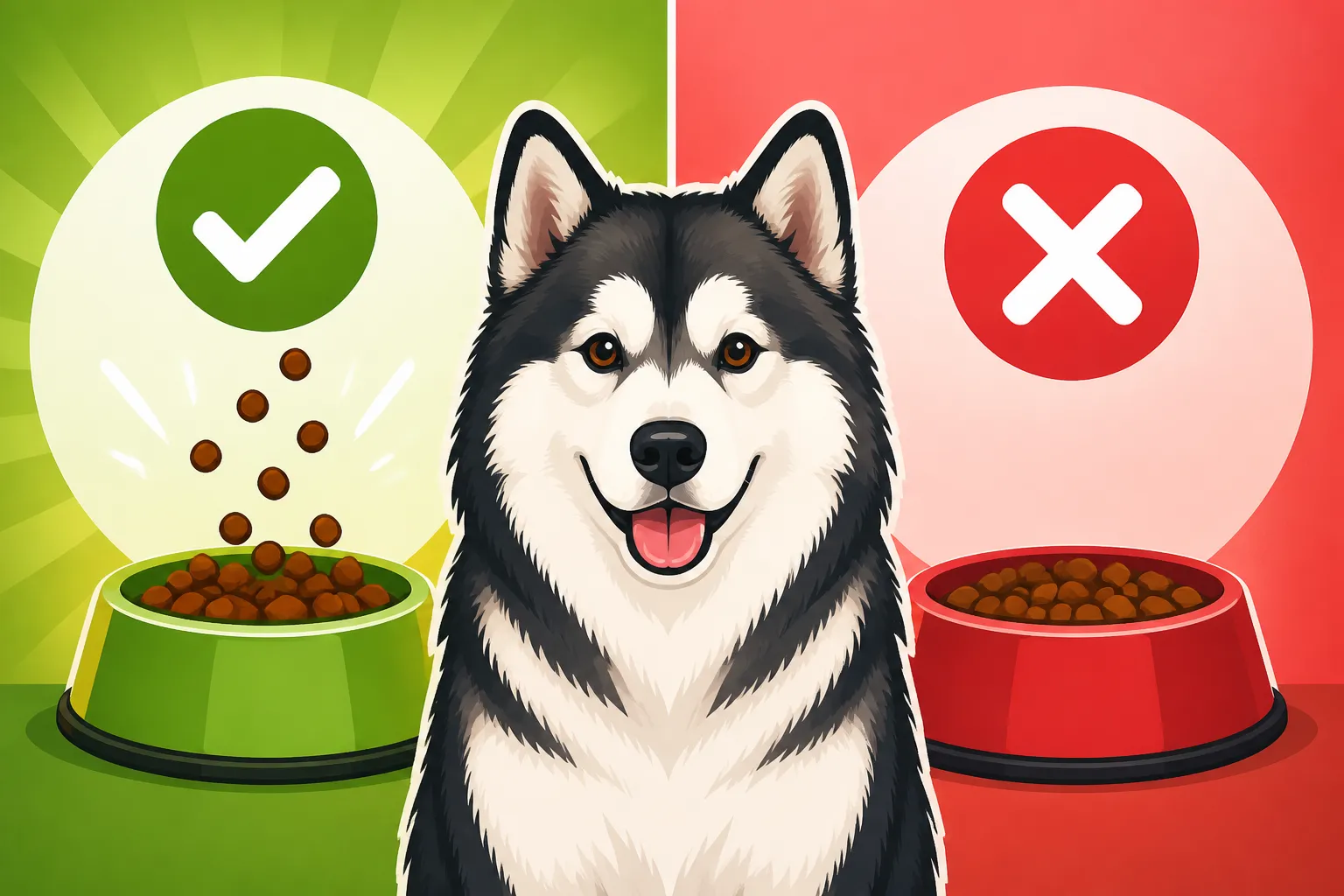
Whether an Alaskan Malamute Can Free Feed
Many Alaskan Malamute owners, seeking convenience or believing their dog will self-regulate, might wonder if leaving food out all day is a viable option. However, for a breed as unique and as powerful as the Malamute, free-feeding can unfortunately pave the way for a whole host of unexpected challenges, from serious health concerns to behavioral quirks that make daily life more difficult. This guide will delve into why this approach often isn't the best fit for our beloved northern dogs and explore much more effective, Malamute-friendly feeding strategies.
Understanding the Concept of Free Feeding
When we talk about free feeding, we're simply referring to the practice of leaving a full bowl of food, typically dry kibble, accessible to your dog at all times. The idea is that the dog will eat whenever they feel hungry, stopping when they're full, rather than having specific meal times. It's an approach that appeals to busy owners, or those with multiple dogs, as it seems to reduce the daily chore of portioning and supervision.
The Appeal of Perpetual Kibble Access
For many pet owners, the lure of free feeding is strong. It feels like a way to offer a consistent, always-available source of nourishment without the rigidity of a schedule. Life is hectic, and the thought of not having to rush home to feed a hungry dog, or juggling multiple feeding times for different household members, can be incredibly attractive. It's often seen as a less stressful option, both for the human and, presumably, for the dog who can choose to graze at leisure.
Some also believe it caters to a dog's natural instincts, allowing them to eat as their wild ancestors might have – opportunistically. If you've got a busy schedule, or perhaps a dog that seems to pick at their food rather than devouring it in one go, free feeding might seem like the perfect solution to ensure they're always getting enough to eat without you having to be present.
Why It's a Mismatch for Most Malamutes
Despite its apparent convenience, free feeding is rarely a good fit for an Alaskan Malamute. These dogs, with their ancient lineage and a history rooted in survival in harsh environments, are simply not built for continuous, unlimited access to food. Their metabolism is incredibly efficient, adapted to periods of scarcity and intense work, not constant caloric intake. The Efficient Metabolism That Surprises Every New Malamute Owner touches on just how different their bodies are.
Moreover, Malamutes are generally not grazers. They are often highly food-motivated and, given the opportunity, many will eat until they are uncomfortably full, or even beyond. This isn't a sign of poor self-control, but rather a reflection of their genetic programming where food was a precious, often scarce, resource to be consumed when available. This instinct, combined with modern, calorie-dense kibble, creates a recipe for disaster in the form of rapid weight gain and associated health problems.
The Health Risks of Free Feeding Your Alaskan Malamute
For an Alaskan Malamute, free feeding isn't just a matter of convenience; it poses several significant health risks that can impact their lifespan and quality of life. Understanding these risks is crucial for making informed decisions about your dog's diet.
Uncontrolled Weight Gain and Obesity
This is perhaps the most immediate and visible danger of free feeding a Malamute. These dogs are robust and powerful, but they are not meant to carry excess weight. Left with an endless supply of food, many Malamutes will simply overeat. Their natural instinct is to consume calories when available, storing them for future energy needs, a holdover from their working dog heritage where food could be unpredictable.
An overweight Malamute is at a higher risk for a cascade of health issues. Joint problems like Hip Dysplasia in an Alaskan Malamute can be exacerbated, leading to pain, reduced mobility, and earlier onset of arthritis. Their cardiovascular system is put under strain, and they become more susceptible to conditions like diabetes. It also impacts their ability to cool themselves, making them even more vulnerable to heat-related illnesses in warmer climates. Regularly assessing your Malamute's body condition and How to Spot a Heavy Malamute Under Its Coat is vital, and it's nearly impossible to do effectively if they're constantly nibbling.
Increased Risk of Bloat (GDV)
Gastric Dilatation-Volvulus, commonly known as bloat, is a life-threatening condition where the stomach fills with gas and twists. Large, deep-chested breeds like the Alaskan Malamute are particularly susceptible. While the exact causes are complex, eating large meals rapidly and exercising too soon after eating are known risk factors.
With free feeding, a Malamute might go long periods without eating, then suddenly gorge themselves, especially if another dog approaches the bowl or a period of activity is followed by a sudden urge for food. This quick, large intake of food and air can increase the risk of bloat. Bloat in an Alaskan Malamute is a terrifying emergency, and anything we can do to mitigate the risk, such as scheduled, smaller meals, is a responsible choice for these dogs. Controlling when and how much your Malamute eats is a powerful preventative measure against this deadly condition.
Difficulty Monitoring Food Intake
One of the less obvious but equally problematic aspects of free feeding is the inability to accurately monitor your Malamute's appetite. A sudden disinterest in food is often the first, most subtle sign that something is amiss with a dog's health. If there's always food in the bowl, you might not notice for hours, or even a full day, that your dog hasn't touched it.
By the time you realize they haven't eaten, an underlying illness could have progressed significantly. Scheduled feeding allows you to observe their enthusiasm for food at each meal, note any changes immediately, and address potential health issues with your veterinarian much sooner. This quick detection can make a critical difference in the outcome of many medical conditions, especially as they get older and Signs an Alaskan Malamute Is Getting Old start to appear.
Behavioral Challenges Associated with Free Feeding
Beyond the physical health risks, free feeding can also contribute to a range of behavioral issues, which can be particularly pronounced in a strong-willed, pack-oriented breed like the Alaskan Malamute.
Resource Guarding and Multi-Dog Household Dynamics
Malamutes, by nature of their working history and pack dynamics, can be prone to resource guarding. Food, being a high-value resource, is a prime target for this behavior. In a free-feeding setup, especially in a multi-dog household, the constant presence of food can escalate tensions. One dog might decide the food bowl (or the entire feeding area) is "theirs," leading to growling, snapping, or even fights if another dog approaches.
Even if you have only one Malamute, they might begin to guard the food bowl from family members, including children. This isn't just inconvenient; it can be dangerous. Scheduled meals, where each dog has their own space and finishes their food within a set time, drastically reduce the opportunity for resource guarding around food. It establishes clear boundaries and reduces competition, fostering a more peaceful environment.
House Training and Routine Disruption
Consistency is key when it comes to house training, and free feeding often throws that consistency right out the window. If your Malamute is eating whenever they please, their bowel movements become far more unpredictable. This makes it incredibly difficult to establish a regular potty schedule, leading to more accidents in the house, particularly with puppies or newly rehomed adults.
Scheduled meals, on the other hand, allow you to predict when your Malamute will need to relieve themselves. Typically, within 20-30 minutes of eating, a puppy or even an adult dog will need to go outside. This predictability is invaluable for successful house training and maintaining a clean home. It also helps to instill a general sense of routine, which many Malamutes thrive on, providing structure and reducing anxiety. What an Alaskan Malamute Needs Every Day includes predictable schedules as a cornerstone of good care.
Lack of Training Motivation
Food is a powerful motivator for many dogs, and Malamutes are no exception. Whether you're teaching basic obedience, working on advanced commands, or simply reinforcing good behavior, small, high-value food rewards can be incredibly effective. However, if your Malamute has constant access to food, those training treats lose much of their appeal. Why work for a tiny piece of kibble when a whole bowl is available whenever they want it?
This can make training more challenging, as your Malamute might be less engaged or responsive. While praise and toys are also important motivators, food often provides that initial drive, especially for complex tasks. By controlling meal times and portions, you can leverage their natural food drive for positive reinforcement, making training sessions more productive and enjoyable for both of you. Whether Food Motivates an Alaskan Malamute often depends on how it's managed!
Malamute Metabolism: Why Controlled Portions are Key
The Alaskan Malamute's metabolism is a finely tuned machine, honed over centuries of working in extreme conditions. Understanding this unique physiology is central to appreciating why scheduled, portion-controlled feeding is not just beneficial, but often essential.
An Engine Built for Efficiency
Malamutes were bred to survive and thrive on relatively sparse rations while performing demanding tasks like freighting heavy loads across vast, frozen landscapes. Their bodies are incredibly efficient at extracting nutrients from food and conserving energy. This means they often require fewer calories per pound of body weight than many other breeds of comparable size, especially if they are not actively engaged in strenuous work.
If you free-feed a Malamute, their efficient metabolism, combined with their inherent drive to eat when food is available, creates a perfect storm for weight gain. Their bodies are essentially programmed to make the most of every calorie, storing any excess as fat. This biological predisposition means that "grazing" simply doesn't compute for many Malamutes; they're more likely to "gorge" than to "graze," quickly exceeding their caloric needs. It's a testament to their survival instincts, but one that needs careful management in a modern home environment.
Preventing Undereating or Overeating
Scheduled feeding with specific portions ensures that your Malamute receives the right amount of food to maintain a healthy weight without becoming overweight or, conversely, missing out on necessary nutrients. How Much an Adult Alaskan Malamute Should Eat isn't a fixed number; it varies based on age, activity level, and individual metabolism. By measuring out meals, you can precisely adjust their intake as their needs change.
For example, a Malamute training for weight pull in the winter will need a different caloric intake than a senior Malamute enjoying retirement on the couch. With scheduled meals, you can easily tweak the portions or switch to a different formula, perhaps a performance food or a senior blend. This control is virtually impossible with free feeding, where you're guessing how much they've actually consumed over a 24-hour period. It’s also important to remember that some Malamutes, particularly when The Age Polyneuropathy Appears in a Malamute or other illnesses strike, might stop eating. If you free feed, you might not notice.
Effective Alternatives to Free Feeding for Your Malamute
So, if free feeding isn't the way to go, what are the best practices for feeding your Alaskan Malamute? The answer lies in structured, portion-controlled meals that cater to their unique needs and promote both physical and behavioral health.
Scheduled Meal Times with Measured Portions
The gold standard for feeding an Alaskan Malamute is scheduled meals, typically two or three times a day, with carefully measured portions. This approach gives you complete control over their caloric intake, helps prevent overeating, and allows you to monitor their appetite. Most adult Malamutes do well on two meals a day, usually morning and evening. Younger puppies, on the other hand, may need three meals a day as their stomachs are smaller and they're growing rapidly.
Using a precise measuring cup or even a kitchen scale for accuracy is highly recommended. The amount will depend on your dog's age, activity level, and the caloric density of their food. Always refer to the guidelines on your dog food bag as a starting point, but be prepared to adjust based on your Malamute's body condition. If you notice them getting a little too round, as described in Taking Weight Off a Malamute That Is Not Working, it's time to slightly reduce their portion, or increase their activity.
Using Slow Feeder Bowls and Puzzle Toys
Even with scheduled meals, some Malamutes will still try to devour their food at lightning speed. This rapid eating can lead to indigestion, gas, and, as discussed, increase the risk of bloat. This is where slow feeder bowls and puzzle toys become invaluable tools. A slow feeder bowl has ridges or obstacles that force your dog to eat around them, effectively slowing down their intake. You can find a wide variety of these bowls, as well as engaging puzzle toys that dispense kibble slowly, on online retailers like Amazon or Chewy.
These tools don't just slow them down; they also provide mental enrichment. Malamutes are intelligent dogs that thrive on having "jobs" to do. Making them work a little for their food engages their brains and can reduce boredom-related behaviors. Imagine your Malamute figuring out how to roll a treat-dispensing ball to get their meal – it's far more stimulating than simply inhaling a bowl of food.
Incorporating Meal Time into Training and Enrichment
Mealtime doesn't have to be just about eating; it can be a valuable part of your Malamute's daily training and enrichment routine. Instead of just placing the bowl down, you can ask your Malamute to perform a command, like "sit" or "stay," before they get their food. This reinforces good manners and reminds them that you are the provider of resources.
You can also use a portion of their daily kibble for short training sessions throughout the day. This keeps them motivated and engaged. Some owners even scatter a meal in the yard (weather permitting) to encourage sniffing and foraging behaviors, which are naturally enriching for dogs. For variety and to ensure you're providing a complete and balanced diet, you might explore reputable fresh food brands like Ollie, which can also be portioned and offered in scheduled meals. This thoughtful approach transforms mealtime from a simple act into an opportunity for connection, learning, and mental stimulation.
Considerations for Specific Malamute Life Stages
The "best" way to feed an Alaskan Malamute isn't a one-size-fits-all answer; it evolves as they move through different life stages. What works for a bustling puppy might not be ideal for a calm senior.
Feeding Malamute Puppies
Malamute puppies grow quickly, but not too quickly. It's often recommended that large breed puppies grow at a moderate pace to prevent issues with bone and joint development. Free feeding a Malamute puppy is particularly risky as it can lead to rapid, uncontrolled growth and excess weight, putting undue stress on their developing joints.
Instead, puppies generally need three smaller, scheduled meals a day. This ensures they're getting consistent nutrition without overloading their digestive system or consuming too many calories at once. Monitor their growth and body condition closely. They should have a waist and you should be able to feel their ribs without seeing them prominently. As they mature, typically around 6-12 months, you can gradually transition them to two meals a day. Always consult with your veterinarian for specific feeding recommendations for your growing Malamute.
Adult and Working Malamutes
For most adult Alaskan Malamutes, two scheduled meals a day is ideal. These meals should be appropriately portioned based on their activity level. A Malamute who is an active family companion, enjoying daily walks and weekend hikes, will have different caloric needs than one who is regularly participating in demanding activities like weight pull or sledding. Feeding a Working Malamute Against a Pet One highlights these differences.
Working Malamutes, especially those engaged in strenuous activities, will require a higher calorie, higher fat diet during their working season. Even then, free feeding is generally not recommended. Instead, their portions should be increased and perhaps divided into three meals on high-exertion days, ensuring they get the energy they need without the risks of bloat from gorging. Consistency in feeding times also helps regulate their digestive system and energy levels, which is vital for performance and recovery.
Senior Malamutes
As Malamutes enter their golden years, typically around The Age an Alaskan Malamute Counts as a Senior, their metabolic rate often slows down, and their activity levels may decrease. This means their caloric needs will likely reduce, making portion control even more critical to prevent weight gain, which can exacerbate existing conditions like arthritis.
Senior Malamutes might also have dental issues, making hard kibble uncomfortable, or may develop pickier appetites. Scheduled meals allow you to address these changes. You might switch to a senior-specific formula, which often has different nutrient profiles, or soften kibble with warm water. Monitoring their intake allows you to quickly spot any changes in appetite that could signal underlying health issues. Caring for an Alaskan Malamute Past Eight often involves these thoughtful dietary adjustments.
| Feature | Free Feeding (Not Recommended for Malamutes) | Scheduled Feeding (Recommended) |
|---|---|---|
| Convenience | High for owner | Moderate, requires owner presence |
| Weight Control | Difficult, high risk of obesity | Easy, promotes healthy weight |
| Bloat Risk | Increased (due to potential gorging) | Decreased (controlled meal size and pace) |
| Appetite Monitoring | Difficult, health issues may go unnoticed | Easy, quick detection of appetite changes |
| Resource Guarding | High potential in multi-dog homes | Low potential, managed through separate feeding spaces |
| House Training | Difficult, unpredictable potty schedule | Easy, predictable potty schedule |
| Training Motivation | Low, food loses value as reward | High, food used effectively for positive reinforcement |
| Mental Enrichment | Low (no challenge to eat) | High (can use puzzle feeders, training) |
| Digestive Health | Can lead to indigestion, overeating | Promotes regular digestion, controlled intake |
Conclusion
While the idea of free feeding might seem like a simple solution for a busy household, it truly isn't the best choice for an Alaskan Malamute. Their history as efficient, robust working dogs means their bodies and instincts are ill-suited to constant food availability. From the pervasive risk of obesity and the terrifying specter of bloat to the behavioral challenges of resource guarding and disrupting training, the downsides far outweigh any perceived convenience. By embracing scheduled, portion-controlled meals, ideally presented with slow feeder bowls or puzzle toys, you not only safeguard your Malamute's physical health but also enhance their mental well-being and strengthen the bond you share. It’s an investment in their long, healthy, and happy life.
Disclaimer
This article is for general informational purposes only and does not constitute professional advice. Laws, prices and regulations vary by location and change over time. Consult a qualified professional for guidance on your specific situation.