Which Shampoo Suits a Malamute’s Zinc Prone Skin
It's incredibly frustrating when your majestic Alaskan Malamute starts developing skin issues, especially those crusty, flaky patches that just don't seem to go away. You try different foods, you wonder about supplements, and then you start looking at what you're actually washing them with. For Malamutes with zinc-prone skin or a history of zinc-responsive dermatosis, finding the right shampoo isn't just about making them smell nice; it's a critical part of managing their skin health and comfort. This guide will walk you through understanding why their skin might be so sensitive, what ingredients to actively seek out (and avoid), and how to best bathe your Malamute to support their skin barrier.
Understanding Zinc-Responsive Dermatosis in Malamutes
First, let's talk about what's actually happening when a Malamute has "zinc-prone" skin. It's not just a fancy term; it points to a very real, often genetically influenced condition called zinc-responsive dermatosis. Our big, beautiful Malamutes are predisposed to this. Their bodies sometimes struggle to absorb and utilize zinc from their diet, even if they're eating high-quality food that should contain enough of it. Think of it like this: your Malamute could be eating a perfectly balanced meal, but their internal system isn't quite getting the memo to absorb that crucial zinc. This isn't your fault, nor is it necessarily a reflection on their diet alone, though diet plays a huge role.
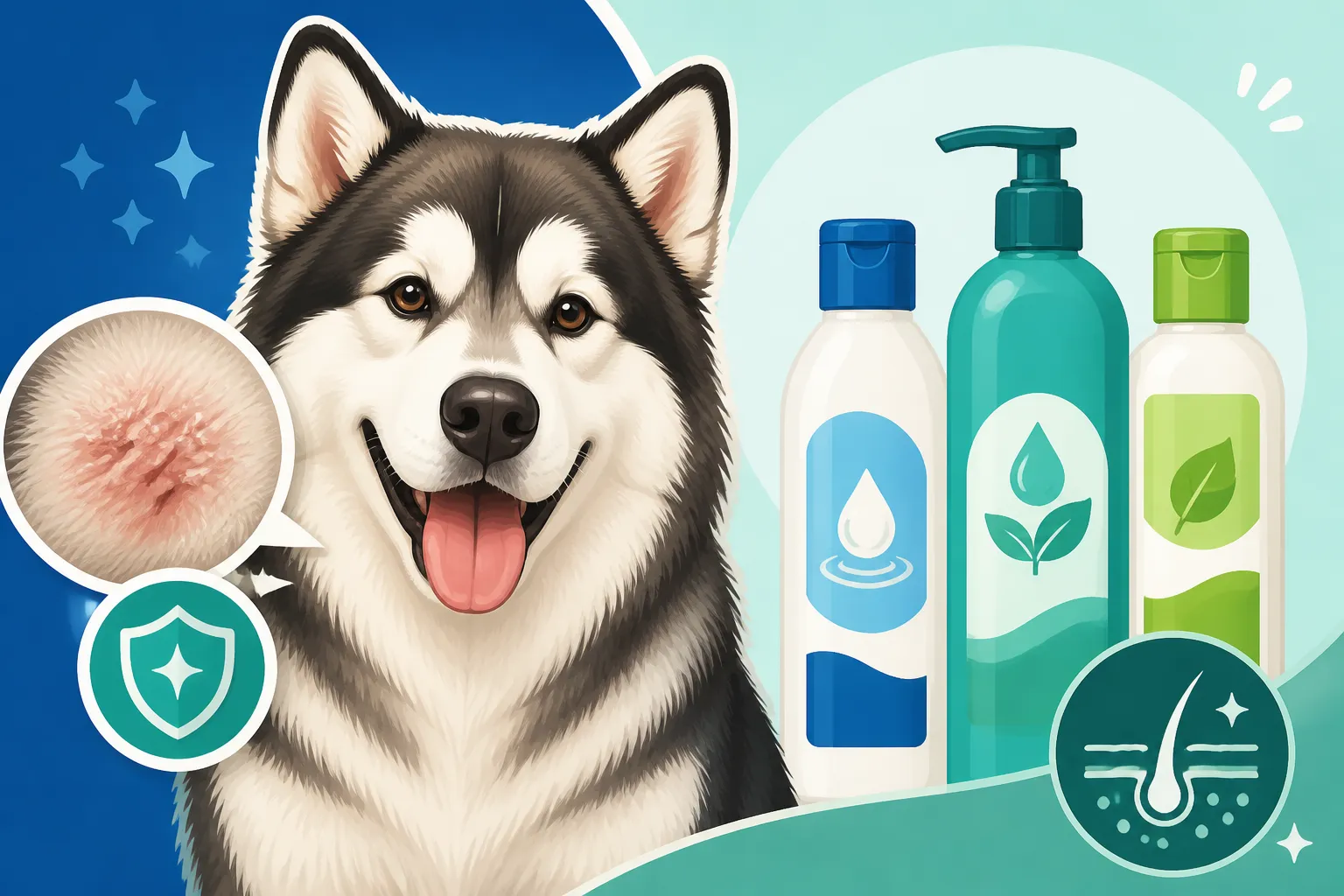
This malabsorption can manifest on the skin, often around the eyes, mouth, chin, ears, and pressure points like elbows and hocks. You might see thickening, redness, scaling, and crusting. It can look inflamed, feel rough, and be incredibly itchy for your dog. Imagine having persistently dry, irritated skin that you can't stop scratching, and then add a thick double coat on top. It's a miserable experience for them, and heartbreaking for us to witness. Beyond the physical discomfort, these compromised skin barriers are also more susceptible to secondary bacterial or yeast infections, turning a primary zinc issue into a much more complex and uncomfortable problem. It's a cascade effect, where one issue quickly leads to others, making their skin feel even worse. This is why addressing the skin topically, in conjunction with any dietary or supplemental changes your vet recommends, is so important. Often, owners wonder if a Malamute's crusty skin means zinc deficiency, and while it's a strong indicator, a vet will confirm. You might also notice Whether a Malamute's Muzzle Crusts First or Whether a Malamute Loses Hair Around Its Eyes.
Key Ingredients to Look for in Malamute Shampoo
When you're dealing with a Malamute that has zinc-prone or sensitive skin, the shampoo you choose can either be a soothing balm or an irritant that makes everything worse. It's about finding products that support the skin barrier, provide moisture, and don't strip away natural oils. Here's a breakdown of what to prioritize:
Soothing and Moisturizing Components
These are your Malamute's best friends. Ingredients like colloidal oatmeal, aloe vera, and essential fatty acids (like omega-3 and omega-6) are fantastic for calming irritated skin and replenishing moisture. Colloidal oatmeal, for instance, forms a protective barrier on the skin, reducing inflammation and itchiness. It's a classic for a reason – it works gently and effectively. Aloe vera is another natural wonder, known for its cooling and healing properties. When your Malamute's skin is already dry and flaky, you want to infuse moisture, not remove it. Look for shampoos that proudly list these as primary ingredients. Many brands catering to sensitive skin, often found on sites like Chewy or Amazon, will highlight these features.
- Colloidal Oatmeal: This finely ground oat flour helps create a protective barrier, locking in moisture and easing irritation. It's a go-to for many veterinarians and dog owners dealing with dry, itchy skin. Imagine a gentle, protective hug for their skin.
- Aloe Vera: Known for its anti-inflammatory and soothing properties, aloe can help reduce redness and promote healing. It’s naturally cooling, which can be a huge relief for an itchy Malamute.
- Omega Fatty Acids (e.g., Omega-3, Omega-6): Often included as oils (like flaxseed or borage), these help strengthen the skin's natural lipid barrier, improving moisture retention and overall skin resilience.
Ceramides and Hyaluronic Acid
These are newer stars in the world of dog skin care, borrowed from human dermatology, and they are incredibly beneficial for zinc-prone Malamute skin. Ceramides are lipids that help form the skin's barrier, sealing in moisture and protecting against environmental irritants. If your Malamute's skin barrier is compromised due to zinc malabsorption, ceramides can literally help rebuild and strengthen it. Hyaluronic acid is a powerful humectant, meaning it attracts and holds onto moisture, keeping the skin hydrated and supple. A shampoo containing these can significantly improve your Malamute's skin hydration and overall health over time. Think of ceramides as the "mortar" between the "bricks" of skin cells, and hyaluronic acid as the sponge that draws in water to keep everything plump and healthy.
Hypoallergenic and Fragrance-Free Formulas
When dealing with sensitive skin, simplicity is key. Many perfumes and dyes, while making a shampoo smell delightful to us, can be major irritants for a dog's delicate skin. Even "natural" fragrances can sometimes trigger a reaction. Opt for shampoos labeled as "hypoallergenic" and "fragrance-free." This minimizes the risk of adding new irritants to an already sensitive system. It's better to have a Malamute that smells like clean dog than one that smells like lavender but is scratching incessantly. You'll often find these types of specialized shampoos, which are really beneficial for What Zinc Responsive Dermatosis Looks Like on a Malamute, by reputable brands or even veterinary lines.
What to Avoid: Harsh Chemicals and Strong Detergents
Just as important as what to look for is what to actively avoid. Sulfates (like Sodium Lauryl Sulfate or SLS) are strong detergents that create a rich lather but can strip the skin of its natural oils, leaving it dry and vulnerable. Parabens, phthalates, and artificial colors are other common culprits that can cause irritation or allergic reactions in sensitive dogs. Always read the ingredient list carefully. If you see a long list of unpronounceable chemicals or artificial colors high up on the list, it's probably best to steer clear, especially if your Malamute is prone to skin issues. Your goal is gentle cleansing, not a harsh stripping.
| Ingredient Type | Recommended for Zinc-Prone Malamute Skin | Ingredients to Seek/Avoid | Benefits/Drawbacks |
|---|---|---|---|
| Soothing/Moisturizing | ✅ Highly Recommended | Seek: Colloidal Oatmeal, Aloe Vera, Glycerin, Coconut Oil, Shea Butter, Essential Fatty Acids (Omega-3, Omega-6) | Calms irritation, reduces itch, provides deep hydration, strengthens skin barrier. |
| Barrier Support | ✅ Highly Recommended | Seek: Ceramides, Hyaluronic Acid (HA) | Rebuilds and strengthens the skin's natural protective barrier, locks in moisture, improves skin elasticity. |
| Mild Cleansers | ✅ Recommended | Seek: Coco-betaine, Decyl Glucoside, Mild plant-based surfactants | Cleans effectively without stripping natural oils, less likely to irritate. |
| Avoid Harsh Chemicals | ❌ Actively Avoid | Avoid: Sulfates (SLS, SLES), Parabens, Phthalates, Artificial Dyes, Synthetic Fragrances, Alcohol | Can strip natural oils, disrupt skin barrier, cause dryness, irritation, and allergic reactions. |
| Antimicrobial (if needed) | ⚠️ Consult Vet | Seek (Vet Recommended): Chlorhexidine, Miconazole | Useful for secondary infections, but can be drying if overused or not indicated. Only use under vet guidance. |
Shampooing Techniques for Sensitive Malamute Skin
Bathing a Malamute isn't a quick task, especially when you're being mindful of sensitive skin. It requires patience and the right approach to ensure you're helping, not hurting, their delicate skin barrier. Many people struggle with getting through that thick double coat, which is entirely understandable.
Preparing for the Bath
Before you even turn on the water, brush your Malamute thoroughly. This isn't just about removing loose hair; it helps to remove dead skin cells and distribute natural oils. Matted fur can trap moisture and debris, exacerbating skin issues. A good pre-bath brush also makes the shampoo more effective by allowing it to reach the skin. Have everything ready: your chosen gentle shampoo, a couple of towels, and maybe some cotton balls for their ears to prevent water from getting in. Consider using lukewarm water – not too hot, not too cold – as extreme temperatures can irritate sensitive skin. Many Malamute owners swear by a high-velocity dryer to get through the coat, but if you don't have one, just make sure you have plenty of towels and a warm spot for them to air dry.
Gentle Application and Rinsing
Apply the shampoo gently, working it through their thick double coat down to the skin. Focus on areas where you see scaling or crusting, like around the face, neck, and pressure points. Let the shampoo sit for the recommended amount of time, usually 5-10 minutes, to allow the beneficial ingredients to work their magic. This "contact time" is crucial for soothing and moisturizing components, and especially if you're using a vet-prescribed medicated shampoo.
The most important part of bathing a Malamute, especially one with sensitive skin, is the rinse. Rinse, rinse, and then rinse again. Any shampoo residue left behind can be a major irritant, leading to itching and further skin problems. For a Malamute, this means dedicating a good 10-15 minutes just to rinsing. The water should run completely clear, and you should feel no slipperiness on their coat or skin. This might feel excessive, but it’s absolutely essential for preventing irritation. Think about how much undercoat comes off an Alaskan Malamute during a coat blow – that's how much area you need to meticulously rinse!
Post-Bath Care and Drying
After the thorough rinse, gently squeeze excess water from their coat. Pat them down with soft towels. If your Malamute tolerates it, a high-velocity dryer can be incredibly helpful for getting them completely dry, especially the undercoat, which can hold moisture for ages and lead to skin issues. If you're air-drying, ensure they're in a warm, draft-free area, and consider brushing them periodically as they dry to help fluff out the coat and prevent matting. Never leave a Malamute damp for extended periods, as this can encourage yeast or bacterial growth, especially in skin folds or if their skin barrier is already compromised. You'll want to ensure their Malamute Coat Blow That Fills a Vacuum in an Afternoon is managed, and their coat is thoroughly dry.
Beyond Shampoo: A Holistic Approach to Skin Health
While the right shampoo is a fantastic tool, it's just one piece of the puzzle when it comes to managing a Malamute's zinc-prone or sensitive skin. A holistic approach, combining diet, supplements, environmental controls, and regular vet check-ups, is truly what makes the biggest difference for their long-term comfort and health. It’s about building resilience from the inside out and providing support from the outside in.
Dietary Considerations and Supplements
Nutrition plays a monumental role. Even if your Malamute is eating a high-quality commercial dog food, sometimes it's not enough to overcome their genetic predisposition for zinc malabsorption. Some diets, particularly those high in calcium or certain grains (phytates), can actually inhibit zinc absorption. Discuss with your veterinarian whether a change in diet to one that is specifically formulated for sensitive skin or contains highly bioavailable forms of zinc might be beneficial. Brands like Ollie, known for fresh, human-grade ingredients, might be worth exploring, but always consult your vet first.
Often, a veterinarian will recommend a zinc supplement. These aren't just any zinc tablets; they're usually specific forms, like zinc methionine, that are more easily absorbed by dogs. It's crucial not to start supplementing zinc without veterinary guidance, as too much zinc can also be harmful. Your vet can advise on the correct dosage and form. Remember, the goal is to provide enough zinc for their unique needs without overdoing it. You might want to learn more about Why a Malamute Needs More Dietary Zinc Than Other Breeds or Whether a Malamute Needs Zinc for Its Whole Life.
Environmental Management
Your Malamute's environment can also impact their skin health. Allergens like pollen, dust mites, or certain grasses can trigger itching and irritation, making a zinc-related issue worse. Regular cleaning of bedding and vacuuming can help reduce indoor allergens. If environmental allergies are suspected, your vet might suggest allergy testing or medication to manage symptoms. In drier climates, a humidifier can add moisture to the air, which can benefit a Malamute's dry skin, much like it benefits our own. Keep an eye out for Whether a Malamute's Paw Pads Thicken, as this can sometimes be an environmental reaction.
Regular Veterinary Check-ups and Diagnostics
Never underestimate the power of your veterinarian. They are your best resource for diagnosing and managing skin conditions. If your Malamute is showing signs of skin irritation, don't just guess what it is. A vet can perform tests, such as skin scrapes, fungal cultures, or biopsies, to rule out other conditions like mites, fungal infections, or bacterial infections, which can often mimic or complicate zinc-responsive dermatosis. They can also recommend blood work to check zinc levels, though these aren't always definitive for diagnosing malabsorption. They can prescribe appropriate medicated shampoos or oral medications if a secondary infection has taken hold. These regular check-ups are especially important because Zinc Is the Thread Running Through Three Malamute Diseases, making accurate diagnosis crucial.
Working closely with your vet will ensure your Malamute receives the comprehensive care they need, not just for their zinc-prone skin, but for their overall health and well-being. A proactive approach means catching issues early and keeping your Malamute as comfortable and happy as possible.
Disclaimer
This article is for general informational purposes only and does not constitute professional advice. Laws, prices and regulations vary by location and change over time. Consult a qualified professional for guidance on your specific situation.