Whether an Alaskan Malamute’s Nose Fades in Winter
It can be quite startling to notice your gorgeous Alaskan Malamute's dark, rich nose suddenly develop a pinkish hue as the temperatures drop, making you wonder if something is wrong or if it's just a normal part of winter. Many Malamute owners experience this exact phenomenon, often referred to as "snow nose" or "winter nose," and it's a completely natural, albeit curious, change that this guide will help you understand fully.
Understanding "Snow Nose" in Alaskan Malamutes
When you first notice your Malamute's jet-black nose starting to lighten, it’s natural to feel a pang of concern. You spend so much time making sure your furry family member is healthy, and any change can send an owner into a tailspin of worry. But for many Alaskan Malamutes, a fading nose is simply a seasonal quirk, a cosmetic change rather than a sign of ill health. It’s part of the charming individuality of these magnificent dogs.
What Exactly is Snow Nose?
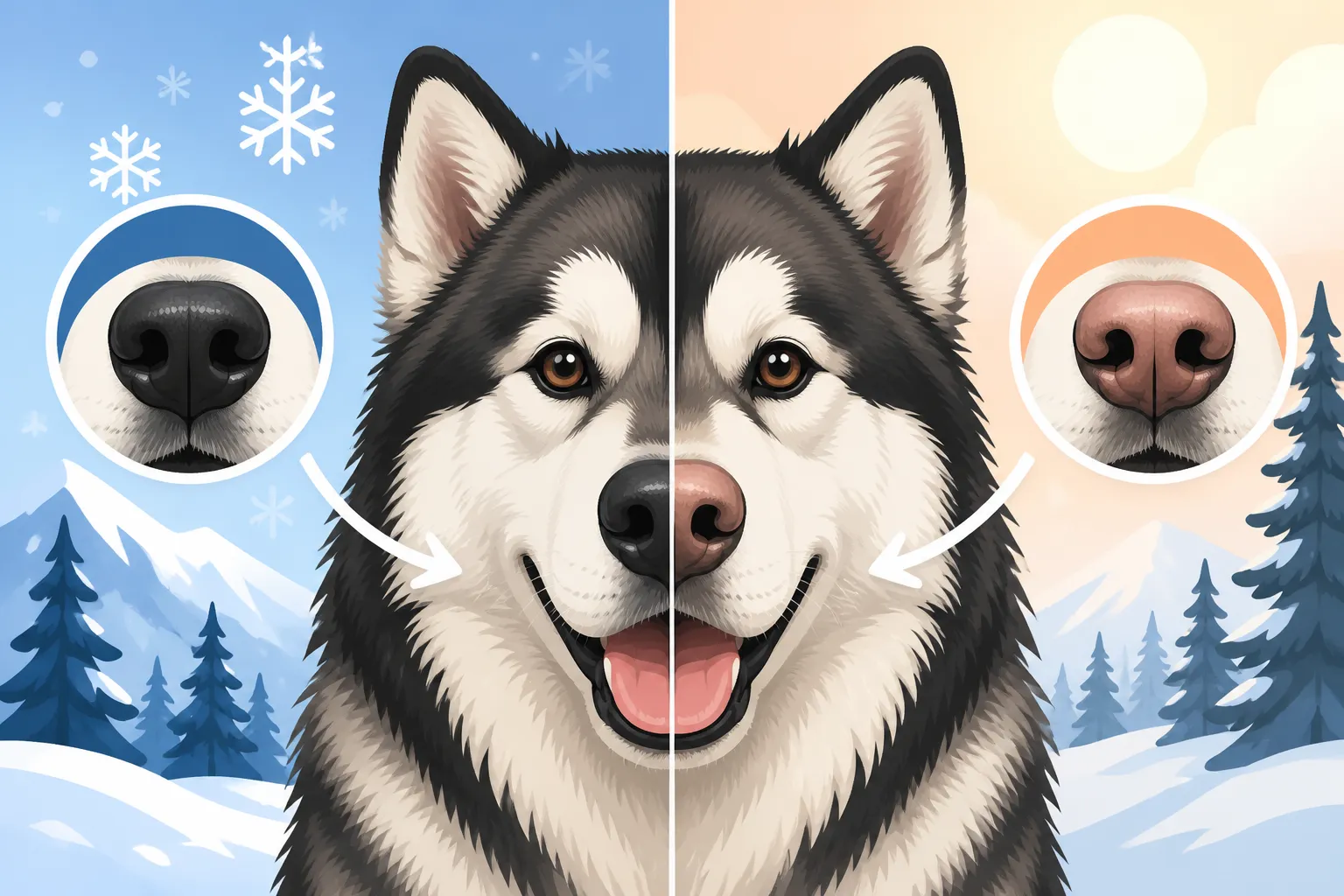
"Snow nose," or "winter nose" as it's sometimes called, is a condition where the black pigmentation on a dog's nose lightens, often appearing brownish or pinkish. This isn't usually a permanent change; for many Malamutes, the dark pigment returns when warmer weather arrives. It’s not just a winter phenomenon either; sometimes it can happen with age, but the strong correlation with colder months is what gives it its popular name. Owners often notice it starting around late fall and persisting through the winter, only to see the nose darken again by spring.
It’s thought to be more common in breeds like Alaskan Malamutes, Siberian Huskies, Golden Retrievers, and Bernese Mountain Dogs. For a breed like the Malamute, living in colder climates or even just experiencing seasonal temperature dips, this change can be quite pronounced. Imagine your dog, typically known for its striking dark features, suddenly sporting a nose that looks like it's been sun-bleached. It’s a distinct visual shift that can prompt plenty of questions from concerned pet parents.
The Science Behind the Seasonal Change
The exact mechanism behind snow nose isn't fully understood, but it's largely attributed to an enzyme called tyrosinase. This enzyme is crucial for melanin production, which is the pigment responsible for the dark color of your Malamute's nose, coat, and eyes. The theory is that tyrosinase becomes less efficient in colder temperatures. Think of it like a sluggish worker who isn't performing at their peak when the environment isn't ideal.
As the air cools, the skin on the nose gets less direct warmth, and the enzyme's activity slows down, leading to a temporary reduction in melanin production. When spring rolls around and temperatures rise, the enzyme kicks back into gear, and the nose often darkens again. It’s a fascinating biological response to environmental conditions, showcasing how even subtle changes can manifest visibly in our dogs. It's a testament to the intricate workings of their bodies, and usually, it's just a superficial change.
Is it a Health Concern?
For the vast majority of Alaskan Malamutes, snow nose is purely cosmetic and does not indicate any underlying health issue. It's a natural, harmless depigmentation. However, it's always wise for any responsible dog owner to observe other symptoms if their Malamute's nose changes color. Is the nose dry, crusty, or cracked? Is there any discharge, bleeding, or discomfort? These are the kinds of questions that help differentiate a simple case of snow nose from something more serious.
If your Malamute is otherwise healthy, active, eating well, and showing no signs of distress or other skin problems, then a fading nose is almost certainly just snow nose. Many breeders will even tell new puppy owners about this possibility, as it’s a well-known trait within the breed. It’s important not to jump to conclusions, but to combine this observation with a holistic view of your dog's overall well-being.
Factors Influencing a Malamute's Nose Pigmentation
While snow nose is a common occurrence, not every Malamute experiences it, and the degree to which a nose fades can vary widely. This suggests there are other factors at play, from genetics to diet, that can influence how deeply pigmented a Malamute's nose is and how resilient that pigmentation is to environmental changes. Understanding these variables can give you a clearer picture of why your particular Malamute’s nose might be changing.
Genetic Predisposition and Breed Lines
Genetics play a significant role in nearly all physical traits, and nose pigmentation is no exception. Some Alaskan Malamute lines may simply carry a stronger genetic predisposition for snow nose than others. It's not necessarily a fault; rather, it's a natural variation within the breed's gene pool. Just as some Malamutes might have a darker or lighter coat, or more pronounced markings, some are genetically inclined to temporary nose depigmentation.
If you know your dog's lineage, you might find that their parents or grandparents also exhibited snow nose. This kind of anecdotal evidence within a pedigree can be incredibly helpful in understanding your own dog's traits. Reputable breeders often keep track of such characteristics, so don’t hesitate to ask about it. It’s just another piece of the puzzle that makes your Malamute unique, and something that has likely been present in the breed for generations, long before modern dog care became so prevalent.
Age and Hormonal Changes
It's not just the seasons that can influence nose color. Age also plays a role, with some Malamutes experiencing a permanent lightening of the nose as they get older, regardless of the temperature. This is often seen in senior dogs, where the cells responsible for pigment production (melanocytes) may simply become less active over time. Much like humans get grey hair, dogs can experience similar depigmentation as part of the natural aging process.
Hormonal fluctuations can also sometimes affect pigmentation. For example, female Malamutes might experience subtle changes during heat cycles or after whelping. These aren't usually as dramatic or universally observed as snow nose, but they can contribute to variations in nose color over a dog's lifetime. It's just another reminder that our dogs' bodies are dynamic, constantly changing and reacting to internal and external stimuli.
Dietary Considerations
While snow nose is primarily linked to temperature and genetics, nutrition can play a supporting role in maintaining healthy skin and coat, which includes pigmentation. Essential minerals like zinc and copper are crucial for melanin production and overall skin health. A deficiency in these minerals, though rare with a balanced commercial diet, could potentially exacerbate a tendency towards lighter pigmentation or contribute to other skin issues that affect the nose.
For Malamutes specifically, zinc is a mineral to watch. Some Malamutes have a genetic predisposition to poor zinc absorption, leading to a condition called Zinc Responsive Dermatosis in an Alaskan Malamute. This isn't snow nose, but it can manifest with crusty, depigmented skin, especially around the muzzle and eyes. While most high-quality dog foods, like those found on Chewy or from brands like Ollie, are formulated to provide adequate zinc, some Malamutes may need supplementation if they have this genetic condition. Before considering any supplements, however, it's always best to consult your vet. They can help determine if there's an actual deficiency or if a supplement is genuinely needed, perhaps suggesting a specific type or brand available through retailers like Amazon.
| Feature | Snow Nose | Zinc Responsive Dermatosis (ZRD) | Other Skin Issues (e.g., Allergies) |
|---|---|---|---|
| Appearance | Nose lightens to pink/brown, typically smooth | Crusting, scaling, hair loss, redness around nose, eyes, mouth, elbows | Redness, itchiness, bumps, pustules, usually diffuse or specific areas, can affect nose |
| Seasonality | Primarily in winter, darkens in summer | Can occur year-round, may worsen with stress | Can be seasonal (allergies) or year-round |
| Accompanying Symptoms | None, dog is otherwise healthy | Lethargy, poor appetite, thickened paw pads, sometimes secondary infections | Itching, licking, paw chewing, ear infections, gastrointestinal upset |
| Comfort Level | No discomfort | Can be painful, itchy, and uncomfortable | Often very itchy and uncomfortable, leading to self-trauma |
| Location | Entire nose, uniform lightening | Often starts on muzzle, around eyes, ears, pressure points | Varies, can be localized or generalized |
| Treatment | None needed, self-resolving with warmer weather | Lifelong zinc supplementation, sometimes topical treatments | Allergy medication, diet changes, topical treatments, antibiotics if infected |
| Prognosis | Excellent, cosmetic only | Good with proper management, requires commitment | Variable, depending on cause and management |
Differentiating Snow Nose from Other Nose Discolorations
While snow nose is generally benign, it’s crucial for any Malamute owner to be able to distinguish it from other conditions that can cause nose depigmentation or changes in skin color and texture. There are several other health issues, some more serious than others, that can affect a dog's nose, and knowing the difference can help you decide when it's time to seek veterinary advice. A change in nose color is always worth observing closely, even if it usually turns out to be nothing to worry about.
Distinguishing from Dermatological Issues
True snow nose is characterized by a lightening of the pigment without any other symptoms. The skin on the nose remains smooth, moist, and free from lesions, crusts, or pain. However, other conditions can mimic or occur alongside nose depigmentation. One significant concern for Malamutes is Zinc Responsive Dermatosis in an Alaskan Malamute, a genetic condition where the dog cannot properly absorb zinc, leading to severe skin issues. Unlike snow nose, ZRD involves crusting, scaling, redness, and often hair loss, particularly around the muzzle, eyes, and pressure points. The skin can be quite painful and itchy, and it can become easily infected. Where a Malamute's Zinc Lesions Appear First is often around the muzzle, making it easy to confuse with a simple fading nose if not examined closely.
Other dermatological problems could include discoid lupus erythematosus (DLE), an autoimmune disease that specifically affects the nose and can cause depigmentation, scaling, crusting, and even ulceration. Allergies, contact dermatitis, or fungal infections can also lead to changes in nose appearance, usually accompanied by itchiness, inflammation, or abnormal texture. The key is to look beyond just the color change and assess the overall health of the nose and your dog. Is the change only color, or is there texture involved, too?
When to Consult Your Vet
While snow nose is usually harmless, there are specific signs that should prompt a visit to your veterinarian. If the depigmentation is accompanied by:
- Crusting, scabbing, or bleeding on the nose.
- Soreness, pain, or discomfort when the nose is touched.
- Ulcerations or open sores.
- Excessive dryness, cracking, or thickening of the nasal planum.
- Changes in your Malamute's overall health, such as lethargy, loss of appetite, or other skin issues elsewhere on the body.
- Rapid or sudden changes that occur outside of the typical seasonal pattern.
- A new depigmentation that does not resolve with the change of seasons.
If you suspect something beyond simple snow nose, especially given the Malamute's predisposition to conditions like ZRD, a vet visit is essential. They can conduct diagnostic tests, such as skin biopsies or blood work to check zinc levels, to rule out more serious underlying conditions. Remember, your vet is your best partner in ensuring What an Alaskan Malamute Needs Every Day for optimal health, not just when it comes to skin, but overall.
Does Pigmentation Always Return?
For most Malamutes experiencing snow nose, the pigmentation does indeed return to its original dark color once the weather warms up. It's like flipping a switch as spring arrives. However, this isn't a guarantee for every dog. Some Malamutes might find that their nose pigmentation never fully returns to its original intensity, or it might lighten a little more with each passing winter.
In older Malamutes, the fading can become more permanent, a natural part of aging, much like Whether a Malamute's Coat Silvers With Age. The tyrosinase enzyme might simply become less robust over time, or the melanocytes might reduce in number. This is still not typically a health concern, but rather a cosmetic change reflecting the passage of time. If you're observing a similar pattern with your Malamute's nose, it's just a reminder of their journey through life.
Living with a "Snow-Nosed" Malamute
Accepting that your Malamute's nose might occasionally lighten is part and parcel of owning one of these unique dogs. Once you've ruled out any health concerns with your veterinarian, you can appreciate this distinctive characteristic without worry. It’s simply one more fascinating aspect of their majestic appearance, reminding us of their Arctic heritage and adaptability.
Sun Protection and General Care
Even with a healthy, "snow-nosed" Malamute, it's wise to consider some general care practices, especially if the nose remains lighter for extended periods. The depigmented skin on a lighter nose can be more sensitive to the sun, similar to fair human skin. While Malamutes typically have thick coats that protect them from the elements, their nose is exposed.
In very sunny conditions, especially if your Malamute loves to bask outdoors, a dog-safe sunscreen can be applied to the nose to prevent sunburn. This is particularly important if your dog's nose has stayed pinkish year-round. Beyond sun protection, simply ensuring the nose remains hydrated can contribute to comfort. Occasionally, a veterinarian-approved balm can help prevent dryness, especially in harsh winter winds. It's all about proactive care, something we do for all aspects of Caring for an Old Alaskan Malamute.
Debunking Myths and Misconceptions
There are many old wives' tales and misconceptions floating around about dog nose pigmentation. Some people mistakenly believe a faded nose indicates a sick dog, or that it means the dog isn't "purebred." Neither of these is true for snow nose. As we’ve discussed, it’s a natural, physiological response in many breeds, including the Alaskan Malamute. It has no bearing on their health or their lineage.
Another myth is that feeding your dog from a plastic bowl can cause nose depigmentation. While plastic can sometimes irritate sensitive skin or even cause allergic reactions in some dogs, leading to localized skin issues, it is not a direct cause of snow nose. Snow nose is internal and temperature-driven, not surface-contact related. If you're concerned about bowl materials, stainless steel or ceramic options are always safe bets and widely available on Chewy or Amazon.
Appreciating the Unique Beauty
Ultimately, a faded nose is just another charming quirk that adds to your Malamute’s unique character. It's a reminder of their Arctic heritage, a subtle nod to the changing seasons, and a visual display of their amazing adaptability. Instead of worrying about it, most Malamute owners learn to embrace it, finding beauty in this transient change. It makes them distinct, a little different from their summer self, and yet still perfectly Malamute.
The fact that your Malamute's nose might turn pink in winter doesn't make them any less magnificent or any less beloved. In fact, it's often a conversation starter, allowing you to share a bit of Malamute lore with others. So, next time you notice that hint of pink, take a moment to appreciate the subtle, natural beauty of your amazing companion.
Disclaimer
This article is for general informational purposes only and does not constitute professional advice. Laws, prices and regulations vary by location and change over time. Consult a qualified professional for guidance on your specific situation.