Whether Malamute Day Blindness Is the Same as Night Blindness
It’s a common misconception, one that often leads to confusion and worry for many Malamute owners: is day blindness in these majestic dogs the same thing as night blindness? The short answer, and one we’re going to dive deep into today, is a resounding no. These are two distinct conditions, affecting different parts of a dog's vision and requiring very different understandings and approaches from us, their devoted humans. This guide aims to clear up that confusion once and for all, shedding light on the unique challenges each presents.
Understanding Day Blindness in Alaskan Malamutes
When we talk about "day blindness" in Alaskan Malamutes, we're specifically referring to a condition that makes bright light exceptionally difficult, and sometimes impossible, for them to see in. It's not just a little discomfort; it's a significant visual impairment that can drastically alter their daily lives during daylight hours.
The Genetic Roots of CNGB3 Day Blindness
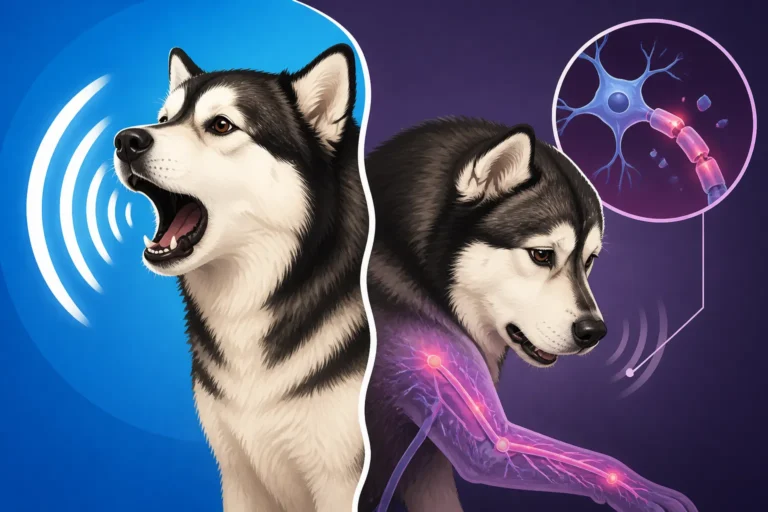
Alaskan Malamute day blindness is primarily caused by a genetic mutation in the CNGB3 gene, which is why it's often referred to as CNGB3 Cone Degeneration or Achromatopsia. This isn't just a fancy scientific name; it tells us exactly what's going on. Cone photoreceptor cells in the retina are responsible for vision in bright light and for distinguishing colors. In dogs affected by the CNGB3 mutation, these cone cells don't function correctly or degenerate over time. Think of it like a camera lens that just can't handle too much light – it overexposes everything, making details disappear into a blinding whiteout.
What makes this particularly heartbreaking for owners is its inherited nature. It's a recessive genetic condition, meaning a puppy must inherit a copy of the mutated gene from both parents to be affected. If they only get one copy, they're considered a carrier and typically show no signs of the disease themselves, but can pass it on to their offspring. This genetic component is why testing is so crucial for responsible breeders hoping to minimize the incidence of this condition in future generations. Without functioning cones, a Malamute literally cannot process the information that bright sunlight provides, leading to a profound impact on their ability to navigate and interact with their environment during the day.
How Day Blindness Manifests in Malamutes
The symptoms of day blindness, while sometimes subtle initially, become quite apparent as the dog matures. Affected Malamutes will often appear hesitant, clumsy, or even completely blind when outdoors or in brightly lit indoor spaces. You might notice them squinting excessively, bumping into furniture or walls, or being reluctant to venture out into the yard during peak daylight hours. They might start relying heavily on their other senses, like hearing and smell, to compensate.
One of the most telling signs, and a core difference from night blindness, is how these dogs' vision improves as the light dims. Many owners report that their day blind Malamute is much more confident and mobile at dusk, dawn, or even at night under artificial lighting. This is because their rod photoreceptor cells, which are responsible for low-light vision, remain largely unaffected. So, while they struggle in the sunshine, they might trot around with surprising agility once the sun begins to set. It's truly like living in reverse; their night is often clearer than their day. This remarkable difference is why many day blind Malamutes actually see better at dusk, often able to navigate familiar surroundings with relative ease once the bright light subsides. It’s a stark contrast to dogs with night blindness, who find the exact opposite true.
Exploring Night Blindness in Dogs (and why it's different)
Now, let's turn our attention to night blindness, a condition that, despite its similar-sounding name, presents an entirely different set of challenges and biological underpinnings.
The Mechanisms Behind Canine Night Blindness
Canine night blindness, or nyctalopia, is the inability or severe difficulty to see in dim light or darkness. Unlike day blindness which affects cone cells, night blindness primarily affects the rod photoreceptor cells in the retina. Rods are critical for scotopic vision – that's fancy talk for vision in low-light conditions. When these rods are compromised, either through degeneration, malfunction, or inherited conditions like Progressive Retinal Atrophy (PRA), dogs lose their ability to discern shapes, movement, and navigate in anything but bright light.
Progressive Retinal Atrophy is a common culprit here, a group of genetic diseases that cause the gradual degeneration of the retina. Depending on the specific type of PRA, rod cells may be affected first, leading to early onset night blindness, which then can progress to full blindness over time as the cones also degenerate. There are other causes too, some nutritional, but genetic predisposition is often key. For a dog with night blindness, their world shrinks dramatically as daylight fades, leaving them in a state of practical blindness when the lights go down.
Observable Differences in Behavior
The behavioral signs of night blindness are essentially the mirror image of day blindness. A dog with night blindness will be perfectly comfortable and capable in bright sunlight, navigating the world with no apparent issues. However, as evening approaches or they enter dimly lit rooms, their confidence plummets. They might hesitate at doorways, bump into furniture they usually know well, refuse to go outside after dark, or move with an exaggerated, high-stepping gait as they try to "feel" their way around.
You might notice them sticking close to walls or furniture for guidance, or simply freezing in place when faced with a poorly lit area. While a day blind Malamute will seek out shaded areas, a night blind dog will gravitate towards any available light source, trying to extend their period of functional vision. It’s crucial to understand What Day Blindness Does to a Malamute is fundamentally different from what night blindness entails; one is challenged by abundance of light, the other by its absence. Recognizing these distinct behavioral patterns is the first step toward understanding and managing your dog's specific visual impairment.
Why the Distinction Matters for Alaskan Malamute Owners
Understanding the specific type of vision impairment your Alaskan Malamute faces isn't just academic; it has profound implications for diagnosis, treatment, and daily management, directly impacting their quality of life.
Diagnosis and Genetic Testing
Getting an accurate diagnosis is paramount. If your Malamute is struggling with vision, a visit to a veterinary ophthalmologist is essential. They have specialized equipment and expertise to examine the retina and determine the precise nature of the problem. For day blindness, the good news is that there's a specific genetic test available, The CNGB3 Test for Malamute Day Blindness, which can definitively identify whether your dog has the gene mutation for CNGB3 cone degeneration. This test involves a simple cheek swab or blood sample and can be performed even on puppies. It's a straightforward way to confirm the genetic basis of day blindness.
For night blindness, diagnosis might involve a different battery of tests, including electroretinography (ERG), which measures the electrical responses of the cells in the retina to light. Genetic tests are also available for many forms of Progressive Retinal Atrophy. Knowing the exact condition helps not only confirm what you're seeing in their behavior but also allows for targeted management strategies. For owners worried about these types of conditions, pet insurance providers like Healthy Paws can be a real lifeline, potentially covering diagnostics and treatments for unforeseen genetic conditions once your dog is enrolled and past any waiting periods.
Management and Quality of Life
Once you know whether your Malamute is day blind or night blind, you can implement specific strategies to improve their quality of life dramatically. For a day blind Malamute, the focus is on reducing bright light exposure. This might mean keeping them indoors during the brightest parts of the day, installing blackout curtains, or even trying dog-specific sunglasses or visors when they need to be outside. There are products like Doggles that offer UV protection and can make a noticeable difference for some affected dogs. Whether Sunglasses Help a Day Blind Malamute is a common question, and for many, they truly can. Providing shaded outdoor areas and doing walks during dawn or dusk can help them exercise and enjoy the outdoors without the blinding glare. Remember, Whether a Day Blind Malamute Can Live Normally often depends heavily on thoughtful environmental adaptations.
For a night blind Malamute, the management shifts to ensuring their safety and comfort in low light. This involves keeping their environment consistent, using night lights in hallways, limiting furniture rearrangements, and providing reflective collars or harnesses for evening walks. Doing walks during daylight hours is best, and if they must go out at night, a long leash and a flashlight are your best friends. The key is to minimize surprises and provide clear pathways. In both cases, maintaining a predictable routine and communicating verbally with your dog can greatly reduce their anxiety and help them navigate their world more confidently. Having a good pet insurance plan, such as one from Healthy Paws, can also provide peace of mind for covering specialized equipment or long-term veterinary care related to these conditions.
Breeding Considerations and Prevention
The existence of inherited vision problems like day blindness underscores the critical importance of responsible breeding practices within the Alaskan Malamute community.
Impact on the Malamute Gene Pool
Thanks to advances in genetic testing, day blindness caused by the CNGB3 mutation is largely preventable. Responsible breeders now have the tools to identify carriers and affected dogs. By avoiding breeding two carriers together, the chances of producing affected puppies drop dramatically. This proactive approach helps to systematically reduce the incidence of the disease over generations, slowly but surely cleaning up the gene pool for this specific condition. Many breeders openly share their test results, which is a fantastic sign of transparency and commitment to the breed's health. The success stories of programs that have embraced genetic testing are why Whether Screening Has Nearly Eliminated Malamute Day Blindness is no longer a rhetorical question; it's a testament to what collective effort can achieve. Ensuring Whether a Malamute Puppy Should Be Tested for CNGB3 is now becoming a standard practice, giving new owners confidence.
The Breeder's Role in Health
Choosing a puppy from a breeder who actively tests for inherited diseases is not just a preference; it’s a non-negotiable step for any prospective Malamute owner. A reputable breeder will not only be aware of conditions like day blindness and hip dysplasia but will also conduct the appropriate health screenings on their breeding stock. They should be able to provide documentation, not just verbal assurances, of these tests. This includes the CNGB3 test for day blindness and other relevant evaluations. A breeder's commitment to transparency and genetic health is a strong indicator of their dedication to the well-being of the breed. Prospective owners should always inquire about The Health Tests Both Alaskan Malamute Parents Should Have to ensure they are making an informed decision. Remember that while a good breeder works to prevent inherited diseases, unexpected accidents or illnesses can still occur, and an insurance plan from Healthy Paws can help manage veterinary costs. This due diligence supports not only your future puppy's health but the overall health of the Alaskan Malamute breed for years to come.
Day Blindness vs. Night Blindness: A Quick Comparison
To help clarify the core differences, here’s a handy table outlining the key aspects of day blindness and night blindness in dogs:
| Feature | Day Blindness (CNGB3 Achromatopsia) | Night Blindness (e.g., PRA, Rod Dysplasia) |
|---|---|---|
| Primary Cells Affected | Cone photoreceptor cells | Rod photoreceptor cells |
| Vision in Bright Light | Severely impaired, dog struggles or is functionally blind | Normal or near-normal vision |
| Vision in Dim Light | Often normal or near-normal, dog sees better at dusk/night | Severely impaired, dog struggles or is functionally blind |
| Behavioral Cues | Squinting, bumping in bright light, seeking shade, hesitation in sun | Hesitation in dim light, bumping at night, sticking to walls |
| Genetic Test | Specific CNGB3 genetic test available | Genetic tests available for many forms of PRA/rod dysplasia |
| Malamute Relevance | Known to affect Alaskan Malamutes (CNGB3-related) | Can affect Malamutes, but less specific to the breed than CNGB3 |
| Onset | Usually early, often noticeable in puppyhood | Varies by specific condition, can be progressive |
This table should reinforce that while both conditions relate to vision, they are distinct and require different considerations.
Disclaimer
The information provided in this article is for educational and informational purposes only, and does not constitute veterinary advice. Always consult with a qualified veterinarian or veterinary ophthalmologist for any health concerns or before making any decisions about your Alaskan Malamute's care, diagnosis, or treatment. Genetic testing should be done in consultation with your breeder and veterinarian.