Whether a Malamute With Polyneuropathy Should Be Euthanized
Discovering your beloved Alaskan Malamute has been diagnosed with polyneuropathy can be absolutely devastating, leaving you with a swirl of questions and an overwhelming sense of grief. It’s a moment where you're forced to confront the potential reality of your dog's declining health, and perhaps, the unthinkable decision of euthanasia. This guide is here to walk you through understanding polyneuropathy in Malamutes, how to assess their quality of life, what management options exist, and most importantly, how to approach the incredibly painful, yet sometimes necessary, conversation about end-of-life care.
Understanding Alaskan Malamute Polyneuropathy
When your vet mentions "polyneuropathy," it’s often a big, scary word that can leave your head spinning. In the simplest terms, inherited polyneuropathy in Alaskan Malamutes is a progressive neurological disorder that affects the peripheral nerves. These are the nerves outside of the brain and spinal cord, responsible for communicating between the central nervous system and the rest of the body – essentially, they tell muscles when to move, and they relay sensory information back to the brain. When these nerves start to degenerate or malfunction, it can lead to a wide range of debilitating symptoms.
This isn't just a general nerve issue; it's a specific, inherited condition unique to certain breeds, including our powerful Malamutes. It's not something they "catch," but rather something passed down through generations. This makes understanding its hereditary nature crucial for breeders and prospective owners. For more detailed information, you can delve into What Inherited Polyneuropathy Does to a Malamute and how it manifests in the breed.
The Genetic Roots and Early Signs
The heartache of polyneuropathy often begins long before symptoms become apparent. This condition is caused by a genetic mutation, and affected Malamutes inherit two copies of the faulty gene, one from each parent. Carriers, with only one copy, do not typically show symptoms but can pass the gene to their offspring, highlighting the critical importance of genetic screening in responsible breeding programs.
Typically, the age polyneuropathy appears in a Malamute can vary, but most often, clinical signs begin to emerge around 1 to 3 years of age, though it can sometimes be later. Initially, you might notice subtle changes that are easy to dismiss as clumsiness or just "being a Malamute." Perhaps they stumble more often, especially on uneven ground, or seem to struggle getting up from a lying position. You might find yourself wondering Whether a Polyneuropathy Malamute Puppy Trips Constantly as those early signs begin to show. As the disease progresses, these signs become more pronounced and persistent, moving beyond mere occasional awkwardness.
Progression and Worsening Symptoms
Unfortunately, inherited polyneuropathy is a progressive disease, meaning its symptoms will gradually worsen over time. What starts as mild weakness can escalate into significant motor dysfunction. Your Malamute might develop a "high-stepping gait" in their front legs, almost like they're trying to clear an invisible obstacle, and a generalized weakness in all four limbs. Muscle atrophy, especially in the hindquarters, becomes noticeable as they lose nerve stimulation and activity. This isn't just about walking; it affects their overall strength and coordination.
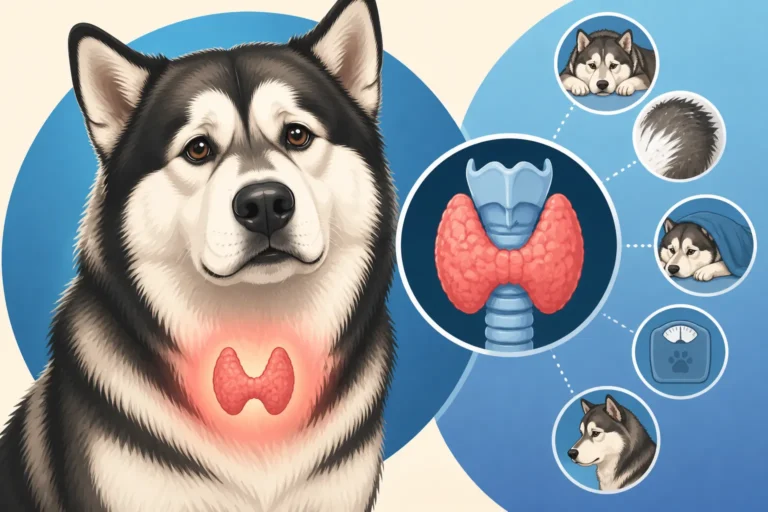
One of the most concerning aspects for many Malamute owners is the impact on their dog's ability to vocalize and breathe. Why a Malamute's Bark Changes With Polyneuropathy is a particularly heartbreaking symptom, as their distinctive "woo" or howl might become weak, hoarse, or even completely lost due to laryngeal paralysis. This paralysis occurs when the nerves controlling the larynx fail, impacting their ability to bark, swallow, and critically, breathe. As the condition advances, you might also be asking Whether a Polyneuropathy Malamute Can Breathe Normally, as respiratory distress can become a life-threatening complication, especially during exertion or in warm weather. Knowing these progressions is vital when considering the welfare of your Malamute.
Assessing Quality of Life
The diagnosis of polyneuropathy doesn't immediately mean the end of the road. Many Malamutes can live for a time with the condition, especially with supportive care. The truly agonizing part for owners is constantly assessing their Malamute’s quality of life. This isn't a single, objective measurement; it's a deeply personal and often gut-wrenching evaluation that requires honesty, observation, and immense compassion. It’s about looking beyond your own desire to keep them with you and truly seeing their experience.
This evaluation involves considering several key aspects, ranging from their physical comfort to their emotional well-being. It's often easier said than done, as we tend to focus on the good moments, desperately holding onto hope. But a realistic assessment means acknowledging the bad days, too, and how frequently they occur. Pet insurance providers like Healthy Paws can be a real lifeline here, as they often cover diagnostic tests and ongoing treatments for chronic conditions, allowing you to prioritize your Malamute's comfort without being crippled by escalating vet bills.
Daily Activities and Physical Comfort
A Malamute's joy is often tied to their ability to move, explore, and engage with the world around them. When polyneuropathy takes hold, these abilities are gradually stripped away. Think about their normal daily routines:
- Mobility: Can they still stand, walk, and move around without significant pain or extreme effort? Do they struggle to get to their food bowl, go outside to relieve themselves, or change positions? Are they falling frequently? Whether a Polyneuropathy Malamute Gets Worse is a question that weighs heavily, and observing consistent decline in mobility is a key indicator.
- Eating and Drinking: Swallowing can become difficult due to laryngeal paralysis. Are they still able to eat and drink without choking or excessive coughing? Are they maintaining their weight?
- Elimination: Can they position themselves to urinate and defecate, or do they struggle with incontinence or severe discomfort? Maintaining dignity in these basic functions is crucial.
- Pain Levels: While polyneuropathy itself might not always be directly painful, the secondary effects—muscle strain from compensatory movements, pressure sores from lying down too much—can cause discomfort. Is your Malamute showing signs of chronic pain (restlessness, panting, reluctance to be touched, aggression)?
| Quality of Life Indicator | Positive Signs | Negative Signs |
|---|---|---|
| Appetite | Eats enthusiastically, finishes meals | Refuses food, struggles to chew/swallow, significant weight loss |
| Hydration | Drinks normally, good skin elasticity | Reluctant to drink, signs of dehydration |
| Mobility | Can stand/walk unassisted, enjoys short outings | Falls frequently, unable to stand, struggles with basic movement |
| Comfort/Pain | Relaxed posture, enjoys gentle touch, no excessive panting | Restless, vocalizes pain, avoids touch, hides, aggression |
| Breathing | Normal, quiet respiration, no excessive panting | Labored breathing, gasping, blue gums, frequent coughing |
| Engagement | Interacts with family, interested in surroundings, seeks attention | Withdrawn, ignores stimuli, shows no interest in play/toys |
| Cleanliness | Maintains hygiene, controls bladder/bowels | Frequent accidents, difficulty cleaning self |
Emotional and Mental Well-being
Malamutes are intelligent, social creatures, and their emotional state is just as important as their physical comfort. A dog that is suffering mentally, even if not overtly in physical pain, has a diminished quality of life.
- Interaction: Is your Malamute still engaging with you and the family? Do they still greet you at the door (even if slowly)? Do they seek out cuddles or attention? A significant loss of interest in family interaction can be a red flag.
- Interest in Surroundings: Do they still enjoy watching the world go by, even from a comfortable spot? Do they show curiosity about new smells or sounds? Apathy and withdrawal are concerning.
- Enjoyment: Do they still have "good moments" or "happy tail wags"? What activities did they once love, and can they still derive joy from anything, even if modified? Are these joyful moments frequent enough to outweigh the bad ones?
- Dignity: This is perhaps the hardest to define but crucial. When a proud, independent Malamute loses control over their basic bodily functions, struggles constantly, or experiences perpetual fear or anxiety, their dignity is compromised. It’s vital to acknowledge Knowing When an Old Alaskan Malamute Has Had Enough, even if this particular disease can strike at a younger age.
Treatment and Management Options
The idea of "treatment" for inherited polyneuropathy in Malamutes can be a bit misleading because, sadly, there is no cure. It's not like a bacterial infection that can be zapped with antibiotics. Instead, the focus shifts entirely to supportive care, symptom management, and enhancing whatever quality of life remains. This involves a multi-faceted approach, often requiring significant dedication from the owner and a close working relationship with your veterinarian. Exploring Whether a Polyneuropathy Malamute Can Be Treated reveals the nuances of what "treatment" truly means in this context.
When faced with a chronic, progressive illness like this, it's easy to feel helpless, but there are indeed steps you can take to make your Malamute more comfortable and potentially slow the progression of some secondary symptoms. This journey can be emotionally and financially taxing, which is why having comprehensive pet insurance like Healthy Paws can truly alleviate some of the burden by covering a substantial portion of these ongoing veterinary expenses, from specialized diagnostics to physical therapy.
Supportive Care and Environmental Modifications
Making your home a more accessible and comfortable environment for a Malamute with polyneuropathy can make a huge difference. This isn’t just about comfort; it’s about safety and maintaining their independence as much as possible.
- Mobility Aids: As weakness progresses, assistive devices can be invaluable. This might include supportive harnesses that you can use to help them stand or navigate stairs, or even a dog wheelchair for longer outings to help them retain some of their mental stimulation through walks. Non-slip mats or carpets can provide better traction on slippery floors, preventing dangerous falls.
- Soft Bedding: Pressure sores are a real risk when mobility is limited. Providing orthopedic beds with ample cushioning can prevent these painful sores and offer maximum comfort. Ensure their resting spots are easily accessible and away from drafts.
- Easy Access to Essentials: Food and water bowls might need to be elevated to reduce strain on their neck and front limbs. Ensure they have easy, obstacle-free access to a designated potty area, and consider more frequent, shorter trips outside.
- Temperature Control: Malamutes are already prone to overheating, and laryngeal paralysis severely compounds this risk. Strict temperature management is crucial; keep them in cool, air-conditioned environments during warmer months, and avoid strenuous activity entirely. Even light exercise can put them at risk.
Medical and Therapeutic Interventions
While there's no magic pill, certain medical and therapeutic approaches can help manage symptoms and improve comfort. Your vet will be your primary guide in navigating these options.
- Medication: Depending on the specific symptoms, your vet might prescribe medications to address secondary issues. Anti-inflammatory drugs could help with muscle soreness or joint pain resulting from altered gait. If respiratory issues become severe due to laryngeal paralysis, some vets might discuss medication to reduce anxiety or inflammation in the airways, or in extreme cases, surgical intervention (laryngeal tie-back) might be considered, though this is a complex decision with its own risks for a Malamute with underlying polyneuropathy.
- Physical Therapy: Rehabilitation therapy, guided by a certified canine rehabilitation therapist, can be incredibly beneficial. This might include hydrotherapy (underwater treadmill), therapeutic exercises to maintain muscle mass, massage, and passive range of motion exercises. The goal isn’t to cure but to maintain existing function, prevent further muscle wasting, and improve comfort. Regular, gentle exercise tailored to their abilities can also stimulate nerve function and keep muscles active.
- Nutritional Support: A balanced diet is always important. Your vet might suggest specific supplements, such as B vitamins or antioxidants, that are thought to support nerve health, though scientific evidence for their efficacy in reversing or halting polyneuropathy is limited. Ensure their food is easy to chew and swallow, and consider adding water to kibble if they struggle with dry food. Pet insurance like Healthy Paws can be particularly helpful with covering consults with specialized veterinary nutritionists or rehabilitation therapists, which might otherwise be prohibitive.
- Monitoring: Regular vet check-ups are essential to monitor the disease's progression, adjust management strategies, and catch any secondary infections (like aspiration pneumonia, a risk with swallowing difficulties) early. This vigilant observation also helps answer the lingering question of Whether a Polyneuropathy Malamute Gets Worse definitively, allowing for informed decisions.
Making the Euthanasia Decision
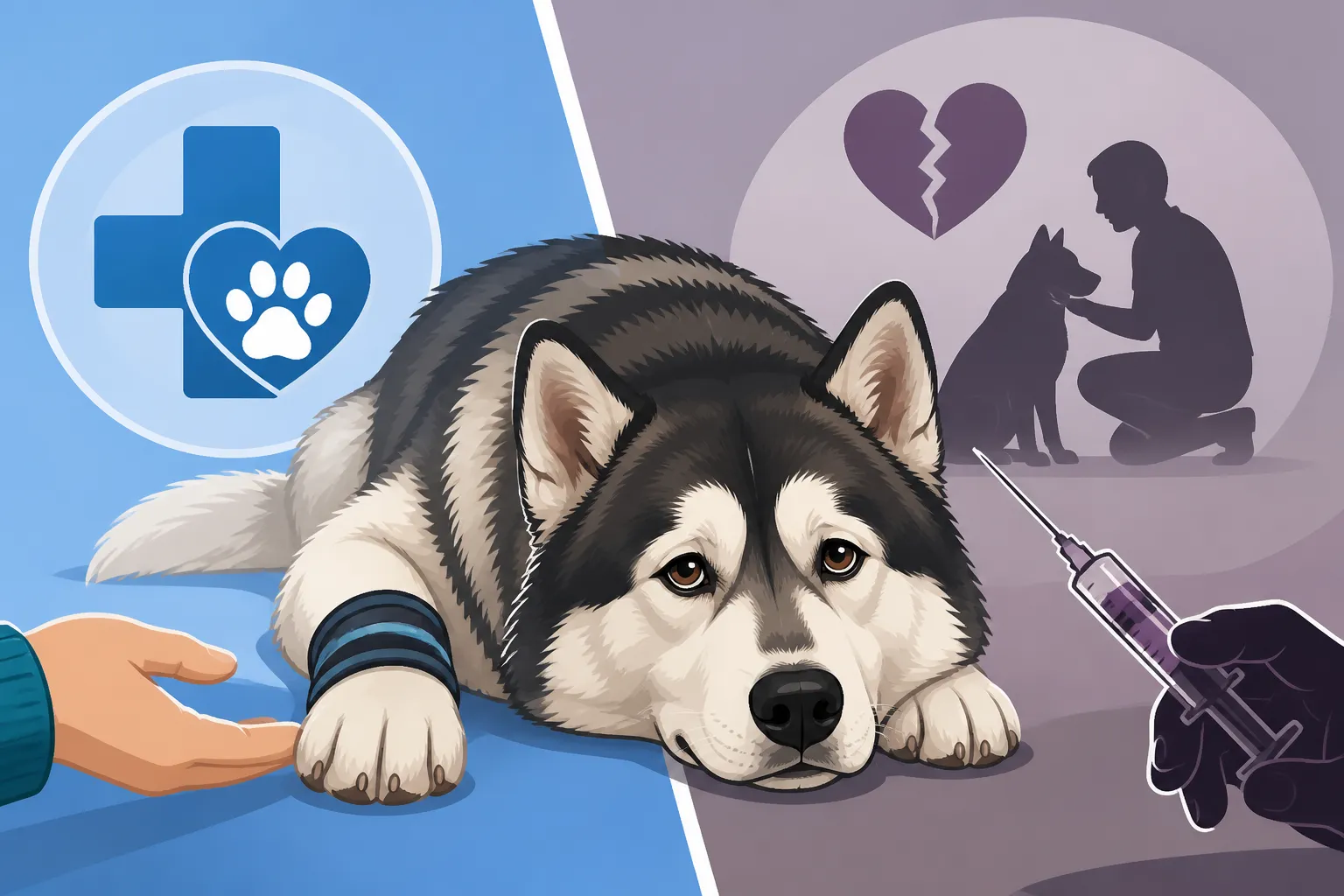
This is, without a doubt, the most heart-wrenching part of owning an Alaskan Malamute with a progressive disease like polyneuropathy. The question of "whether a Malamute with polyneuropathy should be euthanized" is not about if you can keep them going, but if you should. It’s about choosing a peaceful end to suffering when the quality of life has irrevocably diminished, and all reasonable supportive measures no longer provide comfort or joy. This decision reflects the deepest love and selflessness of a pet parent.
It’s easy to feel immense guilt, like you're "giving up." But true compassion sometimes means making the hardest choice to prevent prolonged suffering. Remember, your Malamute relies entirely on you to advocate for their well-being, even when that advocacy involves letting them go.
Recognizing the Tipping Point
The "tipping point" is different for every Malamute and every family, but it generally refers to the moment when the bad days consistently outweigh the good ones. This isn't usually a sudden event but a gradual erosion of their joy and comfort.
- Loss of Core Pleasures: Does your Malamute no longer enjoy the things that once brought them immense happiness? For a Malamute, this might be a slow "walk" (even with assistance), interacting with family, or even just lying comfortably in a favorite spot. When they lose interest in these core pleasures, their spirit begins to fade.
- Chronic Pain or Discomfort: If your Malamute is in constant, unmanageable pain, despite medication, it's a strong indicator. This might manifest as persistent panting, restlessness, an inability to get comfortable, or even aggression due to pain.
- Severe Mobility Issues: When your Malamute can no longer get up on their own, move to relieve themselves, or navigate even short distances without extreme effort or pain, their independence and dignity are severely compromised. The ongoing struggle can cause significant distress.
- Respiratory Distress: With polyneuropathy, laryngeal paralysis can become life-threatening. If your Malamute is consistently struggling to breathe, experiencing frequent choking episodes, or showing signs of oxygen deprivation (blue gums, extreme panting), their suffering is profound and immediate. Whether a Polyneuropathy Malamute Can Breathe Normally becomes a critical, life-or-death question at this stage.
- Incontinence and Hygiene: While some incontinence can be managed, constant accidents that soak them, leading to skin infections or a perpetual state of discomfort and lack of cleanliness, diminish their dignity and quality of life.
The Euthanasia Process and Grief
Once the decision has been made, understanding the process can help alleviate some anxiety. Most veterinarians strive to make the experience as peaceful and respectful as possible.
- Consultation with Your Vet: Have an open and honest conversation with your vet about your Malamute's current condition, prognosis, and your observations of their quality of life. They can offer an objective medical perspective and help you confirm that you are making a compassionate decision.
- Choosing the Location: Many vets offer in-home euthanasia, which allows your Malamute to pass peacefully in their familiar environment, surrounded by loved ones. If an in-clinic option is chosen, ask for a quiet, private room.
- The Procedure: Typically, a sedative is given first to relax your Malamute and ensure they are calm and comfortable, often falling into a deep sleep. Once they are fully sedated, a final injection is administered, which swiftly and painlessly stops their heart. They will feel no pain, only peace.
- Grief and Support: The grief you feel is real and profound. Allow yourself to mourn. Talk to friends, family, or a pet loss support group. Consider memorials like paw prints, cremation, or burial. Remember the incredible bond you shared and the love that guided your final, compassionate act. What Alaskan Malamutes Actually Die Of often includes conditions like polyneuropathy, and understanding that you provided a loving end can bring some solace.
Choosing to euthanize a beloved Malamute with polyneuropathy is never easy, but it is often the ultimate act of love, ensuring they are freed from suffering. You are giving them the final gift of peace.
Disclaimer
The information provided in this article is for general informational purposes only and does not constitute veterinary advice. Always consult with a qualified veterinarian for any health concerns or before making any decisions about your pet's care.