Whether Malamute Polyneuropathy Affects Breathing
It's incredibly worrying when your beloved Alaskan Malamute starts showing signs of distress, especially when it involves their ability to breathe easily. Many Malamute owners are rightfully concerned about inherited conditions that can impact their furry family members, and polyneuropathy is one that often brings up questions about respiratory function. This guide aims to thoroughly explore whether Malamute polyneuropathy affects breathing, what to look for, and how to support your dog through this challenging condition.
Understanding Inherited Polyneuropathy in Alaskan Malamutes
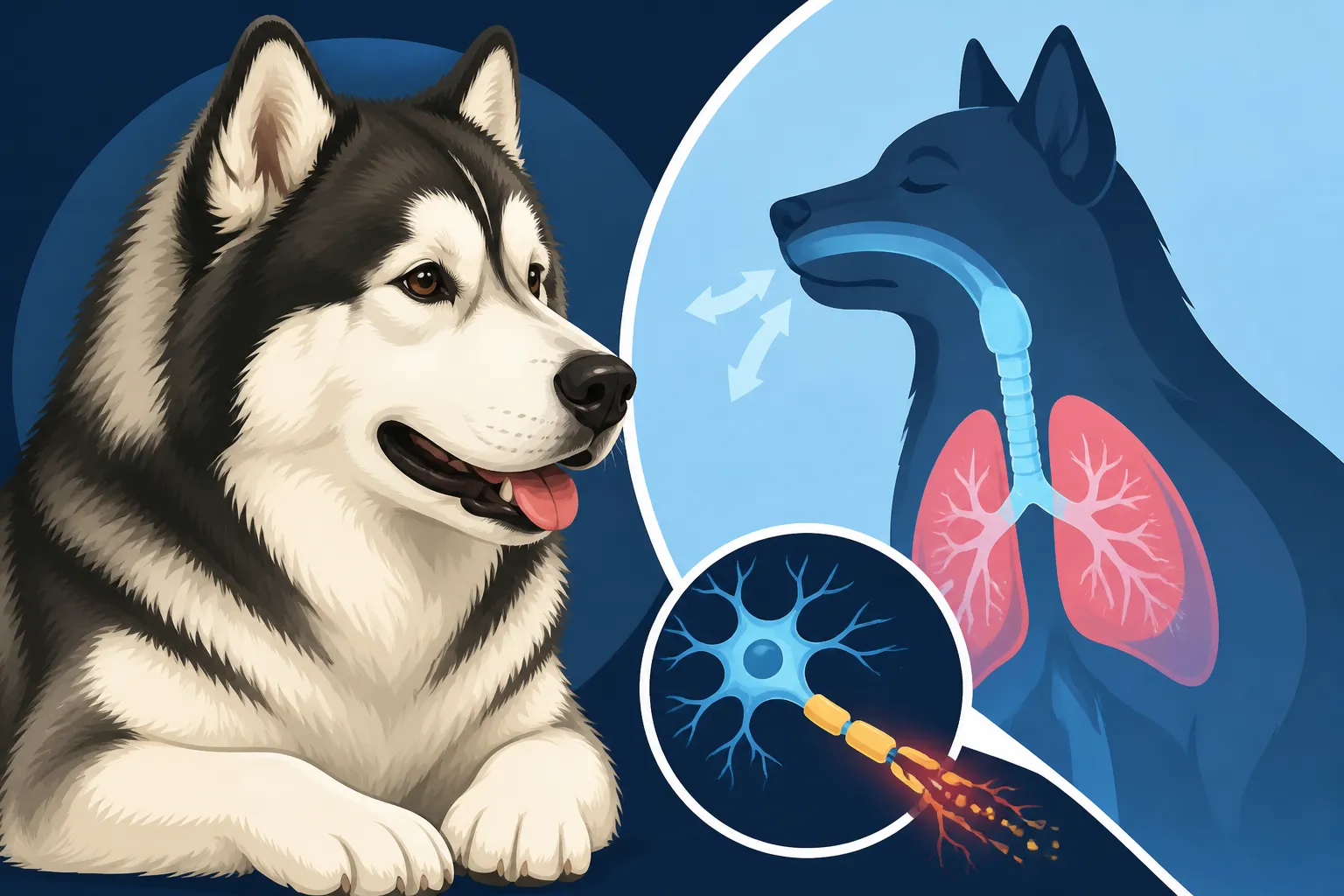
When we talk about inherited polyneuropathy in Alaskan Malamutes, we're not just discussing a vague neurological issue; we're referring to a specific, progressive disorder that affects the peripheral nervous system. This is the network of nerves outside the brain and spinal cord, responsible for transmitting signals between the central nervous system and the rest of the body, including muscles and organs. Imagine a complex electrical wiring system in your house, and then picture parts of that wiring slowly deteriorating or becoming less efficient – that's somewhat akin to what happens with polyneuropathy.
This condition is an autosomal recessive genetic disorder, which means a Malamute must inherit two copies of the affected gene (one from each parent) to develop the disease. Dogs that inherit only one copy are carriers; they don't show symptoms but can pass the gene to their offspring. This genetic component is why responsible breeders are so diligent about The DNA Test That Finds Malamute Polyneuropathy and screening their breeding stock. For more comprehensive information on the broad impact of the disease, you might want to read about What Inherited Polyneuropathy Does to a Malamute.
The onset of symptoms for this challenging condition typically appears when a Malamute is in its younger years. Owners often notice the first subtle changes around 12 to 18 months of age, though it can vary. For a deeper dive into when you might first see signs, check out The Age Polyneuropathy Appears in a Malamute. It often starts with what seems like minor clumsiness or a slight weakness that you might initially dismiss as typical puppy antics or growing pains. However, as the disease progresses, these subtle signs become more pronounced and debilitating, affecting a dog's coordination, strength, and ultimately, its quality of life. The frustration for owners often comes from witnessing this decline and feeling helpless, desperate to understand and mitigate its effects.
How Polyneuropathy Manifests and Affects the Respiratory System
So, does this neurological condition actually mess with your Malamute's breathing? The answer, unfortunately, is yes. While polyneuropathy is primarily known for causing weakness and coordination issues in the limbs, its impact isn't confined to just walking and running. Because the peripheral nervous system controls voluntary and involuntary functions throughout the body, including those essential for breathing, the respiratory system can indeed be severely affected.
The nerves that supply the laryngeal muscles, which control the movement of the larynx (or voice box) and the opening and closing of the airway, can become compromised. When these nerves don't function properly, the laryngeal muscles weaken, leading to a condition called laryngeal paralysis. This means the vocal cords can't open fully when your Malamute inhales, creating a partial obstruction in the throat. This is a terrifying prospect for any dog owner, as it directly impacts their dog's ability to get enough oxygen. You might have already noticed changes in your dog’s vocalizations, which is often an early indicator; for more on this, consider exploring Why a Malamute's Bark Changes With Polyneuropathy.
The Impact of Laryngeal Paralysis on Breathing
Laryngeal paralysis is a critical component of how polyneuropathy affects breathing. Imagine trying to breathe through a straw – that's often what it feels like for a dog with severe laryngeal paralysis. The weakened muscles prevent the vocal cords from abducting (moving apart) properly during inhalation. This results in several noticeable and concerning symptoms:
- Noisy Breathing: You'll likely hear a loud, harsh, raspy sound, especially when your Malamute inhales, known as stridor. This noise is typically more pronounced during exercise, excitement, or in warmer weather when they're panting more.
- Exercise Intolerance: Your normally energetic Malamute might tire much more quickly during walks or playtime. They may pant excessively after minimal exertion and seem reluctant to move.
- Gagging or Choking: When eating or drinking, dogs with laryngeal paralysis might gag, cough, or choke on their food or water, as the protective reflexes of the larynx are also compromised.
- Changes in Bark: As mentioned, their bark might become hoarse or soft, almost like a whisper, or it could change completely.
- Heat Intolerance: Dogs regulate their body temperature primarily through panting. With a compromised airway, they struggle to cool themselves effectively, making them highly susceptible to overheating, which can quickly become a life-threatening emergency.
- Cyanosis: In severe cases, especially during periods of high excitement or exertion, your Malamute's gums and tongue might appear bluish due to lack of oxygen. This is an immediate veterinary emergency.
This progression can be incredibly disheartening. What starts as a subtle change in gait can, over time, involve fundamental life functions. The question of Whether a Polyneuropathy Malamute Gets Worse is a painful one, and the answer is usually that it is a progressive disease, meaning symptoms do tend to worsen over time. This makes early recognition and management crucial for maintaining your Malamute's quality of life.
Recognizing the Signs and Seeking Veterinary Care
Recognizing the subtle, early signs of polyneuropathy, especially those related to breathing, can be incredibly challenging. As a loving Malamute owner, you know your dog better than anyone, so trust your instincts if something seems "off." Don't dismiss slight changes in their energy levels or sounds they make as simply aging or being lazy.
Here's a detailed look at what to watch for:
Early and Subtle Indicators
Initially, the signs might be easy to miss or attribute to other causes. Your Malamute might just seem a little less enthusiastic about their usual walk or playtime. You might notice:
- Subtle Weakness: A slight drag in one or both hind paws, stumbling, or a high-stepping gait that seems a bit exaggerated. These are classic signs, but not directly related to breathing.
- Hoarse Bark or Voice Change: As discussed, this can be an early hint of laryngeal involvement. Listen to your Malamute's normal "woo-woo" or bark. Does it sound different?
- Increased Panting: While Malamutes pant, especially when warm, pay attention if they're panting more heavily than usual after minimal activity, or if the panting sounds excessively loud or raspy even at rest.
- Reluctance to Exercise: If your Malamute, who usually lives for adventures, suddenly seems hesitant to go for a walk or stops frequently, it could be a sign of underlying issues, including difficulty breathing.
Progressive Respiratory Distress
As the polyneuropathy advances, the respiratory signs become more overt and alarming. These are no longer subtle hints but clear indicators that your dog is struggling:
- Pronounced Stridor: The loud, harsh breathing sound becomes constant, even when your dog is resting. It's often worse when they inhale.
- Difficulty Catching Breath: Your Malamute might look like they're actively struggling to pull air in, with exaggerated chest movements.
- Tongue/Gum Color Changes: This is a red flag. If their tongue or gums turn bluish or purple (cyanosis), it means they are not getting enough oxygen, and you need to get to an emergency vet immediately.
- Restlessness or Anxiety: A dog that can't breathe well will be anxious, pacing, unable to get comfortable.
- Collapse: In severe cases, a lack of oxygen can lead to collapse, especially during exertion.
If you observe any of these progressive signs, particularly the respiratory ones, do not delay. Immediate veterinary attention is crucial.
The Diagnostic Process
When you take your Malamute to the vet with these concerns, they will perform a thorough physical examination. To specifically assess for laryngeal paralysis, the vet will likely recommend a sedated laryngeal exam. This involves a light sedation to allow the vet to directly observe the movement of the vocal cords while your dog is breathing. It's important that the sedation is light enough not to completely suppress the laryngeal function.
Beyond the laryngeal exam, other diagnostics may include:
- Blood Work: To rule out other systemic illnesses.
- X-rays of the Chest: To check for any concurrent lung disease, aspiration pneumonia (common with laryngeal paralysis), or other masses that might contribute to breathing difficulties.
- Electromyography (EMG) and Nerve Conduction Studies: These specialized tests are often performed by a veterinary neurologist to definitively diagnose polyneuropathy by measuring electrical activity in muscles and nerves. This can help differentiate polyneuropathy from other conditions causing similar symptoms.
- Genetic Testing: As mentioned earlier, genetic testing is available for inherited polyneuropathy. If your Malamute hasn't been tested, this can provide a definitive diagnosis.
Facing these diagnostic steps can be daunting, both emotionally and financially. This is where having pet insurance, like a policy from Healthy Paws, can really make a difference, helping to cover unexpected costs for diagnostics, specialist consultations, and potential emergency care. Understanding Where a Malamute Owner's Vet Money Actually Goes can help prepare you for these significant expenses.
Living with a Malamute Affected by Polyneuropathy
Receiving a diagnosis of inherited polyneuropathy, especially when it affects breathing, is a devastating blow. There is currently no cure, but there are ways to manage the symptoms and improve your Malamute's quality of life. The journey will involve dedication and careful management.
Management Strategies for Respiratory Issues
When breathing becomes compromised due to laryngeal paralysis, the primary goal is to alleviate the obstruction and ensure adequate oxygen intake.
- Weight Management: Keeping your Malamute at a lean, healthy weight is paramount. Excess weight puts additional strain on the respiratory system and exacerbates breathing difficulties. If your dog is overweight, work with your vet on a weight loss plan.
- Activity Restriction: High-energy activities, especially in warm weather, must be limited. Short, slow walks during the coolest parts of the day are best. Avoid situations that cause excitement or excessive panting.
- Cooling Strategies: Malamutes are already prone to overheating. With laryngeal paralysis, this risk is dramatically increased. Ensure your dog always has access to cool, fresh water. Use cooling mats, fans, and air conditioning. Consider having a kiddie pool outside on hot days, or wet them down with cool water.
- Harness vs. Collar: Always use a harness instead of a neck collar to avoid any pressure on the trachea or larynx.
- Dietary Adjustments: Consider feeding smaller, more frequent meals. Raised bowls can sometimes help, and adding water to kibble to make a slurry can reduce choking risk.
- Medical Management: Your vet might prescribe anti-inflammatory medications to reduce swelling in the larynx, or sedatives to calm your dog during episodes of severe anxiety or panting, though these are often temporary solutions.
- Surgical Intervention: For severe laryngeal paralysis, surgery might be an option. The most common procedure is a "laryngeal tie-back" (unilateral arytenoid lateralization), where one side of the larynx is permanently sewn open. This significantly improves airflow but carries risks, including aspiration pneumonia, where food or water accidentally enters the lungs. This decision is complex and should be discussed thoroughly with a veterinary surgeon.
Supporting Overall Well-being
Beyond managing respiratory issues, you'll need to address the other aspects of polyneuropathy:
- Mobility Aids: As weakness in the limbs progresses, consider supportive slings, dog wheelchairs, or special harnesses to help with mobility. Providing good traction on floors can prevent slips and falls.
- Physical Therapy: Gentle exercises and hydrotherapy (swimming in a controlled environment) can help maintain muscle mass and range of motion without over-exertion.
- Comfort and Environment: Ensure your Malamute has soft, comfortable bedding. Modify your home to make it easier for them to navigate, such as ramps instead of stairs.
- Regular Veterinary Check-ups: Regular visits are crucial to monitor the progression of the disease, adjust management strategies, and address any secondary complications like aspiration pneumonia promptly. Pet insurance plans, like those from Healthy Paws, often cover chronic conditions and their associated vet visits, easing the financial burden over time.
- Emotional Support: Living with a chronic, progressive illness is tough on both the dog and the owner. Your Malamute will need extra love, patience, and reassurance. It's okay to seek support for yourself from online communities or friends who understand.
- Prognosis and Quality of Life: The prognosis for inherited polyneuropathy varies depending on the severity and progression of the disease. While there's no cure, careful management can help maintain a good quality of life for a significant period. However, as the disease progresses, difficult decisions may arise. It’s important to continually assess your Malamute’s comfort and happiness, and to consider when the challenges outweigh their ability to enjoy life. This is a conversation you'll have with your vet, and perhaps with family, about Whether a Polyneuropathy Malamute Should Be Euthanized.
Living with a Malamute affected by polyneuropathy is a profound commitment, but with love, vigilance, and appropriate medical care, you can ensure they still feel cherished and comfortable for as long as possible. The resilience of these dogs is incredible, and your dedication will make all the difference. While the typical The Ten to Fourteen Years an Alaskan Malamute Lives might be impacted, focusing on quality over quantity becomes paramount.
Disclaimer
The information provided in this article is for educational purposes only and is not intended to be a substitute for professional veterinary advice, diagnosis, or treatment. Always seek the advice of your veterinarian or other qualified animal health provider with any questions you may have regarding a medical condition.