Whether a Malamute Is Easier to Train Than a Husky
Working instincts of Malamutes and Huskies affect training differently, shaping how each northern breed responds to cues and tasks.

Working instincts of Malamutes and Huskies affect training differently, shaping how each northern breed responds to cues and tasks.

Alaskan Malamute and Siberian Husky breeds differ in freight work versus faster travel for sledding beginners.

Alaskan Malamutes and Siberian Huskies differ in barking frequency, vocal range, and how far their sounds carry at home.

Alaskan Malamutes tend to leave more loose hair than Siberian Huskies because their larger frame and dense double coat produce greater volume.

Malamute and Husky calmness depends on age, exercise, training, and temperament differences explained by working dog history.

Alaskan Malamute and Siberian Husky physical differences, historical pulling work, and individual conditioning determine true strength.
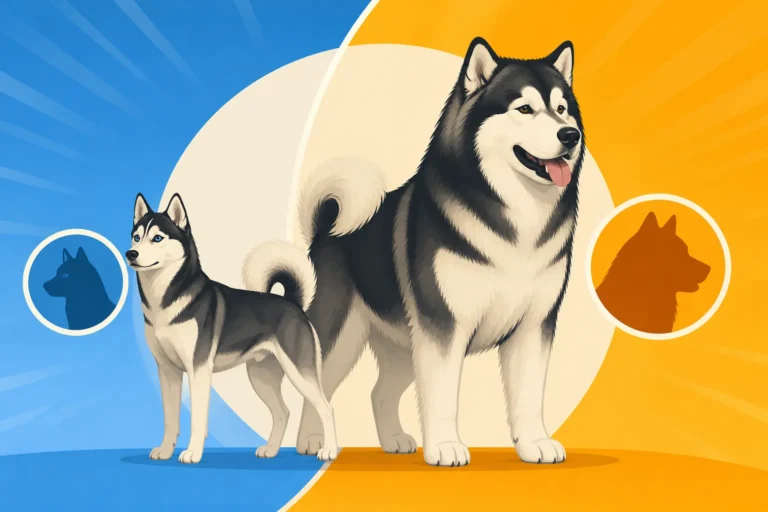
Alaskan Malamutes typically weigh twenty-five to forty pounds more and stand a few inches taller than Siberian Huskies.
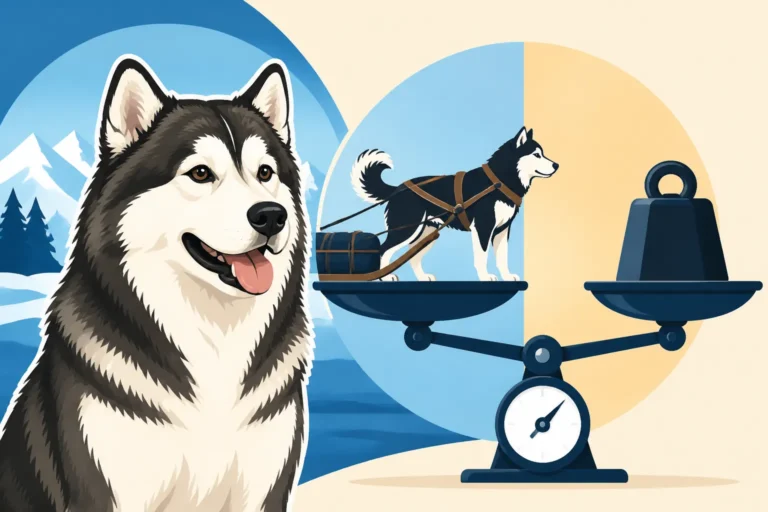
Preferred Alaskan Malamute freighting sizes for males and females serve as working type reference points rather than strict weight rules.
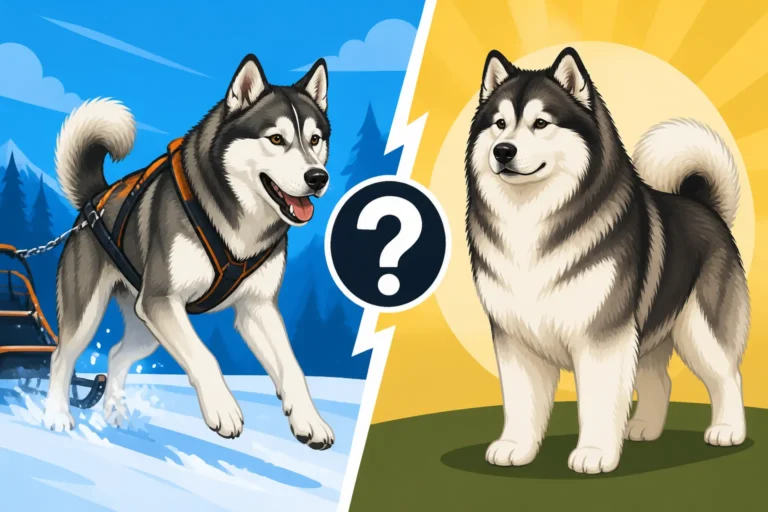
Alaskan Malamute body condition comparisons explain how to assess weight, muscle, and coat differences fairly.

Breeder breeding practices, breed standards, and weight variations explain why some Alaskan Malamutes grow larger than others.