Whether a Malamute’s Pedigree Shows Dwarfism Carriers
It's a natural instinct for any Malamute owner or prospective owner to delve into a dog's pedigree, hoping to find a clear blueprint of their health and lineage. Yet, when it comes to specific inherited conditions like chondrodysplasia, more commonly known as dwarfism, many are surprised and frustrated to learn that a traditional paper pedigree often doesn't offer the full picture, especially regarding carrier status. This guide will demystify what a pedigree can and cannot tell you about dwarfism carriers and introduce you to the crucial modern tools that provide the transparency and certainty Malamute enthusiasts deserve.
Understanding Alaskan Malamute Chondrodysplasia
Let's start by getting a clear understanding of what we're talking about when we discuss chondrodysplasia in Alaskan Malamutes. This isn't just a quirky variation; it's a serious genetic condition that impacts a dog's health and quality of life. Owners are often heartbroken to discover their seemingly normal puppy developing bowed legs or appearing disproportionate, and it’s critical to grasp the science behind it.
What Chondrodysplasia Does to an Alaskan Malamute
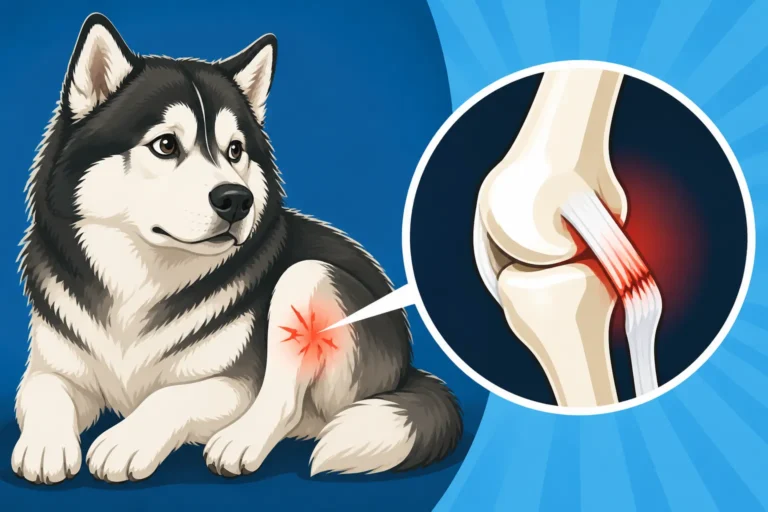
Chondrodysplasia, or dwarfism, specifically affects the growth plates of long bones in Alaskan Malamutes. These are the areas of growing tissue at the ends of a puppy's bones. In Malamutes with chondrodysplasia, these growth plates don't develop correctly, leading to shortened and often bowed limbs. Imagine a robust Malamute body on legs that are too short and sometimes curve outwards, making movement difficult and painful. This condition is apparent relatively early, usually becoming visible as the puppy grows, often between three to six weeks of age, when their legs fail to lengthen at the same rate as their unaffected littermates. While a dwarf Malamute puppy looks normal at birth, the difference becomes stark around the time they begin to walk and play vigorously. This can manifest in a range of severity, from mildly affected dogs with slightly shorter limbs to severely affected individuals with pronounced bowing and significant mobility challenges. The condition can also affect other parts of the skeleton, leading to broader health concerns and often requires careful management throughout the dog's life.
The Recessive Nature of Malamute Dwarfism
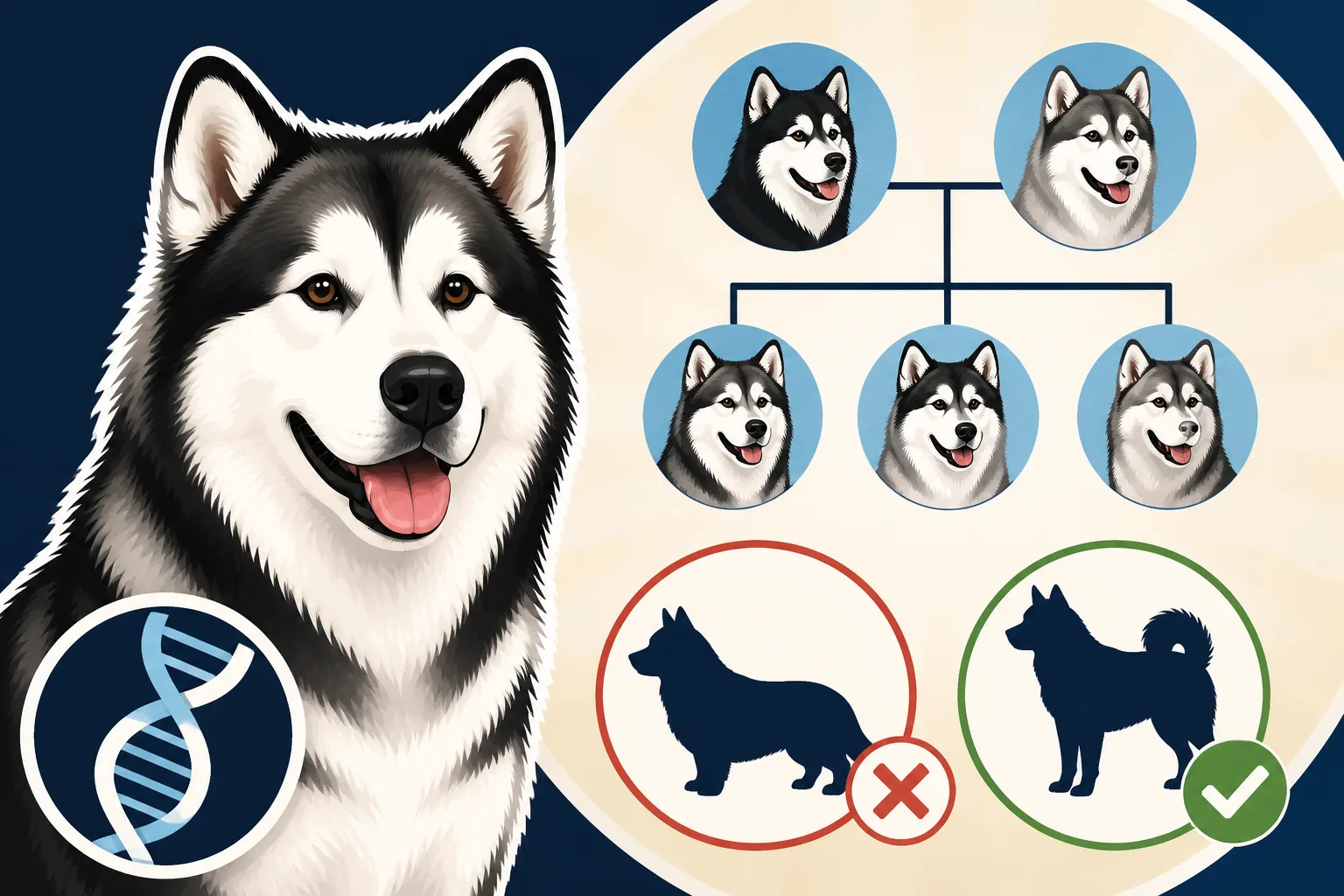
The frustrating thing about chondrodysplasia in Malamutes is that it's inherited as an autosomal recessive trait. What does "recessive" mean in practical terms for you and your dog? It means that a dog must inherit two copies of the faulty gene – one from each parent – to actually develop the condition. If a dog only inherits one copy of the faulty gene and one normal copy, they won't show any signs of dwarfism themselves. They are what we call a "carrier." These carriers appear perfectly healthy and normal; they grow to the correct size, have proper limb development, and can live full, active lives just like any other Malamute. This is why it's so easy for the gene to silently persist within breeding lines. They carry the gene without exhibiting symptoms, making it incredibly difficult to identify them visually or even through generations of seemingly healthy ancestors in a pedigree alone. It's only when two carriers are bred together that there's a 25% chance in each puppy of inheriting two recessive genes and therefore developing chondrodysplasia. There’s also a 50% chance the puppies will be carriers like their parents, and a 25% chance they will be completely clear. This genetic roulette makes careful screening absolutely essential for responsible breeding.
Pedigrees and Carrier Status: The Reality
So, you've got this beautiful, multi-generational pedigree chart. Surely, it holds all the answers about inherited diseases, right? Unfortunately, when it comes to carrier status for recessive conditions like chondrodysplasia, a paper pedigree is far less informative than you might hope. It's a common misconception that simply reviewing ancestors can reveal hidden genetic secrets, and this misunderstanding can lead to significant heartbreak.
Limitations of Traditional Pedigrees
A pedigree is essentially a family tree for your dog, detailing its ancestry, usually going back three to five generations. It lists the names of parents, grandparents, and great-grandparents, often noting their titles (like "Champion" or "Working Dog") and sometimes their birthdates. In some cases, it might even record basic health certifications for conditions like hip dysplasia, which are physical evaluations. However, what a pedigree typically doesn't show is whether an ancestor was a symptom-free carrier of a recessive genetic disease. Think about it: if a dog is a carrier but never showed symptoms, why would that information be recorded on a document primarily focused on observable traits and performance? Unless an ancestor developed the condition themselves, or was known to be a carrier through a specific test (which wasn't widely available until more recently), their carrier status simply wouldn't be documented.
Even if an affected dog appears somewhere in the lineage, the pedigree alone can't tell you which specific parents were carriers. It might raise a red flag, prompting further investigation, but it won't definitively label a specific dog as a carrier without additional information. This is why reliance solely on a pedigree to determine carrier status for diseases like chondrodysplasia is a flawed approach and can tragically lead to unknowingly breeding two carriers together, producing affected puppies.
Why Carrier Status Isn't Always Visible
The core challenge with carrier status, especially for a recessive trait, is that the carrier dog is phenotypically normal. "Phenotypically normal" means they look, act, and develop exactly like a dog without the gene. They have no physical signs, no behavioral quirks related to the condition, and no health issues stemming from it. A casual observer, even an experienced breeder, would never be able to identify a carrier just by looking at them or evaluating their health history if the disease never manifested.
Consider a male Malamute named Yukon, a magnificent sled dog, strong and healthy. His pedigree shows generations of robust, working dogs with no history of dwarfism. He’s never had an issue. However, Yukon could still be a carrier of the chondrodysplasia gene. If he's bred to a female, Willow, who is also a silent carrier, then there's a 25% chance each of their puppies could develop the disease. Neither Yukon nor Willow would show any outward signs, and their pedigrees would remain clean of any mention of dwarfism carriers. This invisible aspect is why carrier status can be so insidious and why it has historically been so difficult to breed out. Without specific tools designed to identify these silent carriers, the gene can continue to be passed down through generations, only revealing itself when the unfortunate combination of two carriers occurs.
Historical Context of Genetic Testing and Pedigrees
It's also important to remember the timeline of genetic science. For decades, breeders relied almost entirely on pedigrees, physical examinations, and anecdotal evidence of health issues within lines. If a specific genetic test didn't exist for a disease like chondrodysplasia, there was simply no way to definitively know if a dog was a carrier. Breeders did their best, sometimes avoiding lines where affected puppies had been reported, but this was a reactive approach, not a proactive one.
Genetic tests for conditions like Malamute chondrodysplasia are relatively recent advancements in veterinary science. Before these tests became available, a breeder could only infer potential carrier status if an affected puppy appeared in a litter, which would then indicate both parents must be carriers. But even then, only the parents of the affected puppy would be definitively known carriers; their siblings or other relatives might also be carriers without ever being identified. Therefore, any pedigree predating widespread genetic testing for this specific condition would naturally lack this crucial information. It's not a fault of the pedigree itself, but a reflection of the knowledge and technology available at the time. This historical context highlights why modern tools are so invaluable today.
Beyond the Pedigree: Modern Screening Methods
Given the limitations of traditional pedigrees, it's clear that we need more advanced tools to properly manage genetic health in Alaskan Malamutes. Thankfully, scientific progress has given us exactly that: DNA testing. These modern methods offer a level of clarity and certainty that simply wasn't possible in the past, allowing responsible breeders and owners to make truly informed decisions. Even with the best genetic screening, unexpected health issues can arise, which is why considering pet insurance from providers like Healthy Paws is a wise decision for comprehensive coverage.
The Role of DNA Testing
The most powerful tool we have today for identifying carriers of recessive genetic conditions like chondrodysplasia is DNA testing. Unlike a pedigree, which looks backward at observable history, a DNA test directly analyzes a dog's genetic code to find specific mutations. For Alaskan Malamute chondrodysplasia, there's a specific DNA test available that identifies whether a dog is clear, a carrier, or affected by the condition. This test involves taking a simple cheek swab or blood sample from your Malamute, which is then sent to a specialized veterinary genetics laboratory.
The beauty of DNA testing is its absolute certainty. It doesn't rely on observations, assumptions, or incomplete historical records. It tells you, with scientific precision, the genetic status of your dog regarding this specific disease. This means that even if a dog appears perfectly healthy and has a seemingly clear pedigree, the DNA test can reveal if it's a silent carrier. This information is invaluable for breeders, as it allows them to make strategic pairing decisions to avoid producing affected puppies. For prospective owners, it provides peace of mind or, conversely, vital information to prepare for a dog's potential health needs, and it gives them the opportunity to secure a good pet insurance policy, such as with Healthy Paws, knowing they have a safety net.
Interpreting DNA Test Results
Understanding your Malamute's DNA test results is crucial. Labs typically categorize results into three clear statuses:
- Clear (or Normal): This means the dog does not carry the gene mutation for chondrodysplasia. It will not develop the disease and cannot pass the gene on to its offspring.
- Carrier: This means the dog carries one copy of the gene mutation but also has one normal copy. The dog itself will not develop chondrodysplasia but can pass the faulty gene to approximately 50% of its offspring if bred.
- Affected: This means the dog has inherited two copies of the gene mutation, one from each parent, and will develop or has developed chondrodysplasia. An affected dog will pass a copy of the faulty gene to all of its offspring.
When planning to breed, the goal is always to avoid breeding two carriers together. If you have a carrier, you can safely breed it to a "clear" dog. In this scenario, none of the puppies will be affected, although approximately 50% of them will also be carriers. This allows breeders to responsibly use valuable dogs that might be carriers without risking the health of their puppies, slowly reducing the prevalence of the gene in the overall population over time. Many breeders will publish these results, and a responsible buyer should always ask to see the DNA results for both Malamute parents. This helps ensure that you are bringing home a puppy that has the best possible start in life, free from preventable inherited conditions.
Breeder Transparency and Health Registries
Modern breeding practices for Malamutes, and really any purebred dog, heavily rely on transparency and participation in health registries. Reputable breeders are not only DNA testing their breeding stock but are also making those results publicly available or readily shareable with prospective buyers. Organizations like the Orthopedic Foundation for Animals (OFA) offer a public database where breeders can submit and register the health screening results of their dogs, including DNA test results for various conditions.
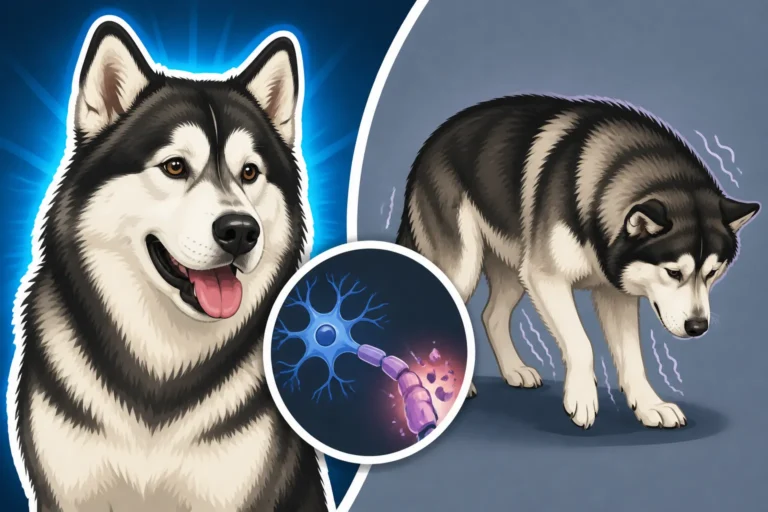
This commitment to transparency goes beyond just chondrodysplasia. Many breeders also screen for other common Malamute health concerns, such as hip dysplasia in an Alaskan Malamute, Inherited Polyneuropathy, and Day Blindness, ensuring a comprehensive picture of their dogs' genetic health. A reputable breeder will be proactive in these screenings, often testing their Malamute before its first season or breeding. They will openly discuss any carrier statuses in their lines and explain their breeding strategy to mitigate risks. They understand that a health guarantee means little without the proof of thorough screening, and they see it as part of their ethical responsibility to the breed. It allows prospective owners to verify claims and make truly informed decisions, knowing they are investing in a puppy from parents with known genetic health statuses. This kind of transparency, coupled with pet insurance options from companies like Healthy Paws, offers layers of protection for both the animal and the owner.
Making Informed Breeding and Buying Decisions
Navigating the world of Alaskan Malamute genetics can feel overwhelming, especially when trying to understand conditions like chondrodysplasia. However, armed with the right information and knowing what questions to ask, you can make responsible choices whether you're a prospective owner or a breeder. Your proactive approach is key to promoting healthy Malamute lines.
Questions to Ask Breeders
When you're looking for an Alaskan Malamute puppy, don't be afraid to ask direct and detailed questions about the parents' health. A good breeder will welcome your inquiries and be prepared to provide proof. Here’s a list of essential questions, especially regarding chondrodysplasia and other genetic concerns:
- Have both parents been DNA tested for chondrodysplasia (dwarfism)? This is the most critical question. Insist on seeing the official results from the laboratory for both the sire and the dam. Don't just take their word for it. The results should clearly state "Clear," "Carrier," or "Affected."
- If either parent is a carrier, what steps have been taken to ensure no affected puppies were produced in this litter? A responsible breeder will have bred a carrier to a clear dog, ensuring no puppies will be affected, though some may be carriers. They should be transparent about which puppies might be carriers in the litter.
- What other health clearances do the parents have? Beyond chondrodysplasia, ask about Hip Dysplasia in a Freighting Alaskan Malamute, eye certifications (like for cataracts in an Alaskan Malamute), and any other breed-specific genetic tests like those for Inherited Polyneuropathy or Day Blindness. The Health Tests Both Alaskan Malamute Parents Should Have are numerous and should be discussed.
- Can I see their OFA or equivalent health registry numbers? These public databases allow you to independently verify health clearances.
- What is your policy or health guarantee regarding genetic conditions? Understand what protections are in place if an issue arises despite screening. A strong health guarantee covers inherited diseases like polyneuropathy.
- Are you willing to discuss the genetic history of your breeding lines openly? An honest breeder understands the importance of sharing this information, even if it reveals a carrier in the lineage, as long as they are breeding responsibly. Remember, You Can See the Breeder's Results for these genetic tests.
The Importance of Health Guarantees and Insurance
Even with diligent genetic testing, no breeder can guarantee a puppy will be 100% free of all health issues throughout its life. Genetics are complex, and new conditions can emerge or present unexpectedly. This is where a robust health guarantee from your breeder, coupled with comprehensive pet insurance, becomes an invaluable safety net.
A good health guarantee from a breeder typically covers genetic or congenital defects that manifest within a specified period, often the first one or two years of life. This might involve a refund, a replacement puppy, or assistance with veterinary costs, depending on the specifics of the contract. Be sure to read any health guarantee carefully and understand its terms and limitations. Many breeders also require you to take your new puppy to a veterinarian within a few days of purchase to validate its initial health. However, even the best health guarantees usually have limits and might not cover routine care or conditions that develop later in life. This is precisely why pet insurance, such as from Healthy Paws, is so critical. Pet insurance provides financial protection against unexpected accidents, illnesses, and often, even some inherited conditions once your waiting period is over. Knowing you have this coverage can significantly ease the burden of costly veterinary treatments, allowing you to focus on getting your beloved Malamute the best care possible.
Responsible Breeding Practices and the Future
For breeders, the journey towards eradicating genetic diseases like chondrodysplasia from the Alaskan Malamute gene pool is ongoing and requires unwavering commitment. Responsible breeding today means moving beyond simply reviewing pedigrees and embracing the scientific advancements of DNA testing. This involves:
- Mandatory DNA Testing: All breeding stock should be tested for known genetic diseases for which tests exist, including chondrodysplasia.
- Strategic Pairings: Breeding carriers to clear dogs to avoid producing affected puppies while retaining valuable genetic diversity. This is a common strategy to gradually reduce the frequency of a problematic gene in a population without severely limiting the gene pool.
- Transparency: Openly sharing test results with prospective buyers and submitting them to public databases.
- Continuous Education: Staying informed about new genetic research, tests, and best practices within the Malamute community.
- Collaboration: Working with other breeders, veterinarians, and geneticists to share data and strategies for improving breed health.
This proactive, science-driven approach is how Malamute breeders are working to ensure a healthier future for the breed, one generation at a time. It’s a painstaking effort, but one that is absolutely essential for the long-term well-being of these magnificent dogs. By supporting breeders who adhere to these high standards, you contribute to a future where stories of puppies suffering from preventable genetic conditions become a thing of the past. The goal is to ensure that the Malamute remains a robust, healthy companion for The Ten to Fourteen Years an Alaskan Malamute Lives.
| Feature / Information Source | Traditional Pedigree | DNA Test for Chondrodysplasia |
|---|---|---|
| Identifies Affected Dogs | If explicitly recorded | Yes, as "Affected" |
| Identifies Carrier Dogs | Rarely, if ever | Yes, as "Carrier" |
| Requires Physical Symptoms | Yes, for recording | No, detects gene directly |
| Cost | Minimal (paperwork) | Moderate (lab fee) |
| Time to Obtain | Immediate | Weeks (lab processing) |
| Certainty of Status | Low for carriers | High |
| Use for Breeding Decisions | Limited | Essential for responsible pairing |
| Public Accessibility | Often private (breeder) | Increasingly public (OFA, lab) |
Disclaimer
The information provided in this article is for educational purposes only and is not intended to be a substitute for professional veterinary advice, diagnosis, or treatment. Always seek the advice of your veterinarian or other qualified health provider with any questions you may have regarding a medical condition.