Whether an Alaskan Malamute Can Sleep Outdoors in Winter
Many Alaskan Malamute owners grapple with the common question: can their fluffy, arctic-adapted companions truly thrive sleeping outdoors during the harsh winter months, or is it a romanticized notion that puts their well-being at risk? It's a valid concern, born from seeing these magnificent dogs frolic in snow and instinctively dig dens, yet also living in modern homes with our creature comforts. This guide aims to unpack the realities of a Malamute's cold tolerance, the critical conditions required for safe outdoor sleeping, and when bringing them inside is undeniably the best, and only, option.
Understanding the Alaskan Malamute's Winter Prowess
It's no secret that Alaskan Malamutes were literally bred for the cold. Their ancestors, the dogs of the Mahlemut people of Alaska, lived and worked in some of the planet's most unforgiving environments. This heritage isn't just a fun fact; it's deeply ingrained in their physiology and behavior. Understanding these natural adaptations is the first step in deciding if your Malamute can genuinely handle winter nights outside.
The Double Coat: A Natural Insulator
One of the most remarkable features of an Alaskan Malamute is its magnificent double coat, which is truly a marvel of natural engineering. This isn't just fluffy hair; it's a sophisticated system designed to protect them from extreme cold, wet, and wind. The outer coat consists of coarse, guard hairs that are typically straight and stand off the body. These hairs are water-resistant, shedding snow and ice, and acting as a barrier against wind. Think of it as a natural, heavy-duty raincoat and windbreaker all in one.
Beneath this protective outer layer lies the undercoat, a dense, woolly, and often oily layer that is incredibly soft and thick. This undercoat is what provides the primary insulation, trapping a layer of warm air close to the Malamute's body, much like a down parka does for us. The density of this undercoat varies with the seasons; in winter, it can become incredibly thick, allowing them to withstand temperatures that would send most other breeds shivering indoors. When they experience their The Malamute Coat Blow That Fills a Vacuum in an Afternoon, you truly understand the sheer volume of this insulating layer. Without this vital insulation, a Malamute would be far more vulnerable to the elements.
Metabolism Built for the Cold
Beyond their impressive coat, Alaskan Malamutes possess a metabolism uniquely adapted to cold environments. Unlike many breeds that burn through calories quickly to generate heat, Malamutes have a more efficient metabolism. This means they can convert food into energy and heat more effectively and sustain themselves on less food than their size might suggest, especially when at rest. This evolutionary trait allowed their ancestors to survive lean periods in the Arctic while maintaining the energy needed for demanding work.
However, this doesn't mean their food requirements are static. A Malamute expending energy in the cold, such as a dog that regularly engages in pulling activities or even just vigorous play, will naturally need more calories to maintain body heat and condition. It's a delicate balance; while their bodies are efficient, they aren't magic. Adequate nutrition is paramount, especially during prolonged exposure to frigid temperatures. Understanding The Efficient Metabolism That Surprises Every New Malamute Owner can help you properly fuel your dog, whether they're working or simply enjoying the winter air.
Beyond Temperature: Other Essential Considerations
While a Malamute's physiology is certainly geared for cold, simply assuming "they're a cold-weather dog, they'll be fine" is a dangerous oversimplification. There are numerous other critical factors that must be taken into account before allowing any Malamute to sleep outdoors in winter. These considerations often get overlooked in the excitement of owning such a magnificent breed, but they are absolutely vital for their health and safety.
Shelter and Bedding: More Than Just a Roof
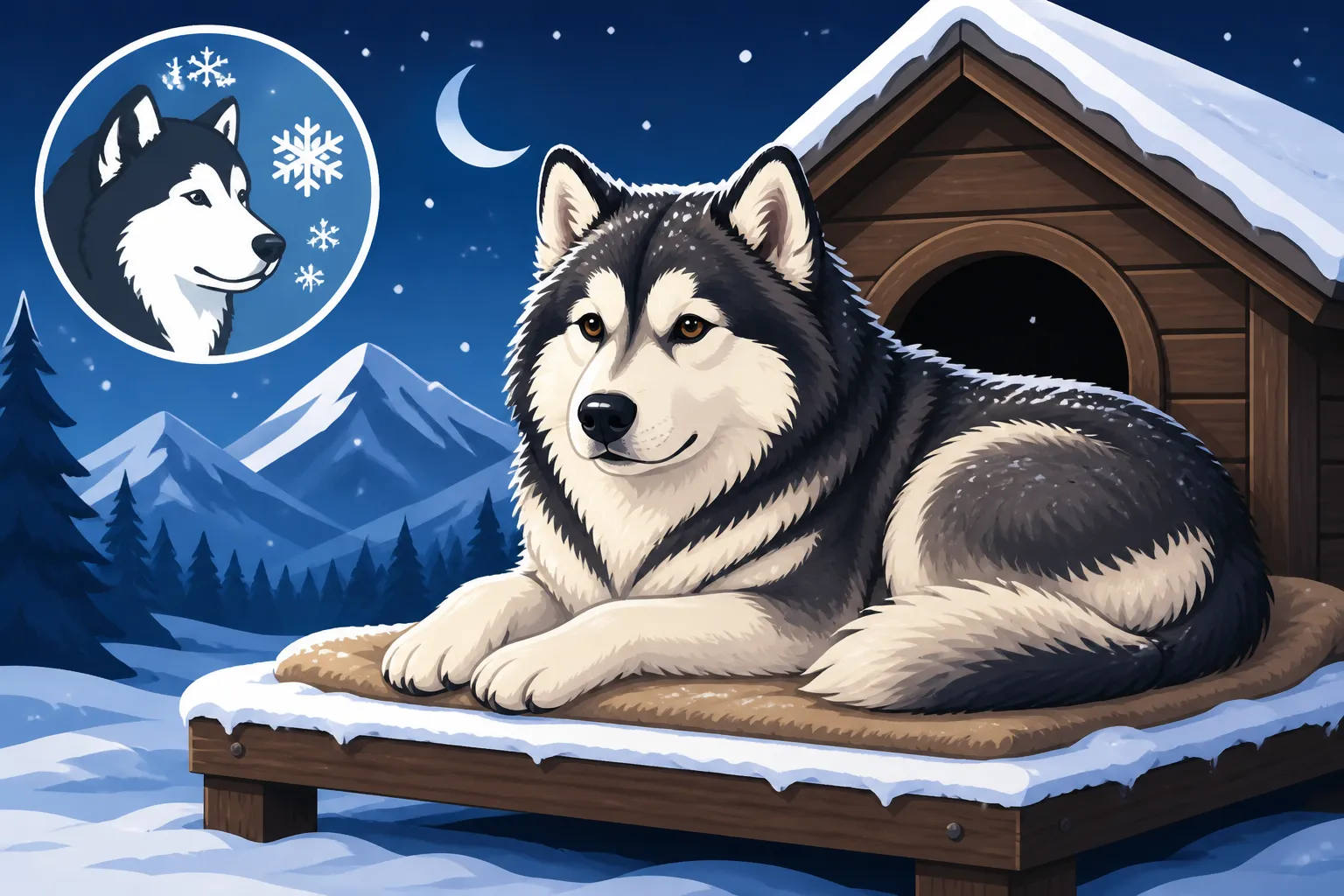
A dog house for an Alaskan Malamute sleeping outdoors in winter is not just a decorative accessory; it's their lifeline. This isn't about simply providing a roof over their head. The shelter must be robust, well-insulated, and appropriately sized. Too large, and their body heat won't be enough to warm the space. Too small, and they can't move comfortably. It needs to be elevated off the cold ground to prevent heat loss, and crucially, it needs to be dry. Damp conditions can quickly compromise a Malamute's natural insulation, leading to hypothermia even in moderate cold.
Inside, the right bedding is non-negotiable. Straw is often recommended for outdoor shelters because it repels moisture and creates insulating pockets. Blankets or soft beds, while cozy indoors, can absorb moisture and freeze outdoors, becoming detrimental. The bedding must be regularly checked for dampness and replaced as needed. Without proper, dry insulation, even the thickest coat won't be enough against sustained sub-freezing temperatures. Many owners use platforms and add straw, which can be sourced from farm supply stores or online through retailers like Chewy or Amazon. A quick search for "insulated dog house" or "straw for dog bedding" can yield good options. Whether a Malamute Needs Bedding in an Outdoor Kennel is a question with a very clear answer: absolutely.
Nutrition, Hydration, and Health
When a Malamute is exposed to cold temperatures, its body works harder to maintain core temperature, even with its efficient metabolism. This increased effort means a higher caloric need. A dog that is accustomed to sleeping indoors might need adjustments to its diet if suddenly kept outside, and a working Malamute will certainly need more. They burn more calories just staying warm, let alone exercising. Failing to provide adequate, energy-rich food can lead to weight loss, decreased immune function, and a reduced ability to withstand the cold. Feeding a Working Malamute Against a Pet One often highlights the significant caloric differences required.
Hydration is just as critical, yet often overlooked. Water bowls can quickly freeze solid in winter, rendering them useless. Access to fresh, unfrozen water at all times is paramount. Heated water bowls, readily available from retailers on Amazon or Chewy, are an essential investment for any outdoor Malamute. Dehydration can happen rapidly and severely impact their health, making them more susceptible to illness and less able to regulate body temperature. Furthermore, the overall health of your Malamute plays a huge role. Any underlying conditions, even minor ones, can dramatically reduce their ability to cope with cold stress. A Malamute with arthritis, kidney issues, or even a simple infection should never be left outside to sleep in winter. Their immune system is already compromised, and the cold will exacerbate it.
The Social and Emotional Factor
Alaskan Malamutes are highly social, pack-oriented animals. They thrive on companionship and interaction with their human families. While they are resilient and independent, prolonged isolation can lead to behavioral issues, anxiety, and even depression. Leaving a Malamute to sleep outdoors, even in the most well-equipped kennel, still removes them from the warmth and security of their pack. This isn't just about physical comfort; it's about their mental and emotional well-being. A Malamute needs to feel part of the family, not just a property guardian or outdoor ornament.
The idea that they prefer being outside alone is often a misconception. While they enjoy and are built for the outdoors, especially in cold weather, they also crave connection. A Malamute left alone outside for extended periods, especially through the dark, cold nights, might develop destructive behaviors out of boredom or loneliness, or even anxiety. They might dig excessively, howl mournfully, or try to escape to find companionship. The decision to have a Malamute sleep outside should never be made without considering the profound impact on their social needs.
Crafting a Safe Outdoor Winter Haven
If, after careful consideration of all factors, you determine that your specific Malamute is a healthy adult, acclimated to the outdoors, and you are prepared to meet their rigorous needs, then providing a truly safe and comfortable outdoor winter haven is paramount. This isn't a "set it and forget it" task; it requires ongoing vigilance and investment.
Choosing and Equipping the Right Shelter
The selection of the dog house itself is critical. It should be constructed from durable, weatherproof materials, ideally with double walls and insulation in between. Think about the construction of a small cabin, not just a thin plastic shell. The entrance should be baffled or have a heavy flap door to prevent wind, snow, and rain from entering directly. Some owners even install small, low-wattage heating pads designed for outdoor use, but these must be used with extreme caution, ensuring they are chew-proof and properly rated for outdoor conditions to prevent fire hazards. Look for options on platforms like Amazon or Chewy, specifically searching for "insulated outdoor dog house" or "heated dog bed for outdoor use."
The orientation of the shelter matters, too. Position it facing away from prevailing winds and in an area that drains well, preventing snow and ice buildup around the entrance. Regular inspection is crucial: check for drafts, damage, or anything that could compromise its integrity. The goal is to create a snug, dry, and protected microclimate where your Malamute can retreat from the worst of the elements and conserve body heat. Without these protective measures, even a dog with the genetic predisposition for cold can become vulnerable.
Maintaining Essential Resources
Beyond the shelter itself, the continuous provision of food, water, and observation is essential. As mentioned earlier, heated water bowls are a non-negotiable for outdoor winter conditions. Water needs to be fresh and unfrozen around the clock. For food, consider providing slightly more calories than usual, especially on the coldest nights, as their bodies will be working harder to stay warm. High-quality kibble or even fresh food options like those from Ollie (if they can tolerate freezing conditions) might be considered, but remember, food bowls left outside can also freeze.
A detailed daily checklist for outdoor Malamutes in winter might look like this:
| Item | Morning Check | Evening Check | Throughout Day (as needed) |
|---|---|---|---|
| Water | Ensure heated bowl is working, fresh water present. | Ensure heated bowl is working, fresh water present. | Top up/change water as needed. |
| Food | Provide breakfast, check bowl for ice/snow. | Provide dinner, slightly more if very cold. | Clear away any uneaten food to prevent freezing. |
| Shelter | Check for drafts, dampness, structural integrity. | Ensure bedding is dry, entrance flap is secure. | Clear snow/ice from entrance. |
| Bedding | Fluff and check for dampness (straw). | Fluff and check for dampness (straw). | Replace any wet or soiled bedding immediately. |
| Malamute | Observe for lethargy, shivering, discomfort. | Observe for lethargy, shivering, discomfort. | Check paws for ice balls, coat for matting/wetness. |
| Environment | Clear snow from walking paths/play areas. | Ensure secure perimeter, clear any hazards. | Monitor weather, adjust as needed. |
This isn't just about providing physical resources; it's about being present and attentive to their needs. You need to be prepared to spend time outside with them, not just drop off food and water.
When Outdoor Sleeping Is Not an Option
Despite their robust nature, there are definitive circumstances where allowing an Alaskan Malamute to sleep outdoors in winter is not just ill-advised, but potentially dangerous or even cruel. Recognizing these limitations is a crucial part of responsible Malamute ownership. It's about putting their welfare above any preconceived notions about the breed.
Age, Illness, and Vulnerability
Puppies and senior Malamutes are far more vulnerable to cold than healthy adults. Puppies, especially those under six months, have not yet developed their full double coat and lack the mature body fat and thermoregulation systems to handle prolonged cold exposure safely. Their tiny bodies lose heat much faster. Similarly, older Malamutes, usually considered seniors around The Age an Alaskan Malamute Counts as a Senior, often have compromised immune systems, reduced fat reserves, and may suffer from conditions like arthritis that are exacerbated by cold and dampness. An old Malamute's metabolism might slow, making it harder for them to generate and retain heat. Whether an Old Alaskan Malamute Feels the Cold is a critical question, and the answer is often yes, more than younger adults. Arthritis alone can make navigating an outdoor space painful and difficult, making them reluctant to move and generate body heat.
Any Malamute suffering from an illness, even a common cold, an injury, or recovering from surgery, should absolutely be kept indoors in a warm, dry environment. Their body is already fighting an internal battle, and diverting energy to simply stay warm can hinder recovery and worsen their condition. Dogs with conditions like hypothyroidism or Zinc Responsive Dermatosis in an Alaskan Malamute may have issues with their coat quality or overall health that make them more susceptible to cold. Forcing them to endure freezing temperatures can turn a minor ailment into a life-threatening situation.
Environmental Extremes and Unique Risks
Even the healthiest adult Malamute has its limits. Extremely low temperatures, especially when combined with wind chill, can quickly overwhelm their natural defenses. There's a big difference between a calm winter night at 20 degrees Fahrenheit and a blustery night at zero degrees with a significant wind chill. Sustained heavy snowfall can also pose a risk, burying shelter entrances or making it difficult for the dog to move around and access food and water. Ice storms are particularly dangerous, as they can cause falls and injuries, and make any outdoor surface treacherous.
Furthermore, a Malamute's outdoor environment must be secure. A dog left outside is still susceptible to external threats, even in winter. Predators, theft, or even other dogs can pose risks. The fence must be escape-proof – and Malamutes are notorious for their ability to dig under, climb over, or chew through fences. Fencing a Yard Against a Malamute That Was Bred to Dig is a topic unto itself, and winter conditions might make those escape efforts even more desperate. Ensuring a secure perimeter is not just about keeping your dog in, but about keeping dangers out. Without these precautions, the "outdoor sleeping" idea becomes a roll of the dice with your beloved companion's safety.
The Owner's Role: Responsibility and Judgment
Ultimately, the decision of whether an Alaskan Malamute can sleep outdoors in winter rests entirely with the owner. It's a decision that requires deep understanding of the breed, honest self-assessment of your capabilities, and constant vigilance. This isn't just about providing for their basic needs; it's about making ethical choices for their comfort, safety, and emotional well-being.
Monitoring Your Malamute's Well-being
Even with the best preparations, an owner's keen eye is the most important tool. You must be able to recognize the subtle signs that your Malamute is not coping well with the cold. These can include shivering (though a very cold Malamute may stop shivering as hypothermia sets in), lethargy, reluctance to move, curling up tightly, seeking shelter in unusual places, or a change in appetite. Their paws, ears, and tail tip are most susceptible to frostbite; check these regularly for signs of redness, pale skin, or pain. What an Alaskan Malamute Needs Every Day includes this crucial observation.
Beyond physical signs, observe their demeanor. Are they happy and alert when you interact with them, or do they seem withdrawn or uncomfortable? A Malamute that is truly thriving in the outdoor winter environment will typically greet you with enthusiasm, enjoy playtime, and show no signs of distress. If you see any indications of discomfort or illness, immediate action is required, which means bringing them inside to warm up and contacting your veterinarian. This kind of consistent, attentive monitoring is far more involved than simply observing a dog in a temperature-controlled home.
The Ethical Choice for Their Comfort
While Alaskan Malamutes are physiologically capable of tolerating cold temperatures, their capacity for outdoor winter sleeping is conditional, not absolute. It requires an ideal combination of a healthy, adult, acclimated dog, a meticulously prepared and maintained environment, and a highly engaged owner willing to invest significant time and resources. The question isn't just "can they survive it?" but "are they truly comfortable and thriving?"
Many Malamute owners, even those with working lines or extensive outdoor space, choose to bring their dogs inside at night, or at least during extreme weather. It offers peace of mind, ensures their social needs are met, and provides a level of comfort and safety that even the best outdoor setup struggles to match. The deep bond we share with these dogs means we have a responsibility to prioritize their comfort and well-being. In many cases, the most ethical choice for your Alaskan Malamute in winter is to share the warmth of your home, even if they spend their days happily romping in the snow. Winter Is When an Alaskan Malamute Comes Alive when they're active, but a warm, safe spot to rest is just as vital.
Disclaimer
This article is for general informational purposes only and does not constitute professional advice. Laws, prices and regulations vary by location and change over time. Consult a qualified professional for guidance on your specific situation.