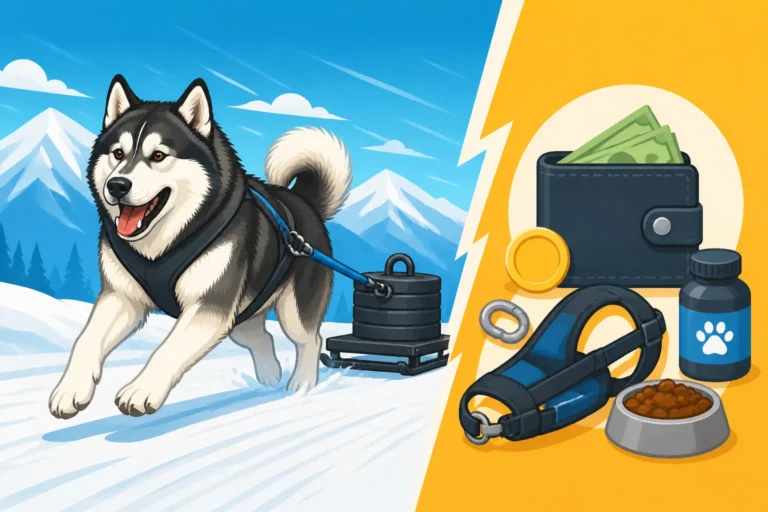
What a Freight Sled for a Malamute Costs
If you've ever watched your magnificent Alaskan Malamute pull with effortless grace, you've probably dreamed of outfitting them for what they were truly bred to do: freighting. It’s an incredible experience, connecting you to their ancient purpose. However, embarking on the journey of freight sledding means facing the practical reality of significant equipment costs, and the sled itself is often the biggest piece of that puzzle. This guide will meticulously break down what you can expect to pay for a freight sled and the other necessary gear, helping you prepare for this rewarding but financially involved endeavor.
Understanding Freight Sleds Versus Racing Sleds
Before we even talk numbers, it’s crucial to understand that not all sleds are created equal. The world of dog sledding encompasses various disciplines, and the equipment is specifically designed for each. When we talk about freight sleds for an Alaskan Malamute, we’re stepping into a realm of durability, stability, and carrying capacity, which is fundamentally different from the sleek, lightweight world of racing.
The Core Differences in Design and Purpose
Imagine the difference between a sportscar and a heavy-duty truck. That's essentially the distinction between a racing sled and a freight sled. Racing sleds, often used with breeds like Siberian Huskies or Alaskan Huskies, are engineered for speed and agility. They're typically made from lightweight, flexible materials, with narrow runners and a design that prioritizes quick turns and minimal drag. Their primary goal is to move a driver and a very light emergency kit across snow as fast as possible.
A freight sled, on the other hand, is the workhorse of the dog sledding world. It's built to haul substantial loads—whether that's camping gear, supplies for a remote cabin, or even just the extra weight needed for a rigorous training run. These sleds feature a much more robust construction. Think wider, more stable runners to prevent tipping, a larger and deeper basket or bed to accommodate bulky items, and a heavy-duty brush bow at the front to absorb impacts from snow drifts, trees, or unexpected obstacles. The materials chosen are focused on strength and longevity, not necessarily on being feather-light. For instance, traditional freight sleds are often crafted from hardwoods like ash, known for their resilience and ability to flex without breaking under stress.
How These Differences Impact Cost
It stands to reason that building a piece of equipment designed to withstand extreme conditions and carry hundreds of pounds of cargo is going to require more material, more robust engineering, and more specialized craftsmanship than building something meant to fly lightly over groomed trails. The thicker runners, the reinforced joints, the more extensive basket, and the selection of high-strength, weather-resistant materials all contribute to a higher manufacturing cost.
Consider the amount of time and skill involved in steam-bending hardwoods for a traditional freight sled frame, compared to simply welding aluminum tubing for a racing frame. Freight sleds are often hand-built by experienced sled builders, many of whom are seasoned mushers themselves and understand the specific demands of heavy hauling in challenging terrain. This expertise, combined with the quality of materials needed to create a safe and reliable freighting vehicle, directly translates into a higher price tag. You're paying for strength, reliability, and the peace of mind that your gear won't fail miles from anywhere with a heavy load onboard.
Factors Influencing Freight Sled Pricing
The cost of a freight sled isn't a single, fixed number. It's a spectrum, influenced by a variety of choices and specific features. Much like buying a vehicle, you have options ranging from a basic model to a fully loaded, custom build. Understanding these factors will help you budget realistically.
Material Quality and Construction
This is perhaps the biggest determinant of a sled's price.
Traditional wood sleds, often made from flexible and strong hardwoods like ash or oak, offer a classic aesthetic and a forgiving ride. They absorb shocks well and can often be repaired with a bit of woodworking skill. However, they require more maintenance (sanding, varnishing, checking for cracks) and can be heavier. The craftsmanship involved in bending and joining these wood pieces into a sturdy frame is considerable, which is reflected in their price.
On the other hand, modern composite materials are becoming increasingly popular. High-Density Polyethylene (HDPE), Ultra-High Molecular Weight Polyethylene (UHMW), aluminum, and even carbon fiber are used to create sleds that are lighter, incredibly durable, and often require less maintenance. These materials resist moisture, don't rot, and can often withstand impacts that might splinter wood. However, the initial cost for advanced composites, especially those featuring specialized fabrication techniques, can be significantly higher. An aluminum frame with a UHMW plastic bed and runners, for instance, offers an excellent blend of strength and lower weight, but this engineering comes at a premium.
A truly hand-built sled from a renowned sled maker will always command a higher price than a mass-produced model. These artisans often create bespoke pieces, tailoring dimensions and features to a musher's specific needs, or following time-honored designs perfected over generations. Their work isn't just about functionality; it's about artistry and deep knowledge of the craft.
Size and Carrying Capacity
Naturally, a larger sled designed to carry more weight and accommodate a bigger team of Malamutes will cost more than a smaller one. Freight sleds come in various lengths and basket sizes. If you plan to run a larger team (say, four or more Malamutes) or haul substantial camping equipment for multi-day trips, you'll need a longer, wider, and deeper sled. This means more material and a more complex, heavier-duty frame.
Some freight sleds are designed as "basket sleds," featuring a fully enclosed, deep basket for maximum cargo protection, while others might be more of a "toboggan" style, which is a flat bottom with raised sides, often used for flatter, open terrain and can be more flexible for awkwardly shaped loads. Specialized utility sleds, sometimes almost resembling a small flatbed trailer on runners, are designed purely for hauling very heavy or bulky items. Each design type caters to different needs and comes with its own cost implications based on complexity and material use.
Additional Features and Customizations
Just like adding upgrades to a car, extra features can quickly increase the cost of a freight sled.
- Brakes: For freighting, robust braking systems are non-negotiable. You'll find options like traditional claw brakes, which dig into the snow, or more advanced disk brake systems, which offer superior control, especially on ice or hard-packed snow. The latter will add considerably to the price.
- Runners: The runners, the part of the sled that contacts the snow, are critical. High-quality, replaceable runners made from UHMW plastic are standard, allowing you to swap them out when worn or if conditions change (e.g., using different runner plastics for icy versus soft snow). The quality and ease of replacement of these runners, as well as the initial material, will affect the overall cost.
- Storage and Tie-Downs: Integrated storage compartments, robust anchor points, and cargo nets are essential for securing your load. Custom-designed bags that fit perfectly within the sled's basket can also be an added expense.
- Safety Features: Reflective tape, LED lights for night travel, and even a robust "brush bow" (the front bumper) that protects the sled and your dogs in case of collision or unexpected stops can be integrated and add to the cost.
All these additions, while enhancing safety, functionality, and durability, contribute to the final price tag. It's important to prioritize based on your expected use and the conditions you'll face.
The Price Spectrum: What to Expect
Understanding the components that make up a freight sled's cost helps you navigate the market. Prices can vary widely, but generally fall into a few categories.
Entry-Level Freight Sleds
For those just starting out or working with a smaller budget, entry-level freight sleds might be the way to go. These are often simpler in design, perhaps a bit smaller, and might use more basic materials while still being functional and durable enough for light freighting or training runs. You might find these from smaller manufacturers, local builders, or even through used gear sales. A second-hand sled in good condition can be an excellent way to get started without a huge upfront investment. Always inspect used sleds carefully for cracks, damage, or wear on critical components.
These sleds might not have all the bells and whistles of higher-end models, but they serve the core purpose of hauling effectively. They’re perfect for learning the ropes of freighting with your Malamute without breaking the bank. For many, this is where the journey begins, proving that you don't need the most expensive gear to enjoy the sport.
Mid-Range and Standard Freight Sleds
This category represents the sweet spot for many dedicated Malamute owners. Mid-range freight sleds strike a balance between quality, features, and cost. You'll typically find a wider selection from reputable sled manufacturers, offering robust construction, good quality materials (like a mix of wood and composite elements), and essential features like reliable braking systems and replaceable runners. These are the workhorses that can handle regular use, significant loads, and a variety of trail conditions without compromising on safety or performance.
Brands that specialize in dog sledding gear often have excellent options in this range, providing designs that have been tested and refined by mushers over many seasons. They often offer a good warranty and customer support, which can be invaluable when investing in specialized equipment. These sleds are a solid choice for someone who is serious about freighting and plans to use their Malamute team regularly for a mix of recreational and practical hauling.
High-End and Custom-Built Freight Sleds
At the top of the spectrum are the high-end and custom-built freight sleds. These are often sought after by seasoned mushers, expedition teams, or those who simply want the very best in terms of craftsmanship, durability, and tailored features. Think bespoke designs from master sled builders, utilizing premium materials like aerospace-grade aluminum, advanced composites, or perfectly seasoned, hand-selected hardwoods. These sleds are often works of art as much as they are functional tools, built to exacting specifications for specific tasks or extreme environments.
Customizations can include specialized suspension systems, integrated electronics (like GPS mounts or lighting systems), ergonomic handles, or a design perfectly matched to the musher's height and handling style. The investment in a custom sled reflects the labor-intensive process, the superior materials, and the unparalleled expertise of the builder. For some, a custom sled is a legacy piece, designed to last decades and endure the most challenging conditions. While the cost is substantial, the performance, reliability, and sheer joy of owning such a finely crafted piece of equipment can be well worth it for those who demand the ultimate.
Beyond the Sled: Other Essential Freight Gear Costs
While the sled itself is a major component, it's just one part of the overall investment in freighting with your Malamute. There’s a whole ecosystem of gear you’ll need to ensure safety, efficiency, and comfort for both you and your dogs.
Harnesses and Lines
You simply cannot pull a sled without proper harnesses and lines. Freight harnesses are specifically designed to distribute weight evenly across a Malamute's powerful chest and shoulders, preventing injury and maximizing their pulling efficiency. These are different from walking harnesses and must fit perfectly. You'll need one for each dog in your team. Then there's the gangline system: the main line connecting your dogs to the sled, individual tug lines that attach each dog to the gangline, and necklines that keep dogs aligned and prevent tangles. All of these components need to be robust, weather-resistant, and high-quality to ensure safety and longevity.
The cost of a complete, high-quality gangline system, especially for a multi-dog team, can be significant. It's often an overlooked expense, but it's as critical as the sled itself. You might find some basic items on platforms like Chewy, but for specialized, heavy-duty freighting gear, you'll likely need to look to dedicated mushing suppliers. Think about the What a Freight Rig for a Malamute Costs and how all these individual pieces add up.
Protective Gear and Safety Equipment
Freighting often takes you into remote and challenging environments, making protective and safety gear paramount.
- Dog Booties: These are essential for protecting your Malamute's paw pads from ice, rough terrain, sharp snow, or abrasive surfaces. You'll need many of them, as they can wear out or get lost. Stocking up is a smart move.
- First-Aid Kits: A comprehensive first-aid kit for both humans and dogs is non-negotiable. This should include supplies for cuts, sprains, frostbite, and other common injuries encountered in the wilderness.
- Reflective Gear: High-visibility vests for you and your dogs, and reflective tape on the sled, are crucial for safety, especially if you're ever on or near roads or in low-light conditions.
- Emergency Shelter/Sleeping Bags: For longer trips, having emergency shelter, a sleeping pad, and a sleeping bag for yourself, as well as a dog coat or blanket for your Malamutes, can be critical in unexpected weather changes.
- GPS and Communication: A reliable GPS device and a way to communicate in areas without cell service (satellite phone, two-way radio) are vital safety investments.
Considering the potential for accidents in remote areas, having robust pet insurance is also a smart move. While companies like Healthy Paws might focus on general pet health, ensuring your Malamute is covered for unexpected injuries is crucial, especially when engaged in strenuous activities. You might even want to research Whether an Insurer Excludes Malamute Inherited Disease to ensure comprehensive coverage if you have an older dog.
Training and Maintenance
While not physical equipment, the investment in training and ongoing maintenance directly contributes to the overall cost and success of freighting.
- Training: Getting your Malamute comfortable in harness, teaching them directional commands, and building their endurance takes time, patience, and sometimes, professional guidance. You might consider specific clinics or working with experienced mushers. Remember, The Age a Malamute Can Start Pulling is important, as proper conditioning at the right age prevents injury.
- Nutrition: A working Malamute requires a high-quality, calorie-dense diet to sustain its energy levels and muscle mass. This is not the time to skimp on food. Companies like Ollie offer fresh, balanced meals that can be an excellent choice for active dogs, ensuring they get the nutrients they need for optimal performance. You can read more about Feeding an Alaskan Malamute That Works Two Days a Week to understand the dietary demands.
- Sled Maintenance: Wood sleds need regular varnishing and inspection for wear and tear. Runners will need replacement over time. Brakes need checking and servicing. These ongoing costs are part of owning a freight sled. Learning how to perform basic repairs yourself can save money in the long run.
- Trail Access and Permits: Depending on where you plan to freight, you might need permits for specific trails or wilderness areas, adding a nominal but necessary cost.
Freighting with your Malamute is a commitment that extends beyond the initial purchase of a sled. It's a lifestyle choice that involves continuous investment in equipment, training, and the well-being of your incredible canine partners. But for many, the bond forged on the trail and the experience of working together in harmony is priceless.
| Sled Type Category | Typical Features | Materials Often Used | General Price Range | Ideal For |
|---|---|---|---|---|
| Entry-Level | Basic design, smaller capacity, essential brakes | Wood, standard HDPE plastic runners | Lower to Mid | Beginners, light utility, training |
| Mid-Range | Good balance of durability, features, capacity | Wood/aluminum frame, HDPE bed, replaceable UHMW runners, better brakes | Mid to Upper | Regular use, varied conditions, serious hobbyists |
| High-End/Custom | Premium materials, tailored features, maximum durability, expedition-ready | Ash, composite frames (aluminum, carbon fiber), UHMW bed/runners, advanced braking/suspension | Upper to Premium | Expeditions, professional mushers, collectors, extreme conditions |
Disclaimer
This article is for general informational purposes only and does not constitute professional advice. Laws, prices and regulations vary by location and change over time. Consult a qualified professional for guidance on your specific situation.