The Year Alaska Named the Malamute Its State Dog
It's truly wonderful to celebrate the Alaskan Malamute, a breed so deeply intertwined with the history and spirit of Alaska itself. Many of us Malamute owners feel a fierce pride in these magnificent dogs, and it’s natural to wonder about the formal recognition they’ve received. This guide will walk you through the fascinating journey of how the Alaskan Malamute became Alaska's official state dog, exploring the history, the people involved, and the lasting legacy of this honor.
Alaska's Unique Identity and the Road to Statehood
Before the Alaskan Malamute could become the state dog, Alaska first had to become a state! The vast, wild, and rugged territory of Alaska always possessed a distinct identity, one shaped by its extreme environment, its indigenous peoples, and the adventurous spirits who sought their fortunes in its formidable landscape. For generations, the territory's inhabitants relied on specialized tools and partners to survive and thrive, and none were more crucial than their working dogs.
The Role of Canines in Early Alaskan Life
Imagine Alaska before paved roads and modern transportation. How did people get around? How did they haul supplies, deliver mail, or even rescue those lost in a blizzard? For centuries, dogs were the undisputed kings of Alaskan travel and labor. They were not merely pets; they were essential members of the family unit, economic providers, and often, life-savers. From the indigenous communities to the gold rush prospectors and early settlers, dogs provided the backbone of transportation and survival in a land that demanded resilience from all its inhabitants.
These dogs weren't just any dogs, either. They were specifically bred and adapted to the incredibly harsh conditions of the Arctic. They needed thick coats, immense strength, boundless endurance, and an unwavering spirit to pull heavy loads across miles of unforgiving terrain. Without them, much of Alaska's early development and exploration simply wouldn't have been possible. They weren't just animals; they were partners in the truest sense of the word.
The Malamute's Deep Roots in Alaskan History
When you think of a working dog in Alaska, the image of a powerful, stoic Malamute often comes to mind. This isn't just a coincidence; it's a reflection of thousands of years of shared history between this breed and the people of the Arctic. The Malamute's story is inextricably linked to the native Alaskan culture, particularly the Mahlemut Inupiaq people of Kotzebue Sound.
Ancestors and Indigenous Peoples: The Mahlemut Connection
The Alaskan Malamute gets its very name from the Mahlemut (also spelled Malemiut or Mahlemuit) people, an Inuit group who lived in the Norton Sound and Kotzebue Sound regions of Alaska. These resourceful and resilient people developed the dogs we now know as Alaskan Malamutes over thousands of years. Their existence was dependent on their ability to travel, hunt, and transport goods across vast, snow-covered distances. The dogs were meticulously bred for freighting—pulling heavy loads for long distances at a steady pace—rather than for speed. This is a crucial distinction and one that sets them apart from many other northern breeds.
The Mahlemut dogs were prized for their strength, stamina, and incredible working ethic. They were instrumental in the Mahlemut people's hunting expeditions, helping to locate seals by sniffing out breathing holes in the ice, and pulling vital game back to the village. They also helped with the movement of camps and supplies, making life possible in one of the planet's most challenging environments. To learn more about their ancient origins, you might want to read The Mahlemut of Kotzebue Sound Bred the Alaskan Malamute.
Essential Partners in Survival and Exploration
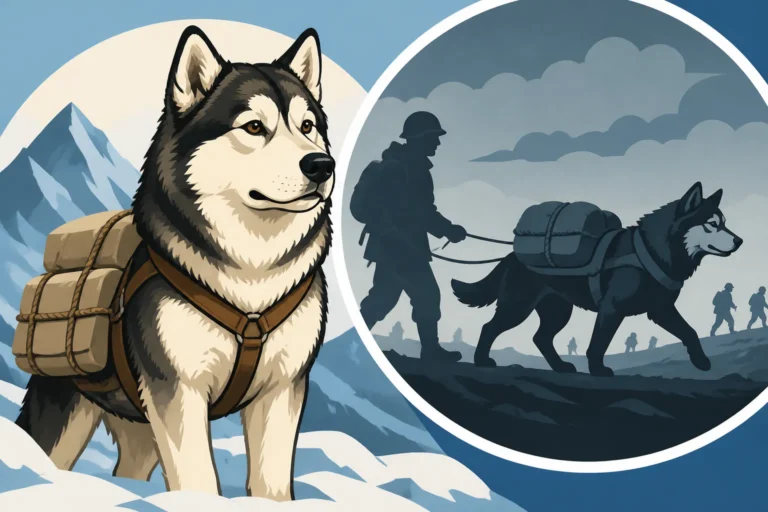
Beyond their role with the Mahlemut people, these powerful dogs quickly became indispensable to explorers, traders, and prospectors who ventured into the Alaskan wilderness. During the late 19th and early 20th centuries, as non-native populations increased due to the gold rushes and other resource booms, the demand for strong, dependable sled dogs soared. The Malamute's reputation as a tireless freight dog meant they were highly sought after. They proved their mettle time and again, hauling critical supplies through blizzards and over treacherous mountain passes, enabling many of the heroic expeditions that opened up Alaska.
These dogs weren't just beasts of burden; they were integral to the daily lives of families and communities. They protected homesteads, accompanied hunters, and provided companionship in isolated outposts. Their intelligence, loyalty, and sheer will to work cemented their place in the hearts and history of Alaskans long before any official designation was considered.
The Campaign to Honor the Alaskan Malamute
The idea of selecting an official state dog typically arises from deep affection and respect for a particular breed that embodies the spirit and history of the state. For Alaska, the choice for its official canine representative was a natural one. The campaign to name the Alaskan Malamute as the state dog was born out of a profound appreciation for its historical contributions and symbolic qualities.
Local Advocacy and Passion
The push to recognize the Alaskan Malamute as the state dog wasn't a top-down mandate; it was largely driven by grassroots efforts, particularly from children. Students in Alaskan schools, learning about their state's history and unique culture, often spearheaded campaigns to select official state symbols. What better symbol for a state forged by wilderness and the power of dog teams than the breed that helped build it?
These young advocates, often inspired by their own Malamute companions or stories of pioneering sled dog teams, worked with teachers and local officials to draft proposals. Their enthusiasm was contagious, reminding adults of the profound and often understated role these dogs played in every aspect of Alaskan life. This kind of advocacy, steeped in local pride and personal connection, is often the most powerful.
The Legislative Process: From Idea to Law
Turning a passionate idea into official state law requires navigating the legislative process. Typically, this involves a bill or resolution being introduced in the state legislature. For the Alaskan Malamute, proponents had to articulate why this particular breed, among all the other incredible sled dogs, truly represented Alaska. They highlighted its ancient ties to indigenous Alaskans, its role in exploration and commerce, and its embodiment of traits like strength, endurance, and loyalty—qualities Alaskans themselves value highly.
Presentations were made, testimonies given, and discussions held. While seemingly straightforward, passing such a bill requires broad support and often involves educating lawmakers on the breed's specific contributions. It’s a moment when history, culture, and public sentiment all converge to create a lasting tribute.
The Official Designation: A Moment of Pride
After much advocacy and legislative consideration, the day finally arrived when the Alaskan Malamute officially became the state dog. This was a significant moment, not just for dog enthusiasts, but for all Alaskans who saw a part of their heritage recognized.
The Year It Happened: 2010
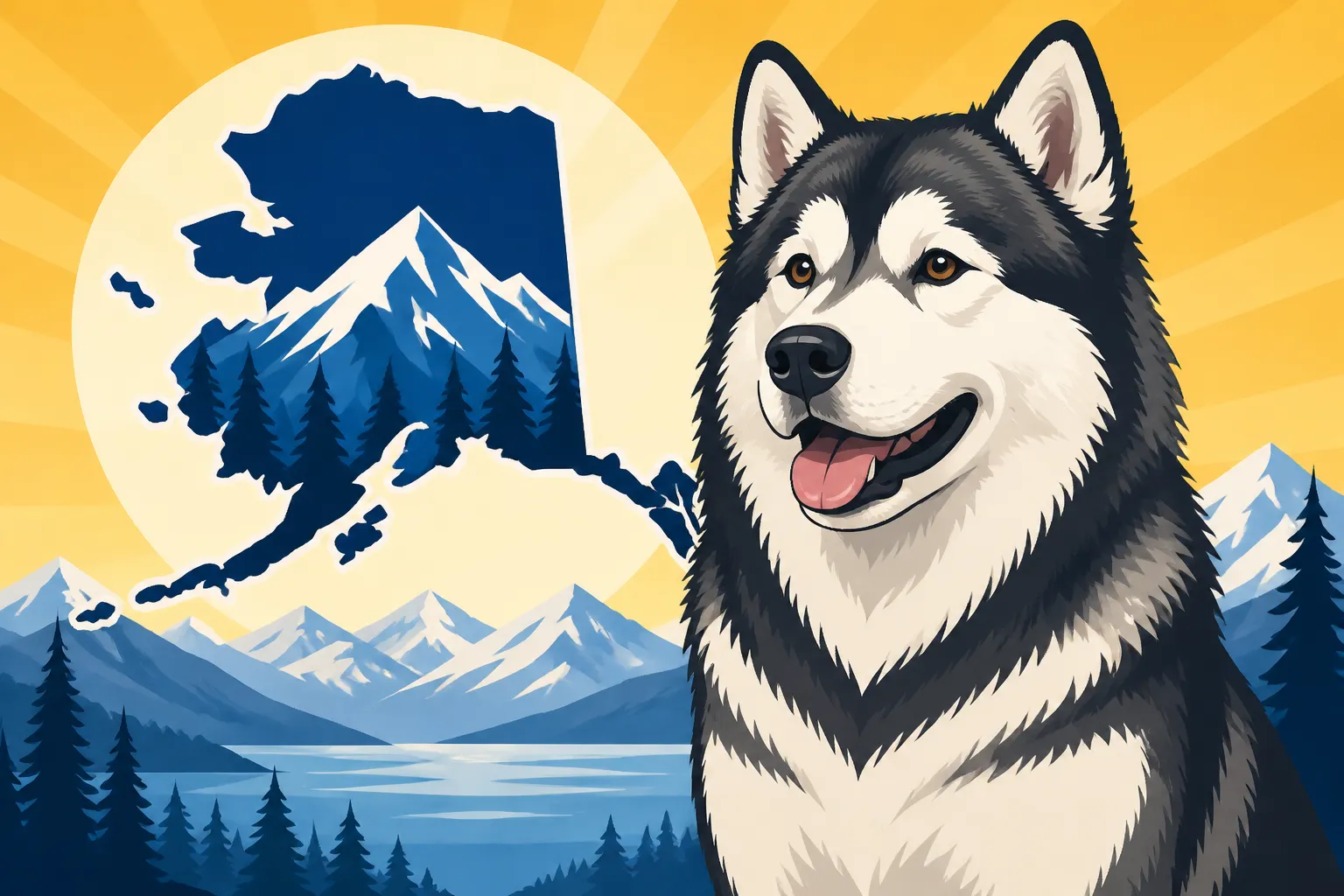
It was in 2010 that the Alaskan Malamute was officially named the state dog of Alaska. This landmark decision came after years of discussion and a concerted effort by supporters who recognized the breed's unparalleled connection to the state's past and present. The legislation, signed into law, solidified the Malamute's status as a symbol of Alaska's rugged spirit and enduring traditions.
This designation wasn't just a symbolic gesture; it was a formal acknowledgment of the breed's foundational role in the development and survival of communities across the vast territory. It cemented its place alongside other state symbols like the Forget-Me-Not (state flower) and the Willow Ptarmigan (state bird), reflecting the unique identity of the 49th state.
What the Designation Meant for the Breed and the State
For the Alaskan Malamute breed, the state dog designation brought a renewed sense of pride and recognition. It underscored their unique history and purpose, distinguishing them from other Nordic breeds. For breeders and owners, it validated their efforts to preserve the integrity and working abilities of a truly remarkable dog. It also helped raise awareness about the breed's origins and characteristics, educating the public on what makes a Malamute so special.
For the state of Alaska, the Malamute became a living emblem. It represents the perseverance required to live in such a demanding environment, the beauty of adaptation, and the invaluable partnership between humans and animals that shaped the state's narrative. It’s a testament to the raw power and gentle spirit that defines both the breed and the land it calls home. Today, you can read more about its status in The Alaskan Malamute Is Alaska's State Dog.
| Year | Event | Significance for Alaskan Malamute |
|---|---|---|
| Pre-1800s | Mahlemut people develop breed | Origins of the breed, bred for freighting and survival in Arctic. |
| 1800s-1900s | Gold Rush & Exploration | Malamutes become vital partners for prospectors and explorers. |
| 1935 | AKC Recognition | American Kennel Club recognizes the Alaskan Malamute as a distinct breed. |
| 1959 | Alaska Becomes a State | The possibility of a state dog is created. |
| Early 2000s | Student-led Advocacy | Campaigns begin by Alaskan students to designate the Malamute as state dog. |
| 2010 | Official State Dog Designation | Alaskan Malamute formally named state dog, cementing its historical and symbolic importance. |
More Than a Symbol: The Malamute's Enduring Legacy
The Alaskan Malamute's status as the state dog isn't just a historical footnote; it's a living, breathing testament to its enduring legacy. These dogs continue to embody the spirit of Alaska, even as the world around them changes. Their resilience, strength, and unwavering heart speak volumes about the kind of companion they are, both in a working capacity and as a cherished family member.
A Symbol of Resilience and Heritage
Every time an Alaskan Malamute is seen, whether in a sled harness pulling a freight rig or simply enjoying a walk in a suburban park, it carries with it a piece of Alaskan history. Their very existence is a nod to the spirit of resilience, mirroring the determination of the Mahlemut people and early pioneers who carved out a life in a land of extremes. This breed reminds us of the power of nature and the incredible bonds that can form between humans and animals.
They are a tangible link to the past, reminding us of the days when dog teams were the primary mode of transportation and survival. They stand as a symbol of rugged beauty and unyielding loyalty, traits that are deeply admired and celebrated in Alaskan culture. It's a powerful connection to the wild heart of the state.
Continued Importance in Modern Alaska
While dog sledding for transportation is less common today, Malamutes still play vital roles. Many continue to excel in modern sledding sports, weight pulling, and skijoring, showcasing their innate desire to work and pull. They are also highly valued as companions, bringing joy and a touch of the wild to families across the state and beyond. Even in urban settings, their strength and endurance make them fantastic partners for active families who understand their needs.
Their legacy is also preserved through dedicated breed clubs and rescue organizations that work tirelessly to protect their health and welfare. Whether it's ensuring proper nutrition for their unique metabolism or finding the right gear for adventures, modern Malamute owners often seek out reliable sources for supplies, like those found through vendors such as Chewy, to ensure their beloved companions thrive. These efforts ensure that the spirit of the Alaskan Malamute, and its connection to the state, will continue for generations to come.
Educating Future Generations
The state dog designation also serves an important educational purpose. It sparks curiosity in children and adults alike, encouraging them to learn more about Alaska's history, its indigenous cultures, and the incredible role animals have played in shaping human civilization. It fosters an appreciation for working breeds and the importance of preserving their natural instincts and traits.
By recognizing the Alaskan Malamute, Alaska ensures that future generations will understand the profound contributions of these magnificent dogs. It teaches us about adaptability, partnership, and the indelible mark that specific breeds can leave on the cultural identity of an entire region. It’s a story of survival, companionship, and enduring pride that continues to be told through every powerful stride of an Alaskan Malamute.
Disclaimer
This article is for general informational purposes only and does not constitute professional advice. Laws, prices and regulations vary by location and change over time. Consult a qualified professional for guidance on your specific situation.