Why a Malamute Deters Nobody
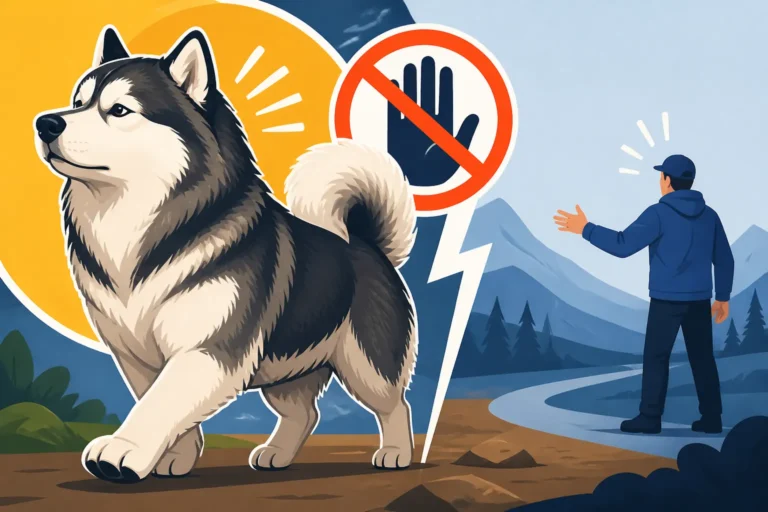
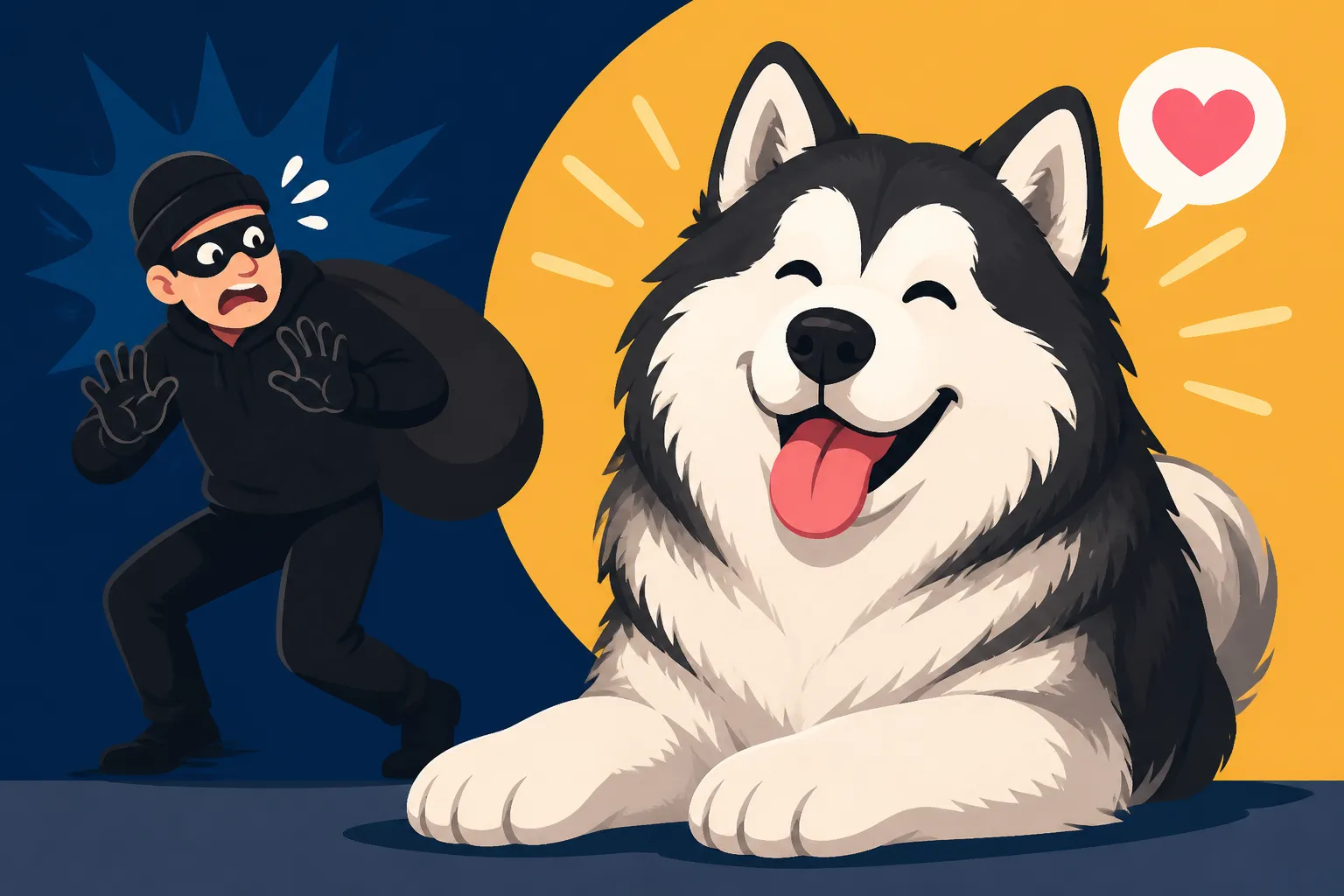
It’s a common misconception, isn’t it? You get a big, imposing Alaskan Malamute, and you naturally assume their size alone will be enough to deter any unsavory characters from your doorstep. After all, they look like wolves! But the reality for many Malamute owners is a far cry from this protective ideal, often leading to surprise, mild frustration, and a quick re-evaluation of home security. This guide is here to shed light on why your majestic Malamute, despite their impressive stature, is unlikely to be your first line of defense against intruders, and what you can actually count on for security.
The Malamute Temperament: A Friendly Giant, Not a Guard Dog
Let’s be honest: when you see a magnificent Alaskan Malamute, with their powerful build and striking appearance, it’s easy to assume they possess an inherent guarding instinct. They look tough, they look capable. But their true nature, deeply rooted in their history and purpose, tells a very different story. These are dogs bred for loyalty, companionship, and a cooperative spirit with their human teams, not for intimidating strangers.
Bred for Cooperation, Not Confrontation
The Alaskan Malamute’s ancestors worked closely with the Mahlemut people in the harsh Arctic environments. Their job was vital for survival: pulling heavy sleds, aiding in hunts, and being indispensable members of the family unit. This wasn't a breed tasked with protecting territory or livestock from human intruders. Instead, their success depended on their ability to get along with people, both within their own community and with visiting groups. A dog that was overly suspicious or aggressive towards humans would have been a liability, not an asset, in these close-knit, survival-focused societies.
Think about it: a dog that needed to be fiercely independent or hostile towards any human presence would make it impossible to work effectively in a team, or even share a close living space. Their role required a fundamental trust and sociability with people. This historical blueprint means that today's Malamute carries a genetic predisposition for friendliness and an eagerness to engage with humans, rather than to scare them off. They are, by their very nature, more likely to invite a belly rub than issue a warning bark.
The "Woo" and Greeting Rituals
If you’re a Malamute owner, you’re probably familiar with the famous Malamute "woo." It's a delightful, often complex, vocalization that sounds somewhere between a howl, a moan, and a song. This "woo" is a classic Malamute greeting, and it's far from intimidating. When a stranger approaches your home, your Malamute is much more likely to offer a happy, resonant woo-woo-woo than a deep, menacing growl. They might even prance around, tail wagging, inviting interaction. What a Malamute's Woo Actually Means
Their greeting rituals are often all about engagement. They might lean into a new person, offer a playful nip, or even try to solicit pets. While their size can initially be startling, their body language and vocalizations quickly communicate their friendly intentions. It’s hard to feel truly threatened by a dog that is literally serenading you and nudging your hand for attention, even if that dog weighs upwards of 80 pounds. Their enthusiasm for new people is often one of their most endearing, if not security-conscious, traits (see How an Alaskan Malamute Greets Strangers).
What a Malamute Actually Does When Someone Knocks
So, the doorbell rings. Or there’s a knock at the door. What's the typical Malamute reaction? If you're expecting a ferocious guardian snarling behind the door, ready to intimidate any unexpected visitor, you're likely in for a humorous disappointment.
The Bark That Isn't a Threat
Alaskan Malamutes are not known for being prolific barkers. When they do bark, it’s often in excitement, boredom, or as a form of communication, rather than a territorial warning. Many Malamute owners can attest to their dogs being more vocal with howls and "woos" than with traditional barks. How Little an Alaskan Malamute Barks
When someone knocks or rings the doorbell, a Malamute's typical response is usually one of curiosity and excitement. They might let out a few excited barks – not the deep, chesty, warning barks of a German Shepherd or Rottweiler, but rather sharp, high-pitched "alert" barks that sound more like "Someone's here! Let's play!" or "Ooh, new person!" They're more interested in who is there and what fun they might bring than in guarding the premises. This enthusiasm, while adorable, doesn't exactly scream "danger, keep out" to a determined intruder.
The Open-Door Policy
Imagine this scenario: you're expecting a package, but you're in the shower. The delivery driver knocks. Your Malamute, hearing the sound, bounds to the door, tail wagging like a metronome gone wild. When you eventually get to the door, pulling on a towel, you might find your Malamute already nose-to-hand with the delivery person, happily receiving head scratches, or even trying to lick their face through the crack in the door.
This is the Malamute's "open-door policy." They often view new arrivals as potential friends, not threats. Their instinct isn't to create a barrier or stand guard; it's to investigate, engage, and perhaps even escort the "intruder" inside for further inspection (and hopefully, more pets). This gregarious nature means that for a true intruder, a Malamute might simply be a large, furry obstacle to navigate around, or worse, a dog easily distracted by a friendly word or a tasty treat. Their desire for social interaction often overrides any latent territorial instincts.
Why You Can't Train a Malamute to Be a Guard Dog
It’s tempting, once you realize your Malamute isn't a natural deterrent, to think you can simply train them to be one. You might think, "Well, they're smart, they can learn!" While Malamutes are intelligent and capable of learning many commands and tasks, trying to force them into a guard dog role is not only often futile but can also be detrimental to their temperament and well-being.
Instinct Over Instruction
Guard dog behavior isn't just a set of commands; it's an ingrained instinct, a fundamental drive that is present in certain breeds. Breeds like German Shepherds, Doberman Pinschers, or Beaucerons have generations of selective breeding behind them that emphasize traits such as suspicion of strangers, territoriality, and a willingness to protect their family and property with their lives. These are not learned behaviors in the same way "sit" or "stay" are; they are inherent parts of their genetic makeup that are then refined through specialized training.
The Alaskan Malamute simply doesn’t possess these innate guarding instincts. Their historical role required sociability, not suspicion. Trying to train a Malamute to be a guard dog is like trying to teach a fish to climb a tree – it goes against their fundamental nature. You can teach them to bark on command, or even to look intimidating, but you cannot instill that deep, protective, territorial drive that defines a true guard dog. You're trying to put a square peg in a round hole, and it will inevitably lead to frustration for both you and your dog. Why Force Fails on an Alaskan Malamute
Potential Behavioral Fallout
Attempting to train a Malamute to be aggressive or suspicious when their natural inclination is to be friendly can lead to serious behavioral issues. Instead of a reliable guard dog, you might end up with a confused, anxious, or unpredictably reactive dog. Here’s why:
- Confusion and Stress: Forcing a dog to act against its natural temperament creates immense stress. A Malamute told to "guard" or "be aggressive" when its instinct is to be friendly will be in a constant state of conflict. This internal struggle can manifest as anxiety, fear, or even aggression stemming from confusion rather than true protective drive.
- Unpredictable Aggression: A stressed or fearful dog can become unpredictably aggressive. Instead of a controlled, deterrent behavior, you might get a dog that nips out of fear, or reacts poorly to unfamiliar situations because it's been taught that all strangers are a threat, even when they mean no harm. This is not only dangerous for others but also unfair to the dog, which is simply trying to understand what you want from it.
- Damaged Temperament: A well-adjusted Malamute is a joy – friendly, confident, and social. Trying to turn them into something they're not can undermine these wonderful qualities, leading to a dog that is less happy, less stable, and potentially more prone to genuine behavioral problems down the line. It's crucial to appreciate and work with their breed-specific traits, rather than against them. How Likely an Alaskan Malamute Is to Bite
How to Provide Security with a Malamute in the Home
Given that your Alaskan Malamute is more likely to offer a welcoming "woo" than a growl to a stranger, it's important to adjust your expectations regarding their role in home security. While they might not be the guard dog you envisioned, they certainly aren't useless when it comes to keeping your home safe. It's all about understanding their strengths and supplementing them with appropriate security measures.
The Visual Deterrent (and Nothing More)
Let's be clear: a large dog, even a friendly one, can still serve as a visual deterrent. The sheer size of an Alaskan Malamute often causes people to pause. Most opportunistic intruders are looking for an easy target, and the presence of any large dog, especially one that looks somewhat wolf-like, can be enough to make them reconsider. They might assume the dog is protective, simply because of its appearance. This initial visual impact is likely the most significant "deterrent" quality your Malamute possesses.
However, this is a superficial deterrent. A seasoned or determined intruder will quickly assess the dog's true temperament. If they see a tail wagging or hear a welcoming vocalization, the visual deterrent dissolves. Therefore, while your Malamute's majestic presence might make some people think twice, it's crucial not to rely on this alone for serious security. It's more of a happy accident than a reliable line of defense.
Reliable Home Security Measures
Since your Malamute excels as a companion rather than a guard dog, it's wise to invest in practical, reliable home security measures. Think of your Malamute as an early warning system for your ears, rather than a physical barrier for an intruder. They might alert you to a presence with an excited bark or woo, giving you time to react.
Here are some actual security measures that complement your Malamute's friendly nature:
- Robust Locking Systems: Good quality deadbolts on all exterior doors and secure window locks are your first and best defense. Don't skimp on these.
- Alarm Systems: A professionally monitored alarm system provides tangible protection. If an intruder attempts to enter, the alarm will sound, alerting both you and authorities. Many systems even offer pet-friendly sensors so your Malamute can roam freely indoors without triggering false alarms.
- Secure Fencing: For a Malamute, a secure yard isn't just about containment; it's about making your property less accessible to unwanted visitors. Malamutes are notorious diggers and escape artists, so a fence that is both tall and deeply buried or reinforced at the bottom is essential. Fencing a Yard Against a Malamute That Was Bred to Dig Consider a fence that offers privacy to prevent people from easily casing your home and seeing your dog's friendly disposition.
- Exterior Lighting: Motion-activated lights around your home can surprise and deter intruders, illuminating their presence and making them feel exposed.
- Door and Window Sensors: Simple contact sensors on doors and windows can alert you the moment they are opened, giving you precious seconds to respond.
- Video Doorbells and Security Cameras: Devices like video doorbells (e.g., from brands you might find on Amazon) allow you to see and speak to visitors, even when you're not home. Security cameras provide monitoring and recorded evidence, which is invaluable. These are real deterrents, unlike your Malamute's enthusiastic greetings.
Ultimately, your Alaskan Malamute is an incredible, loving companion. They offer boundless affection, joy, and a unique personality that enriches your life. Embrace them for who they are – magnificent, friendly giants – and ensure your home's security is handled by systems designed for that specific purpose. Your Malamute's job is to steal your heart, not to scare off burglars. Why the Alaskan Malamute Is Not a Guard Dog
| Feature / Trait | Alaskan Malamute | Traditional Guard Dog (e.g., German Shepherd) |
|---|---|---|
| Primary Instinct | Companionship, Work, Sociability | Protection, Territoriality, Suspicion |
| Greeting Strangers | Friendly, curious, often seeks attention | Reserved, watchful, often suspicious, may challenge |
| Vocalizations | Woos, howls, excited barks | Deep, authoritative barks, growls, warnings |
| Response to Intruder | Curiosity, potential play invitation | Confrontation, restraint, alert, potential attack |
| Trainability for Guarding | Very difficult, goes against nature | Highly trainable, builds on natural instinct |
| Reliable Deterrent | Visual only, easily overcome | Highly reliable, both visual and active |
| Best Role in Home | Loving companion, family member | Protector, working dog, family guardian |
Disclaimer
This article is for general informational purposes only and does not constitute professional advice. Laws, prices and regulations vary by location and change over time. Consult a qualified professional for guidance on your specific situation.