Whether an Alaskan Malamute’s Muzzle Should Be Checked Weekly
It’s easy to get lost in the sheer volume of fluff that makes up an Alaskan Malamute, isn't it? Their glorious double coats are a marvel, but they can also be excellent at hiding things – from tiny ticks to more serious underlying skin issues. One area that often gets overlooked, yet is surprisingly vulnerable and indicative of overall health, is your Malamute's muzzle. Many owners wonder if a weekly check is truly necessary, and the honest answer is yes, absolutely. This guide will walk you through why and how to give this crucial area the attention it deserves.
Why Your Malamute's Muzzle Needs Regular Scrutiny
Your Malamute's muzzle isn't just for looking magnificent and occasionally "talking" to you; it's a hardworking part of their body, constantly exploring, sniffing, and, let's be honest, getting into things. The thick fur around it, while beautiful, can be a perfect camouflage for problems.
Beyond the Fluff: What the Coat Hides
The dense, luxurious double coat of an Alaskan Malamute, particularly around their face and muzzle, is designed to protect them from harsh Arctic conditions. However, this same protective layer can inadvertently become a hiding spot for a multitude of issues. Imagine trying to spot a tiny cut or a subtle rash when you're dealing with inches of thick undercoat and coarse guard hairs. It's like finding a needle in a haystack, but the needle is your dog's discomfort. Malamutes are also notoriously stoic animals; they were bred to work tirelessly and often don't show obvious signs of pain or irritation until a problem has become quite advanced. A slight itch or a minor abrasion might go completely unnoticed until it develops into a full-blown infection or a visible lesion, simply because the fur concealed it so effectively.
This means you can't rely solely on your Malamute to tell you something is wrong. Their incredible tolerance to discomfort, a trait honed by generations of demanding work, means that by the time they show a clear symptom like persistent scratching or rubbing their face, the issue could have progressed. Regular, hands-on examination, pushing past the outer layer of fur, is the only way to catch these subtle changes early. It’s about becoming intimately familiar with what their normal skin and fur look and feel like, so any deviation immediately stands out.
Common Muzzle-Related Issues in Alaskan Malamutes
The muzzle area is susceptible to a range of specific problems that are either unique to Malamutes or particularly prevalent in the breed. One of the most common concerns for Malamute owners is Zinc Responsive Dermatosis. This genetic condition affects the body's ability to absorb zinc, leading to characteristic crusting, scaling, and hair loss, often starting around the eyes, mouth, and pressure points. The muzzle is a prime location for these early signs to manifest. You might notice dry, flaky skin, or small scabs that seem to appear out of nowhere. Checking for this regularly is vital because early intervention with appropriate zinc supplementation, often prescribed by a vet, can prevent severe discomfort and secondary infections. You might be surprised to learn how many Malamutes need a little extra help with zinc, and it's something often discussed when considering Zinc Is the Thread Running Through Three Malamute Diseases.
Beyond zinc issues, simple cuts and scrapes are also common. Malamutes love to investigate, dig, and play rough, and their muzzles are often the first point of contact with the world. They might brush against thorns, scrape their face on a rock while digging, or get a minor wound during a wrestling match with another dog. These small injuries can easily become infected in a warm, moist environment like under thick fur. Food sensitivities or environmental allergies can also present as redness, itching, or small bumps around the muzzle. Sometimes, even just the friction from a harness or collar can cause irritation if not fitted correctly. Lastly, don't forget dental health; while not directly skin, a painful tooth or gum infection can manifest as swelling or sensitivity around the muzzle, sometimes leading to rubbing or scratching. It's a complex little area that truly benefits from dedicated attention.
The Weekly Muzzle Check: A Step-by-Step Guide
Making muzzle checks a routine, positive experience is key. It's not just about looking for problems; it's about bonding with your Malamute and building trust.
Gathering Your Tools and Creating a Calm Environment
Before you even begin, set yourself and your Malamute up for success. Choose a quiet time when your dog is relaxed, perhaps after a walk or a good chew session when they're naturally calmer. Avoid times when they're hyped up or expecting a meal. The goal is to make this a pleasant, predictable ritual, not a wrestling match.
You won't need much, but having a few items handy makes the process smoother:
- Good lighting: Natural daylight is ideal, but a bright lamp or even a headlamp can help you see tiny details hidden by the fur.
- High-value treats: These are non-negotiable! Use treats your Malamute absolutely loves to reward their cooperation. Little pieces of cheese, cooked chicken, or even a dollop of peanut butter on a spoon can work wonders.
- A soft, damp cloth: For gently wiping away any debris or crusting you might find.
- Optional: A fine-toothed comb or brush: Sometimes helpful for carefully parting the fur, especially in thick areas.
Start by having your Malamute sit or lie down in a comfortable position. Speak to them in a calm, reassuring voice. Offer a treat simply for being still and letting you approach their head. This isn't just about inspecting; it's about conditioning them to enjoy, or at least tolerate, being handled around their face. You want them to associate this routine with positive reinforcement, not with being restrained or uncomfortable. Consistency is far more important than speed or thoroughness initially. Build up the duration and intensity of the check over time.
What to Look For During Your Inspection
Once your Malamute is settled and accepting your presence, it's time to begin the actual inspection. Be methodical and gentle, working through each area of the muzzle.
-
Start with a visual scan: From a slight distance, look at the overall symmetry of their face. Are both sides of the muzzle the same? Do you notice any obvious swelling, redness, or patches of missing fur? Pay attention to the hair texture; sometimes, zinc deficiencies can cause the fur to become coarse or brittle. This initial overview can sometimes reveal glaring issues right away.
-
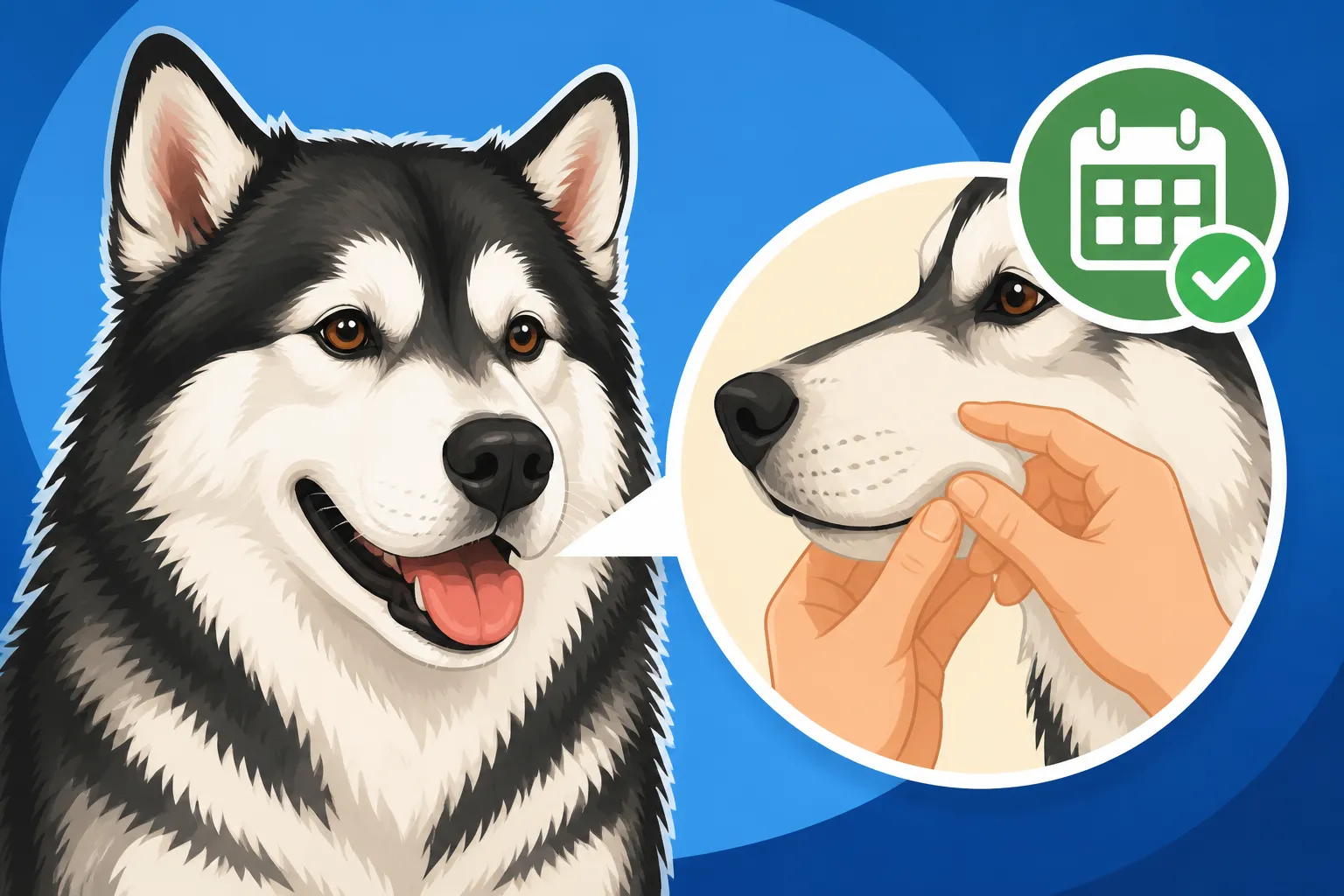
Part the fur and examine the skin: This is where the real work begins. Gently use your fingers to part the dense fur around their nose, lips, chin, and cheeks. Look at the skin underneath. What color is it? Healthy skin should be a pale pink or grey, depending on your Malamute's pigmentation. Look for:
- Redness or inflammation: This could indicate irritation, an allergic reaction, or the start of an infection.
- Crusting or flaking: This is a classic sign of Zinc Responsive Dermatosis in an Alaskan Malamute. You might see dry, white flakes or yellowish, greasy crusts. Pay particular attention to the areas right around the nostrils and lips, as this is often where Whether a Malamute's Muzzle Crusts First and crusting often begins.
- Bumps, scabs, or pimples: These could be insect bites, minor abrasions, follicular infections, or allergic reactions.
- Hair loss: Patches of thinning or missing fur, especially if accompanied by redness or irritation, are a red flag.
- Any unusual growths: While rare, new lumps or bumps should always be noted and monitored.
-
Check the nostrils and lips: Ensure the nostrils are clear and free of discharge. A little moisture is normal, but thick, colored discharge is not. Gently lift their lips to inspect the gums and teeth. Are the gums pink and healthy, or red and inflamed? Do you notice any broken teeth, excessive tartar, or unusual odors? Foul breath can sometimes be a sign of dental problems that might be impacting the surrounding muzzle area.
-
Palpate gently: Using your fingertips, gently feel along the bones and soft tissues of the muzzle. Are there any tender spots? Does your Malamute flinch or pull away? Feel for any swelling or hardness that isn't normally there. This can help detect pain associated with underlying dental issues or deeper skin inflammation.
Throughout this process, offer continuous praise and treats. If your Malamute shows any sign of discomfort, pause, reassure them, and try again gently. If they are in significant pain, stop and consider it a cue to consult your veterinarian.
When to Seek Professional Advice (and What to Expect)
Knowing when a small concern warrants a trip to the vet versus something you can monitor at home is crucial for any Malamute owner. Overreacting to every tiny bump can be costly and stressful, but ignoring serious signs can have dire consequences.
Red Flags That Warrant a Vet Visit
While a minor scratch might heal on its own with a little gentle cleaning, certain signs on your Malamute's muzzle should always prompt a call to your veterinarian. These are the red flags that suggest something more than routine care is needed:
- Persistent or worsening redness and swelling: If the area remains red, feels hot to the touch, or becomes noticeably swollen over 24-48 hours, it could indicate a spreading infection or a significant allergic reaction.
- Deep cuts, punctures, or open wounds: Any wound that looks deep, is bleeding heavily, or appears to be gaping should be professionally assessed to prevent infection and ensure proper closure.
- Excessive scratching, rubbing, or self-trauma: If your Malamute is constantly pawing at their face, rubbing it on furniture, or showing signs of intense itchiness that doesn't resolve quickly, it suggests significant discomfort. This persistent irritation can quickly lead to secondary bacterial or yeast infections.
- Unusual discharge: Any thick, discolored discharge from the nostrils or around a lesion (yellow, green, or foul-smelling) points strongly to an infection requiring antibiotics or other specific treatments.
- Visible pain: If your Malamute cries out, snaps, or recoils significantly when you try to examine their muzzle, it means they are in pain. A vet can accurately diagnose the source and provide pain relief.
- Non-healing lesions or unexplained growths: Any scab that doesn't heal, a patch of crusting that spreads, or a new lump or bump that doesn't disappear on its own after a week or two should be examined. This is especially true if you're noticing crusting that fits the description of Whether a Malamute's Crusty Skin Means Zinc Deficiency.
Remember, your Malamute's comfort and health are paramount. When in doubt, it's always better to err on the side of caution and get a professional opinion.
The Vet's Role in Diagnosing Muzzle Issues
When you bring your Malamute to the vet with a muzzle concern, be prepared for a thorough examination and potentially some diagnostic tests. Your vet will start with a comprehensive physical exam, including a detailed inspection of the affected area. They'll ask about the onset of symptoms, any changes in diet, new environmental exposures, or any other health issues your Malamute might have.
Depending on their initial findings, your vet might recommend several diagnostic steps:
- Skin scrapes: This involves gently scraping a small sample of skin from the affected area to look for mites (like Demodex) under a microscope.
- Cytology: Swabbing or pressing a slide onto a lesion to collect cells and look for bacteria, yeast, or inflammatory cells. This helps determine if there's a secondary infection.
- Fungal culture: If ringworm or other fungal infections are suspected.
- Biopsy: For persistent or unusual growths, a small tissue sample might be taken and sent to a lab for histopathology to identify cell types and rule out more serious conditions.
- Blood tests: If a systemic issue is suspected, such as a zinc deficiency, your vet might recommend blood work. This is particularly relevant given the breed's propensity for Zinc Responsive Dermatosis in an Alaskan Malamute.
- Dietary trials: For suspected food allergies, your vet might recommend a novel protein or hydrolyzed protein diet. Online retailers like Chewy often carry prescription veterinary diets, or you might look into fresh food options like those offered by Ollie, under veterinary guidance, to see if a change in ingredients improves the skin condition.
Once a diagnosis is made, treatment options will vary widely. For zinc-responsive dermatosis, it will likely involve zinc supplementation, often a specific type like zinc methionine. Your vet will advise on the correct dosage, and these supplements can often be sourced from reputable online pet supply stores like Chewy or Amazon once you have a vet's recommendation. For infections, antibiotics or antifungals will be prescribed. Allergies might be managed with antihistamines, steroids, or immunotherapy. Cuts will be cleaned, and possibly stitched. The key is to follow your vet's instructions precisely, as consistent treatment is vital for recovery. Understanding How a Malamute's Zinc Deficiency Is Treated is a good start for common conditions.
Proactive Care for a Healthy Malamute Muzzle
Prevention is always better than cure, especially when it comes to keeping your Malamute's magnificent muzzle healthy and free from irritation. A holistic approach focusing on diet, environment, and regular grooming can make a world of difference.
Dietary Considerations and Supplements
The adage "you are what you eat" holds true for our Malamutes, especially when it comes to skin health. A high-quality, balanced diet is the cornerstone of a healthy coat and skin. For Alaskan Malamutes, with their predisposition to zinc-responsive dermatosis, diet plays an even more critical role. It’s not just about the amount of zinc in their food, but its bioavailability – how easily their body can absorb and utilize it. Some common ingredients, like excessive calcium or certain grains high in phytates, can actually interfere with zinc absorption. This is why discussing your Malamute’s diet with your vet is so important, especially if you're wondering Whether a Malamute's Zinc Problem Is Diet or Genetics or if you're seeing any skin issues.
If your vet determines your Malamute has a zinc deficiency, they will likely recommend specific zinc supplements. These aren't just any old supplement off the shelf; they're typically formulated for canine absorption. You might find these recommended supplements through your vet's office, or through large online retailers like Chewy or Amazon, but always ensure you're using the specific product and dosage prescribed by your vet. While some owners consider fresh food options like Ollie, it's crucial to formulate these diets carefully with a veterinary nutritionist to ensure they meet all the specific nutritional needs of a Malamute, particularly regarding zinc. Remember, Whether a Malamute Needs Zinc for Its Whole Life is a common question, and often the answer is yes, ongoing supplementation is required. A truly balanced diet supports not only their skin but their overall vitality, helping their immune system stay strong to ward off secondary infections on the muzzle or anywhere else.
Environmental Factors and Grooming Practices
Beyond diet, your Malamute's environment and your regular grooming routine significantly impact muzzle health. Think about what your Malamute’s nose and muzzle come into contact with daily. Are there dusty corners, irritating plants in the yard, or harsh cleaning chemicals used on floors where they might rest their face? Keeping their living areas clean and free of potential irritants can prevent a lot of minor skin woes. Regularly washing their food and water bowls, for instance, prevents bacterial buildup that could contribute to skin issues around their mouth.
Grooming, specifically around the muzzle, needs a gentle touch. While you might consider yourself a hands-on owner, some tasks like detailed dematting or intense cleaning might sometimes be better left to professionals. You might even wonder Whether a Malamute Owner Can Skip the Groomer Entirely, but for intricate coat care, it can be really beneficial. Regularly brushing your Malamute, even around the face, helps to remove loose hair and debris, preventing matting and allowing you to inspect the skin more easily. A soft brush or even just your fingers can work well for this. For general body brushing, knowing Which Brush Gets Through a Malamute's Undercoat is invaluable. If your Malamute tends to get wet around the muzzle after drinking, gently patting the area dry can prevent moisture-related skin irritation or yeast overgrowth, especially in the folds of their lips. Avoid using human shampoos or harsh soaps on their sensitive facial skin; always opt for dog-specific, mild, and preferably hypoallergenic products if a wash is needed. Consistent, gentle care will keep their muzzle looking and feeling its best, minimizing the chances of problems developing unseen beneath that magnificent coat.
Common Muzzle Issues & Signs
Here's a quick reference table for some common muzzle-related issues you might encounter with your Alaskan Malamute, and the signs to watch out for during your weekly checks.
| Issue | Common Signs to Look For | Urgency to See Vet |
|---|---|---|
| Zinc Responsive Dermatosis | Crusting, flaking, hair loss around nose, lips, eyes; thickened skin; redness; itchiness. | Moderate to High |
| Allergies (Food/Environmental) | Redness, itchiness, rash, small bumps, swelling; may be seasonal or diet-related. | Moderate |
| Minor Cuts/Abrasions | Visible cut, scrape, or wound; localized redness; potential scabbing. | Low to Moderate |
| Bacterial/Yeast Infection | Redness, pus, foul odor, excessive scratching, swelling, warmth to touch. | High |
| Dental Disease | Swelling around jaw/muzzle, pawing at mouth, bad breath, difficulty eating, gum inflammation. | High |
| Insect Bites/Stings | Localized swelling, redness, pain, small bump; may be sudden onset. | Low to Moderate |
This article is for general informational purposes only and does not constitute professional advice. Laws, prices and regulations vary by location and change over time. Consult a qualified professional for guidance on your specific situation.