Which Expeditions Used Alaskan Malamutes
It’s easy to look at our cuddly, fluffy Alaskan Malamutes curled up on the sofa today and forget the incredible, arduous history that shaped them. These magnificent dogs weren't always just beloved family members; for centuries, and particularly during a pivotal era of human exploration, they were the indispensable engines of survival and discovery in the world's most unforgiving frozen landscapes. This guide will delve into the legendary expeditions where Alaskan Malamutes, or their direct ancestors, etched their powerful legacy into the annals of polar exploration.
The Malamute's Inherent Suitability for Expedition Work
Before we talk about specific expeditions, it's vital to understand why the Alaskan Malamute was the dog of choice for such brutal endeavors. Their very nature, refined over millennia by the Mahlemut people of the Arctic, made them uniquely equipped to face conditions that would break lesser animals and even humans.
Bred for Freight, Not Speed
Unlike their leaner, speedier cousins, the Siberian Huskies, Malamutes were never intended for racing. Their original breeders, the Mahlemut, needed dogs that could haul substantial loads – think heavy hunting kills, shelter materials, and entire families' possessions – across vast, often treacherous distances. This meant a stockier build, powerful musculature, and an unshakeable determination to keep going, even when the going was incredibly tough. These aren't sprinters; they are the ultimate marathoners of the frozen north.
Imagine trying to transport hundreds, even thousands, of pounds of supplies across miles of deep snow and ice, with no roads, no wheeled vehicles, and temperatures plummeting far below freezing. A team of twenty or thirty Malamute-type dogs could do it, day in and day out. Their sheer power and resilience meant they could continue pulling when other animals would falter, making them indispensable for anyone planning an extended stay in the polar regions. This core characteristic is beautifully captured in Freight, Not Speed: What Separates a Malamute From a Racing Dog.
Unrivaled Endurance and Toughness
The Malamute's physical makeup is a masterclass in adaptation to extreme cold. Their iconic thick double coat isn't just for show; it's a meticulously engineered insulating system, providing warmth even in the fiercest blizzards. Beneath that fur are robust bones and powerful muscles designed for sustained effort. Their paw pads are tough and well-insulated, able to withstand prolonged contact with ice and snow without freezing or cracking, a common issue for other breeds.
Beyond the physical, there's a mental toughness that truly sets them apart. These dogs possess an incredible drive to work, a tenacity that pushes them forward even when exhausted or hungry. They have an efficient metabolism, too, evolved to make the most of limited food resources, converting calories into sustained energy without requiring excessive amounts of food compared to their size. If you've ever wondered why your Malamute sometimes eats less than you'd expect, it harks back to this efficiency, a topic explored in The Efficient Metabolism That Surprises Every New Malamute Owner. This combination of physical resilience and mental fortitude was precisely what polar explorers needed in their four-legged companions.
Instinct for Survival in Harsh Climates
Malamutes carry generations of survival instincts deep within their DNA. They know how to survive in the wild, an essential trait for dogs venturing into uncharted, unforgiving territories where human resources were minimal. If a blizzard hit, they instinctively knew to dig deep snow dens for shelter, leveraging the insulating properties of snow to protect themselves from the brutal winds and temperatures. This ability wasn't just a convenience; it was often the difference between life and death for the dogs and, by extension, the expedition members relying on them.
Their strong sense of smell and inherent ability to navigate featureless white landscapes were also critical. When blizzards created white-out conditions, dogs could sometimes find the faint scent of a trail or the direction of camp, guiding their human companions when visual cues failed. Furthermore, their innate pack mentality meant they worked cohesively as a team, pulling together under immense pressure, a trait honed by their ancestral relationship with The Mahlemut of Kotzebue Sound Bred the Alaskan Malamute. These aren't just work animals; they are survivors, programmed for the very challenges faced on expeditions.
Arctic Conquests: Peary and the North Pole
When we speak of Arctic exploration and dogs, the name Robert Peary often comes to mind. His quest for the North Pole famously relied heavily on dog teams, showcasing the indispensable role of indigenous Malamute-type dogs in the most challenging environments on Earth.
Robert Peary's North Pole Expeditions
Robert Peary, an American explorer, made multiple attempts to reach the North Pole, culminating in his disputed claim of reaching it in 1909. His method was utterly dependent on sledge dogs, primarily indigenous Inuit dogs that were the direct ancestors of what we now recognize as the Alaskan Malamute. Peary understood that only these dogs possessed the strength and stamina to haul the massive amounts of supplies needed for such a monumental journey.
His expeditions often involved dozens, sometimes over a hundred, dogs. These teams weren't just for primary transport; they were used in a "relay" system. Smaller support teams would break trail, lay depots, and return to base, while the main assault party pushed forward with fresh dogs and supplies. The dogs faced unimaginable hardships: extreme cold, often inadequate food rations, brutal ice conditions, and relentless work. Many perished from exhaustion, exposure, or starvation. While today we look back with sadness at the sacrifices these animals made, their efforts were undeniably central to whatever success Peary achieved.
The Importance of Dog Teams in Polar Logistics
In the early 20th century, mechanical transport was rudimentary and completely unsuitable for the deep snow and extreme cold of the Arctic. Airplanes were unreliable, snowmobiles non-existent, and motor sledges often broke down or sank in the soft snow. Dogs were the only reliable form of transportation. They could navigate terrain that vehicles couldn't, cross unstable ice, and operate in temperatures that would freeze engines solid.
Beyond pure locomotion, dog teams provided vital companionship and an emergency food source, albeit a tragic last resort, for the humans and the remaining dogs when all other supplies ran out. The planning involved in managing these large teams was immense, from sourcing and training the dogs to carrying enough food for them – a task that often meant carrying more dog food than human food. Each dog was a living, breathing, working part of the expedition's survival mechanism. The extreme cold they operated in is a stark contrast to modern concerns about The Temperature at Which a Malamute Should Stay Indoors.
Antarctic Ventures: Byrd and Operation Highjump
While Malamutes are synonymous with the Arctic, their strength and utility were also recognized for expeditions to the Earth's other frozen continent, Antarctica. Admiral Richard Byrd’s extensive operations after World War II notably deployed numerous Alaskan Malamutes.
Admiral Richard Byrd's Antarctic Expeditions
Admiral Richard Byrd was a renowned American naval officer and polar explorer who conducted multiple scientific expeditions to Antarctica. While earlier expeditions relied on various breeds, by the mid-20th century, the specialized capabilities of the Alaskan Malamute were well-understood. A prime example is Operation Highjump (1946-1947), a massive United States Navy expedition to Antarctica involving thousands of personnel, ships, and aircraft. The mission’s goal was primarily scientific and military training, mapping, and establishing research bases.
For the crucial task of heavy freighting across the Antarctic ice sheets, specifically bred Alaskan Malamutes were brought in. These were not just any dogs; they were selected for their lineage, strength, and endurance. The Antarctic presented its own unique challenges compared to the Arctic; while often colder, the ice was generally more stable and the distances even vaster, requiring consistent, reliable hauling power over months of isolation. The Malamutes were instrumental in establishing the advanced bases and moving the colossal amounts of gear needed for scientific study in such a remote environment.
Malamutes in Scientific and Military Endeavors
In Operation Highjump and subsequent Antarctic explorations, Malamutes weren't just pulling sleds of human supplies. They hauled tons of scientific equipment, heavy fuel drums, building materials for prefabricated structures, and communication gear. These "dog sled patrols" were the backbone of inland transport, reaching areas inaccessible by other means and providing critical reconnaissance.
Their adaptability and strength were key to the success of complex logistical operations. These expeditions had a quasi-military structure, and the dogs effectively served as a specialized transport unit. While the question Whether Malamutes Served in the Second World War typically refers to more conventional wartime roles, operations like Highjump demonstrate their strategic importance in large-scale logistical and exploratory ventures, even in the post-war era. The Malamutes performed with unwavering dedication, enduring long periods of confinement on ships during transit and then facing the unrelenting cold and isolation of the Antarctic wilderness.
Roald Amundsen and the Race to the South Pole
One of the most famous and successful uses of sled dogs in polar exploration belongs to Norwegian explorer Roald Amundsen. His victory in the race to the South Pole against Robert Falcon Scott is a testament to his understanding and strategic deployment of dogs.
Amundsen's Strategic Use of Dogs
Roald Amundsen, with his extensive experience in Arctic travel, knew that dogs were the key to success in the polar regions. When he famously diverted his original North Pole expedition to become a race for the South Pole, he did so with an unwavering belief in dog power. Amundsen's approach was intensely pragmatic, often shocking to modern sensibilities but highly effective for survival in that era. He relied on Greenland Dogs, closely related to Malamutes, known for their immense strength and hardiness.
Amundsen’s strategy involved taking a large number of dogs, knowing that as the journey progressed, some would be culled. This wasn't done out of cruelty, but as a grim necessity: the culled dogs would provide fresh meat for the remaining dogs, keeping them strong, and also for the men, offering a vital protein source when other provisions ran low. This harsh but effective plan allowed his teams to maintain peak performance deep into the continent, a stark contrast to the struggles of Robert Falcon Scott, who opted for ponies and early motor sledges, both of which failed dramatically in the extreme conditions. Amundsen’s dogs, however, carried him and his team to victory, ensuring they were the first humans to stand at the South Pole in 1911.
The Legacy of Expedition Dogs
The use of dogs in polar expeditions, particularly Amundsen's methods, sparked considerable ethical debate that continues to this day. The idea of using dogs as a food source is deeply uncomfortable to many, yet in the context of survival at the ends of the Earth, it was a calculated decision that undeniably saved lives and achieved historic milestones. These journeys solidified the Malamute's (and related breeds') reputation as the ultimate heavy-duty sled dog, proving their capabilities far beyond what many could imagine.
The legacy of these expedition dogs is one of incredible fortitude, loyalty, and an unparalleled working drive. They endured immense suffering, yet continued to pull, driven by instinct and their bond with their human companions. Their contributions changed the course of exploration and helped humanity conquer some of Earth's last remaining frontiers. We owe them an immense debt of gratitude for the sacrifices they made in the name of discovery.
Modern Day Echoes of Expedition Work
While the age of grand polar expeditions powered solely by dog sleds has largely passed, the spirit and capabilities of the Alaskan Malamute live on in various modern activities, reflecting their enduring connection to work and strength.
Recreational Sledding and Weight Pull
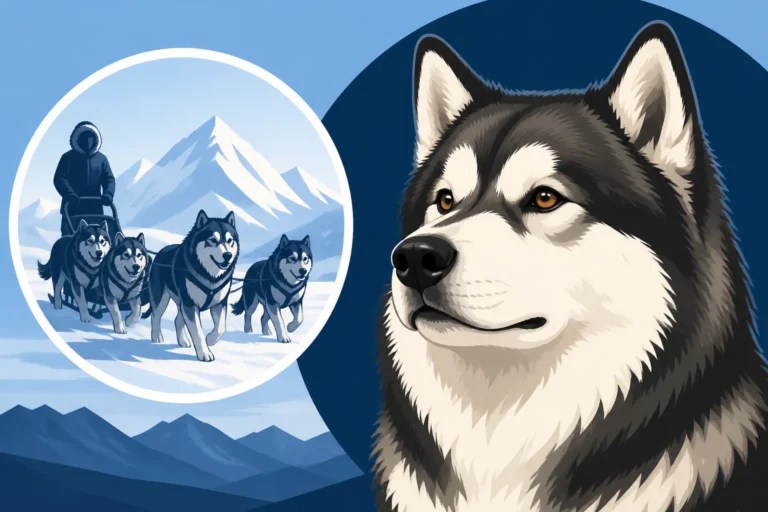
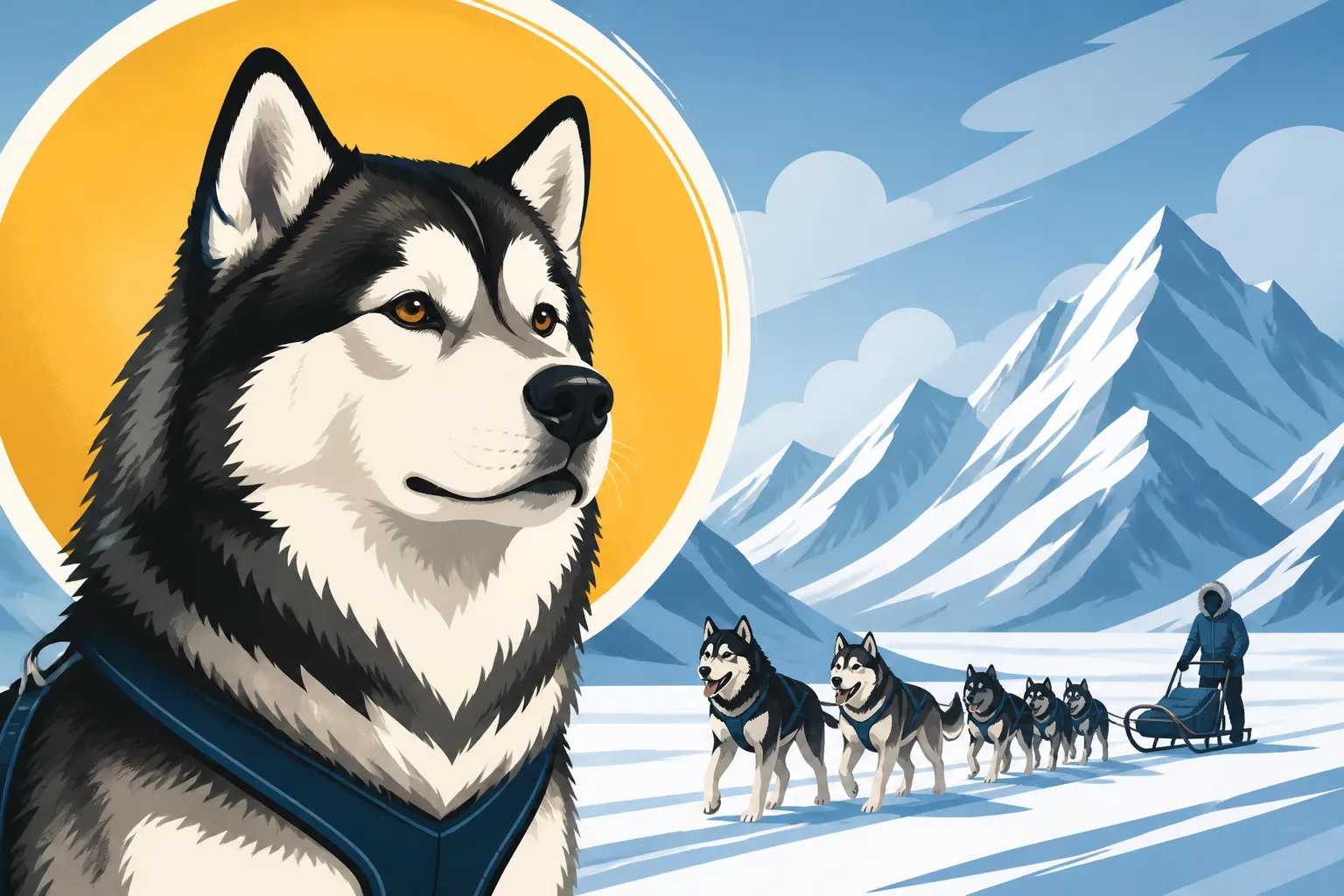
Today's Alaskan Malamute owners, deeply aware of their dogs' heritage, often seek to channel their natural instincts into fulfilling activities. Recreational dog sledding and carting are popular ways to let Malamutes do what they were bred for: pull. Whether on snow with a traditional sled or on dry land with a cart or scooter, these activities provide essential physical and mental stimulation. There's nothing quite like seeing a Malamute light up, eager to get into harness and pull, fulfilling an ancient drive that's still very much alive within them.
Weight pull is another sport that directly taps into the Malamute’s inherent strength and desire to haul. In these competitions, dogs pull weighted carts over a short distance, demonstrating incredible power and focus. It’s a way for owners to celebrate their dog’s unique capabilities in a safe, controlled environment. If you've ever observed a Malamute in a weight pull competition, you'd understand why Pulling Is the Only Job an Alaskan Malamute Really Wants is a sentiment many owners share. It allows them to use their bodies and minds in a way that resonates with their ancestors’ heroic efforts.
Search and Rescue and Service Roles
Beyond organized sports, Alaskan Malamutes still find important roles in service to humanity, particularly in environments that play to their strengths. Their powerful noses, incredible stamina, and resilience in cold weather make them excellent candidates for search and rescue operations, especially in wilderness settings where finding lost individuals in challenging terrain is paramount. While their independent nature requires consistent training, a well-trained Malamute can be an invaluable asset in locating avalanche victims or hikers lost in remote, snowy areas.
Although not as common in formal service dog roles as some other breeds, their intelligence and imposing presence can also make them suitable for specific tasks, sometimes even as therapy dogs in settings where their calm demeanor and soft fur are appreciated. This showcases their versatility, moving beyond the physical demands of historical expeditions to adapt to contemporary needs, while still retaining the core traits that made them legendary explorers.
| Expedition/Explorer | Primary Dogs Used | Key Contribution | Unique Challenges |
|---|---|---|---|
| Robert Peary | Inuit (Malamute-type) | Attempts to reach North Pole | Extreme cold, starvation, unstable ice floes |
| Roald Amundsen | Greenland Dogs (Malamute relatives) | First to reach South Pole, strategic use as food source | Uncharted territory, logistical planning, harsh weather |
| Richard Byrd (Operation Highjump) | Alaskan Malamutes | Establishing Antarctic research bases, heavy freighting | Vast distances, crevasse danger, intense cold |
The incredible journeys of these explorers, powered by the tireless efforts of their dog teams, remind us of the immense capabilities and enduring spirit of the Alaskan Malamute. They are truly living legends, and understanding their expedition history only deepens our appreciation for these magnificent animals.
Disclaimer
This article is for general informational purposes only and does not constitute professional advice. Laws, prices and regulations vary by location and change over time. Consult a qualified professional for guidance on your specific situation.