Whether Sunglasses Help a Day Blind Malamute
It's incredibly frustrating, isn't it? Watching your beloved Alaskan Malamute struggle in the bright sunshine, squinting, bumping into things, or just refusing to step out the door. You know they love to be outside, but their eyes just can't cope with the glare. It's heartbreaking to witness, and it's only natural to wonder if something as simple as a pair of sunglasses could offer them some much-needed relief and a better quality of life. This guide is here to thoroughly explore whether canine sunglasses can truly help a day-blind Malamute, diving into the specifics of their condition and the practicalities of eye protection.
Understanding Day Blindness in Alaskan Malamutes
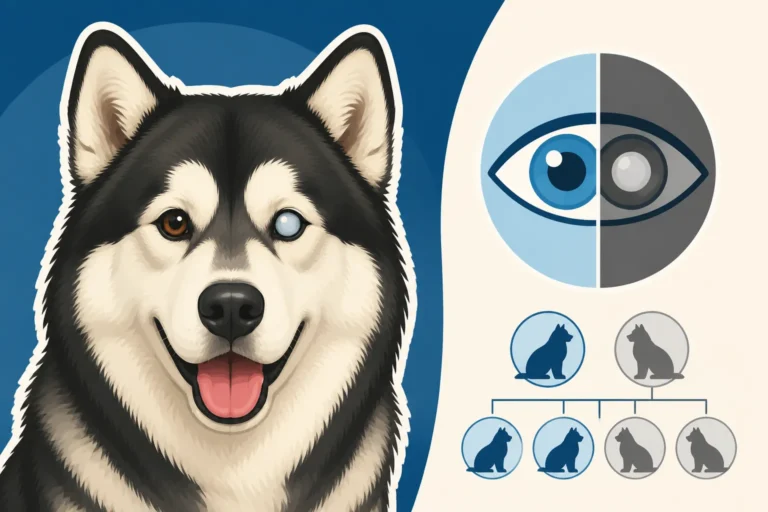
When we talk about a Malamute struggling in the sun, we're often looking at a specific genetic condition known as canine day blindness, or more formally, cone-rod dystrophy type 1 (CNGB3). It's a condition that can be truly perplexing for owners who aren't familiar with it, because it's so counter-intuitive.
What is Canine Day Blindness CNGB3?
Canine day blindness in Alaskan Malamutes is caused by a specific genetic mutation in the CNGB3 gene. This gene is responsible for producing a crucial protein in the cone cells of the retina. Cones are the photoreceptor cells in the eye that are responsible for vision in bright light and for distinguishing colors. When these cones don't function correctly due to this genetic flaw, dogs lose their ability to see clearly in well-lit environments.
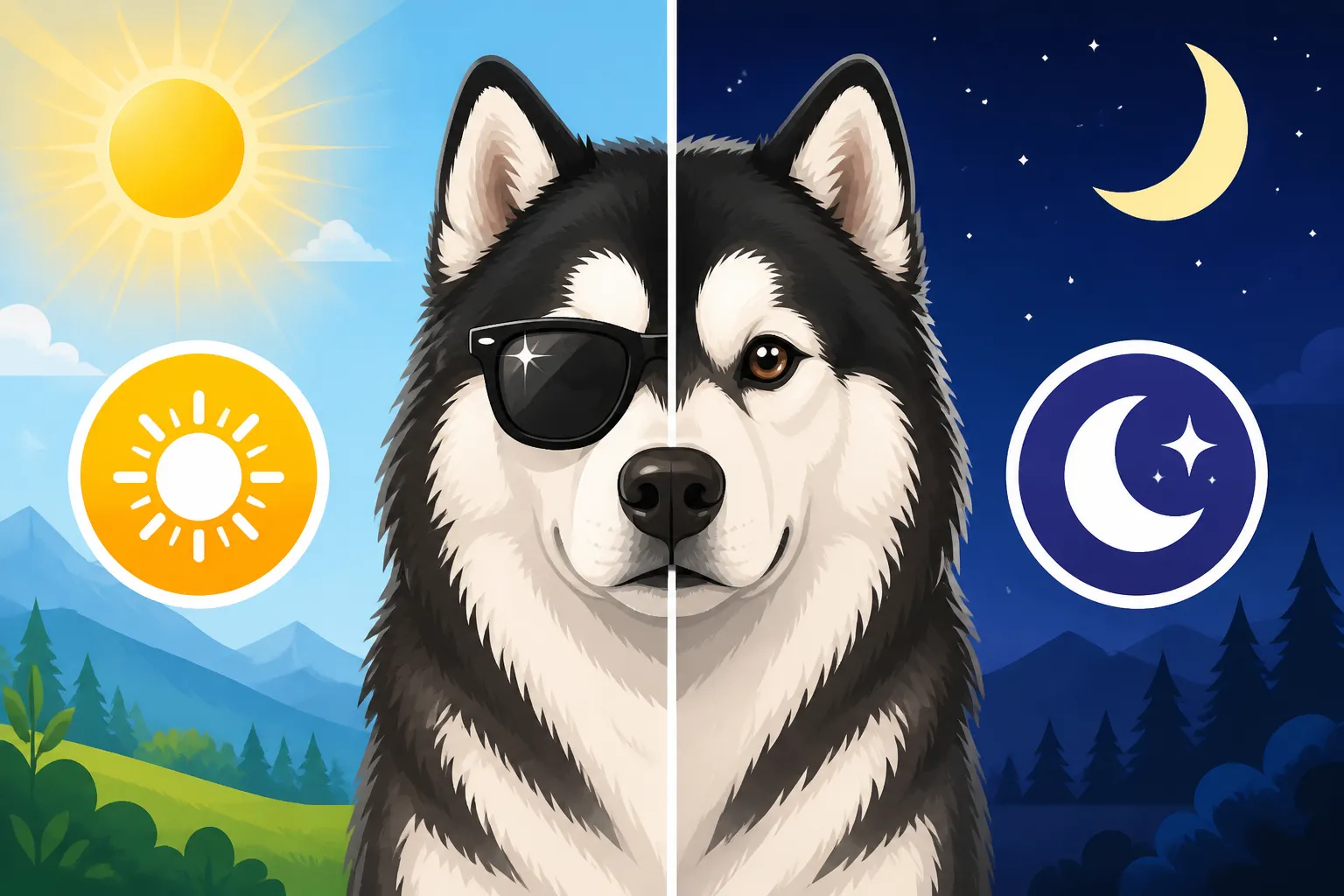
It's a common misconception that if a dog has a vision problem, it must be "night blindness." However, with CNGB3 day blindness, it's precisely the opposite. These dogs see relatively well in dim light or at night because their rod cells (which handle low-light vision) are generally unaffected. The struggle comes when the sun is high, or they are in a brightly lit room, which is exactly when you'd expect a normal dog to see best. This condition typically manifests in puppies between 8 to 12 weeks of age, often becoming noticeable as they start to explore the world more independently and encounter varied lighting conditions. Early detection through DNA testing is crucial for breeders and owners alike.
How a Day Blind Malamute Behaves in Sunlight
Imagine trying to navigate a world that's constantly glary, where everything is washed out and uncomfortable to look at. That's a bit like what a day-blind Malamute experiences in sunlight. Their behavior often gives them away. You might notice your Malamute squinting excessively, sometimes to the point where their eyes are almost completely shut, as if trying to block out the harsh light. They might blink rapidly or rub their faces with their paws, indicating discomfort.
Outdoors, they often become hesitant, slowing down, or even refusing to walk in bright, open areas. They'll actively seek out shade, sticking to the shadows along buildings or under trees, even on a cool day. When they do move in bright light, they might bump into familiar objects, misjudge distances, or appear disoriented, leading to a lot of stumbling. Their confidence plummets, and a previously outgoing dog might become withdrawn or anxious during daytime outings. Owners often describe a distinct improvement in their dog's demeanor and navigation skills as dusk approaches or indoors where lighting is subdued. This stark contrast in visual ability is a key indicator of day blindness. For a deeper dive into these behaviors, check out our guide on How a Day Blind Malamute Behaves in Sunlight and Why a Day Blind Malamute Sees Better at Dusk.
The Role of Eye Protection for Day Blind Malamutes
Given the challenges a day-blind Malamute faces, it's completely understandable that owners look for ways to help them cope. Eye protection, specifically in the form of sunglasses or goggles, often comes up as a potential solution. It's not a cure, but it can play a significant role in managing the condition.
Why Consider Sunglasses or Goggles for Your Malamute?
The primary reason to consider canine sunglasses or goggles for a day-blind Malamute is to alleviate the discomfort and visual impairment caused by bright light. Just as sunglasses help us reduce glare and see more clearly on a sunny day, the right eyewear can perform a similar function for our dogs. By filtering out excessive light, particularly harmful UV rays, these accessories can make the world a much more tolerable place for a dog with CNGB3.
Reducing glare means your Malamute might be able to open their eyes more comfortably, which in turn can lead to improved functional vision. While their underlying cone dysfunction won't be "fixed," the sheer reduction in overwhelming light can allow them to perceive shapes, obstacles, and their environment with less strain. Beyond simply improving comfort, canine goggles also offer a crucial layer of physical protection. A dog whose vision is compromised, especially one that might be bumping into things or hesitant on uneven terrain, is more susceptible to eye injuries from branches, dust, or other debris. For more on the impact of this condition, read What Day Blindness Does to a Malamute. Investing in quality eye protection can mitigate these risks and contribute to a safer, more confident outdoor experience.
Specific Features to Look for in Canine Eye Wear
Choosing the right eyewear isn't just about picking up the first pair of dog goggles you see. You need to consider several key features to ensure maximum benefit and comfort for your day-blind Malamute. The goal is protection and clarity, not just a fashion statement.
First and foremost, look for 100% UVA/UVB protection. This is non-negotiable. Just like human eyes, canine eyes can suffer damage from prolonged exposure to ultraviolet radiation, and a day-blind dog is often more exposed due to their discomfort in bright light. The lenses should explicitly state this level of protection.
Next, consider the lens tinting. Darker lenses are typically better for highly sensitive eyes and extremely bright conditions, as they'll filter out more light. Some brands offer interchangeable lenses, allowing you to switch between darker tints for intense sun and lighter tints for overcast days or less extreme brightness. For example, a mirrored lens can be great for snow glare, while a smoky gray might be better for general bright conditions.
Fit and comfort are paramount. An uncomfortable pair of goggles will be rejected immediately. Look for adjustable head and chin straps that allow for a snug, secure fit without being too tight or rubbing. Padded frames, often made of soft foam or silicone, are excellent as they sit gently on your Malamute's face and prevent chafing. Brands like Doggles and Rex Specs are widely recognized for their adjustable designs and comfortable fit, often using a single strap around the head and another under the chin. These are generally considered leading options in the market for their quality and design tailored to canine facial anatomy.
Finally, durability is important. Malamutes are active dogs, even if day blindness slows them down. The lenses should be impact-resistant and scratch-resistant to withstand outdoor adventures. Polycarbonate lenses are a good choice for this. Remember, this eyewear will be an ongoing tool in managing their condition, so it needs to hold up to regular use.
Here's a quick comparison of some popular canine goggle brands:
| Feature | Doggles (Originals/ILs) | Rex Specs (V2) |
|---|---|---|
| UV Protection | 100% UVA & UVB | 100% UVA & UVB |
| Lens Options | Various tints, including clear, smoke, mirrored | Interchangeable lenses (clear, smoke, mirrored, etc.) |
| Fit | Two adjustable straps (head & chin), flexible frame | Single wide adjustable strap, spherical lens |
| Frame Material | Flexible plastic, foam padding | Durable plastic, foam lining |
| Durability | Good for general use, lenses can scratch | High impact resistance, designed for active dogs |
| Target Use | Everyday sun protection, moderate activity | Extreme sports, working dogs, serious eye protection |
| Cost | Generally more affordable | Higher price point |
Practical Application and Management of Day Blindness
Getting your Malamute to happily wear eye protection can be a journey. Patience, consistency, and positive reinforcement are your best friends here. Beyond the goggles, a holistic approach to managing their environment can also make a world of difference.
Introducing Eye Protection to Your Malamute
Introducing any new item to a Malamute, especially something on their face, requires a gentle, step-by-step approach. You want them to associate the goggles with positive experiences, not fear or annoyance.
- Start Slow and Positive: Begin by simply showing your Malamute the goggles. Let them sniff them. When they do, immediately offer a high-value treat and praise. Repeat this several times over a few days.
- Touch and Reward: Next, gently touch the goggles to their head, then immediately remove and reward. Gradually increase the duration of the touch, working your way up to briefly placing them over their eyes.
- Short Wearing Sessions: Once they tolerate the goggles on their face for a few seconds, fasten the straps loosely. Keep it on for just 10-15 seconds, give a treat, praise, and remove them. Do this several times a day.
- Gradually Increase Time: Over days or weeks, slowly increase the duration they wear the goggles. Distract them with their favorite toys or a short training session while they're wearing them. Make it fun!
- Associate with Pleasant Activities: Put the goggles on right before a walk in the park (especially if it's a sunny day where they'll feel the benefit) or before a play session. They'll start to associate the goggles with things they enjoy.
- Patience is Key: Some Malamutes will adjust quickly, others will be more resistant. Never force the goggles on, and avoid scolding them if they try to paw them off. Simply remove them, take a break, and try again later. Consistency, even for just a few minutes at a time, will build tolerance. It's truly a testament to your bond and their trust in you.
Holistic Approaches to Managing Day Blindness
While canine sunglasses can be incredibly helpful, they're just one tool in your management toolkit. A comprehensive approach involves adjusting their environment and daily routine to minimize their struggles with bright light.
One of the most effective strategies is to manage outdoor exposure. Schedule walks and outdoor playtime for early mornings or late evenings when the sun is less intense. During peak sunlight hours, keep your Malamute indoors or in heavily shaded areas. If your yard lacks natural shade, consider installing a large umbrella, a shade sail, or even building a shaded kennel run. Many Malamutes love to dig cool hollows in the ground, so an owner may find that Giving an Alaskan Malamute Its Own Digging Pit provides relief.
Indoor lighting can also be adjusted. While you want good light for yourself, consider warmer, softer light bulbs in areas where your Malamute spends a lot of time. Avoid direct, harsh spotlights. Ensure their favorite resting spots are not directly in bright sunbeams.
Safety is paramount. Since their vision is impaired in bright light, ensure their indoor and outdoor environments are free of tripping hazards, especially during the day. Don't rearrange furniture suddenly, and keep pathways clear. When out on walks, always use a leash, and be extra vigilant for obstacles or sudden changes in terrain.
Finally, regular veterinary check-ups are essential. Even with day blindness, other eye conditions can arise, and your vet can monitor the overall health of your Malamute's eyes. They can also offer advice on any new developments or discomfort. Genetic testing, such as The CNGB3 Test for Malamute Day Blindness, can also confirm the diagnosis and inform breeding decisions. Managing a long-term condition like this can come with unexpected veterinary costs, so investing in pet insurance, like a comprehensive policy from Healthy Paws, can certainly offer peace of mind when managing a condition that may require ongoing veterinary care or specialist consultations. This kind of proactive financial planning allows you to focus on your Malamute's well-being without the added stress of unmanageable bills.
What to Expect and When to Consult Your Vet
It's important to set realistic expectations when using sunglasses for a day-blind Malamute. While they can provide significant relief, they are a management tool, not a magic cure. Knowing when to reach out to your veterinarian is also crucial for their ongoing eye health.
Realistic Expectations for Canine Sunglasses
Let's be clear: sunglasses for your day-blind Malamute will not "cure" their CNGB3 condition. The underlying genetic mutation affecting their cone cells remains. What they can do, however, is dramatically improve their comfort and quality of life in bright conditions. Think of it as providing them with a more functional visual experience.
You should expect to see a reduction in squinting and hesitation in bright light. Your Malamute might become more willing to venture outdoors during the day and navigate their environment with more confidence. For some dogs, the change can be quite profound, allowing them to enjoy activities they once shied away from. However, it's also important to understand that not every Malamute will fully embrace wearing goggles. Some may tolerate them well, while others might always try to paw them off, despite your best efforts at positive reinforcement. Persistence, patience, and finding the right fit and style are crucial. The goal is improvement and comfort, not a complete return to normal vision. Remember, Whether a Day Blind Malamute Can Live Normally often depends on how well their owners adapt to and manage their specific needs.
When to Seek Professional Veterinary Advice
Even with diligent use of eye protection and environmental management, it's vital to maintain regular contact with your veterinarian. They are your primary resource for managing your Malamute's eye health.
You should absolutely consult your vet if you notice any worsening of symptoms despite using goggles, or if their behavior suggests they are struggling more than usual. This could indicate other concurrent eye issues or a need to re-evaluate your management strategy.
Pay close attention to any signs of eye irritation or discomfort directly related to the eyewear. If the goggles are rubbing, causing redness, or if your Malamute develops discharge or excessively watery eyes, remove the goggles and contact your vet immediately. The fit might be incorrect, or there could be an allergic reaction or an underlying irritation that needs addressing.
Beyond day blindness, Malamutes can be prone to other eye conditions, so a regular eye exam is always a good idea. If you have concerns about any other changes in their vision, such as difficulty seeing in dim light (which would be unusual for a day-blind dog but important to rule out other issues), or changes in the appearance of their eyes, seek veterinary advice promptly.
Finally, if you are considering breeding your Malamute, or if you've recently acquired a puppy, discussing genetic testing for CNGB3 with your vet is paramount. This simple DNA test can definitively diagnose the condition or identify carriers, allowing for responsible breeding decisions that aim to eliminate this debilitating condition from future generations. For more information, explore resources like Day Blindness and the CNGB3 Test That Nearly Ended It in Malamutes and Whether a Malamute Puppy Should Be Tested for CNGB3. The Alaskan Malamute Club of America, for example, has made great strides in promoting screening, and it's worth knowing Whether Day Blindness Still Occurs in Malamutes today.
Disclaimer
The information provided in this guide is for general educational purposes only and should not be considered a substitute for professional veterinary advice. Always consult with a qualified veterinarian regarding your Alaskan Malamute's specific health concerns, diagnosis, and treatment options.