Whether a Malamute’s Crusty Skin Means Zinc Deficiency
It’s absolutely heartbreaking to see your beautiful Alaskan Malamute start to develop crusty, scaly patches on their skin. You groom them diligently, feed them well, and provide all the love in the world, so when these unsightly, often itchy, lesions pop up, it’s natural to feel a surge of worry and frustration. This guide will walk you through what crusty skin on your Malamute might mean, specifically focusing on its potential link to zinc deficiency, and what steps you can take to help your furry companion.
Understanding Crusty Skin on Your Malamute
When you first notice something isn't quite right with your Malamute's magnificent coat and skin, it can feel like a punch to the gut. Crusty skin isn't just a cosmetic issue; it's often a sign that something deeper is going on. For Malamute owners, this can be particularly concerning given the breed's known predispositions.
What Crusty Skin Can Look Like
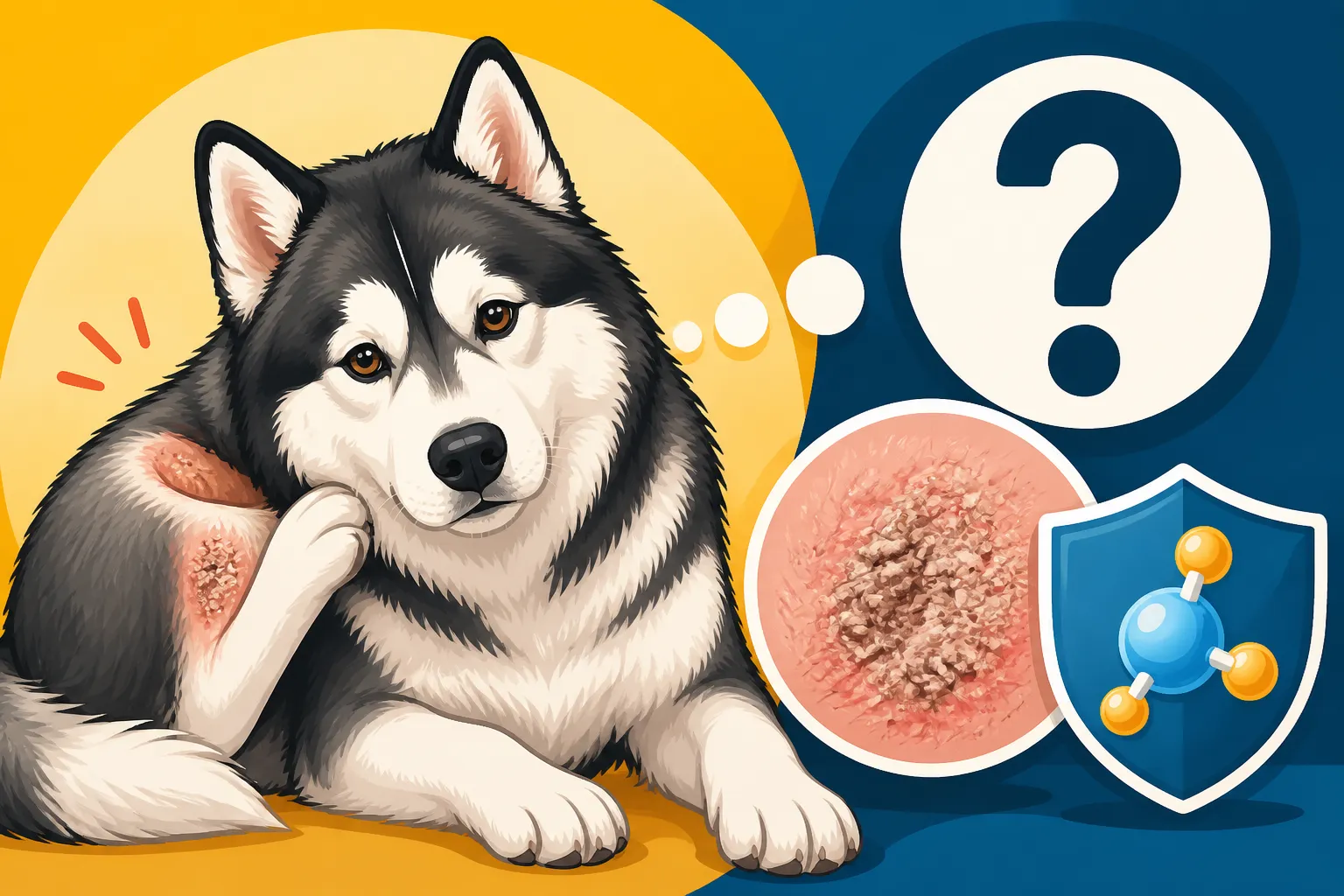
Crusty skin on a Malamute can manifest in various ways, and it’s not always uniform across their body. You might first spot it as a slight roughening of the skin, almost like a dry, flaky patch, often accompanied by some hair loss. As it progresses, these areas can become thicker, more pronounced, and truly crusty, often resembling scabs or dried-on secretions. The skin underneath might be red, inflamed, and sometimes even ooze a little, which can then dry to form an even more pronounced crust.
Think about the areas that might experience more friction or pressure, like the elbows, hocks, or the bridge of the nose. These are often prime spots for these lesions to begin. You might also notice it around the eyes, forming a spectacle-like pattern, or on the edges of the ears, which can become brittle and sore. It’s not just about the appearance; these spots are often intensely itchy, leading your Malamute to scratch, rub, or lick, which only exacerbates the problem and can lead to secondary infections.
Why It's Often Misdiagnosed
One of the most frustrating aspects of crusty skin, especially when it’s linked to zinc deficiency, is how easily it can be mistaken for other common canine skin problems. You might go to your vet, and they might initially suspect allergies, a bacterial skin infection (pyoderma), or a fungal issue like ringworm. These conditions often present with similar symptoms – redness, scaling, itching, and hair loss. It's a classic case of symptoms overlapping, leading to a diagnostic merry-go-round that can leave both you and your Malamute feeling miserable and frustrated.
This diagnostic challenge isn't helped by the fact that Malamutes, like many larger breeds, can also suffer from environmental allergies or food sensitivities that cause skin irritation. So, a vet might rightly explore these common avenues first. The real kicker is that a zinc deficiency can also lead to secondary bacterial or yeast infections, further clouding the diagnostic picture. This makes it incredibly important to communicate your concerns thoroughly and advocate for a comprehensive investigation into the root cause.
The Link to Zinc
For Alaskan Malamutes, zinc holds a special, and sometimes problematic, place. The breed is genetically predisposed to a condition called Zinc Responsive Dermatosis (ZRD), where their bodies either can't absorb zinc properly from their diet or need a significantly higher amount of it than other breeds. It’s not necessarily that your dog's food is deficient in zinc; it’s more about their unique metabolism and how they process this essential mineral.
Zinc is crucial for countless bodily functions, especially for healthy skin and immune system function. When a Malamute isn't getting enough bioavailable zinc, their skin cells can't regenerate properly, leading to the characteristic crusting, scaling, and hair loss. This isn't just a minor dietary tweak; it’s a genetic quirk that often requires lifelong management. Understanding this predisposition is key to getting an accurate diagnosis and effective treatment, saving your Malamute from prolonged discomfort and you from endless worry.
The Tell-Tale Signs of Zinc Responsive Dermatosis
Knowing what to look for can make all the difference in catching Zinc Responsive Dermatosis early and getting your Malamute the help they need. These signs are often quite specific, once you know them, and go beyond just general itchiness.
Where You'll See It First
One of the classic hallmarks of ZRD in Malamutes is the location of the lesions. While any area can be affected, certain spots are prime indicators. You’ll often notice the crusts first on the bridge of the nose, sometimes extending to the area around the nostrils. It looks almost like a dry, cracked, or even ulcerated patch that just won't heal. This can be quite painful for your dog, making them reluctant to let you touch their muzzle.
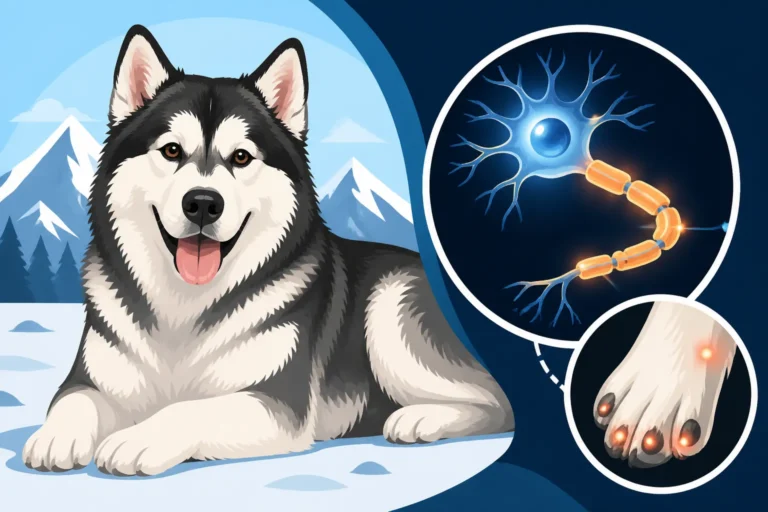
Another very common area is around the eyes, often creating a 'spectacle' appearance where the skin is red, flaky, and crusty, losing hair in the process. The outer ear flaps, particularly the tips and edges, can also become scaly and crusty, sometimes feeling thick and leathery. Don't forget about the "pressure points" – the elbows, hocks, and other areas where the skin frequently touches surfaces. These spots can develop thick, hyperkeratotic (thickened) skin that looks quite unsightly and feels rough to the touch. Finally, the paw pads can become incredibly hard, cracked, and painful, making walking uncomfortable for your usually robust dog. It's truly a distinctive pattern that, once recognized, can quickly point towards a zinc issue.
Beyond Just Crusts
While crusty skin is the most prominent symptom, ZRD often brings a whole host of other skin-related issues. Hair loss, or alopecia, is almost always present in the affected areas. The skin might become quite oily or greasy in some spots, while in others it's excessively dry and scaly. You might also notice significant dandruff that doesn't resolve with regular grooming. This isn't just regular shedding; it's a pathological shedding of skin cells.
The intense itching associated with ZRD can lead to self-trauma, as your Malamute scratches, rubs, and licks the affected areas. This constant irritation breaks the skin barrier, making it ripe for secondary bacterial and yeast infections. You might notice pustules (small pus-filled bumps), redness, and a strong, sometimes yeasty, odor coming from their skin. These secondary infections can be incredibly uncomfortable and can mask the underlying zinc deficiency if not properly investigated, requiring their own course of antibiotics or antifungals to clear up. Checking your Malamute's skin weekly can help you catch these changes early.
Behavioral Changes and Overall Health
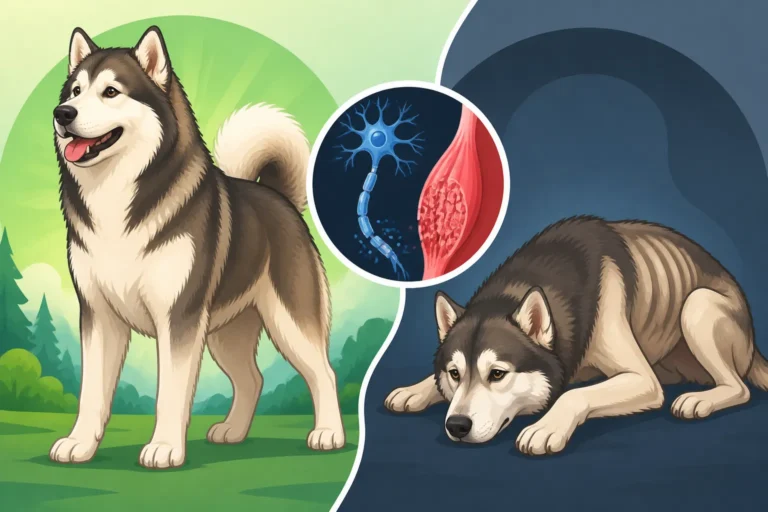
It’s not just skin deep; a chronic condition like ZRD can take a toll on your Malamute's overall well-being and behavior. If your dog is constantly itchy, uncomfortable, and dealing with painful skin lesions, it’s going to impact their mood and energy levels. You might notice them becoming more lethargic, less interested in play, or simply not as vibrant as usual. They might seem more withdrawn or even irritable if the itching and pain are severe.
Loss of appetite can also occur, especially if the lesions around their mouth or nose make eating uncomfortable. In some cases, chronic zinc deficiency can even affect their immune system more broadly, making them more susceptible to other illnesses. While it’s rare for ZRD to be life-threatening if left untreated, it significantly diminishes your Malamute’s quality of life. Recognizing these subtle shifts in behavior alongside the skin changes is crucial. A happy, healthy Malamute should be full of zest, and if yours isn't, it's a clear signal to investigate further.
Diagnosing Zinc Deficiency in Malamutes
Pinpointing zinc deficiency isn't always straightforward, and it really highlights the importance of working closely with your veterinarian. You can't just guess; proper diagnosis is key to effective treatment.
The Importance of a Vet Visit
When you suspect ZRD, the first and most critical step is a visit to your veterinarian. Trying to self-diagnose and treat with over-the-counter supplements can be not only ineffective but potentially harmful if the issue isn't zinc or if you administer too much. Your vet will perform a thorough physical examination, taking into account the unique breed characteristics of your Alaskan Malamute and asking detailed questions about the onset and progression of the skin issues, your dog’s diet, and any other symptoms you've observed.
They'll consider your Malamute's age, as ZRD often manifests in young adults, though it can appear at any age. This initial visit is about ruling out other possibilities and setting the stage for more targeted diagnostics. Remember, your vet is your partner in your Malamute's health, and their expertise is invaluable in navigating complex conditions like ZRD. Pet insurance, like that offered by Healthy Paws, can be incredibly helpful for covering the costs of these diagnostic work-ups and ongoing treatments, easing the financial burden during a stressful time.
Diagnostic Tests Your Vet Might Run
While there's no single "magic bullet" test for ZRD, your vet will likely employ a combination of diagnostics. A skin biopsy is often considered the most definitive test. This involves taking a small tissue sample from an affected area, which is then sent to a veterinary dermatopathologist. The pathologist looks for characteristic changes in the skin cells that are consistent with zinc deficiency, such as hyperkeratosis (excessive thickening of the outer layer of skin) and parakeratosis (retention of nuclei in that outer layer). These findings, when paired with the clinical signs, strongly point to ZRD.
Blood tests to measure zinc levels are sometimes performed, but these can be tricky. Systemic zinc levels in the blood don't always accurately reflect the zinc status within the skin cells, so a normal blood zinc level doesn't necessarily rule out ZRD. Your vet might also recommend a diet trial, especially if food allergies are suspected, or specific tests for bacterial or fungal infections to ensure any secondary issues are identified and treated. Ultimately, a definitive diagnosis often comes from the combination of clinical signs, characteristic biopsy results, and a positive response to zinc supplementation.
Differentiating from Other Skin Conditions
Because the symptoms of ZRD can overlap with other skin issues, your vet will need to systematically rule them out. Here's a table comparing ZRD with some other common conditions that might cause crusty skin in your Malamute:
| Condition | Key Symptoms | Common Locations | Diagnostic Clues |
|---|---|---|---|
| Zinc Responsive Dermatosis | Crusting, scaling, hair loss, redness, itching, thickened paw pads, secondary infections. | Muzzle, around eyes, ears, elbows, hocks, paw pads. | Breed predisposition, characteristic skin biopsy, response to zinc supplementation. |
| Allergies (Environmental/Food) | Itching (often intense), redness, recurrent ear infections, hair loss, skin thickening. | Paws, ears, armpits, groin, face (less specific pattern than ZRD). | Elimination diet trials (food), intradermal/blood allergy testing (environmental). |
| Hypothyroidism | Hair loss (often symmetrical, non-itchy), dull coat, dry skin, weight gain, lethargy, cold intolerance. | Flanks, tail, bridge of nose. | Blood tests measuring thyroid hormone levels (T4, fT4, TSH). |
| Bacterial Skin Infection (Pyoderma) | Pustules, papules (red bumps), crusts, redness, itching, odor. | Can be anywhere, often in skin folds or damaged areas. | Skin cytology (microscopic exam of skin cells), bacterial culture and sensitivity testing. |
| Fungal Infection (e.g., Ringworm) | Circular lesions with hair loss, scaling, crusting, redness; can be itchy. | Anywhere, common on head, ears, paws. | Fungal culture, Wood's lamp exam (some strains fluoresce), microscopic exam of hair. |
As you can see, the specific pattern of skin lesions and a Malamute’s breed predisposition are strong indicators that guide the diagnostic process. Your vet will rule out issues like Whether a Malamute's Thyroid Disease Is Mistaken for Zinc Deficiency to ensure the correct treatment path.
Treating and Managing Zinc Responsive Dermatosis
Once a diagnosis of ZRD is confirmed, the good news is that it’s usually very manageable, though it does require consistent, lifelong commitment from you. The goal is not just to clear up the current lesions but to prevent future flare-ups.
Zinc Supplementation
The cornerstone of treating ZRD is zinc supplementation. This isn't just about adding a bit of zinc to their food; it's about providing a specific form and dosage that your Malamute's body can actually absorb and utilize effectively. Typically, your vet will prescribe a zinc salt, such as zinc methionine, zinc sulfate, or zinc gluconate. Zinc methionine is often favored because it’s a chelated form, meaning the zinc is bound to an amino acid, which enhances its absorption. Your vet will determine the appropriate dose, which is usually higher than the maintenance dose found in most dog foods.
It's crucial to follow your vet's instructions precisely, as too much zinc can also be harmful, potentially causing gastrointestinal upset or interfering with the absorption of other essential minerals like copper. Generally, an initial higher dose is given to resolve the active lesions, followed by a maintenance dose that your Malamute will likely need for the rest of their life. This is why it’s called Zinc Responsive Dermatosis – the skin literally responds to the zinc. For more details on this, you can look into articles like How a Malamute's Zinc Deficiency Is Treated and Whether a Malamute Needs Zinc for Life.
Dietary Considerations
While zinc supplementation is primary, diet also plays a supporting role. It's important to understand that in ZRD, the issue isn't typically a lack of zinc in the food, but rather a problem with the Malamute's ability to absorb it. However, certain dietary components can further hinder zinc absorption. High levels of calcium, for instance, can interfere with zinc uptake in the gut. Some grains contain phytates, which can also bind to zinc, making it unavailable for absorption. While raw or grain-free diets might sound appealing, the actual impact on zinc absorption for a Malamute with ZRD isn't always straightforward, and it's best to discuss this with your vet.
Your vet might recommend avoiding excessively high-calcium treats or supplements if your Malamute is already on a good quality, balanced commercial diet. The focus should be on a consistent, high-quality diet that doesn't exacerbate the absorption issue. It’s not usually about drastically changing their entire meal plan, but rather being mindful of ingredients that could potentially be counterproductive to the zinc they are receiving via supplements.
Addressing Secondary Issues
Remember those pesky secondary bacterial and yeast infections? They need to be addressed alongside the zinc supplementation. Your vet will likely prescribe antibiotics for bacterial infections or antifungals for yeast infections. These treatments will help clear up the immediate discomfort and prevent further damage to the skin, allowing the zinc to do its work on healing the underlying condition. Medicated shampoos can also be incredibly soothing and help remove crusts and scales, providing relief from itching and reducing bacterial/yeast load on the skin.
For Malamutes with severely thickened or cracked paw pads, special balms or emollients might be recommended to soften the skin and promote healing. Managing pain and itching with anti-inflammatory medications might also be part of the initial treatment plan to make your dog more comfortable as the zinc begins to take effect. It's a holistic approach – fixing the core problem (zinc deficiency) while also treating the symptoms and complications it has caused.
Prevention and Long-Term Care
Living with an Alaskan Malamute prone to zinc deficiency means being proactive and vigilant. It’s about more than just treating a flare-up; it’s about preventing them and ensuring your dog lives a comfortable, healthy life.
Proactive Measures
For Malamute owners, understanding the genetic predisposition is key. If you're considering getting a Malamute puppy, always inquire about the health history of the parents and the lines. While there isn't a specific DNA test for ZRD itself, reputable breeders often screen for other genetic conditions common in the breed, demonstrating a commitment to health. Knowing that Zinc Is the Thread Running Through Three Malamute Diseases can help you understand the broader implications of this mineral for your dog’s health.
For existing Malamute owners, early recognition of the signs is your best defense. Regularly checking your Malamute's skin, especially around the muzzle, eyes, ears, and pressure points, can help you catch the earliest indications of crusting or scaling before they become severe. Don't dismiss slight flakiness or mild hair loss as just "dry skin"; for a Malamute, it could be the first whisper of a zinc issue. Starting supplements under veterinary guidance at the first sign can prevent more painful and widespread lesions.
Living with a Malamute with ZRD
Managing ZRD is a lifelong commitment, but it doesn't have to be overwhelming. Your Malamute will likely need zinc supplements every day, consistently. This means integrating it into their daily routine, perhaps with a meal or a favorite treat. Regular check-ups with your vet will be essential to monitor their skin condition and overall health, and to ensure the zinc dosage is still appropriate. You might find that during times of stress or illness, your Malamute's zinc requirements temporarily increase, necessitating a dosage adjustment under veterinary supervision.
Maintaining a good relationship with your vet and potentially a veterinary dermatologist is invaluable. They can guide you through any challenges, such as finding the right supplement, managing secondary infections, or adjusting dosages as your Malamute ages. With consistent care and a proactive approach, Malamutes with ZRD can live full, happy lives, free from the discomfort of chronic skin issues. Even with the best care, having pet insurance like Healthy Paws can provide peace of mind for unexpected vet visits or ongoing prescription costs for conditions like ZRD.
Disclaimer
This article is intended for informational purposes only and does not constitute veterinary advice. Always consult with a qualified veterinarian for any health concerns or before making any decisions about your pet's medical treatment or diet.