Whether Calcium Blocks a Malamute’s Zinc Absorption
It's a common worry among Alaskan Malamute owners: you try so hard to give your big, beautiful dog the best possible nutrition, only to hear whispers that certain elements in their diet could actually hinder their health. One such concern that pops up frequently revolves around calcium and its potential to block zinc absorption, especially in a breed already prone to zinc-related issues. This guide is here to untangle that knot of information, helping you understand the real relationship between calcium and zinc in your Malamute's diet, and what you genuinely need to look out for.
The Unique Zinc Challenge of Alaskan Malamutes
When we talk about nutrition for our Malamutes, it's not a one-size-fits-all discussion. These magnificent dogs, bred for endurance and strength in harsh Arctic conditions, have some distinct physiological quirks, and zinc absorption is definitely one of them. It's not just a dietary preference; it's a deeply rooted genetic predisposition that sets them apart.
Why Malamutes Struggle with Zinc Absorption
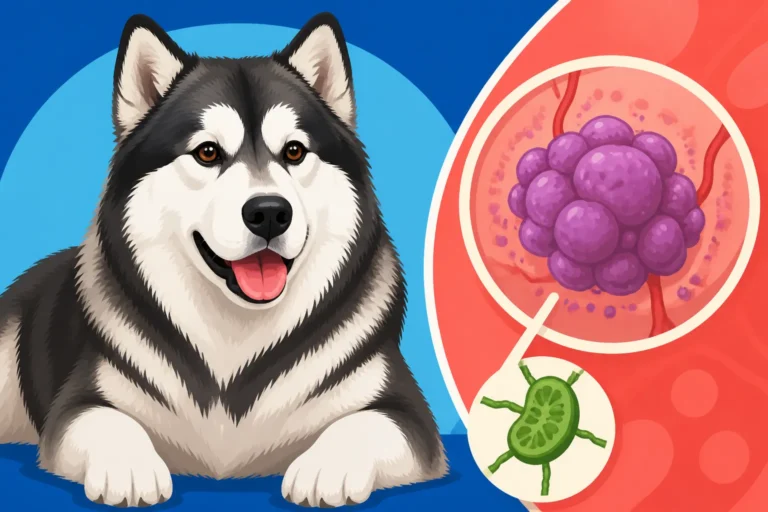
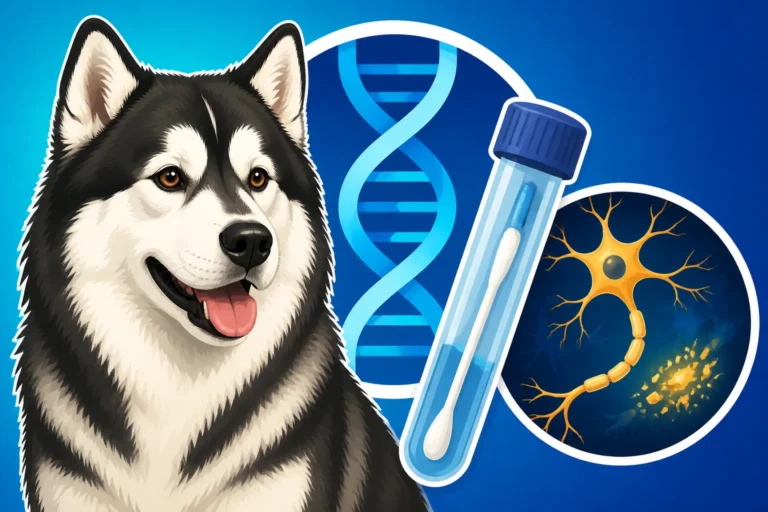
Unlike many other breeds, Alaskan Malamutes can have a reduced ability to absorb zinc efficiently from their digestive tracts, even when there's an adequate amount present in their food. This isn't about being "picky" or a simple dietary oversight; it's often a genetic quirk. This inefficient absorption means that even a diet considered perfectly balanced for another large breed might still leave a Malamute zinc deficient. This inherited trait is a big part of why zinc is the thread running through three Malamute diseases, making it a critical nutrient to monitor throughout their lives. It's a frustrating reality, knowing you're providing good food, but your dog's body might not be making the most of a vital mineral.
General Dietary Factors Affecting Zinc Bioavailability
Beyond the genetic component, several dietary elements can influence how well any dog, including a Malamute, absorbs zinc. Phytates, found in grains and legumes, are often cited as culprits because they can bind with zinc, forming compounds that are hard for the body to break down and absorb. High fiber diets can also, in some cases, slightly reduce mineral absorption. However, for most commercially prepared dog foods, these ingredients are formulated in a way that minimizes such interference, aiming for overall nutritional balance. The real complexity for Malamutes often starts with their baseline inefficiency, which then means they have less wiggle room for any other factors that might impede zinc uptake.
Decoding the Calcium-Zinc Connection in Your Malamute's Diet
Now, let's zero in on the big question: does calcium really block your Malamute's zinc absorption? The answer isn't a simple yes or no; it's nuanced, and it largely depends on the amount of calcium in question and the specific individual Malamute.
How Calcium Interacts with Zinc (and When It Becomes a Problem)
In broad strokes, calcium and zinc can indeed compete for absorption in the gut. Specifically, very high levels of calcium can form insoluble complexes with zinc (and other minerals like phosphorus) in the digestive tract. When these complexes form, both the calcium and the zinc become less available for the body to absorb. Think of it like too many people trying to go through a single small door at once – they jam up, and nobody gets through efficiently.
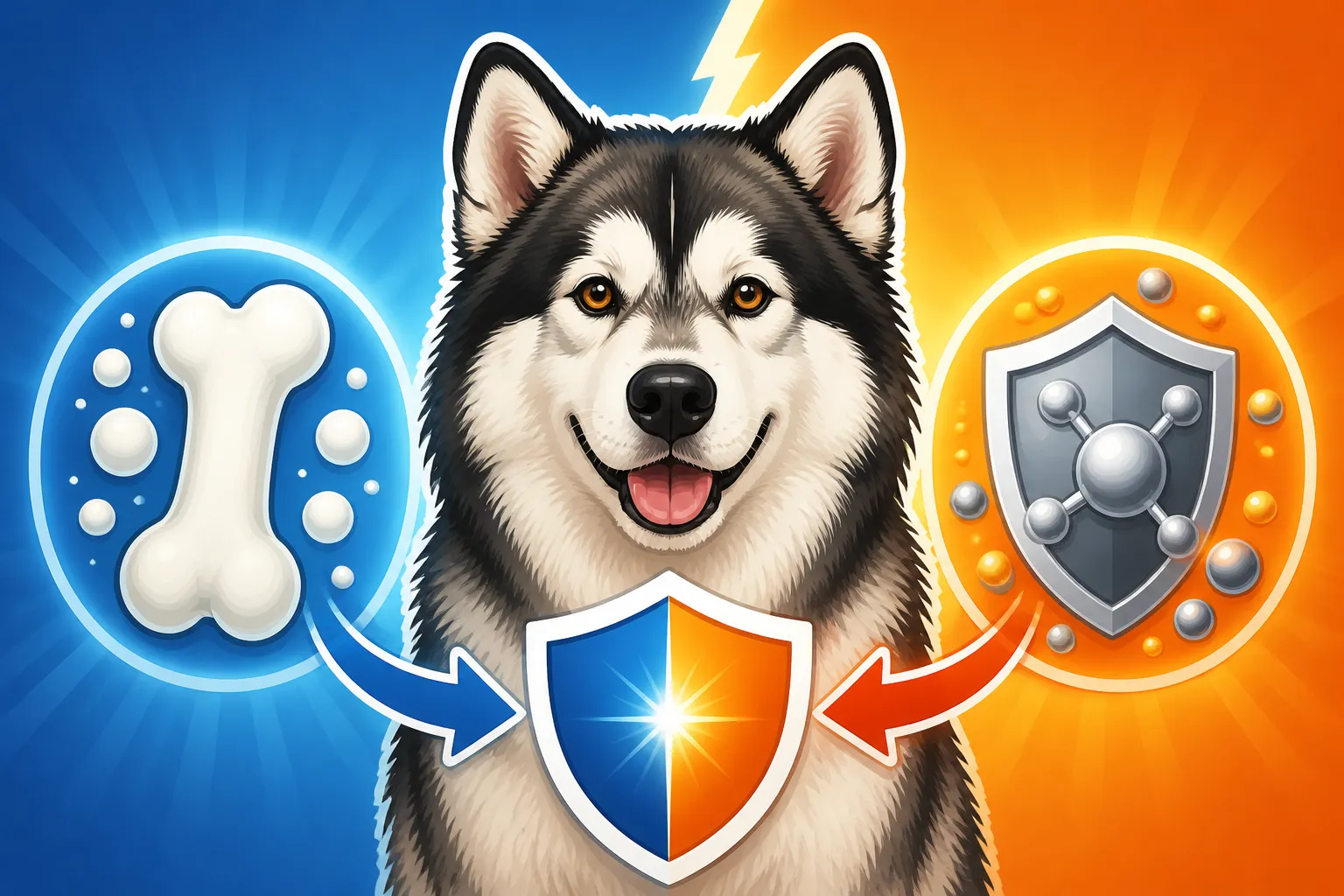
However, it's crucial to understand that this interaction typically only becomes a significant problem when there's an excessive amount of calcium relative to zinc and other minerals. A well-formulated, balanced commercial dog food, even one rich in calcium, is usually designed to provide an appropriate calcium-to-phosphorus ratio and sufficient zinc to account for these interactions. The issue tends to arise when owners over-supplement with calcium, either through additional calcium tablets, excessive dairy, or feeding large amounts of raw bones without proper balance. This is particularly concerning for Malamutes, whose already compromised zinc absorption means they are more susceptible to even subtle interferences.
Common Calcium Sources in a Malamute's Diet
Calcium is a vital mineral for bone health, muscle function, and nerve transmission, and it's present in almost all dog foods.
- Commercial Kibble and Wet Foods: These are usually carefully formulated to contain the correct balance of calcium, phosphorus, and other minerals, including zinc. Reputable brands spend a lot of time ensuring these ratios are optimal for a dog's general health. If you're feeding a complete and balanced diet, you generally don't need to worry about the calcium content unless your vet specifically flags an issue.
- Raw Diets and Bones: For those who feed raw, bones are a primary source of calcium. While raw bones offer excellent natural calcium, feeding too many, or bones that are disproportionately high in calcium compared to other nutrients, can throw off the delicate mineral balance. This is where the risk of excessive calcium interfering with zinc absorption becomes more tangible.
- Supplements: Calcium supplements are sometimes given for specific medical reasons, such as during pregnancy or for certain bone conditions. However, indiscriminate supplementation without veterinary guidance is a common way to inadvertently create a mineral imbalance. It's always best to consult your vet before adding any supplements, especially for a breed like the Malamute.
The Myth vs. Reality: Balancing Act for Malamutes
The reality for Alaskan Malamutes is that their primary zinc absorption issue is genetic, not simply a dietary calcium overload from a balanced diet. While excessive dietary calcium can certainly exacerbate the problem, simply feeding a normal, complete dog food isn't usually the cause of a Malamute's zinc deficiency.
The real "myth" part comes in when owners panic and try to reduce calcium dramatically from their Malamute's diet, potentially leading to calcium deficiencies, which are equally harmful. Instead, the focus should be on ensuring adequate zinc intake, often through specific supplements or specially formulated foods, under veterinary supervision. This proactive approach helps bypass their genetic inefficiency without compromising other vital mineral needs. For example, if your vet suspects a problem, they might recommend specific diagnostics that your pet insurance, like Healthy Paws, could help cover, easing the financial burden of managing your Malamute's health.
Navigating Zinc Issues in Your Malamute
Managing a Malamute's unique dietary needs, especially concerning zinc, can feel like a tightrope walk. But with the right knowledge and veterinary partnership, you can keep your furry friend healthy and thriving.
Recognizing Signs of Zinc Deficiency
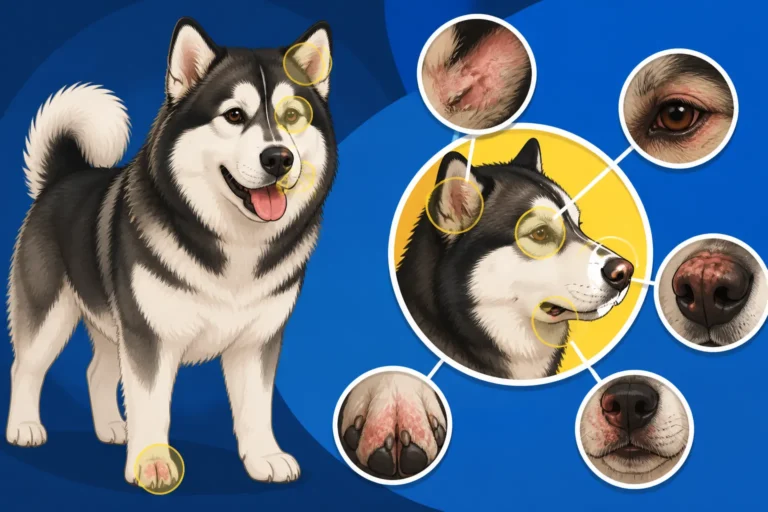
The first step in addressing any issue is knowing what to look for. Zinc responsive dermatosis in an Alaskan Malamute can manifest in several ways, often starting subtly. You might notice dry, crusty, or flaky skin, particularly around the eyes, muzzle, ears, and paw pads. Sometimes, the skin can appear thickened or red, and your Malamute might be itchier than usual.
- Skin and Coat Changes: Look for areas where the fur is thinning or falling out, especially on the face and around joints like elbows and hocks. The skin underneath might be rough or scaly. Does a Malamute's crusty skin mean zinc deficiency? Often, yes. These are classic signs of this specific issue, and they tend to appear first on the areas of the body that experience more friction or are exposed.
- Paw Pad Thickening: The paw pads can become noticeably hard, thickened, and even cracked, making walking uncomfortable.
- Lethargy and Immune Issues: Beyond skin problems, a zinc-deficient Malamute might seem more lethargic than usual or experience a weakened immune system, leading to more frequent infections. If you notice these signs, it's crucial to consult your veterinarian promptly. Early intervention is key.
Dietary Management and Supplementation Strategies
Once a zinc deficiency is suspected or diagnosed, your vet will guide you on the best course of action. It's not usually a matter of changing food to fix a Malamute's zinc deficiency entirely, especially if the root cause is genetic. Often, supplementation is necessary.
- Specialized Diets: Some prescription veterinary diets are formulated with higher levels of bioavailable zinc specifically for breeds prone to deficiency. These can be a good starting point, as they also ensure overall nutritional balance.
- Zinc Supplements: Your vet may prescribe or recommend a specific zinc supplement. Common forms include zinc methionine, zinc sulfate, or zinc gluconate. Zinc methionine often has better bioavailability, meaning the body absorbs it more readily. Which zinc supplement suits a Malamute best will depend on your dog's individual needs and your vet's assessment. It's vital to follow their dosage instructions precisely, as too much zinc can also be harmful, potentially leading to other mineral imbalances or gastrointestinal upset.
- Regular Monitoring: Zinc supplementation for Malamutes often needs to be a lifelong commitment. Whether a Malamute needs zinc for life is a question often answered with a cautious "yes," as their genetic predisposition doesn't magically disappear. Regular vet check-ups and monitoring of symptoms will help adjust dosages over time. The associated costs of ongoing supplementation and vet visits, which can add up, are why many owners consider pet insurance like Healthy Paws to help manage these predictable long-term health needs.
Prioritizing a Balanced Diet, Not a Calcium-Free Diet
The takeaway here is that eliminating calcium from your Malamute's diet is not the solution and can, in fact, create more problems. Calcium is an essential nutrient. The goal is to ensure a balanced diet that adequately addresses your Malamute's increased need for zinc without creating other deficiencies or excesses.
- High-Quality Commercial Foods: For most Malamutes, a high-quality commercial dog food that meets AAFCO nutritional standards is an excellent foundation. These foods are designed to have appropriate calcium-to-phosphorus ratios.
- Avoid Over-Supplementation: Be wary of adding extra calcium supplements, dairy products, or large quantities of raw bones to an already balanced diet without explicit veterinary advice. This is where the risk of calcium interfering with zinc absorption truly lies.
- Veterinary Guidance is Paramount: Your veterinarian is your best resource. They can help determine if your Malamute's zinc problem is diet or genetics, recommend specific tests, and tailor a diet and supplementation plan. They can also provide guidance on managing symptoms, like crusty skin, that signify a zinc issue. If you're concerned about diagnostic costs, remember that a good pet insurance plan from providers like Healthy Paws can be invaluable for covering these crucial veterinary expenses.
Here's a quick overview to help clarify the calcium-zinc interaction:
| Factor/Scenario | Impact on Zinc Absorption in Malamutes | Recommended Action |
|---|---|---|
| Balanced Commercial Diet | Minimal to no direct interference. These diets are formulated to provide an appropriate calcium-to-phosphorus ratio and sufficient zinc, often in bioavailable forms, to mitigate normal dietary interactions. The Malamute's genetic inefficiency remains the primary challenge. | Continue feeding a high-quality, AAFCO-compliant diet. Focus on monitoring for signs of deficiency and supplementing zinc under vet guidance if needed. |
| Excessive Calcium Intake | High levels of calcium, often from over-supplementation (calcium tablets, too much dairy, unbalanced raw bones), can bind with zinc in the gut, making it unavailable for absorption. This exacerbates the Malamute's inherent difficulty in absorbing zinc. | Avoid indiscriminate calcium supplementation. Consult your vet before adding any calcium-rich foods or supplements. If feeding raw, ensure bone content is balanced and varied. Monitor for signs that a Malamute's paw pads thicken or that the overall skin health declines. |
| Malamute Genetic Predisposition | The fundamental issue. Malamutes inherently have a harder time absorbing zinc, regardless of perfect dietary balance. This means they are more susceptible to developing zinc responsive dermatosis in an Alaskan Malamute, even with what would be considered a normal diet for other breeds. | Work closely with your vet. This often means providing supplemental zinc for your Malamute's whole life. Be proactive in watching for early signs of skin issues. Consider regular veterinary check-ups to monitor overall health. Ensure you understand how a Malamute's zinc deficiency is treated and follow all veterinary recommendations diligently. |
| High Phytate/Fiber Diets | Phytates (in grains/legumes) and very high fiber can slightly reduce zinc bioavailability by binding to it. For a Malamute with already compromised absorption, even a slight reduction can contribute to deficiency. | Choose high-quality dog foods that use easily digestible ingredients and are specifically formulated for breeds with sensitive systems or consider options discussed with your vet. Don't assume all grain-free foods are superior; some can still have high levels of phytates from other plant-based ingredients. If you're wondering whether a raw diet delivers more zinc to a Malamute, discuss this with a vet or a qualified canine nutritionist who understands Malamute-specific needs. |
Understanding these nuances means you can approach your Malamute's nutrition with confidence, knowing when to observe, when to act, and when to seek expert help.
Disclaimer
The information provided in this article is for general informational purposes only and is not intended as a substitute for professional veterinary advice, diagnosis, or treatment. Always seek the advice of your veterinarian or other qualified pet health provider with any questions you may have regarding a medical condition or treatment options for your Alaskan Malamute. Never disregard professional veterinary advice or delay in seeking it because of something you have read here.