Whether a Malamute Owner Should Move North
It's a question that plagues many Alaskan Malamute owners, especially those of us living in climates that are anything but Arctic: "Should I just pack up and move North for my dog?" You love your majestic fluffball more than words can say, but watching them pant through summer, searching for that one cool spot on the tile floor, or seeing them perk up only when the temperature drops, can make you seriously consider a geographical relocation. This guide is going to walk you through the deep considerations behind such a monumental thought, helping you weigh whether a colder climate is truly the ultimate solution for your Malamute's well-being and your own lifestyle.
Understanding the Alaskan Malamute's Deep-Rooted Love for Cold
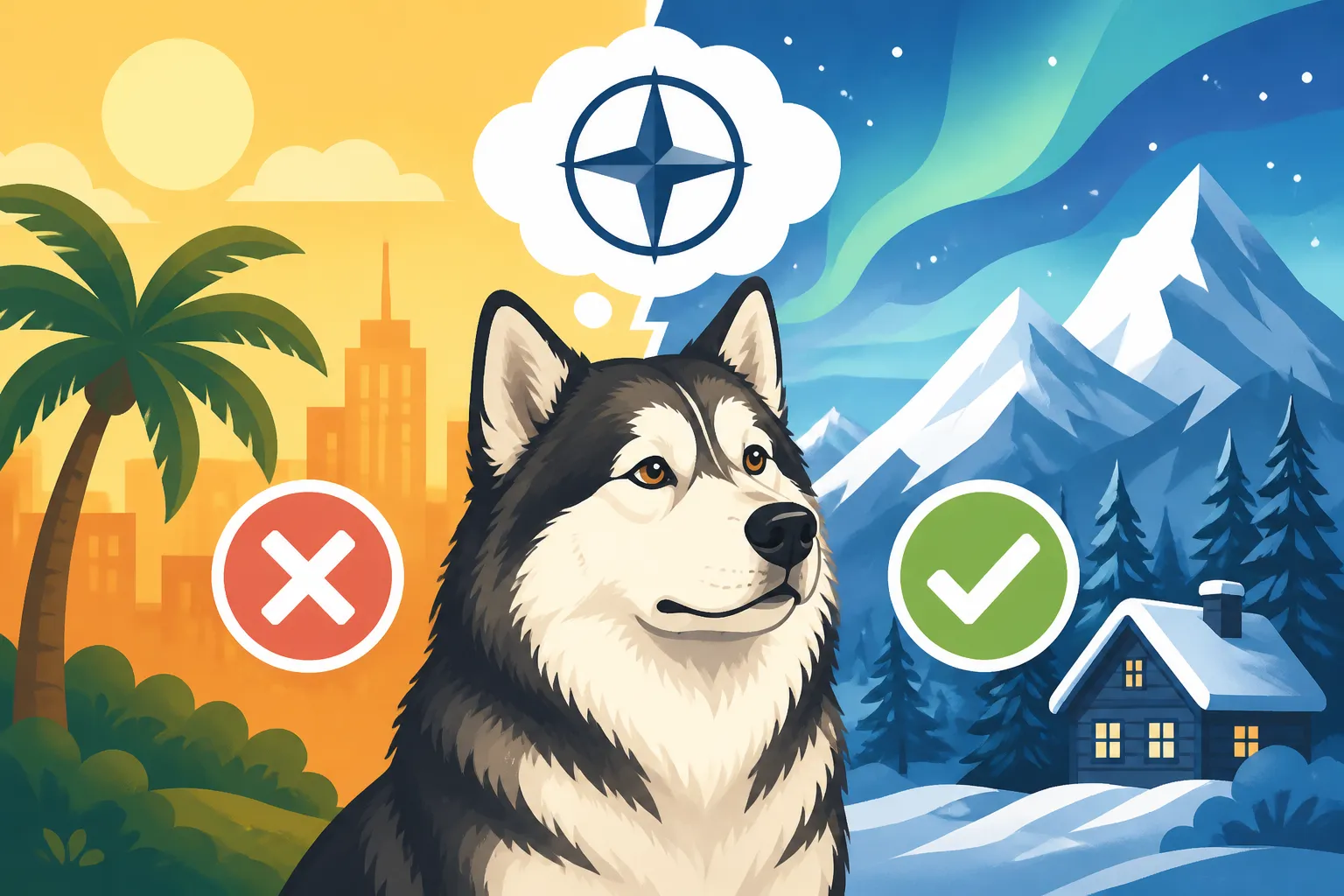
Let's be real: your Malamute isn't just tolerating cold weather; they're designed for it. These dogs evolved over thousands of years alongside the Mahlemut people in the harsh, unforgiving Arctic, primarily around Kotzebue Sound in Alaska. Their entire physiology is a testament to survival in freezing temperatures, making them truly thrive when the mercury drops.
The Science Behind Their Winter Wonderland Prowess
It's not just a thick coat – though that's a huge part of it! An Alaskan Malamute boasts a dense, double coat that is nothing short of an engineering marvel. The outer guard hairs are coarse and water-repellent, shielding them from snow and ice, while the undercoat is incredibly thick, woolly, and insulative, acting like a built-in down jacket. This combination traps air, creating a thermal barrier that keeps their body heat in and the cold out. It's why you often see them curled up, happily snoozing in a snowdrift, seemingly impervious to conditions that would send us humans scrambling for layers. This unique coat is also why you should never shave an Alaskan Malamute, even in summer, as it disrupts their natural insulation.
Beyond their fur, Malamutes have an incredibly efficient metabolism. Unlike many breeds that burn through calories quickly, the Malamute's body is adapted to conserve energy. This allowed their ancestors to work long hours on minimal rations in a resource-scarce environment. While this means they often eat less than you'd expect for their size, it also means they don't generate as much excess heat through metabolism in cold weather, further aiding their comfort. You might even find yourself wondering about The Efficient Metabolism That Surprises Every New Malamute Owner when you compare their food intake to other large breeds. When winter truly sets in, this efficient metabolism, combined with their thick coat, allows them to feel invigorated and energetic. You'll witness it firsthand; it's like a switch flips, and suddenly your dog is in their element. Winter Is When an Alaskan Malamute Comes Alive in a way you just don't see in other seasons.
The Psychological Aspect: More Than Just Physical Comfort
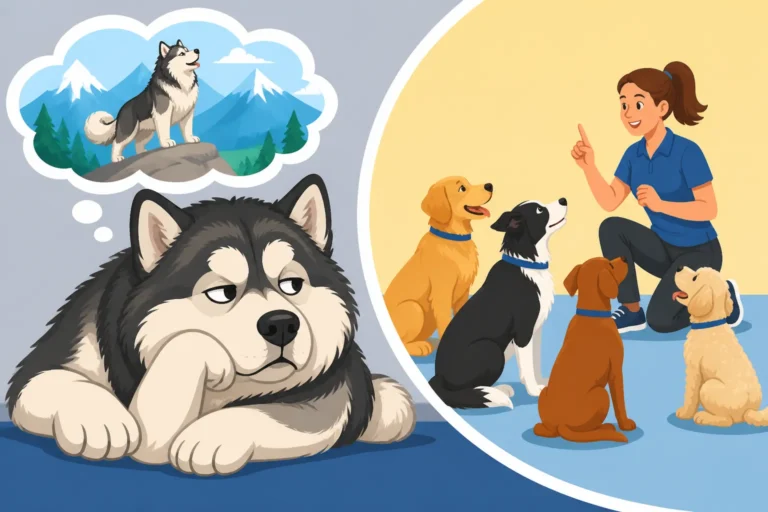
It’s not only about physical comfort; there's a deep-seated mental and emotional connection to the cold for a Malamute. These dogs were bred for demanding work, hauling heavy freight over vast, icy terrains. The cold invigorates them, fuels their drive, and seems to align with their very spirit. Imagine a marathon runner in peak condition finally getting to run their race – that’s how a Malamute feels in cold weather.
When they’re kept in warmer climates, there’s an underlying sense that they're missing out on their true calling. While you can provide enrichment and exercise, the sheer joy of plunging into fresh snow, or the ability to work for extended periods without overheating, is something they'll likely never fully experience. This isn't to say a Malamute can't be happy in a warm climate, but it does mean extra effort on your part to mitigate the heat and provide appropriate activities.
The Realities and Responsibilities of Malamute Ownership in Warm Climates
If moving North isn't in the cards (and for most of us, it isn't), you're facing the very real challenges of managing a cold-weather breed in a warm environment. This often means significant adjustments to your lifestyle and your budget.
The Constant Battle Against Overheating
The most immediate and severe risk in warmer climates is overheating. Malamutes are incredibly susceptible to heatstroke, and it can become life-threatening in a very short amount of time. Even temperatures that feel pleasant to us can be dangerous for them due to their insulating coat. Think about a mild 70-degree Fahrenheit day with high humidity – that's a recipe for disaster for a Malamute trying to go for a walk in the afternoon. Summer Is the Season That Kills Alaskan Malamutes, a heartbreaking truth that emphasizes the severity of this issue.
You'll quickly learn to adjust your entire schedule around the weather. Walks become early morning excursions, sometimes before dawn, or late-night strolls once the sun has completely set and the pavement has cooled. Midday walks are absolutely out of the question. Even playtime in the yard needs constant monitoring, and many owners resort to kiddie pools, misters, or cooling mats to help their dogs stay comfortable. It’s a relentless vigilance.
Financial and Lifestyle Adjustments to Keep Them Cool
Keeping a Malamute cool in a warm climate isn't just about scheduling; it's also about significant financial and lifestyle commitments. Your air conditioning bill, for instance, will likely be higher than you ever anticipated. What Cooling a House for a Malamute Costs in Summer is a topic that hits home for many owners. You might find yourself setting your thermostat lower than you personally prefer, just for your dog's comfort, or having to leave the AC running all day even when you're not home.
Beyond AC, there's an array of cooling products available on the market, many of which you might consider essential. Cooling vests, elevated beds that allow air circulation, frozen treats, and even specialized floor tiles are common purchases. Brands like Chewy offer a wide variety of these items, from cooling pads to splash pools, designed to help keep your Malamute comfortable indoors and out. You'll want to invest in a quality cooling bed for your dog, perhaps one with a gel insert or a mesh design, to give them a dedicated cool spot to retreat to.
You'll also need to consider your own outdoor activities. Spontaneous hikes in the heat are out. Beach trips in summer? Forget it. Your recreational choices become dictated by what's safe and comfortable for your dog, which can feel restrictive if you're an avid outdoors person who thrives in warm weather.
The Allure and Logistics of Moving North for Your Malamute
So, you're dreaming of a white Christmas year-round and endless snow-laden trails. The idea of moving North for your Malamute can be incredibly appealing, offering a vision of your dog living their best life. But it's crucial to examine this idea with a realistic lens, considering both the benefits for your dog and the substantial logistical and personal challenges for you.
Canine Paradise: The Benefits for Your Malamute
There’s no denying the primary benefit: your Malamute would be in their element. Imagine walks at any time of day, rolling in fresh snow, and being able to genuinely work without the constant threat of overheating. In a colder climate, their double coat becomes an asset, not a liability. Their energy levels will likely soar, and they'll exhibit that pure, unadulterated joy that comes from truly thriving in their natural environment.
They might be able to participate in activities like dog sledding, skijoring, or even just long, brisk winter hikes without you constantly worrying about their temperature. This could lead to a happier, more fulfilled dog, and subsequently, a happier you. It certainly aligns with What an Alaskan Malamute Needs Every Day – robust exercise in a suitable climate.
Beyond the Snow: Human and Financial Considerations of Relocation
However, moving for your dog is a huge decision, one that affects every aspect of your own life. This isn't just about finding a cooler spot; it's about changing your entire existence.
Employment and Cost of Living: Are there job opportunities for you and your family in the "North" you're considering? The cost of living, housing prices, and even taxes can vary dramatically. What might seem like a small town with ideal temperatures could have a stagnant job market or unexpectedly high utility costs due to longer heating seasons. You might find that How Much Cooling a Malamute Household Needs in the South is replaced by a hefty heating bill in the North.
Social Network and Support Systems: Leaving friends, family, and your established support network behind can be incredibly isolating. Moving to a new place means rebuilding your social life, finding new vets, new groomers, and new communities. Do you have a support system for pet care if you travel?
Your Own Comfort and Lifestyle: Do you enjoy cold weather? Are you prepared for long, dark winters, potentially heavy snowfall, and icy conditions? While your Malamute will love it, you might find yourself feeling cooped up, battling seasonal affective disorder, or simply hating the constant cold. It's easy to romanticize the idea of winter wonderland, but the reality of shoveling snow, driving on ice, and enduring months of sub-freezing temperatures is not for everyone.
Specific Northern Climate Nuances: "North" is a broad term. Are we talking about the upper Midwest, New England, or truly remote areas of Alaska or Canada? Each has its own specific climate, infrastructure, and access to amenities. Remote areas might be perfect for your Malamute's freedom but lack specialized veterinary care should your dog face a complex health issue. Access to quality fresh dog food, like that offered by Ollie, or specialized items you get from Chewy, might also be limited or come with higher shipping costs in very remote locations.
Here's a quick comparison of factors to consider:
| Factor | Warm Climate Realities for Malamutes | Cold Climate Realities for Malamutes |
|---|---|---|
| Heat Risk | Constant vigilance, high risk of heatstroke, restricted exercise. | Very low risk, comfortable in extreme cold, invigorated. |
| Exercise | Limited to early mornings/late evenings, shorter durations. | Unrestricted (weather permitting), long durations possible. |
| Cost (Cooling/Heating) | High AC bills, investment in cooling gear. | Potentially higher heating bills, fewer cooling costs. |
| Owner Lifestyle | Adapt daily schedule, limit outdoor activities in heat. | Embrace outdoor activities, prepare for personal cold tolerance. |
| Dog's Mental State | May show lethargy, less enthusiasm in warmer months. | High energy, increased engagement, alignment with breed's purpose. |
| Grooming | Intense shedding management, risk of mats if neglected. | Still sheds heavily (especially during The Months an Alaskan Malamute Blows Its Coat), but coat functions optimally. |
| Human Relocation | Status quo, familiar support, existing jobs. | Major life upheaval, new jobs, new social circles, personal comfort. |
Beyond Climate: Other Factors in Malamute Happiness
While climate plays a huge role in a Malamute's comfort, it's not the only factor in their happiness and well-being. A miserable owner in the Arctic won't necessarily have a happy dog, and a dedicated owner in a warm climate can certainly provide a fulfilling life.
Exercise, Training, and Mental Stimulation
Regardless of where you live, an Alaskan Malamute needs a substantial amount of exercise and mental stimulation. These are intelligent, working dogs with an innate drive to be active. Without it, they can become bored, destructive, and difficult to manage. Think about How Much a Malamute Can Pull – even if you're not sledding, finding outlets for that drive is essential. This might involve weight pulling, bikejoring, long hikes, or even just structured walks with a focus on scent work.
Consistent, positive reinforcement training is also paramount. Malamutes are known for their intelligence and independence, which can sometimes be mistaken for stubbornness. They need an owner who is patient, consistent, and understands their unique temperament. Why Force Fails on an Alaskan Malamute is a concept every owner needs to grasp; these dogs respond best to partnership, not dominance.
Socialization and Companionship
Malamutes are pack animals and thrive on companionship. They do best when they are truly integrated into their human family and are not left alone for extended periods. While they can tolerate being alone for a few hours, consistent isolation can lead to anxiety and behavioral problems.
Proper socialization from a young age is also critical, especially given their strong prey drive and potential for same-sex aggression. Early exposure to different people, places, sounds, and appropriate dog interactions helps them grow into well-adjusted adults. A secure, well-fenced yard is an absolute must, given their propensity to dig and escape. Fencing a Yard Against a Malamute That Was Bred to Dig is a vital read for any current or prospective Malamute owner.
Health and Veterinary Care
Finally, regular veterinary care and attention to their specific health needs are non-negotiable. This includes routine check-ups, vaccinations, parasite prevention, and being aware of breed-specific genetic predispositions. For instance, Malamutes can be prone to hip dysplasia, inherited polyneuropathy, and zinc responsive dermatosis. Having pet insurance from a provider like Healthy Paws can be a lifesaver, helping to cover unexpected veterinary costs, regardless of whether you live North or South. Also, a balanced diet is crucial. While some owners opt for fresh food brands like Ollie, others stick to high-quality kibble. The key is ensuring your Malamute gets all the nutrients it needs, especially if they have conditions like Zinc Responsive Dermatosis in an Alaskan Malamute that require careful dietary management.
Ultimately, while a colder climate certainly aligns with the Malamute's ancestral roots and physical design, the decision to move North is a deeply personal one that extends far beyond just your dog. A Malamute can be happy and healthy in a variety of climates, provided their human companions are dedicated to meeting their unique needs, adapting their lifestyles, and investing the time, effort, and resources required to ensure their comfort and well-being. It’s about being a responsible, knowledgeable owner, first and foremost, regardless of your zip code.
Disclaimer
This article is for general informational purposes only and does not constitute professional advice. Laws, prices and regulations vary by location and change over time. Consult a qualified professional for guidance on your specific situation.