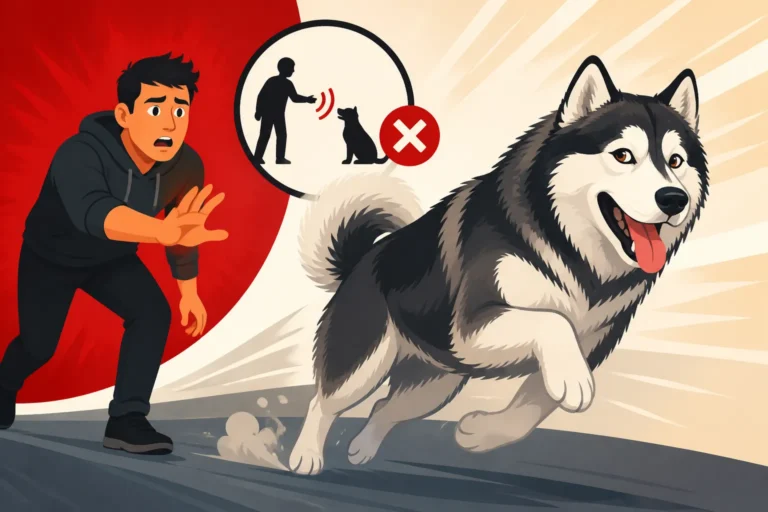
Why Malamutes Fight Dogs of the Same Sex
It's a heartbreaking and often perplexing situation: your magnificent Alaskan Malamute, a breed known for its loyal and affectionate nature, suddenly starts exhibiting aggression towards other dogs of the same sex, sometimes even within their own family unit. This isn't just a minor squabble; these can be intense, frightening confrontations that leave owners feeling helpless and questioning everything they thought they knew about their beloved companion. This guide will delve deep into why this particular breed characteristic manifests, helping you understand the historical roots, recognize the warning signs, and implement effective management strategies to keep all your canine companions safe and harmonious.
The Deep-Seated History of Same-Sex Aggression in Malamutes
The Alaskan Malamute is not your average domestic dog; their lineage is etched with centuries of working alongside humans in the harsh, unforgiving Arctic. These dogs were not bred for casual companionship in a suburban backyard, but for survival, pulling heavy freight, and living in tightly structured packs where every individual had a role. Understanding this ancestral blueprint is the first crucial step to deciphering Why Malamutes Fight Dogs of the Same Sex.
Origins in Pack Dynamics and Survival
Imagine a small band of Mahlemut people, nestled in their Alaskan village, relying on their dogs for their very existence. These dogs were vital for hunting, transportation, and protection. In such a high-stakes environment, a dog that couldn't contribute or that disrupted the delicate balance of the working pack was a liability. Within these working packs, a clear hierarchy was not just preferred, it was essential for efficiency and preventing chaos. Dogs that challenged the established order, particularly those of the same sex vying for similar roles or resources, would be quickly put in their place or removed from the gene pool. The strongest, most stable, and most capable dogs were the ones that survived and reproduced, passing down these traits.
This isn't about "dominance" in the simplistic, often misunderstood sense, but rather about a deeply ingrained drive for social order and the maintenance of a functional group. A Malamute's inherent drive to establish and defend its place in the pecking order, especially against perceived rivals of the same sex, is a direct echo of this ancestral need for a stable, productive pack. They don't have human concepts of fairness or equality; they operate on a primal understanding of who leads and who follows, and who is a potential threat to their standing.
The Role of Resource Scarcity
Another critical factor woven into the Malamute's genetic tapestry is the history of resource scarcity. In the Arctic, food was often hard-won and limited. A dog that didn't assert itself for its share, or that allowed another to take its food, might not survive. This led to a strong drive to guard resources – food, preferred resting spots, toys, or even the attention of their human companions – from others, particularly from those seen as direct competition. For Malamutes, this resource guarding can easily escalate into same-sex aggression.
Consider a scenario where two male Malamutes share a household. Even if food is abundant, the instinct to guard a favored chew toy or a prime spot on the sofa can trigger a deep-seated reaction. This isn't necessarily a sign of a "bad" dog, but a manifestation of centuries of survival genetics. It’s also why simply having enough for everyone doesn't always prevent issues; the underlying instinct is still present. It’s not just about guarding tangible items either; access to their preferred human, or even the perception of another dog getting more attention, can be a potent trigger, especially between two females. These deep-seated behaviors mean that owners need to be hyper-aware of potential triggers and manage their environment proactively.
Recognizing the Early Signals of Conflict
One of the biggest frustrations for Malamute owners is that aggression often seems to come out of nowhere. One minute, the dogs are coexisting; the next, a full-blown fight has erupted. However, for a breed like the Alaskan Malamute, aggression rarely appears without subtle precursors. The key is learning to read these nuanced signals, which can be easily missed if you're not specifically looking for them. Understanding these signs can help you intervene before a situation escalates.
Subtle Body Language Cues
Malamutes, like many ancient breeds, are masters of subtle communication. They don't typically want to fight; fighting takes energy and risks injury, both of which are detrimental in a survival context. Instead, they try to communicate their discomfort or intent through a myriad of body language signals. Unfortunately, many humans miss these until the situation is at a boiling point. Look for signs like a stiffening body, a direct hard stare, a slight raise of the hackles (even just a few hairs on the neck), a subtle head turn away from the other dog while still keeping them in peripheral vision, or a low growl that's barely audible.
Even more subtle can be "whale eye," where the whites of the dog's eyes are visible, indicating stress or tension. A slow, deliberate approach, or an exaggerated high-stepping gait, can also be a warning. Sometimes, one Malamute might even try to create distance, moving away or putting a piece of furniture between themselves and the other dog. If these signals are ignored by the other dog or the human, the Malamute may feel it has no choice but to escalate. It's like a quiet grumble before a shout; if you only hear the shout, you've missed a lot of crucial information. Recognizing these early, quiet warnings is paramount, and it applies whether you're trying to understand How Two Male Malamutes Work Out Rank or How Two Female Malamutes Get Along.
Escalation and Triggers
If the subtle signals are missed, the behavior will escalate. This could manifest as a snarl, a snap into the air (air snap), a lunge without contact, or a full-on fight. The problem is that once a fight has occurred, especially a serious one, the likelihood of future conflicts increases dramatically. The dogs learn that this is how disputes are settled, and the tension between them can become chronic. Common triggers for escalation often involve resources, as mentioned, but also novelty. A new dog in the household, an unfamiliar dog encountered on a walk, or even a sudden change in routine can upset the delicate balance.
One prevalent trigger is the presence of an intact dog, particularly between two intact males or two intact females. The hormonal drive to establish dominance or secure breeding rights can be incredibly powerful. However, even spayed and neutered Malamutes can exhibit same-sex aggression, as the behavior is deeply rooted in breed-specific social structure rather than solely driven by hormones. This is why What Neutering Does to Malamute Dog Aggression is often a point of discussion. For some, neutering might reduce the intensity or frequency, but it's rarely a magic bullet that eliminates the behavior entirely, especially if it's already well-established. It simply removes one strong layer of hormonal influence.
Strategies for Managing a Multi-Malamute Household
Living with multiple Alaskan Malamutes, especially those prone to same-sex aggression, requires dedication, vigilance, and often, a fundamental shift in how you envision your household dynamics. It’s not about curing the instinct, but about managing the environment and interactions to prevent conflict. This often means implementing strategies that ensure the safety and peace of mind for all your dogs and your family.
The Art of Crate and Rotate
For many multi-Malamute households, particularly where same-sex aggression is a persistent issue, the "crate and rotate" method becomes an indispensable tool. This isn't a punitive measure, but a highly effective management technique designed to prevent conflicts by keeping dogs separated when direct supervision isn't possible. It involves rotating which dogs are free in the house, which are crated, and which are in a secure, separate area at any given time. This means when Dog A is out in the living room with you, Dog B might be in their crate in a different room, or in a securely fenced yard. When Dog A goes to their crate, Dog B comes out for their turn.
This method requires a lot of planning and consistency, but it dramatically reduces opportunities for fights and significantly lowers the overall stress levels in the household. Each dog gets individual attention, exercise, and interaction, while never being put in a situation where conflict can arise. It also means you need proper, sturdy crates – Malamutes are notorious for their ingenuity in escaping, so a heavy-duty, reinforced crate (you can find various options on Amazon, designed for strong chewers and escape artists) might be a necessary investment. For a more detailed look into this method, you might find guidance in How Crate and Rotate Works With Two Malamutes.
Supervision and Environmental Management
Beyond crate and rotate, constant and informed supervision is key when same-sex Malamutes are in the same space. This isn't passive supervision; it's active observation for those subtle body language cues we discussed earlier. You need to be ready to intervene at the slightest sign of tension, often by simply redirecting one of the dogs or creating a physical barrier. This might mean keeping them leashed indoors, especially during transition times like feeding or when guests arrive.
Environmental management also plays a huge role. This means eliminating resource guarding triggers wherever possible. Feed dogs in separate rooms or crates. Pick up all toys when you're not actively playing with a single dog. Don't allow dogs to vie for prime spots on furniture. Ensure there are enough beds and comfortable resting areas that dogs don't have to compete for them. Consider using baby gates to create distinct zones within your home, allowing you to manage access and prevent surprise encounters. Making sure each dog feels secure in its own space and that their resources are not threatened can go a long way in de-escalating potential issues.
The Impact of Neutering on Aggression
The question of whether neutering helps with same-sex aggression is one that many Malamute owners grapple with, and the answer isn't always straightforward. For some dogs, particularly males, the removal of testosterone can reduce the intensity and frequency of aggressive displays, especially those driven by hormonal competition or territorial instincts. This can be especially true if the aggression is observed in younger, intact males as they mature and challenge other males.
However, it's crucial to understand that neutering is not a guaranteed fix. If the aggression is deeply ingrained, learned, or rooted in the breed's fundamental pack dynamics and social hierarchy drives, neutering might only temper the behavior slightly, or not at all. For The Age Same Sex Aggression Appears in a Malamute, it often coincides with social maturity, usually between 1-3 years of age, which is also a common time for neutering. While it can remove a significant hormonal component, it won't erase the entire behavioral history or the dog's inherent predisposition. Some owners observe that neutering, especially in females, can sometimes even lead to subtle behavioral changes that don't always align with expectations, so it's a decision to discuss thoroughly with your veterinarian and a knowledgeable behaviorist.
Navigating Introductions and Socialization
Bringing a new dog into a Malamute household, or even just interacting with other dogs outside the home, requires extreme caution and careful planning, particularly when same-sex aggression is a concern. The idea that "they'll work it out" or "they just need to socialize more" can lead to dangerous and damaging encounters for a Malamute.
Careful Introductions with New Dogs
Introducing a new dog, especially one of the same sex, to an existing Malamute can be a high-stakes endeavor. It should never be done casually. The first meeting should always be on neutral territory – think a local park or an unfamiliar walking trail – where neither dog feels the need to defend its space. Both dogs should be on leashes, handled by calm, confident individuals. Keep the initial interactions short and positive, focusing on parallel walking rather than direct confrontation. Avoid tense face-to-face greetings.
Observe every subtle cue. If either dog shows signs of stress, stiffness, or hard stares, immediately increase distance. Multiple, supervised short sessions on neutral ground are far more effective than one long, stressful introduction. Only once both dogs consistently show calm, relaxed body language in each other's presence should you consider bringing them into the home, and even then, initial indoor interactions should be brief, highly supervised, and potentially with one dog leashed or crated. Why a Male and Female Malamute Pair Better is often due to the reduced same-sex competition, which can make multi-Malamute introductions easier if you're mixing sexes. But even then, caution is paramount.
The Challenges of Dog Parks and Public Spaces
For a breed predisposed to same-sex aggression, dog parks are generally not a safe or appropriate environment. The uncontrolled nature of dog parks, with various breeds, sizes, and temperaments, is a recipe for disaster. A Malamute's strong prey drive combined with same-sex aggression can lead to serious incidents that reflect poorly on the breed and can result in injury. Even if your Malamute has never shown aggression before, the unpredictable nature of a dog park can quickly escalate a minor interaction into a dangerous fight.
Instead of dog parks, focus on controlled, structured socialization. This could involve carefully chosen play dates with known, compatible dogs, or participation in dog sports or training classes where interactions are supervised and purposeful. Even in public spaces like hiking trails, always keep your Malamute leashed. Why an Alaskan Malamute Can Never Be Off Leash extends beyond just same-sex aggression, encompassing their incredible wanderlust and high prey drive. Being prepared with a comfortable, well-fitting muzzle (such as those you can find on Amazon or other reputable pet suppliers) during initial introductions or in unpredictable public settings isn't a sign of a vicious dog, but a responsible owner prioritizing safety.
When to Call in the Professionals
Sometimes, despite your best efforts, same-sex aggression escalates or becomes too challenging to manage on your own. This is not a failure on your part; it simply means it's time to seek expert guidance. Malamutes are powerful, intelligent dogs, and dealing with aggression requires a specialized understanding of their breed characteristics.
The Value of a Certified Behaviorist
When dealing with significant same-sex aggression, the first and most critical step is to consult with a certified professional dog behaviorist. Look for someone with credentials like Certified Professional Dog Trainer (CPDT-KA) who also specializes in behavior, or a Certified Dog Behavior Consultant (CDBC), or a Veterinary Behaviorist (Dip ACVB). These professionals have extensive knowledge of canine behavior, learning theory, and breed-specific traits, which is crucial for a complex breed like the Malamute. They can assess the specific triggers and patterns of your dog's aggression, rule out any underlying medical conditions, and develop a tailored management and modification plan.
A good behaviorist will work with you to understand the nuanced communication your Malamutes are using, implement effective safety protocols, and guide you through behavior modification techniques. They often start by focusing on management to prevent further incidents, then move to desensitization and counter-conditioning if appropriate and safe. They will emphasize positive reinforcement and force-free methods, as Why Force Fails on an Alaskan Malamute is a well-known truth among those who understand the breed; harsh methods can backfire, increasing fear and reactivity. Brands like BAXTER & Bella offer online resources that can be a good starting point for understanding positive training principles, but for severe aggression, hands-on, personalized help from a local certified professional is irreplaceable.
Training Approaches Tailored for Malamutes
Training a Malamute with same-sex aggression requires patience, consistency, and an understanding that these dogs are independent thinkers. Generic obedience classes might not cut it, as the focus needs to be specifically on managing aggressive tendencies and building positive associations. A behaviorist will often recommend training that builds confidence in the individual dogs, strengthens your bond, and teaches them alternative, appropriate responses to triggers. This can involve teaching a solid "leave it," a reliable recall (though remembering Why an Alaskan Malamute Will Never Have a Reliable Recall in all situations, it's still worth striving for in controlled environments), and strong impulse control.
One table that might be useful for understanding different approaches to aggression management:
| Strategy/Approach | Description | Pros | Cons |
|---|---|---|---|
| Crate & Rotate | Managing interactions by keeping dogs separated when not actively supervised. | Prevents fights, reduces stress, ensures safety for all dogs, allows individual attention. | Requires significant owner time and planning, may necessitate additional equipment (crates, gates), some owners find it restrictive, does not cure aggression, only manages it. |
| Environmental Mgmt. | Removing triggers (food, toys, prime spots) and creating separate zones within the home. | Simple to implement, reduces opportunity for resource guarding disputes, creates a more predictable environment. | Requires constant vigilance, doesn't address the underlying behavioral predisposition, might feel like walking on eggshells for owners, can be difficult in smaller homes. |
| Behavior Mod. | Working with a professional to desensitize dogs to triggers and counter-condition aggressive responses to positive ones (e.g., "look at me" instead of stiffening). | Addresses the root cause of the behavior, can lead to genuine improvement and reduced reactivity, empowers owners with tools. | Can be a long, intensive, and expensive process, requires significant owner commitment and consistency, not all aggression is fully modifiable, success depends on the individual dog and severity of the behavior. |
| Medical/Neutering | Consulting vet for health checks, pain management, or considering neutering (if applicable). | Addresses potential physical pain contributing to irritability, neutering can reduce hormonally-driven aggression (especially in males). | Neutering is not a guaranteed fix for all forms of aggression, especially if learned or deeply ingrained; some medical issues can be subtle and difficult to diagnose. |
| Pharmacological | Use of anti-anxiety or behavioral medications prescribed by a vet behaviorist to reduce reactivity. | Can lower arousal thresholds, making behavior modification more effective, provides relief for highly anxious dogs. | Not a standalone solution, always used in conjunction with behavior modification, requires veterinary oversight, potential side effects, finding the right medication/dosage can take time. |
Remember, managing same-sex aggression in Malamutes is often a lifelong commitment. It means accepting your dog for who they are and structuring their world in a way that minimizes stress and conflict. For some owners, this might mean making the difficult decision that a multi-dog household, particularly with multiple same-sex Malamutes, simply isn't feasible or safe. In such cases, options like careful rehoming to a single-dog household, or seeking help from a dedicated Malamute rescue that understands the breed's challenges, might be necessary. It's never an easy choice, but prioritizing the well-being of all animals involved is always the most responsible path.
Disclaimer
This article is for general informational purposes only and does not constitute professional advice. Laws, prices and regulations vary by location and change over time. Consult a qualified professional for guidance on your specific situation.