How Likely an Alaskan Malamute Is to Bite
It's a common, and completely understandable, concern for anyone considering a powerful, large breed like the Alaskan Malamute: just how likely are they to bite? People often conflate their impressive size and wolf-like appearance with inherent aggression, leading to worries about safety. This guide aims to tackle those fears head-on, giving you a realistic understanding of Malamute temperament and what influences their behavior, helping you feel more confident in raising a well-adjusted companion.
Understanding the Alaskan Malamute Temperament and Its Origins
To truly understand an Alaskan Malamute's propensity for biting, we have to go back to their roots. These magnificent dogs were bred by the Mahlemut people of the Arctic, not as fierce protectors or attack dogs, but as robust, intelligent freighting animals. Their primary job was to pull heavy sleds over long distances, often in extreme conditions, and to help their human companions hunt large game for sustenance. They needed to be resilient, resourceful, and capable of working independently, often making decisions without direct human command. This historical role is crucial in shaping the modern Malamute's temperament.
Malamutes are generally not predisposed to aggression towards humans. In fact, they were historically valued for their friendly and social nature within their human pack. The Mahlemut people lived closely with their dogs, often with the dogs sleeping inside their dwellings. This meant dogs with aggressive tendencies towards people would have been quickly culled from the breeding lines, simply because they weren't safe to live and work with. So, from a fundamental breed characteristic standpoint, an Alaskan Malamute is typically not a dog that seeks to bite a human without significant provocation or underlying issues. If you’re thinking about a guard dog, you might be surprised to learn that Why the Alaskan Malamute Is Not a Guard Dog.
However, "not predisposed to aggression" doesn't mean "never will bite." Like any dog, a Malamute has teeth, and they will use them if they feel threatened, are in pain, or if their boundaries are severely crossed. Their power and size mean that even an exploratory nip can be serious. It’s about understanding their specific drives and needs. For instance, their incredible scent drive and historical role mean What an Alaskan Malamute Was Bred to Hunt includes quite formidable prey, which can translate into a very strong prey drive for small animals in modern homes. This drive is not human aggression, but it’s a distinct instinct that needs careful management.
Factors Influencing Biting Behavior in Malamutes
While Malamutes are generally good-natured with people, several factors can influence the likelihood of a bite incident. It’s rarely a random act; there’s almost always a trigger or an underlying cause that we, as owners, need to be aware of and proactively manage.
Lack of Proper Socialization and Training
This is perhaps the biggest contributing factor to behavioral issues, including biting, in any dog breed, and it's especially true for strong, intelligent dogs like Malamutes. A Malamute puppy needs extensive and varied positive exposure to different people, sights, sounds, and environments from a young age. Without proper socialization, they can become fearful or anxious in new situations, leading to defensive aggression. Imagine a large, powerful dog that's never encountered children before suddenly being grabbed by one – a fear-based snap is a real possibility. Consistent, positive reinforcement training is also paramount. A Malamute thrives on knowing what’s expected of them, but they need guidance that respects their independent spirit. Resources like BAXTER & Bella offer online puppy programs that can guide you through critical early socialization and training steps, even if you can’t get to in-person classes immediately.
Pain, Fear, or Illness
Just like humans, dogs can become irritable, defensive, and even aggressive when they are in pain, afraid, or feeling unwell. A Malamute suffering from a hidden injury, chronic pain, or a neurological condition might lash out if touched in a sensitive area or if startled. They might not show obvious signs of pain until it's severe, often leading to a sudden, out-of-character reaction. For example, a dog with a bad ear infection might snap if its head is accidentally bumped. Similarly, extreme fear can prompt a Malamute to bite defensively if they feel trapped or cornered. Always consider a vet check if your Malamute's behavior suddenly changes; sometimes, a medical issue is the root cause. This is also why understanding proper breeding and health tests is so important from the start, such as The Health Tests Both Alaskan Malamute Parents Should Have.
Resource Guarding
Malamutes, with their inherent independence and survival instincts honed by generations of harsh living, can sometimes exhibit resource guarding. This is when a dog becomes possessive of food, toys, sleeping spots, or even people, and will guard them aggressively if they perceive a threat to their "resource." This isn't necessarily about being mean; it's a deep-seated instinct. A Malamute might growl, stiffen, or even snap if someone approaches their food bowl while they are eating, or tries to take a cherished toy away. It's vital to address resource guarding through careful training and management from an early age, teaching them that human approach means good things, not a threat. For instance, you could use positive reinforcement techniques to teach your Malamute that when you approach their food bowl, you're adding more deliciousness, not taking it away.
Same-Sex Aggression and Prey Drive
While these are generally directed at other animals rather than humans, they are important to mention as they can lead to dangerous situations if mismanaged. Malamutes can be prone to Same Sex Aggression in a Pack Bred Alaskan Malamute, meaning two males or two females in the same household or even at the dog park might not get along. This is a breed trait rooted in their pack dynamics and working history, and it's something responsible owners must be prepared to manage, potentially including "crate and rotate" protocols.
Then there's the famous (or infamous) prey drive. Malamutes have a powerful urge to chase and capture small, fast-moving animals. This isn't personal aggression, but rather an instinct to hunt. How Strong a Malamute's Prey Drive Is is significant, and this is why a Malamute absolutely cannot be trusted off-leash in unsecured areas, as they will bolt after squirrels, rabbits, or even neighborhood cats. This is also why you need to be realistic about An Alaskan Malamute in a Home With Cats or Small Dogs, as their predatory instincts can be difficult to override, even with early exposure. This intense drive, while not typically directed at humans, can still put children or other vulnerable family members at risk if a Malamute gets overstimulated or makes a mistaken judgment.
Poor Handling and Forceful Training Methods
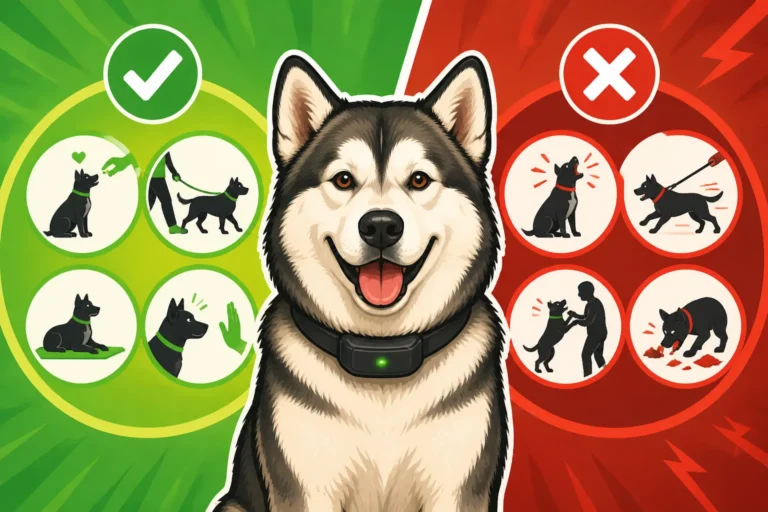
Alaskan Malamutes are incredibly smart, but they are also independent thinkers. They do not respond well to harsh, punitive, or force-based training methods. In fact, such approaches are highly likely to backfire, creating a dog that is fearful, resentful, and much more prone to defensive aggression. A Malamute subjected to alpha rolls, intimidation, or physical punishment will learn to distrust humans and may resort to biting to protect itself. This is why Why Force Fails on an Alaskan Malamute is a critical lesson for any Malamute owner. Positive reinforcement, patience, and clear communication are the only effective ways to build a strong, trusting relationship with a Malamute.
Preventing Bites: Responsible Ownership and Training Strategies
Preventing bites in an Alaskan Malamute largely comes down to proactive, responsible ownership. It's about understanding the breed, respecting their natural instincts, and providing consistent guidance and a safe environment.
Early and Ongoing Socialization
The foundation of a well-adjusted Malamute begins with early and comprehensive socialization. From the moment you bring your puppy home (after they've had their initial vaccinations), expose them to a wide variety of positive experiences. This means meeting different types of people – men, women, children, people in hats, people with canes – in a controlled, positive way. Introduce them to various sounds, textures, and environments. Think about enrolling in puppy classes, or utilize online training platforms like those from BAXTER & Bella that can guide you through structured socialization activities. This early exposure helps them develop confidence and resilience, reducing the likelihood of fear-based reactions later on. Don't stop at puppyhood; continued exposure and positive experiences throughout their lives will reinforce their comfort with the world.
Consistent Positive Reinforcement Training
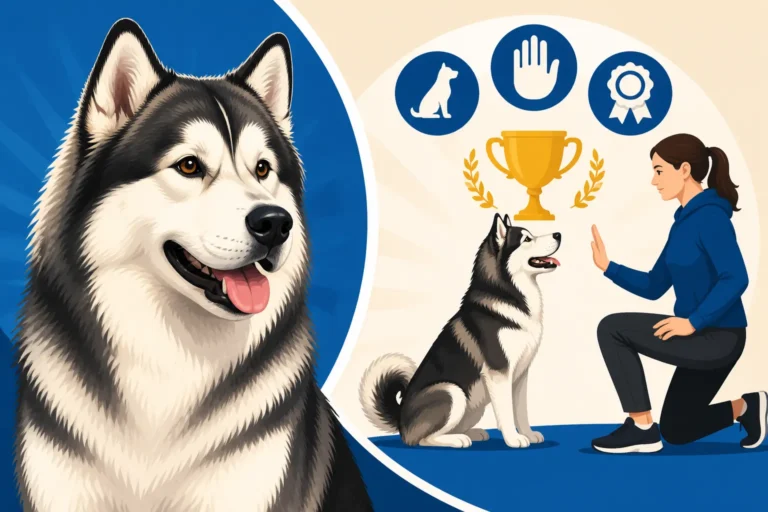
Malamutes thrive on positive reinforcement. They are intelligent and enjoy learning, especially when it involves tasty treats, praise, and favorite toys. Tools like durable chew toys and treat-dispensing puzzles, easily found on Amazon, can be great motivators. Focus on teaching basic obedience cues like sit, stay, come, and leave it. These are not just tricks; they are essential communication tools that build a strong bond between you and your dog and provide you with control in various situations. Practice loose-leash walking religiously, as their power can make them challenging to handle if they decide to pull. Remember, repetition can sometimes bore a Malamute, so keep training sessions short, fun, and varied.
Understanding and Respecting Body Language
Learning to read your Malamute's body language is perhaps one of the most critical bite prevention skills. Dogs communicate constantly through their posture, facial expressions, tail wags (which aren't always friendly!), and ear positions. Recognizing subtle signs of stress, fear, or discomfort – a stiff body, whale eye (showing the whites of their eyes), tucked tail, yawning, lip licking, or a low growl – can alert you to potential issues before they escalate to a bite. Never punish a growl; it's a warning signal. If your Malamute growls, it's telling you it's uncomfortable. Listen to that signal and remove them from the situation or address the cause of their discomfort.
Management Strategies and Secure Environments
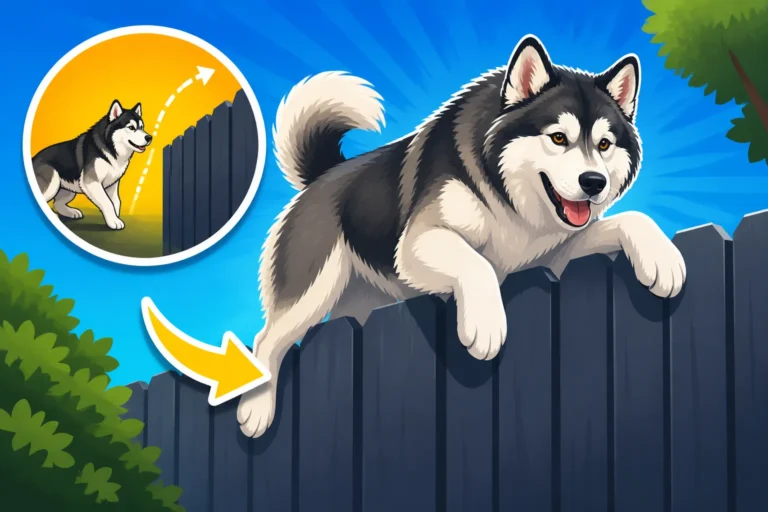
Given their strong prey drive and desire to roam, proper management is non-negotiable for a Malamute. This means secure fencing (think six feet high, possibly with buried wire or concrete footings to deter digging), and always keeping them on a leash in unfenced areas. As discussed, Why an Alaskan Malamute Can Never Be Off Leash is a hard truth many new owners learn the hard way. A strong, reliable harness and leash combination is an essential piece of equipment for every Malamute owner. Consider a long line for supervised exploration in safe, open spaces to give them a sense of freedom without the risk. Introductions to new dogs should always be supervised and controlled, especially with same-sex pairings.
Seeking Professional Guidance
If you find yourself struggling with any behavioral issues, including aggression, don't hesitate to seek help from a qualified professional. This might be a certified professional dog trainer (CPDT-KA) or a certified dog behaviorist (CDBC). They can assess your Malamute's specific situation, identify triggers, and develop a tailored training plan using positive, humane methods. Early intervention is key to addressing behavioral concerns before they become deeply ingrained habits.
Common Misconceptions and What to Watch For
It's easy to fall into traps of common misconceptions when it comes to powerful breeds. Let's clear up a few points and outline what signals to always heed.
Malamutes Are Not Inherently Aggressive
It bears repeating: Alaskan Malamutes are not naturally aggressive dogs towards humans. Their reputation as "wolf-like" often leads people to assume they are dangerous or vicious. In reality, a well-bred, well-socialized, and well-trained Malamute is typically a friendly, playful, and affectionate companion. Their independence and stubborn streak can be challenging, but these traits are distinct from aggression. They are generally not protective in the way some guard breeds are, preferring to greet strangers rather than deter them.
Distinguishing Warnings from Bites
A bite doesn't usually come out of nowhere. Dogs, including Malamutes, almost always provide warning signals before they resort to biting. These signals are their way of communicating discomfort or fear. Learning these signals is crucial for preventing a bite.
| Warning Sign | What it Means | Action to Take |
|---|---|---|
| Lip Licking/Yawning | Stress, anxiety, or discomfort. | Remove stressor, give space, observe. |
| Stiff Body/Tail Set High | Increased tension, potential for escalation. | Do not approach, create distance, intervene calmly if safe. |
| Whale Eye (Whites of Eyes) | Fear, anxiety, feeling threatened. | Give space, avoid direct eye contact, speak softly. |
| Low Growl | "I am uncomfortable and want you to stop." | Immediate cessation of whatever is happening, give space. |
| Snarl (showing teeth) | Clear warning, "Back off, or I will bite." | Do not push boundaries, retreat immediately and calmly. |
| Air Snap (no contact) | Final warning shot, "I could have bitten, next time I might not miss." | Serious intervention needed. Re-evaluate situation, seek professional help. |
Ignoring these warning signs is like ignoring a smoke alarm – you're increasing the risk of a fire. Always respect your Malamute's boundaries and signals.
The Importance of Responsible Breeding
The foundation of a dog's temperament often starts with its genetics and early environment. A Malamute from a responsible breeder will come from parents with sound temperaments and be raised in a stimulating, clean environment with early handling and socialization. Breeders who prioritize health and temperament are vital in producing well-adjusted puppies. Conversely, puppies from backyard breeders or puppy mills, where health testing is neglected and early socialization is minimal, are at a higher risk for fear-based aggression or other behavioral issues. Always research your breeder thoroughly and ask about temperament and health clearances. You can look up resources from the Alaskan Malamute Club of America for reputable breeders.
While an Alaskan Malamute is unlikely to bite without cause, their sheer size and power mean that any bite can be severe. It is our responsibility as owners to understand their unique nature, provide appropriate training and socialization, respect their communication, and manage their environment to prevent potential issues. A well-loved, well-understood Malamute is a truly magnificent and gentle companion.
Disclaimer
This article is for general informational purposes only and does not constitute professional advice. Laws, prices and regulations vary by location and change over time. Consult a qualified professional for guidance on your specific situation.