Whether an Alaskan Malamute Belongs in a Warm Climate
Alaskan Malamute dogs face serious health risks in warm climates because thick arctic coats and cold metabolisms trap internal body heat.
The daily stuff, done right.
Feeding amounts by life stage, coat and skin routines, dental and nail care, exercise needs, and what changes as they age.
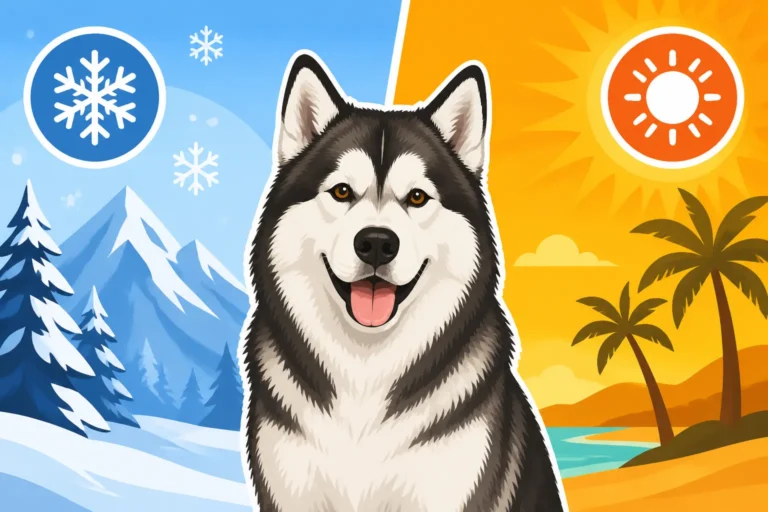
Alaskan Malamute dogs face serious health risks in warm climates because thick arctic coats and cold metabolisms trap internal body heat.
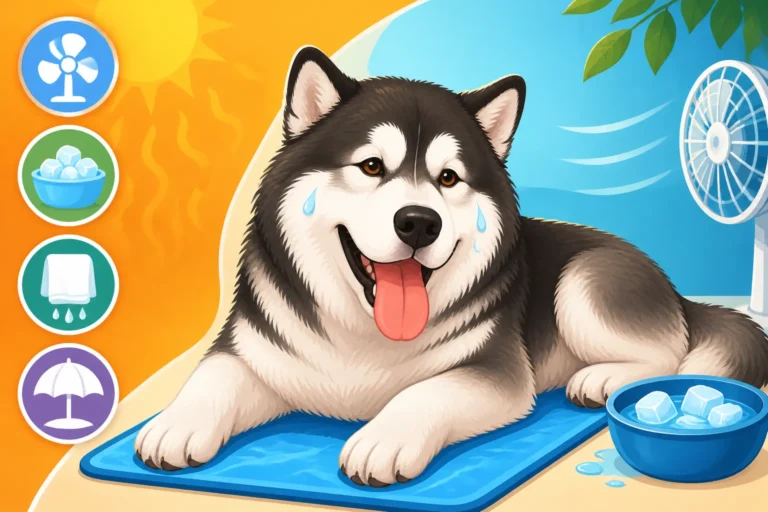
Alaskan Malamute heatstroke prevention steps explain how to use first aid and recognize signs of overheating during warm summer weather.
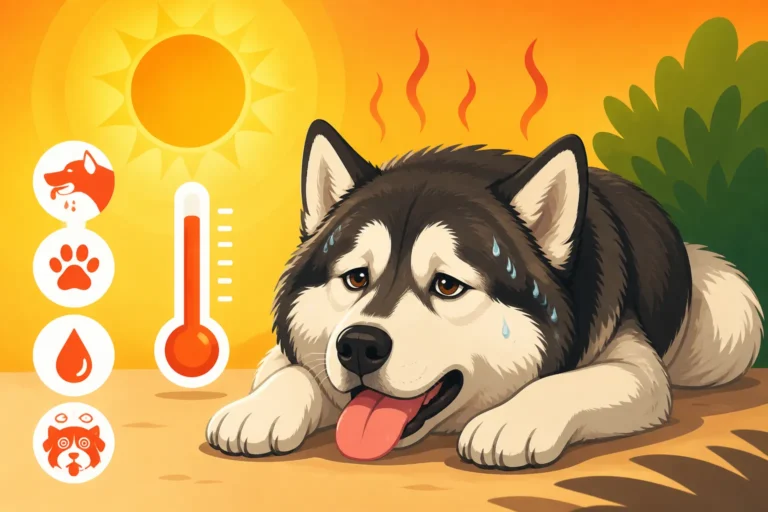
Alaskan Malamute overheating signs include subtle early indicators, helping owners recognize dangers and act quickly to save lives.

Indoor temperature guidelines for Alaskan Malamutes explain when thick coats require air conditioning to prevent overheating.

Alaskan Malamute hair loss and seasonal coat blow events, explaining common causes and when a veterinarian visit is necessary.

Alaskan Malamute dandruff and seasonal coat shedding explained, detailing normal skin flakes versus signs of health problems.
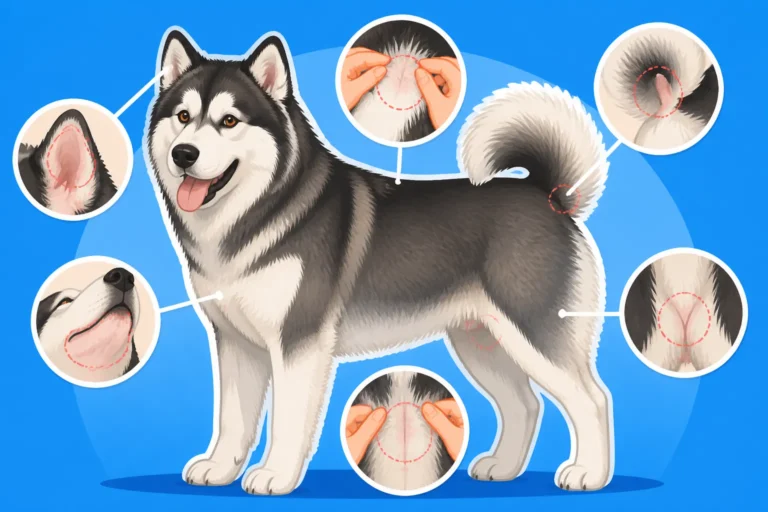
Weekly Alaskan Malamute skin checks help owners find hidden lumps, crusty patches, and parasites beneath thick double coats.
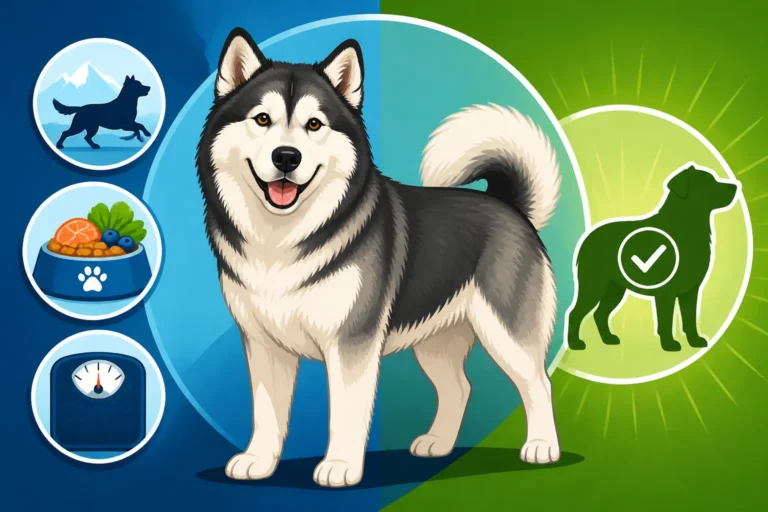
Alaskan Malamute weight management requires understanding their efficient metabolism and ancestral need for fewer calories than expected.

Alaskan Malamute dietary transitions explain the proper timing and process to switch large breed puppies to adult dog food safely.
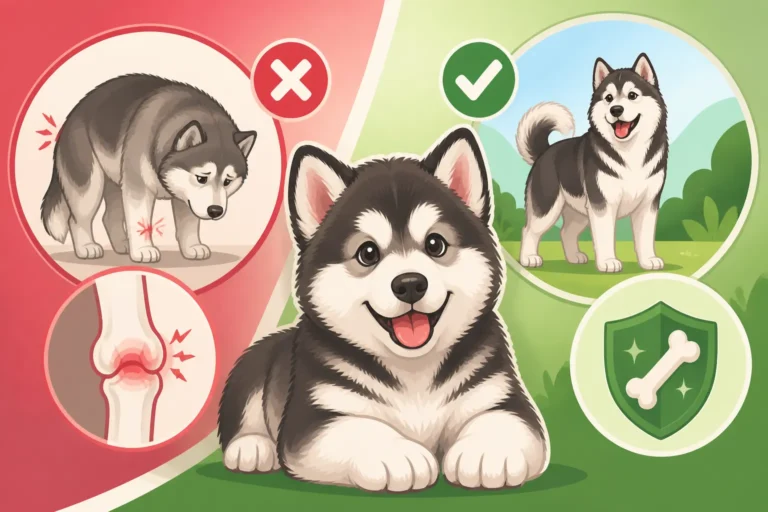
Slow growth in Alaskan Malamute puppies protects developing bones, prevents joint pain, and reduces risks of hip dysplasia and arthritis.