Whether Phytates in Grain Block a Malamute’s Zinc
Phytates in grains and plant foods bind to zinc and interfere with absorption in Alaskan Malamutes, risking zinc-responsive dermatosis.
The daily stuff, done right.
Feeding amounts by life stage, coat and skin routines, dental and nail care, exercise needs, and what changes as they age.

Phytates in grains and plant foods bind to zinc and interfere with absorption in Alaskan Malamutes, risking zinc-responsive dermatosis.

High calcium levels interfere with zinc absorption in Alaskan Malamutes, risking zinc responsive dermatosis and health issues.

Alaskan Malamute zinc blood testing often shows normal levels despite poor cellular absorption and crusting skin lesions.

Zinc poisoning risks in Alaskan Malamutes, alongside signs of toxicity, genetic factors, and safe mineral levels for the breed.
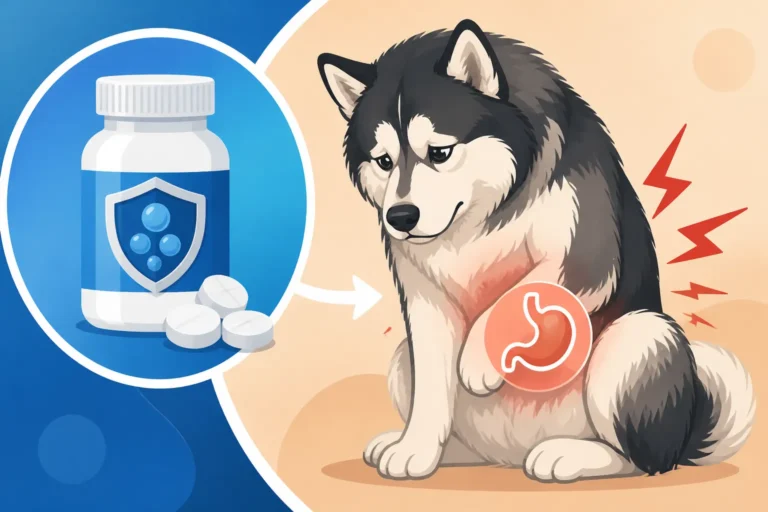
Zinc supplements causing stomach upset in Alaskan Malamutes, with steps to manage Zinc Responsive Dermatosis and digestive comfort.

Alaskan Malamute zinc supplementation needs, genetic absorption factors, and skin signs like dry crusty patches on the muzzle and paw pads.

Lifelong zinc supplementation manages Zinc Responsive Dermatosis in Alaskan Malamutes because genetic traits block proper mineral absorption.

Zinc methionine supplementation helps Alaskan Malamute owners manage genetic zinc deficiency and painful skin issues effectively.
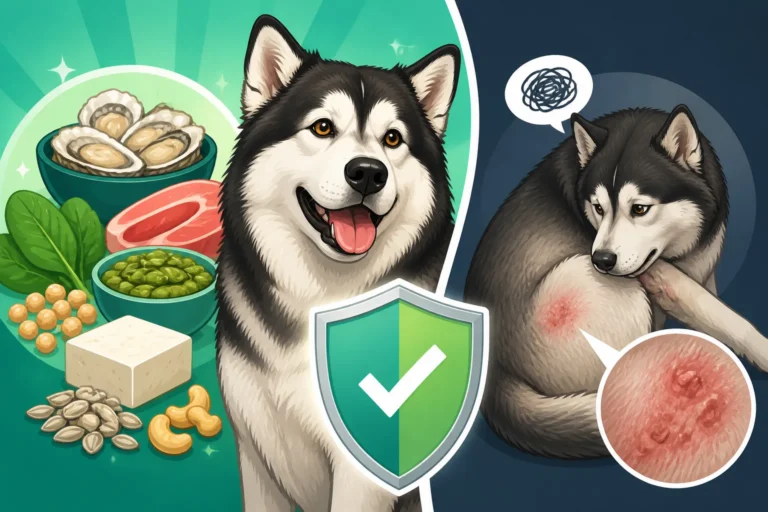
Zinc responsive dermatosis in Alaskan Malamutes stems from poor mineral absorption, causing painful skin scaling and cracking.

Alaskan Malamute zinc requirements and absorption issues explain why standard commercial kibble might fail to prevent deficiency.