How Likely an Alaskan Malamute Is to Bite
Alaskan Malamute biting risks involve socialization, prey drive, and pain triggers, requiring positive reinforcement training.
Work with the temperament you have.
House-training and crate work, recall, leash manners, separation anxiety, and the behaviors this breed is wired for.

Alaskan Malamute biting risks involve socialization, prey drive, and pain triggers, requiring positive reinforcement training.

Alaskan Malamute dogs lack guarding instincts and greet strangers with friendly vocalizations, offering no home protection.
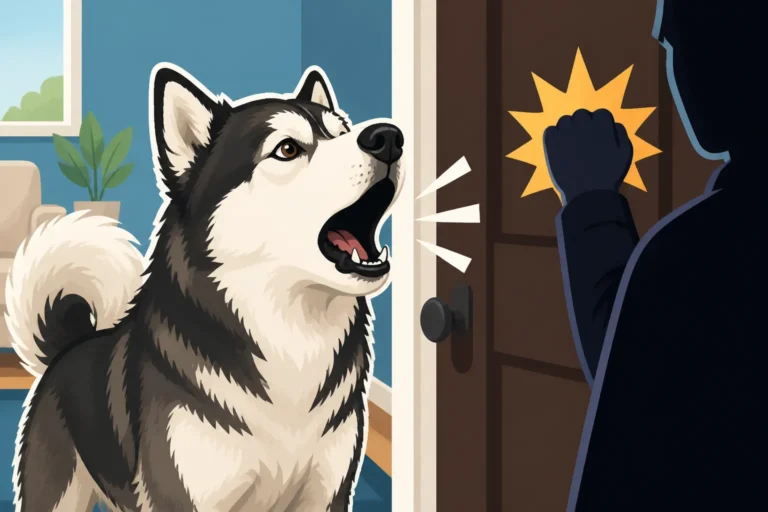
Alaskan Malamute door greetings feature enthusiastic woos and high-energy excitement instead of aggressive guarding behaviors.

Alaskan Malamute training methods help owners teach a reliable quiet cue using positive reinforcement and management strategies.

Alaskan Malamute vocalizations, digging habits, and escape attempts explain what neighbors notice about these unique, powerful dogs.
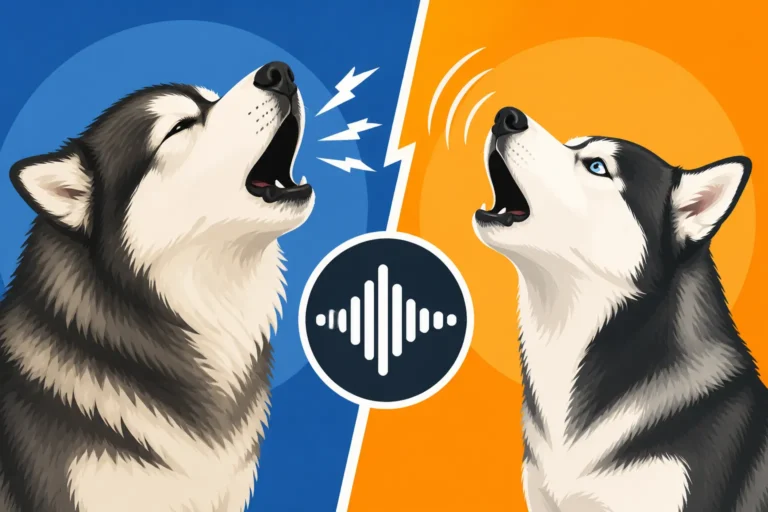
Alaskan Malamute vocalizations feature low-pitched conversational woos and rare barking, unlike the resonant howls of Siberian Huskies.

Alaskan Malamute howling at sirens stems from ancient pack instincts, wolf heritage, and high-pitched frequency perception.

Alaskan Malamute howling stems from ancient Arctic working instincts and modern triggers like sirens, anxiety, or boredom.

Alaskan Malamute vocalizations explained: learn what the unique woo sound means, why they do it, and how they communicate.
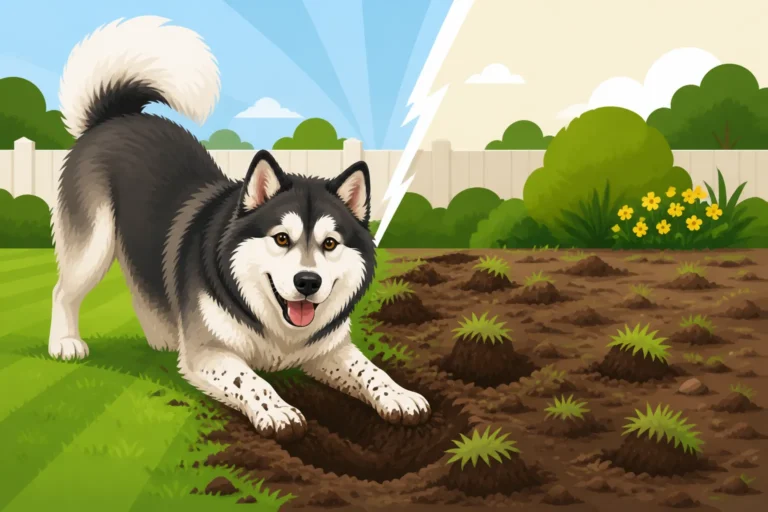
Alaskan Malamute lawn damage stems from digging, zoomies, and urine, but owners can manage these instincts through strategic yard planning.