The Malamute That Bolts Through an Open Door
Alaskan Malamute door bolting behaviors, ancient hunting instincts, threshold training, and practical prevention strategies are explained in detail.
Work with the temperament you have.
House-training and crate work, recall, leash manners, separation anxiety, and the behaviors this breed is wired for.
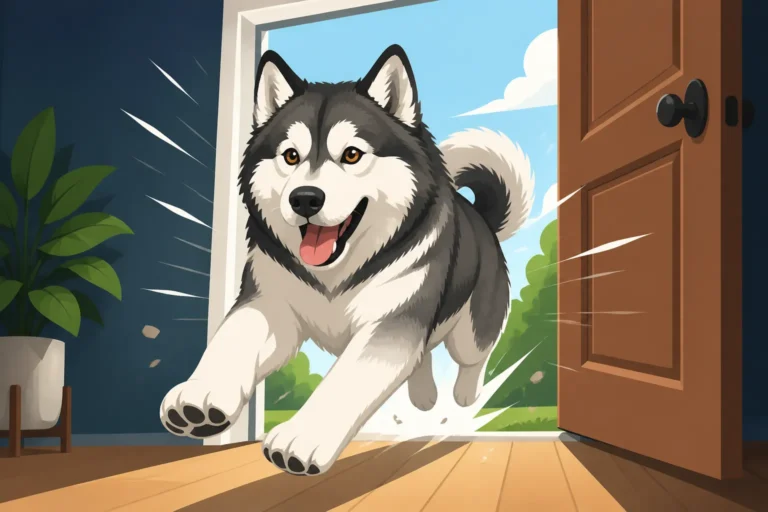
Alaskan Malamute door bolting behaviors, ancient hunting instincts, threshold training, and practical prevention strategies are explained in detail.
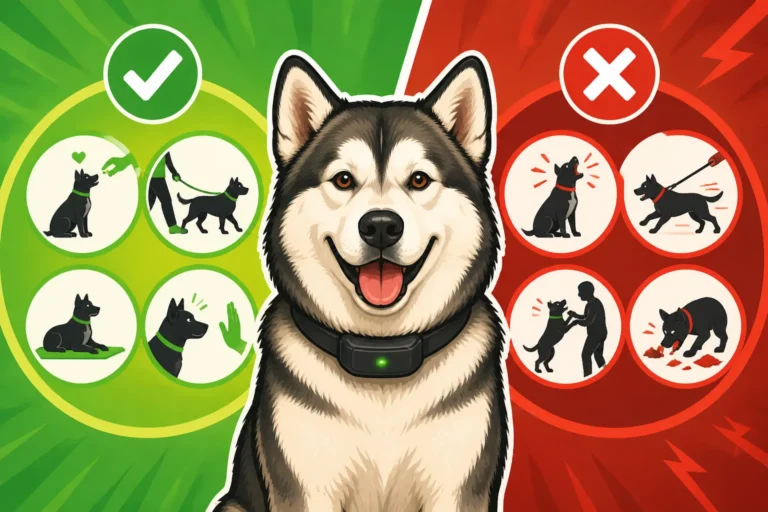
Alaskan Malamute training with an e-collar addresses specific off-leash safety or barking, but never prey drive, digging, or stubbornness.
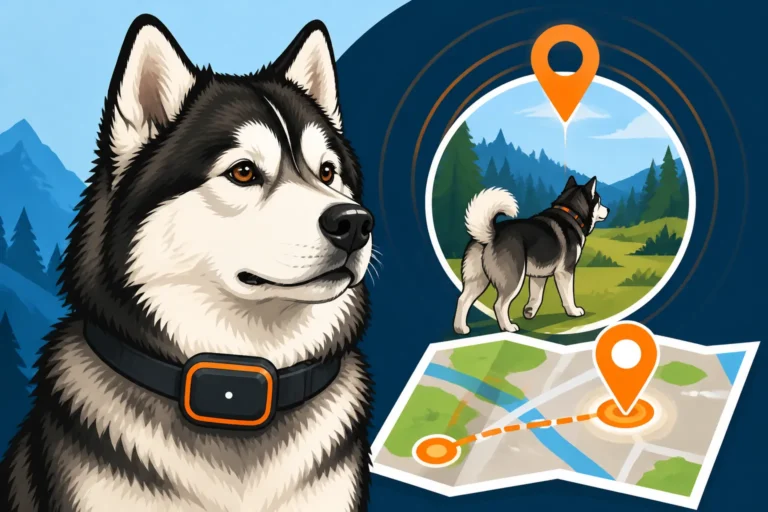
Alaskan Malamute owners learn why GPS collars provide real-time location tracking to counteract strong prey drives and wandering instincts.
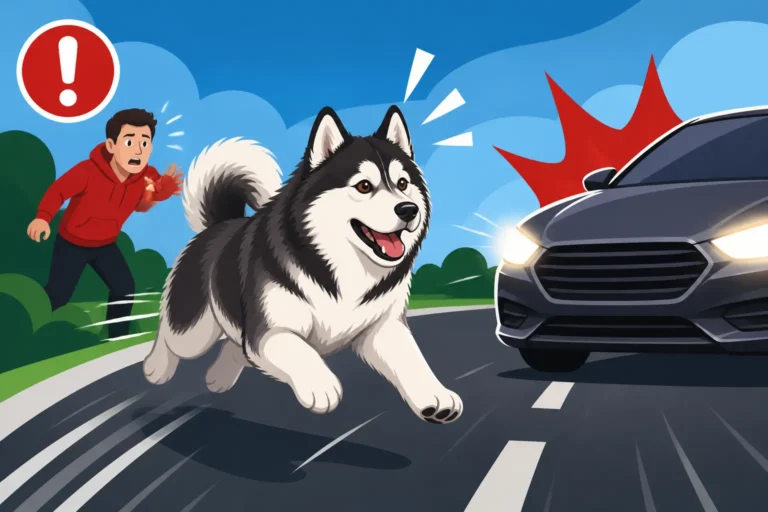
Alaskan Malamute running toward traffic happens because ancient prey drive instincts override self-preservation around fast-moving cars.

Alaskan Malamute independence, wanderlust genes, and strong prey drive explain why loose dogs rarely return when called.
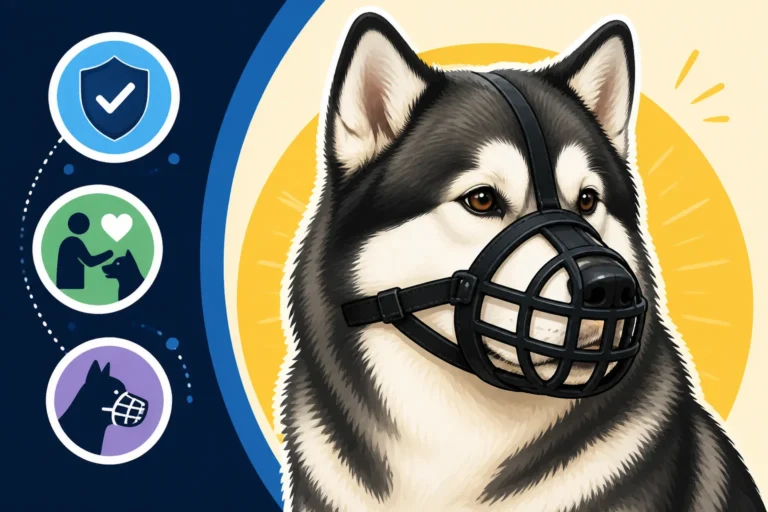
Alaskan Malamute muzzle training provides crucial safety during veterinary visits, manages high prey drives, and prevents dangerous scavenging.

Leash reactivity in Alaskan Malamutes stems from instincts, barrier frustration, and fear. Learn practical management and tracking strategies.

Alaskan Malamute grief manifests through behavioral shifts and physical changes when a beloved animal housemate passes away.

Alaskan Malamutes evaluate new puppies through pack instincts and body language, establishing household hierarchies and boundaries safely.

Alaskan Malamute social dynamics and pack instincts explain whether the breed thrives as an only dog or in multi-dog homes.