Why a Loose Alaskan Malamute Does Not Come Back
The sheer panic that grips you when you realize your Alaskan Malamute has slipped its leash or found a way out of the yard is a feeling every Malamute owner dreads. It’s not just a fleeting fear; it’s a deep-seated terror because, unlike many other breeds, a loose Malamute often doesn't come back, no matter how much you call. This guide dives deep into the complex reasons behind this frustrating and often dangerous reality, helping you understand the Malamute's unique mindset when it's off on an adventure.
The Deep-Seated Instincts of a Loose Malamute
To truly grasp why your Malamute seems to develop selective hearing the moment a gate swings open, you need to look back at their heritage. These magnificent dogs weren't bred to sit by a hearth and wait for commands; they were bred for survival, independence, and long-distance travel in harsh environments. That history is etched into their very DNA, influencing every decision they make when presented with freedom.
Born to Roam: The Wanderlust Gene
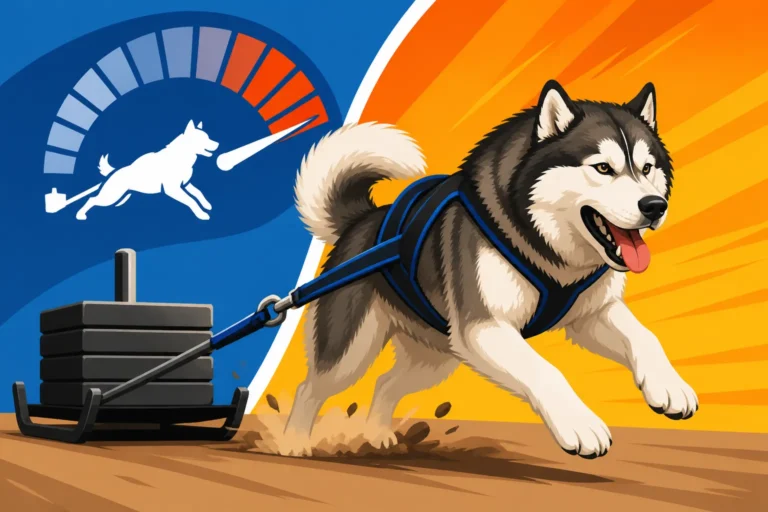
Imagine endless miles of snow, the need to find food, and the task of pulling heavy sleds across vast, featureless landscapes. This is the Malamute's ancestral job. Their ancestors, working with the Mahlemut people of Alaska, were self-sufficient, resourceful, and capable of traveling for great distances without human direction. This innate drive to cover ground, to explore what's over the next hill or around the next bend, is incredibly powerful. It's not disobedience or a lack of love for you; it's a profound, hardwired instinct. When a Malamute is loose, the world becomes a giant, enticing map to be explored, and your voice, no matter how urgent, is just a distant sound compared to the thrill of the chase or the scent of something new. They are literally built for journeying, and a sudden taste of freedom simply unleashes this fundamental part of their being. This is why you'll often hear that Why an Alaskan Malamute Will Never Have a Reliable Recall.
The Call of the Wild: Unrelenting Prey Drive
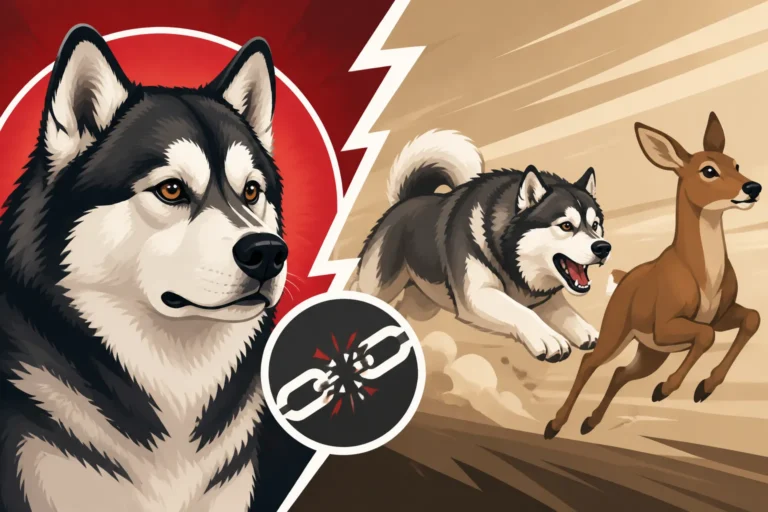
Beyond the wanderlust, there's another primal force at play: their prey drive. Alaskan Malamutes were bred not just to pull, but also to be efficient hunters, capable of supplementing their diet by pursuing small game. Their senses are incredibly acute, especially their sense of smell. A squirrel darting across the lawn, a rabbit scent wafting from a nearby field, or even the faint track of a deer from hours ago—these are irresistible invitations to a Malamute. When those instincts kick in, everything else fades into the background. Your calls, your pleas, your familiar presence are simply drowned out by the intense focus on the chase. It’s a biological imperative that overtakes learned behaviors. Many owners underestimate How Strong a Malamute's Prey Drive Is until they witness it firsthand, a furry missile locked onto a distant target, utterly deaf to the world. They were, after all, bred to help hunt formidable animals; A Malamute Was Bred to Hunt Bears and It Has Not Forgotten, so a rabbit barely registers as a challenge.
Independence, Not Disobedience
It's easy for owners to feel personally offended when their Malamute ignores them and bolts. We interpret it as defiance, a conscious choice to disrespect our authority. However, with a Malamute, it’s more accurately described as independence. These dogs were selected for their ability to make decisions, to navigate challenging terrain, and to work effectively in a team without constant micromanagement from a human. They needed to think for themselves, and that independent streak is still very much alive. When they're loose, they revert to being the self-sufficient, problem-solving canines their ancestors were. They’re not actively trying to be "bad"; they're simply operating on their own agenda, which often involves exploring, hunting, or finding other interesting things, rather than returning to you. They process your commands as suggestions, not absolute laws, especially when the wilderness—or even just the neighbor's yard—calls.
Why "Come" Means Something Different to a Malamute
For most dog breeds, a solid recall is the cornerstone of off-leash freedom. But for Malamutes, the concept of "come" is often fluid, conditional, and ultimately, not as compelling as the world beyond your grasp.
A High Value Reward, But Only If There's Nothing Better
You might have spent countless hours in your backyard, perfecting your Malamute's recall with the highest value treats imaginable—bacon, cheese, hot dogs. And in that controlled environment, they probably came sprinting back every single time, their eyes gleaming with anticipation. This gives owners a false sense of security. The problem arises when the "reward" of something new and exciting in the great wide open far surpasses anything you can offer. The thrill of a fresh scent, the adrenaline of a chase, or the sheer joy of uninhibited running simply outweighs the promise of even the tastiest treat. Their internal calculation quickly shifts: why come back for a piece of kibble when there's an entire world of possibilities waiting to be sniffed, chased, or explored? This is Why an Alaskan Malamute Can Never Be Off Leash for many, if not most, Malamutes.
The Art of Selective Hearing
It's not that your Malamute doesn't hear you calling. It's that they process the sound as background noise, or perhaps even an annoying interruption, rather than an urgent directive. They are masters of selective hearing, especially when their attention is captivated by something else. The further they get, the more distant your voice becomes, both physically and psychologically. This isn't a malicious act; it's a manifestation of their independent nature and their drive to follow their own instincts. Owners often feel unheard, dismissed, and utterly powerless in these moments, watching their beloved companion disappear over the horizon. The truth is, their brain is simply wired to prioritize novel stimuli and self-directed activity over human commands in uncontrolled environments.
Proofing Challenges Beyond the Backyard
Training a reliable recall requires extensive proofing in various environments and with increasing distractions. For most dogs, gradually introducing distractions at a park or a busy street can solidify their "come" command. For a Malamute, however, the sheer intensity of external stimuli—the smells, sounds, and sights—can be overwhelming to their training. What works in a fenced training paddock with minimal distractions will almost certainly fail when faced with the full sensory assault of an open field or a wooded trail. The challenge isn't just to teach them the command, but to make that command more compelling than every single natural instinct they possess, which is an uphill battle that most Malamute owners ultimately lose. Even sophisticated online programs, like those offered by BAXTER & Bella, while excellent for foundational training, acknowledge the inherent challenges unique to breeds with such strong independent drives when it comes to off-leash reliability.
The Harsh Realities for Malamute Owners
Living with a breed notorious for its poor recall isn't just a minor inconvenience; it brings a host of significant challenges and anxieties that deeply impact an owner's life and the safety of their dog.
The Constant Vigilance Required
Owning a Malamute means accepting a life of perpetual vigilance. Every door that opens, every gate latch, every hole in the fence becomes a potential escape route. You can't just casually let them out into the backyard and trust they'll stay put; you must actively monitor them. This translates to constant checks of your perimeter, ensuring locks are secure, and always, always double-checking that they are properly leashed and harnessed before stepping outside. The mental load of this constant oversight can be exhausting. Many owners find themselves hesitant to relax in their own yards, or even to enjoy walks, due to the ever-present fear of a sudden bolt. For those living in areas with wildlife or busy roads, this vigilance becomes literally life-saving.
The Dangers of a Roaming Malamute
When a Malamute gets loose, the dangers are manifold. First and foremost, there's the risk to the dog itself. Cars, aggressive wildlife, getting lost, or even being stolen are very real threats. A Malamute's strong prey drive can lead them into dangerous situations, chasing a squirrel across a highway or encountering a protective wild animal. Secondly, there's the danger they pose to others. Their size and strength, combined with their prey drive, mean a loose Malamute could easily injure or kill smaller animals, from neighborhood cats to local livestock. Imagine the liability and emotional distress if your beloved companion caused harm to another family's pet. We've heard countless stories of owners facing terrible situations, and it’s why understanding Whether a Malamute Owner Faces Livestock Claims is crucial. This can lead to legal issues, strained community relations, and, heartbreakingly, sometimes even the need for euthanasia if the dog is deemed a public safety risk.
The Emotional Toll on Owners
The emotional toll of a Malamute with unreliable recall is immense. The heart-stopping moments when they disappear, the frantic search parties, the hours of worry—it's an experience no pet owner wants to endure. There's the guilt of feeling like you haven't trained them enough, the frustration of their independence, and the profound sadness that comes with knowing you can't offer them the same kind of freedom you might other breeds. This can lead to owners feeling isolated, as many social dog activities require reliable off-leash behavior. It can also restrict travel and daily life, as finding suitable, secure care for a known escape artist can be a nightmare. This isn't just about a dog running away; it's about the erosion of trust and the constant undercurrent of anxiety that permeates the owner-dog relationship.
Managing the Inevitable: Strategies for Safety and Prevention
Given the Malamute's deeply ingrained instincts, the goal often shifts from achieving perfect recall to mastering management and prevention. It's about creating a foolproof system that works with their nature, rather than constantly fighting against it.
Fortifying Your Perimeter
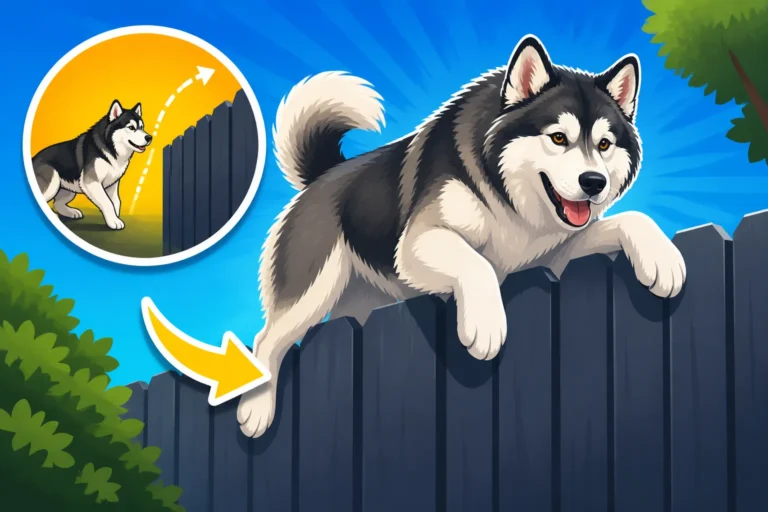
Your home's boundaries are your first line of defense. A standard four-foot fence often won't cut it for an Alaskan Malamute. They are intelligent, agile, and surprisingly good climbers and diggers. Your fence needs to be tall—at least six feet, preferably eight—and it needs to be secure at the bottom. This means burying wire mesh or concrete footings along the base to prevent digging under. Many Malamute owners have learned the hard way that Fencing a Yard Against a Malamute That Was Bred to Dig requires serious commitment and investment. Check for any weak spots, loose boards, or gate latches that could be easily manipulated. Consider double-gating systems for extra security. Think like a Malamute: if there’s a way out, they will find it. This means constant vigilance for any new potential escape routes or weaknesses that might develop over time.
Reliable Containment Beyond the Fence
Even the most secure fence can fail, or an unexpected door can be left ajar. This is where multiple layers of containment become crucial. A strong, well-fitting harness (not just a collar) is non-negotiable for walks, ideally one that discourages pulling and has a front clip, or even a martingale collar for added security. Never, ever use a retractable leash with a Malamute; they offer no control and are an accident waiting to happen. A sturdy, non-chewable crate can be a lifesaver for containing them indoors when you can't supervise, particularly during their destructive adolescent phase. When you're out and about, always use a long line or a secure tie-out rather than trusting them off-leash.
One of the most valuable tools for a Malamute owner is a GPS tracking collar. These devices can literally be the difference between finding your dog and never seeing them again. Should your Malamute make an escape, a good GPS collar allows you to track their location in real-time, greatly increasing your chances of a safe recovery. Brands like Tractive or Fi offer reliable options that can be found on platforms like Amazon. It's a small investment for immense peace of mind. Truly, Why a GPS Collar Is Essential for a Malamute cannot be overstated.
Training for Management, Not Perfect Recall
While a truly reliable off-leash recall might be an elusive dream for many Malamute owners, that doesn't mean training is futile. Instead, shift your focus to management and alternative behaviors. Teach an emergency "stop" or "wait" command that can halt them for a split second, giving you time to grab a leash. Practice strong leash manners, so walks are enjoyable and safe. Enroll in advanced obedience classes that focus on impulse control and attention in distracting environments, even if it's primarily for on-leash work. Online training resources, such as BAXTER & Bella's comprehensive programs, can provide excellent guidance on building a strong foundation in a controlled environment, which can then be adapted for managing your Malamute's specific challenges. While they may not guarantee a perfect "come" in the face of a deer, these skills make your everyday life safer and more manageable. The goal is to build a cooperative relationship where your Malamute looks to you, even if that means they eventually come back because they choose to, rather than being forced by a command they inherently challenge.
Here’s a quick overview of management strategies:
| Strategy Category | Key Actions | Tools/Considerations |
|---|---|---|
| Perimeter Security | Install 6-8 ft fences; bury mesh/concrete at base; inspect daily. | Heavy-duty fencing, concrete, secure gate latches. |
| Leash & Harness | Use escape-proof harnesses; avoid retractable leashes. | Martingale collars, front-clip harnesses, sturdy leashes. |
| Indoor Containment | Crate train for unsupervised periods; secure internal doors. | Durable, escape-proof dog crates. |
| Tracking | Equip with GPS tracking collar at all times outdoors. | GPS trackers (e.g., Fi, Tractive via Amazon). |
| Training Focus | Prioritize "stay," "wait," and emergency stop commands. | High-value treats, positive reinforcement, long lines. |
| Supervision | Never leave unsupervised outdoors, even in a fenced yard. | Active monitoring, secure tie-outs. |
Understanding that your Malamute's tendency not to return when loose is a deeply ingrained behavioral trait, not a personal slight, is the first step toward effective management. By accepting this reality and implementing robust preventative measures, you can ensure their safety and your peace of mind, allowing you to enjoy the wonderful, independent spirit of your Alaskan Malamute without constant fear.
Disclaimer
This article is for general informational purposes only and does not constitute professional advice. Laws, prices and regulations vary by location and change over time. Consult a qualified professional for guidance on your specific situation.