Whether a Malamute’s Pedigree Shows Dwarfism Carriers
Alaskan Malamute pedigrees cannot identify silent dwarfism carriers, explaining why DNA testing is required to prevent hereditary chondrodysplasia.
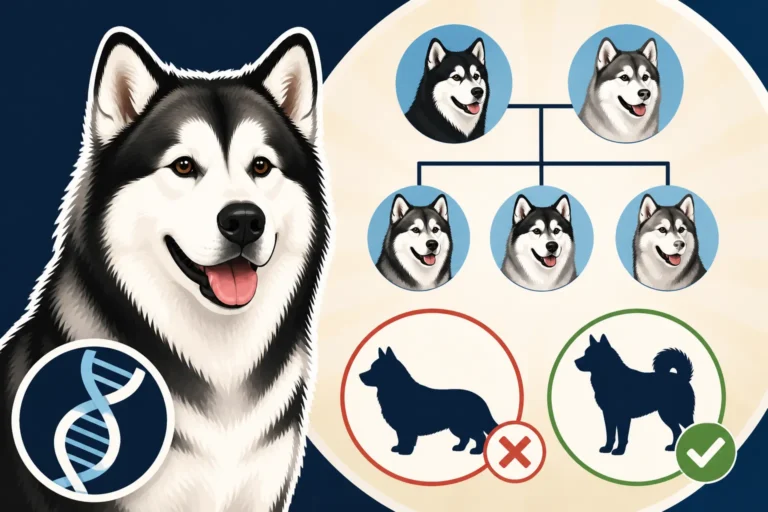
Alaskan Malamute pedigrees cannot identify silent dwarfism carriers, explaining why DNA testing is required to prevent hereditary chondrodysplasia.

Alaskan Malamute dwarfism is linked to a faulty SLC13A1 gene, and a definitive DNA test screens clear, carrier, and affected dogs.

Breeding two carrier Alaskan Malamutes creates a twenty-five percent chance for recessive genetic diseases in every litter of puppies.

Chondrodysplasia prevents dwarf Alaskan Malamutes from pulling sleds safely due to shortened limbs and increased joint injury risks.

Dwarf Malamute longevity depends on proactive veterinary care and managing associated health challenges like arthritis and zinc deficiency.
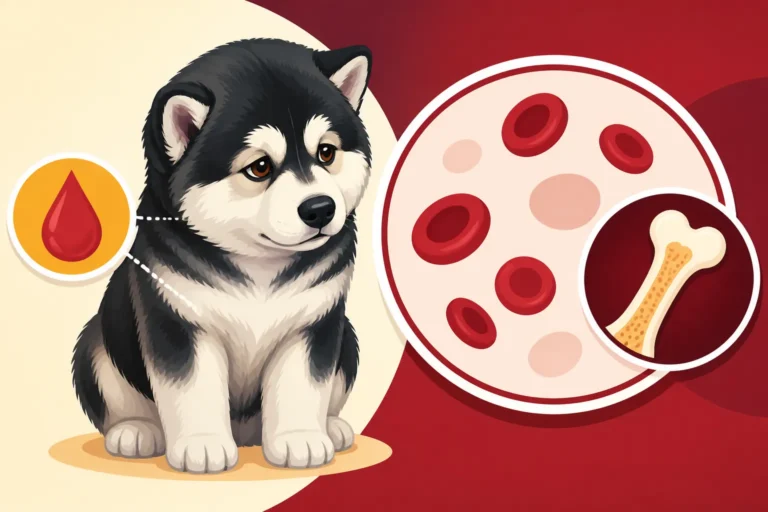
Alaskan Malamute chondrodysplasia does not inherently cause anemia, but co-occurring zinc malabsorption can create serious health risks.
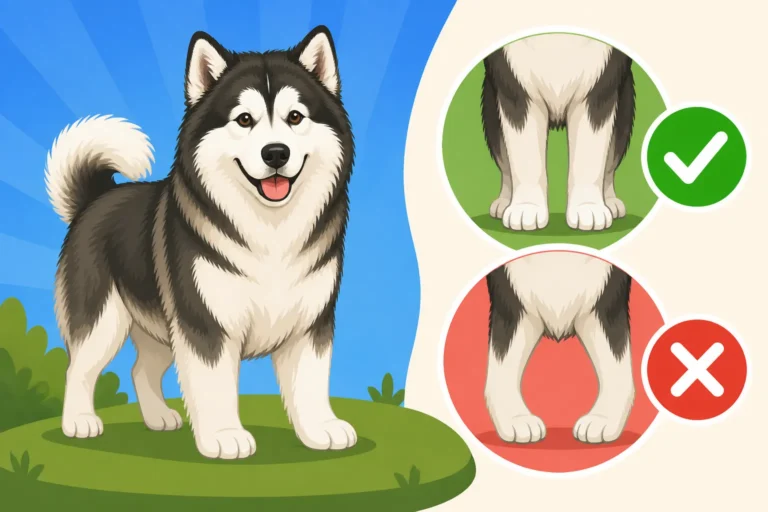
Dwarf Malamute front leg bowing results from chondrodysplasia, an inherited skeletal disorder causing disproportionate limb growth.
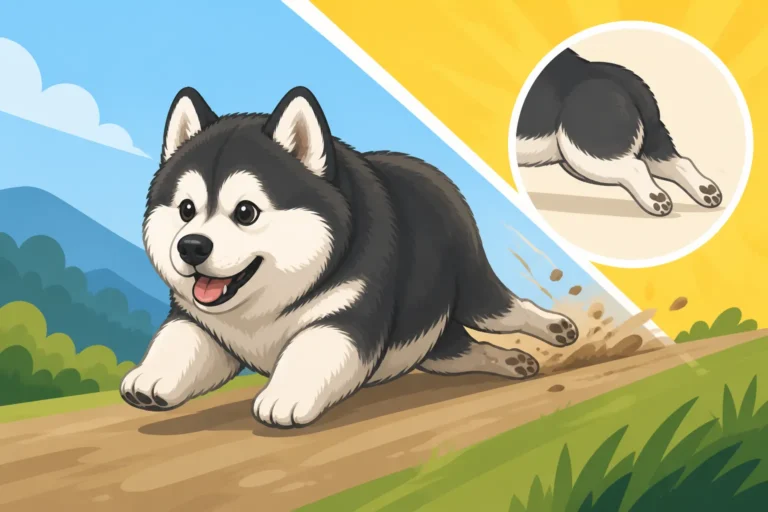
Chondrodysplasia in dwarf Malamutes typically causes leg growth to fall behind littermates around four to six weeks of age.
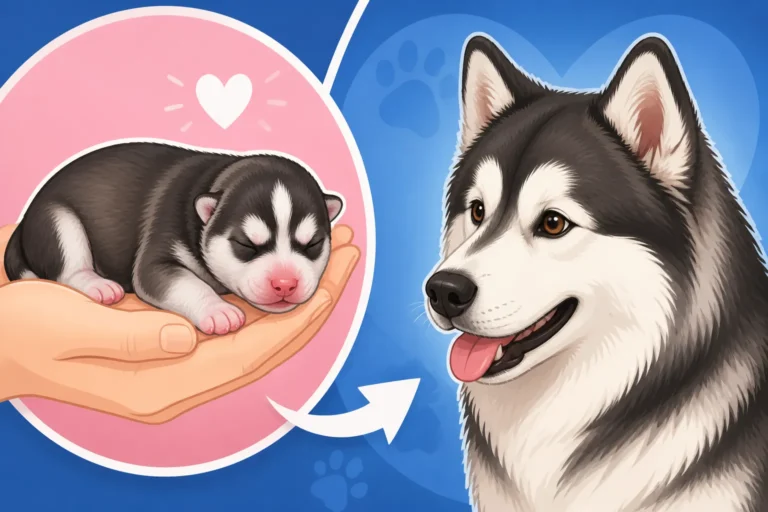
Dwarf Alaskan Malamute puppies usually appear normal at birth, hiding subtle genetic signs of chondrodysplasia for several weeks.
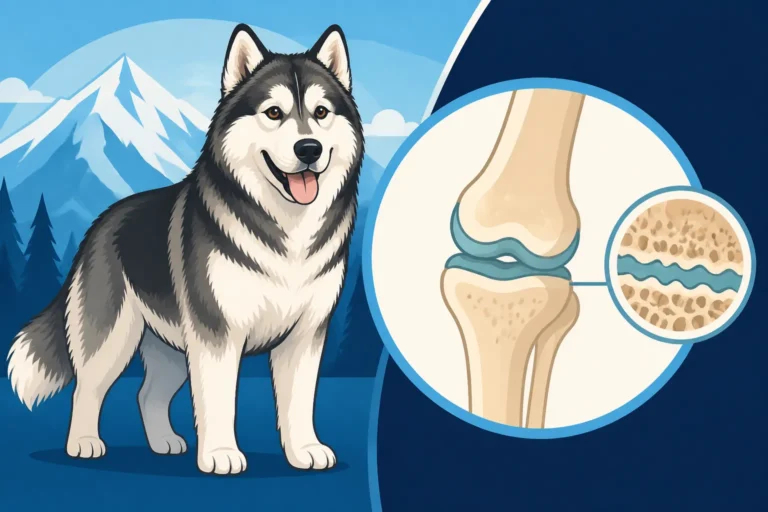
Alaskan Malamute chondrodysplasia is a genetic disorder affecting cartilage growth, with its prevalence reduced by responsible genetic testing.