Whether a Polyneuropathy Malamute Can Be Treated
Alaskan Malamute polyneuropathy management strategies explain supportive care, physical rehabilitation, and home adaptations for dogs.
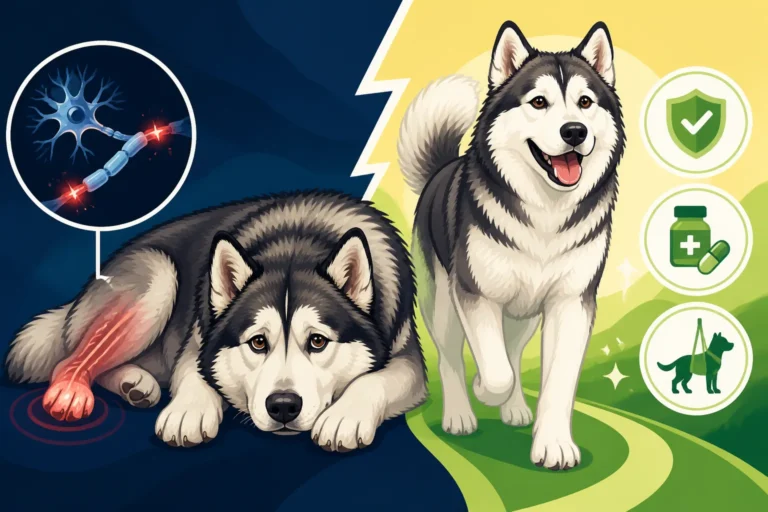
Alaskan Malamute polyneuropathy management strategies explain supportive care, physical rehabilitation, and home adaptations for dogs.
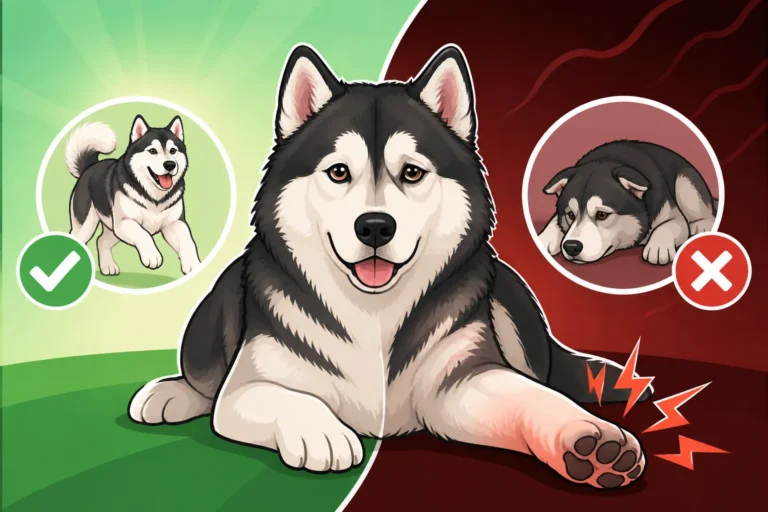
Inherited polyneuropathy in Alaskan Malamutes causes progressive muscle weakness, altered gait, and voice changes over time.
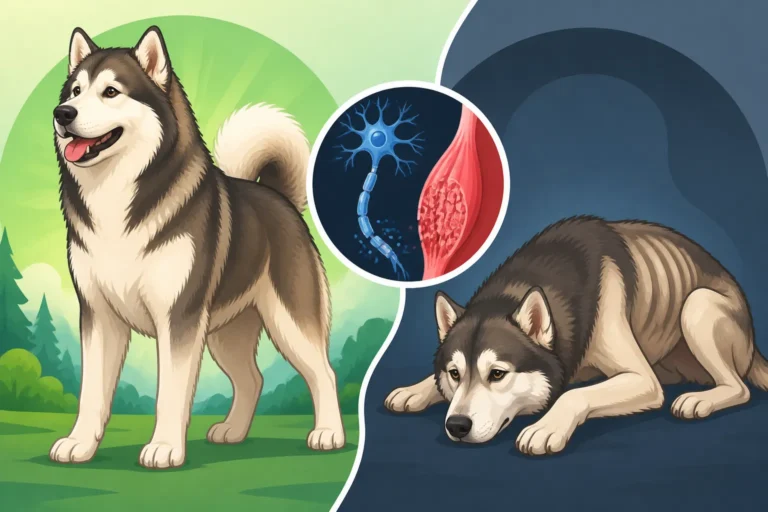
Inherited polyneuropathy in Alaskan Malamutes damages peripheral nerves, causing progressive muscle loss and weakness over time.
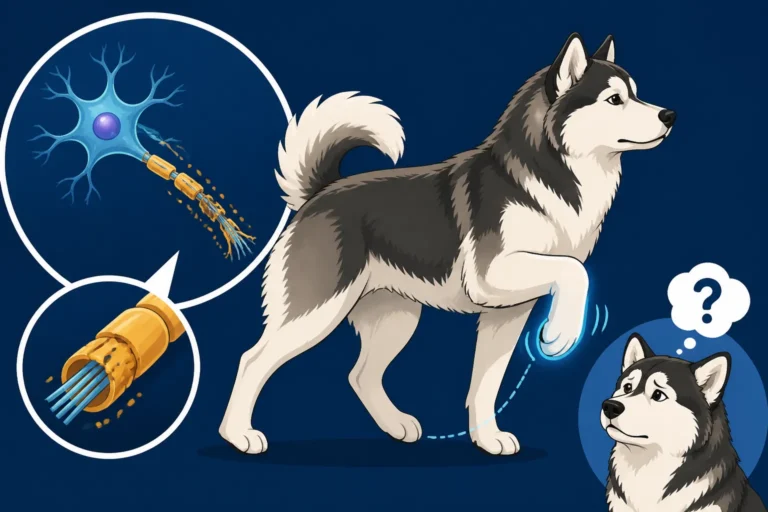
Polyneuropathy in Alaskan Malamutes damages peripheral nerves, causing muscle weakness and an exaggerated high-stepping gait.
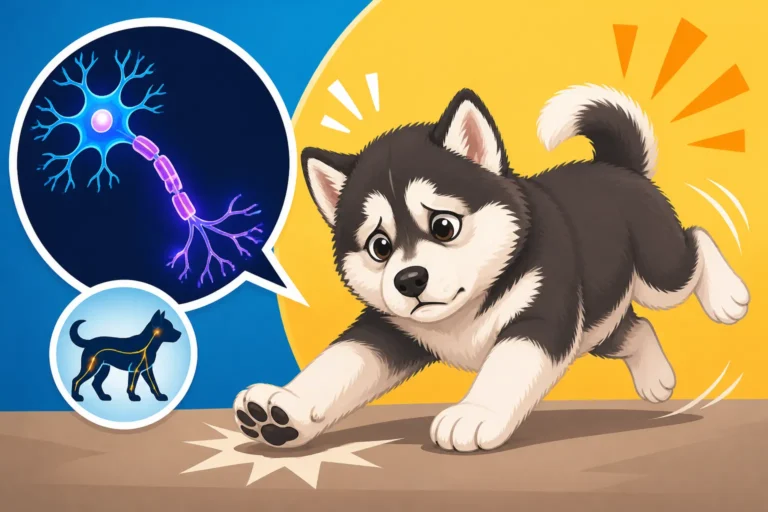
Inherited polyneuropathy in Alaskan Malamutes causes progressive tripping and muscle weakness, requiring DNA testing and careful veterinary management.
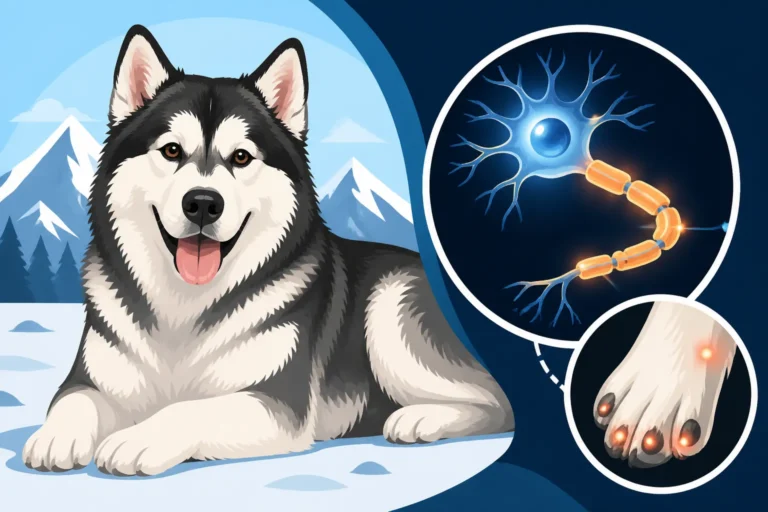
Inherited polyneuropathy in Alaskan Malamutes affects peripheral nerves, typically appearing between one and three years of age.

Zinc supplements do not treat dwarfism in Alaskan Malamutes, but they help manage concurrent zinc deficiencies and skin issues.

Miniature Alaskan Malamute dogs do not exist in the official breed standard, meaning these animals are typically mixed breeds, dwarfism cases, or scams.

Alaskan Malamute dwarfism causes short legs and health issues, but some breeders deceptively sell affected puppies as miniatures.

Alaskan Malamute breed clubs do not publish carrier lists, relying instead on individual breeder transparency and health testing.