Whether Fresh Food Suits a Zinc Prone Malamute
One of the most heart-wrenching things to witness as a Malamute owner is when your beloved companion starts to show signs of skin issues – dry, flaky patches, crusting around the eyes or muzzle, or thinning fur. When you discover this might be related to a zinc deficiency, your mind immediately races to solutions, and often, the thought of switching to a fresh food diet comes up, hoping a more natural approach will magically solve everything. It's a valid hope, and this guide will unpack whether fresh food truly suits a zinc-prone Malamute, revealing the nuances that go beyond just swapping kibble for carrots.
Understanding Zinc Deficiency in Alaskan Malamutes
It's a frustrating reality for many Malamute owners: you feed them what you think is a good diet, and yet, they still struggle with zinc issues. This isn't usually a reflection of your care, but rather a unique genetic predisposition in our wonderful, sometimes quirky, breed.
Why Malamutes Are Different
Alaskan Malamutes, unlike many other breeds, often have a genetic quirk that makes them less efficient at absorbing zinc from their diet. It's not necessarily that their food lacks zinc, but rather that their bodies struggle to utilize what's there. Think of it like a leaky bucket – you can pour plenty of water in, but if it's leaking, it's hard to keep it full. This often manifests as a condition called Zinc Responsive Dermatosis, but it’s part of a broader picture where zinc plays a critical role in their overall health. Zinc Is the Thread Running Through Three Malamute Diseases because its malabsorption can impact multiple systems. This breed evolved in harsh, nutrient-scarce environments, and their efficient metabolism is legendary, but this efficiency can sometimes work against them when it comes to specific micronutrients. This isn't just a minor dietary tweak; it's a fundamental biological challenge that requires careful attention.
The Signs of Zinc Responsive Dermatosis
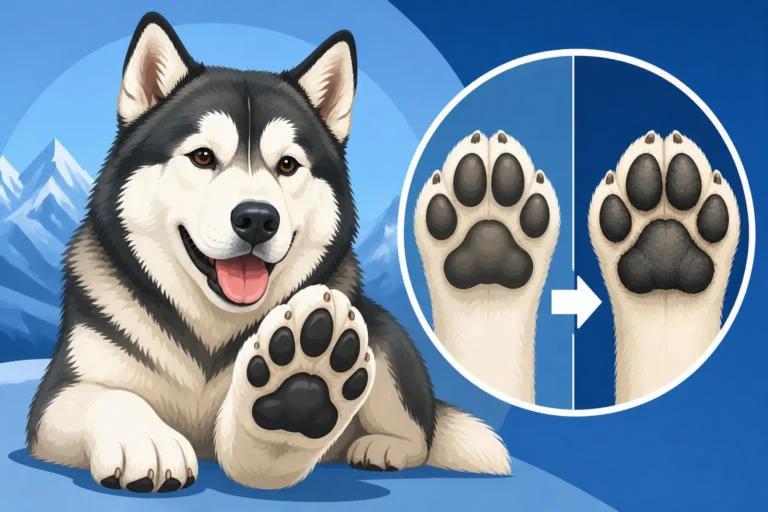
Before you even consider diet changes, it’s crucial to know what you’re looking for. Zinc Responsive Dermatosis often starts subtly. You might first notice dry, scaly patches, sometimes with a reddish tint, around the eyes, muzzle, chin, or ears. These areas can then develop thick, crusty lesions, often accompanied by hair loss. It’s not just an aesthetic problem; these lesions can be itchy and painful, leading to secondary bacterial or yeast infections. You might also see thickened paw pads or lesions on pressure points like elbows. It’s a very uncomfortable condition for your dog, and observing these signs is the first step toward getting them relief. What Zinc Responsive Dermatosis Looks Like on a Malamute is essential reading for any owner suspecting this issue. Early detection and intervention are key to managing their comfort and preventing more severe complications.
The Promise and Pitfalls of Fresh Food Diets
The appeal of a fresh food diet for any dog, especially one with health challenges, is undeniable. It feels natural, wholesome, and often conjures images of vibrant health. However, like anything, it comes with its own set of complexities, particularly for a zinc-prone Malamute.
What "Fresh Food" Really Means
When we talk about "fresh food," it's a pretty broad category. It can range from meticulously home-cooked meals prepared by owners, following specific recipes and potentially adding supplements, to commercially available fresh-prepared options that are often frozen or refrigerated. These commercial fresh food brands, like some you might find on Chewy or via subscription services like Ollie, aim to offer complete and balanced nutrition, using human-grade ingredients. The common thread is the minimal processing compared to traditional kibble. It generally means real meat, vegetables, and sometimes grains, rather than rendered ingredients and extensive extrusion. Understanding this distinction is vital, as a haphazard home-cooked diet is vastly different from a carefully formulated commercial fresh food product.
Potential Benefits for Overall Health
Many owners report wonderful improvements in their Malamutes' general health when switching to a fresh food diet. These benefits often include shinier coats, improved digestion, smaller and firmer stools, increased energy levels, and better hydration dueates to the higher moisture content of fresh ingredients. The perceived higher bioavailability of nutrients from less processed foods is a major draw. For a Malamute, whose thick double coat and dense bone structure demand optimal nutrition, these benefits can feel like a game-changer. The higher moisture content is especially beneficial for breeds prone to bloat, as it can slow down eating and aid digestion. Whether a Slow Feeder Reduces a Malamute's Bloat Risk is an interesting topic to explore alongside dietary considerations. The idea is that the dog's body doesn't have to work as hard to break down and absorb nutrients, leaving more energy for other bodily functions.
The Crucial Role of Balance and Supplementation
Here's where the dream can collide with reality, especially for a zinc-prone Malamute. A fresh food diet, whether home-cooked or commercial, must be nutritionally complete and balanced. This is a monumental task for a home cook. You can't just feed chicken and rice and expect it to cover all nutritional bases, especially for a breed with specific needs like an Alaskan Malamute. Achieving the correct ratios of vitamins, minerals, fats, and proteins is incredibly complex. If not properly formulated, a fresh food diet can lead to imbalances that exacerbate a zinc deficiency or create new health problems. For instance, too much calcium can directly interfere with zinc absorption, a critical factor for a zinc-prone Malamute. Whether Calcium Blocks a Malamute's Zinc Absorption is a direct concern in this context. This is where strategic supplementation comes into play, as relying solely on whole foods for adequate zinc in a compromised system can be a losing battle.
Navigating Zinc Absorption with a Fresh Food Approach
The real test for a fresh food diet with a zinc-prone Malamute lies in its ability to facilitate rather than hinder zinc absorption. This requires a deep dive into ingredient choices and, almost always, targeted supplementation.
Identifying Zinc Antagonists in Food
Certain components in food can actively block or reduce the absorption of zinc. For Malamutes, two major culprits are often discussed: phytates and high calcium levels. Phytates are compounds found in many plant-based foods, particularly grains, legumes, and seeds. While fresh food diets might reduce grain content, if they include other phytate-rich ingredients without careful preparation (like soaking or sprouting), they could still pose a problem. High levels of calcium, common in certain bone meals or dairy products if used excessively, also compete with zinc for absorption pathways in the gut. Even an otherwise healthy-looking fresh diet could be unwittingly sabotaging your Malamute's zinc levels if these antagonists are present in too high a concentration. This is why just "eating healthy" isn't enough; you need to understand the intricate chemical interactions within the food. Which Foods Block a Malamute's Zinc Absorption is an essential read for any Malamute owner.
Ensuring Adequate Zinc Bioavailability
Beyond simply having zinc present in the food, its bioavailability – how easily the body can absorb and utilize it – is paramount. Some forms of zinc are more readily absorbed than others. Zinc methionine, for example, is often recommended for Malamutes with absorption issues because it's a chelated form, meaning the zinc is bound to an amino acid, which can improve its uptake. Cooking methods can also play a role; while gentle cooking might make some nutrients more accessible, overcooking can degrade others. The fat content in the diet can also influence absorption, as some fat-soluble vitamins are linked to mineral metabolism. For a zinc-prone Malamute, the goal isn't just a zinc-rich diet; it's a diet designed to maximize the specific type of zinc they can best absorb, while minimizing anything that stands in its way. This is a subtle but critical distinction that often gets overlooked in generic "fresh food" recommendations.
Supplementation: A Necessary Companion, Not a Crutch
For most zinc-prone Malamutes, even with the most thoughtfully formulated fresh food diet, supplementation is not just an option, but often a necessity. Their genetic predisposition means their bodies simply don't absorb zinc efficiently enough from food alone. Think of it this way: the fresh food provides a fantastic foundation of overall nutrition, supporting their health in countless ways. But the zinc supplement is the targeted intervention that directly addresses their specific absorption challenge.
You're not using the supplement instead of a good diet; you're using it with a good diet to create a holistic solution. Discussing the exact dosage and type of zinc supplement with your veterinarian is critical. Too little won't help, and too much can be harmful. Products available through Chewy or Amazon can provide various zinc forms, but always under veterinary guidance. This isn't about finding the 'best' fresh food that has 'enough' zinc; it's about providing foundational nutrition through fresh food and then precisely topping up the specific zinc needs. Whether a Malamute Needs a Zinc Supplement Routinely dives deeper into this critical topic.
| Zinc Source Type | Description | Pros | Cons | Suitability for Zinc-Prone Malamutes |
|---|---|---|---|---|
| Whole Foods | Meats (beef, lamb, organ meats), some seafood, nuts (in moderation), eggs. | Natural, diverse nutrients, highly palatable. | Zinc content can vary; bioavailability affected by antagonists (phytates, calcium). | Good foundation, but often insufficient alone. |
| Home-Cooked | Owner-prepared meals using fresh ingredients. | Full control over ingredients, no preservatives. | Difficult to balance all nutrients, easy to create imbalances. | High risk without expert formulation and supplementation. |
| Commercial Fresh | Frozen or refrigerated raw/gently cooked diets from brands like Ollie. | Often professionally formulated for balance, convenient. | Costly; zinc levels may still not be sufficient for prone Malamutes; potential for antagonists. | Potentially good, but requires careful review of zinc content and additional supplementation. |
| Zinc Supplements | Chelated forms (e.g., zinc methionine, picolinate) or inorganic salts (zinc sulfate). | Targeted delivery of specific zinc amounts, higher bioavailability. | Over-supplementation is dangerous; needs vet guidance for dosage and form. | Essential in most cases, alongside a good diet. |
Practical Steps for Feeding a Zinc-Prone Malamute Fresh Food
Making the switch to fresh food for a zinc-prone Malamute isn't a decision to take lightly. It requires dedication, research, and most importantly, professional collaboration.
Working with a Veterinary Nutritionist
This step cannot be stressed enough. For a Malamute with a known or suspected zinc absorption issue, embarking on a fresh food diet, especially if it's home-cooked, without the guidance of a board-certified veterinary nutritionist, is risky. These experts understand the intricate balance of nutrients, the specific needs of breeds like the Malamute, and how to formulate diets that avoid common pitfalls like zinc antagonists. They can help you craft a recipe that is not only nutritionally complete but also optimized for zinc bioavailability, potentially recommending specific commercial fresh food options or advising on the right type and dosage of supplements. Trying to go it alone, even with the best intentions, can easily lead to a diet that, while seemingly "healthy," is deficient in crucial areas or inadvertently exacerbates the very problem you're trying to solve. This professional guidance ensures that your fresh food journey is a true benefit, not a gamble.
Sourcing Quality Ingredients and Monitoring Intake
Once you have a plan, the quality of your ingredients becomes paramount. For home-cooked meals, this means choosing human-grade meats, fresh, vibrant vegetables, and avoiding anything processed or artificial. Even with commercial fresh food brands, taking the time to read labels and understand their ingredient sourcing is wise. If you're buying supplements, opting for reputable brands through trusted retailers like Amazon or your vet's office ensures quality.
Monitoring your Malamute's food intake is also crucial. Some Malamutes can be picky eaters, or their appetite might fluctuate. Ensuring they eat their full, balanced portion, especially when supplements are mixed in, is vital for the diet to be effective. Keeping a food journal can be helpful, noting down what they ate, any changes in appetite, and how they responded. Whether a Malamute Skips Meals is a common concern among owners.
Observing Your Malamute's Response
After implementing a fresh food diet (with or without supplements, as advised by your nutritionist), diligent observation is key. You're looking for improvements in their skin and coat – less flakiness, reduced redness, and eventually, the healing of any crusty lesions. It’s not an overnight fix; healing takes time. But you should start to see positive changes within a few weeks to a couple of months.
Beyond the dermatological signs, pay attention to their overall energy, digestion, and demeanor. Are they more energetic? Are their stools consistent and healthy? Are they showing any new signs of discomfort? It's also wise to schedule follow-up veterinary appointments to monitor their progress, possibly with blood tests to check zinc levels if recommended. Reading a Malamute's Skin Before the Crusts Appear can help you catch subtle changes. Don't be afraid to adjust the plan with your nutritionist if you're not seeing the desired results or if new issues arise. This is a journey of careful management, not a one-and-done solution.
In conclusion, fresh food can indeed suit a zinc-prone Malamute, but it’s not a magic bullet. It requires careful, informed planning, often necessitating professional guidance from a veterinary nutritionist, and almost always includes targeted zinc supplementation. When done correctly, it can provide a wonderfully nutritious foundation for your Malamute's overall health, while specifically addressing their unique zinc absorption challenges.
Disclaimer
This article is for general informational purposes only and does not constitute professional advice. Laws, prices and regulations vary by location and change over time. Consult a qualified professional for guidance on your specific situation.