Zinc Responsive Dermatosis in an Alaskan Malamute
There’s nothing quite like the sight of a magnificent Alaskan Malamute, all power and grace, but it can be truly heartbreaking when their beautiful, thick coat starts to give way to crusty, flaky, and uncomfortable skin. Many Malamute owners find themselves puzzled and distressed by these changes, often without realizing it could be a specific, inherited condition. This comprehensive guide aims to shed light on Zinc Responsive Dermatosis (ZRD), a common yet often misunderstood issue in our beloved Mals, helping you understand its origins, recognize the signs, and navigate effective treatment and management for a healthier, happier companion.
Understanding Zinc Responsive Dermatosis in Malamutes
Seeing your Malamute develop skin issues can be incredibly frustrating. You meticulously care for their coat, ensure they have a good diet, and suddenly, patches of crusty skin start appearing around their face or joints. It's easy to assume it's allergies or something simple, but for Alaskan Malamutes, there's a specific, genetically predisposed condition that often leads to these symptoms: Zinc Responsive Dermatosis. It's not just a superficial skin problem; it's a reflection of how their body processes a vital mineral.
What Makes Malamutes Prone to ZRD?
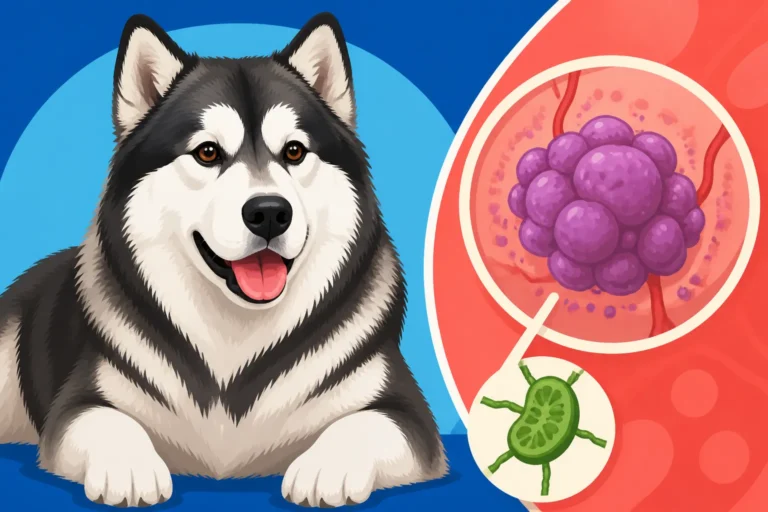
Alaskan Malamutes, along with a few other Nordic breeds like Siberian Huskies and Samoyeds, have a unique metabolic quirk when it comes to zinc. While most dogs absorb zinc efficiently from their diet, some Malamutes struggle with this process. Their bodies simply aren't as good at taking zinc from their food and utilizing it, even if the diet itself contains seemingly adequate amounts. This isn't about being fed a cheap or poor-quality kibble; it's about a fundamental difference in how their digestive system and cells handle this essential trace mineral.
This inherent inefficiency means that even a diet considered perfectly balanced for another breed might leave a Malamute zinc deficient at a cellular level. It's a bit like having a leaky bucket – you can pour plenty of water in, but if it's all draining out, the bucket stays empty. This is why you can have a Malamute on a top-tier diet, yet they still show signs of ZRD, leaving owners scratching their heads. Their bodies just aren't holding onto or utilizing the zinc they are getting.
The Genetic Component: A Deep Dive
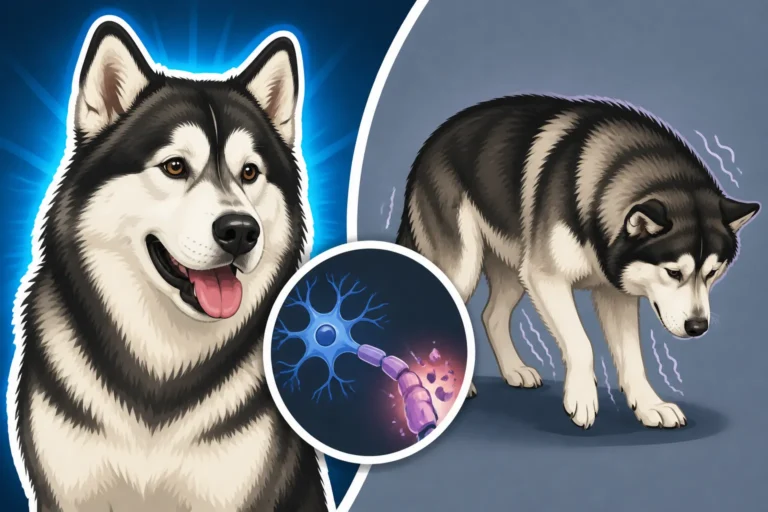
The predisposition for Zinc Responsive Dermatosis in Alaskan Malamutes is largely genetic. This isn't something they "catch" like a cold; it's something they inherit. While the exact genetic markers are still being thoroughly researched and aren't as clearly defined as some other inherited diseases, it's widely accepted that a hereditary component significantly increases a Malamute's risk. This means if a Malamute's parents or ancestors suffered from ZRD, their offspring are more likely to develop it.
This genetic factor often manifests in two primary ways for dogs, types I and II. Type I, more common in breeds like the Bull Terrier, involves a problem with dietary zinc absorption. Type II, which is the type seen more frequently in our Nordic breeds like the Alaskan Malamute and Siberian Husky, points to a likely defect in zinc utilization at the cellular level, even when absorption appears normal. This distinction is crucial because it tells us that simply feeding more zinc isn't always the full answer; it's about making that zinc bioavailable and usable by the body's cells. Understanding this genetic link is vital for responsible breeding and for owners to be aware of the potential for this condition from puppyhood. If you're looking into a puppy, asking about the health history of the parents and their lines is important, especially concerning skin issues.
Distinguishing Primary vs. Secondary ZRD
When we talk about Zinc Responsive Dermatosis, it's important to understand there are nuances. Most commonly, we're referring to primary ZRD, which is the inherited form we just discussed – where the dog has a genetic predisposition to either not absorb or not utilize zinc properly, regardless of diet. This is the classic Malamute scenario. They might be eating a high-quality kibble with adequate zinc levels, but their body just can't make it work efficiently. This is why simply switching foods often doesn't resolve the issue for these dogs.
However, there's also secondary ZRD. This form is less common in Malamutes specifically, but it can occur in any dog. Secondary ZRD happens when an otherwise healthy dog develops a zinc deficiency due to other factors. This could be things like a diet exceptionally low in zinc (rare with commercial kibbles today), or more commonly, a diet high in compounds that block zinc absorption. High levels of phytates found in certain grains, or excessive calcium from supplements or certain foods, can bind with zinc and prevent its uptake. Rapid growth in puppies can sometimes outpace zinc supply, or certain gastrointestinal diseases could impair absorption. While a Malamute might experience secondary ZRD, the inherited primary form is what owners of this breed should be most vigilant about.
Recognizing the Early Signs and Symptoms
One of the hardest parts of dealing with ZRD is often recognizing it in its early stages. Many of the initial symptoms can easily be mistaken for other common skin problems, like allergies, dry skin, or even a simple infection. This can lead to frustration and delayed diagnosis, leaving your Malamute uncomfortable for longer than necessary. Knowing what to look for, specifically in a breed like ours, can make all the difference in getting timely and effective treatment.
Where Lesions Typically Appear First
For Alaskan Malamutes, the tell-tale crusty lesions of ZRD don't just pop up anywhere; they tend to have preferred locations. You'll often notice them first around the areas where skin folds or rubs, or where there's less hair coverage initially. The most common spots include the muzzle, particularly around the lips and nose, giving a rather rough or scaly appearance. You might also spot them forming around the eyes, making the area look a bit bald or irritated, sometimes with a grayish tint.
Other prevalent sites include the pressure points and extremities. Think about the elbows, hocks, and the groin area – places that experience friction or bear weight. Some Malamute owners also report seeing early changes on the ear flaps (pinnae), where the skin might become thick and greasy, sometimes even developing crusts along the edges. Don't forget to check their paw pads, too; they can become thickened and cracked, which can be quite painful, especially for an active dog. This distribution pattern is a significant clue that helps distinguish ZRD from other dermatological issues.
The "Crusty Skin" Phenomenon
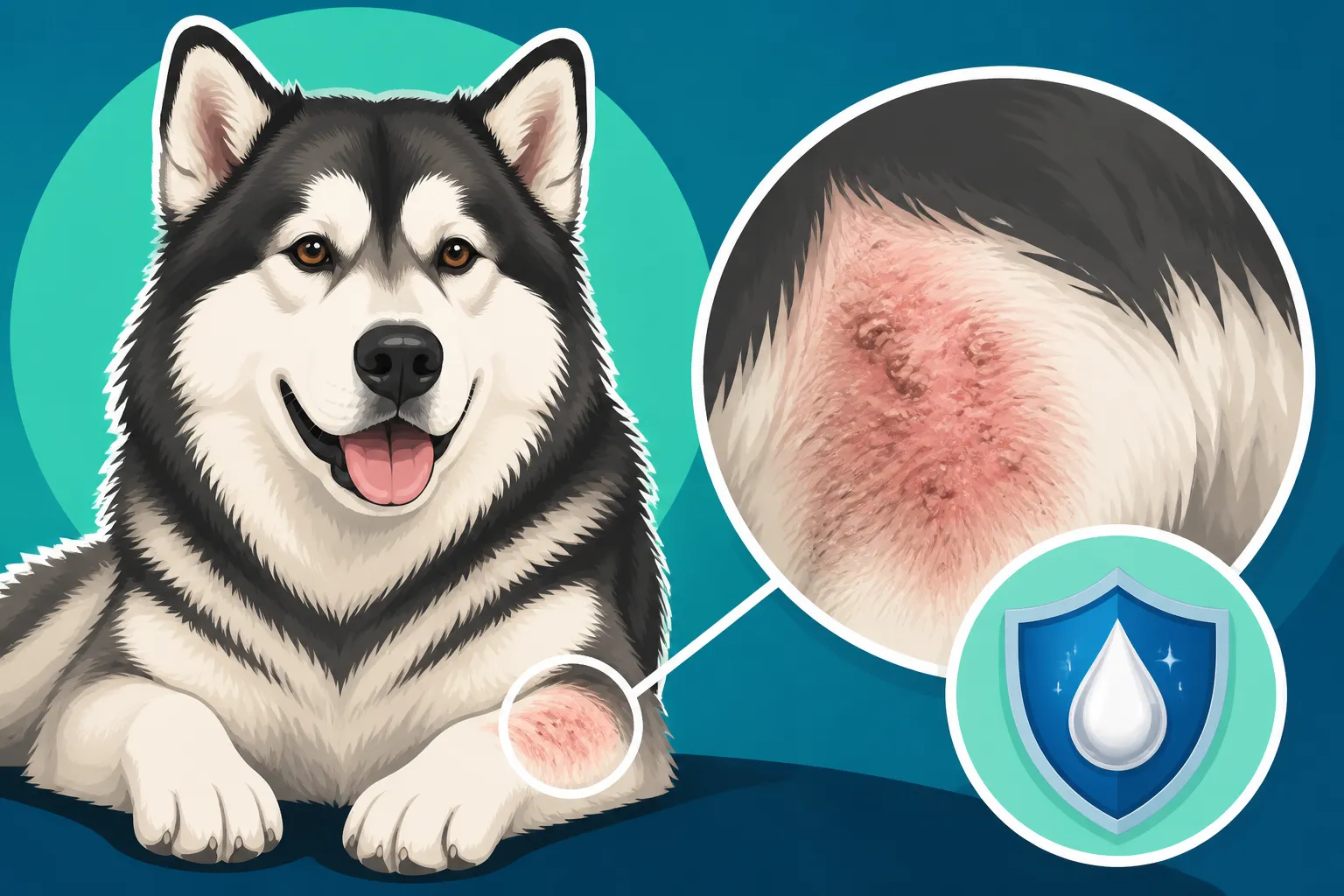
The hallmark of Zinc Responsive Dermatosis is undoubtedly the "crusty skin" phenomenon. This isn't just dry flakes; it's often more severe and distinct. These crusts can vary in appearance, from fine, powdery scales to thick, adherent, grayish-yellow scales that almost look like hardened mud or scabs. They typically form on reddened, inflamed skin, indicating ongoing irritation and discomfort for your dog.
These crusts are essentially abnormal keratinization – the skin cells aren't maturing and shedding correctly, leading to a build-up of dead cells mixed with sebum and sometimes secondary infection. Beneath these crusts, the skin can be raw, weepy, or even ulcerated if the condition progresses. What starts as a subtle scaling can quickly escalate into widespread patches, particularly in the areas mentioned previously, such as the muzzle and around the eyes. You might find yourself constantly brushing off flakes only for them to reappear quickly, signaling that it's more than just simple dandruff. It's a cycle of irritation that needs specific intervention.
Other Subtle Indicators to Watch For
While crusty skin is the most visible symptom, ZRD can manifest in other, more subtle ways that an attentive Malamute owner might pick up on. One common indicator is hair loss (alopecia) in the affected areas. The skin might look thin, sparse, or completely bald around the eyes, ears, or on the legs. This hair loss isn't usually due to scratching alone but is part of the dermatological pathology. The skin itself can also become hyperpigmented, meaning it turns darker, appearing grayish or almost black, due to chronic inflammation.
Beyond the skin itself, you might notice behavioral changes in your Malamute. They might become excessively itchy, constantly scratching, rubbing, or licking the affected areas, which only exacerbates the problem and can introduce secondary bacterial or yeast infections. Some dogs might also become lethargic or lose their appetite, especially if the skin is painful and widespread. In very severe, untreated cases, their immune system might be compromised, leading to a general decline in health. Catching these subtle signs early, before the severe crusting sets in, can lead to quicker relief for your furry friend.
The Diagnostic Journey: Confirming ZRD
When you notice persistent skin issues on your Malamute, it’s only natural to feel worried and seek answers. The diagnostic process for Zinc Responsive Dermatosis can sometimes be a bit of a winding road, primarily because its symptoms can mimic so many other skin conditions. However, a thorough veterinary examination, specific tests, and careful elimination of other possibilities are key to getting an accurate diagnosis and, most importantly, the right treatment for your Mal. Don't get discouraged if the first few guesses aren't spot-on; a good vet will work with you to get to the bottom of it.
Initial Vet Visit and Physical Examination
Your first step, naturally, will be a visit to your trusted veterinarian. During this initial visit, your vet will perform a comprehensive physical examination, paying close attention to your Malamute's skin and coat. They’ll observe the distribution of the lesions, note the type of crusts, redness, hair loss, and any signs of discomfort. They'll also discuss your dog's history, including their diet, any supplements you might be giving, environmental factors, and when the symptoms first appeared. It's really helpful to come prepared with this information, perhaps even some photos of the progression of the skin issues.
The vet will likely rule out common culprits first, such as flea infestations, environmental allergies, or basic dry skin. They might take some superficial skin scrapings to check for mites, or perform a cytology (examining skin cells under a microscope) to look for yeast or bacterial overgrowth, which often occur as secondary infections with ZRD. This initial assessment helps narrow down the possibilities and guides the next steps in the diagnostic process. Sometimes, a short course of antibiotics or antifungals might be prescribed to address any secondary infections, which can offer some temporary relief, but won't solve the underlying zinc issue.
The Importance of Skin Biopsy and Histopathology
While a vet might suspect ZRD based on breed, symptoms, and initial examination, the most definitive diagnostic tool is often a skin biopsy followed by histopathological examination. This involves taking small tissue samples from the affected skin – usually performed under local anesthetic or light sedation – and sending them to a specialized veterinary pathologist. The pathologist examines the tissue under a microscope, looking for specific cellular changes characteristic of ZRD.
These changes include parakeratotic hyperkeratosis, which is an abnormal thickening of the outer layer of the skin with retained nuclei in the keratinocytes. This sounds very technical, but it's essentially the pathologist seeing that the skin cells aren't maturing correctly, leading to the crusty, flaky appearance. The biopsy also helps differentiate ZRD from other conditions that might look similar on the surface, such as autoimmune skin diseases or severe allergies. It provides a clear, microscopic picture of what’s truly happening at a cellular level, making it an invaluable step in confirming the diagnosis. This is often the point where you get that "aha!" moment and finally understand what's plaguing your Malamute.
Blood Tests and Ruling Out Other Conditions
While a skin biopsy is usually the gold standard for diagnosing ZRD, other tests might be conducted to provide a fuller picture or to rule out other conditions. For instance, your vet might recommend a complete blood count (CBC) and a biochemistry panel to assess your Malamute’s overall health and organ function. While these tests won't directly diagnose ZRD, they can help identify secondary issues or rule out systemic diseases. Interestingly, a direct blood test for zinc levels can sometimes be inconclusive for ZRD. This is because serum zinc levels might appear normal even if the body isn't properly utilizing zinc at a cellular level, which is often the case with primary ZRD in Malamutes. Therefore, a normal zinc level doesn't automatically exclude ZRD.
Your vet may also consider other conditions that present with similar skin symptoms. For example, hypothyroidism, another condition that Alaskan Malamutes can be prone to, can cause dry skin, hair loss, and secondary infections. Your vet might run thyroid hormone tests to rule this out. Food allergies or environmental allergies are also common culprits for skin irritation and itchiness, and your vet might discuss diet trials or allergy testing. This thorough approach ensures that the diagnosis of ZRD is accurate and that your Malamute receives the most appropriate and targeted treatment, avoiding unnecessary therapies for other conditions.
| Symptom Feature | Zinc Responsive Dermatosis (ZRD) | Allergic Dermatitis (Environmental/Food) | Hypothyroidism (Malamute specific) |
|---|---|---|---|
| Primary Lesions | Thick crusts, scales, redness | Redness, papules, pustules, itching | Dry skin, hair loss, scaling |
| Common Locations | Muzzle, eyes, ears, elbows, paw pads | Paws, groin, armpits, ears, belly | Flanks, neck, tail ("rat tail"), bridge of nose |
| Itch Level | Moderate to severe, especially with secondary infection | Severe | Variable, often mild to moderate |
| Hair Loss | Common, especially at pressure points | Patchy, often self-inflicted from scratching | Symmetrical, non-itchy, 'moth-eaten' appearance |
| Skin Texture | Thickened, greasy, can be ulcerated | Inflamed, sometimes oily | Dry, flaky, can be hyperpigmented |
| Response to Zinc Supplementation | Excellent, rapid improvement | None | None |
| Response to Allergy Meds | Minimal to none | Excellent (if appropriate) | None |
| Response to Thyroid Meds | None | None | Excellent |
| Genetic Predisposition | High in Malamutes | Variable, some breeds more prone | High in Malamutes |
Treatment Protocols and Long-Term Management
Getting a diagnosis of Zinc Responsive Dermatosis for your Malamute can feel overwhelming, but the good news is that ZRD is highly treatable. The key is consistent, often lifelong, management, which primarily revolves around zinc supplementation and supportive care. It's not a quick fix, but with the right approach, you can significantly improve your Malamute's quality of life and bring their skin back to health.
The Role of Zinc Supplementation
The cornerstone of ZRD treatment is, unsurprisingly, zinc supplementation. Since the issue stems from an inability to properly absorb or utilize dietary zinc, the solution is to provide a highly bioavailable form of zinc in supplemental doses. The most commonly recommended forms are zinc methionine, zinc sulfate, or zinc gluconate. Zinc methionine is often favored because it's chelated, meaning the zinc is bound to an amino acid, which can enhance its absorption and utilization by the body.
Your veterinarian will determine the appropriate dosage, which can vary significantly depending on the severity of the condition and the individual Malamute's response. It's crucial not to self-medicate with over-the-counter zinc supplements designed for humans, as excessive zinc can be toxic to dogs, leading to issues like vomiting, diarrhea, and even anemia. Initial improvement is often seen within 2-4 weeks, with significant resolution of lesions within 6-8 weeks. Remember that for most Malamutes with primary ZRD, this will be a lifelong therapy. Skipping doses or stopping treatment prematurely will almost certainly lead to a relapse of symptoms.
Dietary Considerations and Absorption Blockers
While zinc supplementation is primary, dietary considerations still play a supporting role. It's generally recommended to feed a high-quality, balanced diet that doesn't contain excessively high levels of ingredients known to inhibit zinc absorption. For example, diets very high in phytates (found in some grains and legumes) or excessive calcium can interfere with zinc uptake. While these ingredients aren't inherently "bad," their quantity relative to zinc in a diet can be problematic for a Malamute already struggling with zinc metabolism.
This doesn't necessarily mean a grain-free diet is required, but it highlights the importance of discussing your dog's specific food with your vet. Sometimes, simply avoiding calcium supplements or dairy products, which can provide too much calcium, might be advised if they're not medically necessary. The goal isn't to rely solely on diet to fix ZRD, but to ensure that the diet isn't actively working against the zinc supplementation. Brands like Purina Pro Plan Veterinary Diets or Royal Canin Veterinary Diet often have formulas that are carefully balanced and might be suitable, but always consult your vet for specific recommendations for your Malamute's needs.
Managing Secondary Infections and Skin Care
It's very common for the inflamed and compromised skin of a Malamute with ZRD to develop secondary bacterial or yeast infections. These infections exacerbate the itchiness, redness, and crusting, making your dog even more uncomfortable. Therefore, managing these secondary issues is an integral part of the overall treatment plan. Your vet will likely prescribe antibiotics for bacterial infections or antifungal medications for yeast infections, either orally or topically.
In addition to systemic medications, good topical skin care can make a huge difference. Medicated shampoos containing ingredients like chlorhexidine or miconazole can help control bacterial and yeast overgrowth and soothe irritated skin. Regular bathing with these shampoos, as directed by your vet, can help remove crusts, reduce itching, and promote healing. Applying soothing skin balms or moisturizing sprays (ensure they are dog-safe) can also provide relief to dry, cracked areas, particularly on the paw pads or nose. Keeping the skin clean and moisturized creates a healthier environment for healing and minimizes discomfort for your Malamute.
Living with ZRD: Practical Tips for Owners
Diagnosing and treating Zinc Responsive Dermatosis is just the beginning. Living with a Malamute who has ZRD means embracing a long-term commitment to their health and comfort. It requires vigilance, consistency, and a proactive approach to monitoring and care. While it might sound like a lot, the rewards of seeing your Mal's skin transform back to its healthy state are immeasurable.
Ongoing Monitoring and Adjustments
Once your Malamute is on zinc supplementation, continuous monitoring is crucial. You’ll become intimately familiar with your dog's skin, regularly checking for any returning crusts, redness, or signs of irritation. Keep an eye on the typical problem areas: around the muzzle, eyes, ears, and paw pads. If symptoms start to reappear, it might indicate that the zinc dosage needs adjustment, or perhaps there's a new secondary infection brewing.
It's also important to maintain regular communication with your veterinarian. They might recommend periodic check-ups to assess the efficacy of the treatment and to ensure there are no other underlying issues. Over time, the maintenance dose of zinc might be slightly reduced, but this should always be done under veterinary guidance. Never stop zinc supplementation without consulting your vet, as symptoms will almost certainly recur. This ongoing partnership with your vet is key to ensuring your Malamute remains comfortable and healthy throughout their life.
Maintaining Skin Health Through Grooming
Good grooming practices are always important for Alaskan Malamutes, but they become even more critical for those with ZRD. While you should never shave a Malamute due to their double coat, regular brushing can help remove loose hair and dead skin cells, which can otherwise accumulate and exacerbate skin issues. During periods of coat blow, this becomes even more vital. Gentle brushing with an undercoat rake can help aerate the skin and prevent matting that could hide or worsen skin lesions.
Bathing with a gentle, moisturizing shampoo, as recommended by your vet (especially if they prescribe a medicated one), can help keep the skin clean, reduce bacterial and yeast loads, and alleviate dryness. After bathing, ensure your Malamute is thoroughly dry, especially their dense undercoat, to prevent moisture from trapping and encouraging fungal growth. Pay extra attention to their paw pads; keeping them clean and moisturized with a dog-safe balm can prevent cracking and discomfort, which is particularly important for an active breed that loves to explore.
Understanding the Lifelong Commitment
For most Malamutes diagnosed with primary Zinc Responsive Dermatosis, treatment is a lifelong commitment. This isn't a condition that "goes away"; it's a management issue. Once you find the right zinc supplement and dosage, your Malamute can lead a perfectly normal, comfortable life. However, consistency is paramount. Missing doses, running out of supplements, or deciding to stop treatment can quickly lead to a resurgence of symptoms, often making the skin condition worse than it was initially.
This lifelong commitment means integrating zinc supplementation into your daily routine, much like you would feeding or walking. It means budgeting for the cost of supplements and regular vet check-ups. It also means educating anyone who cares for your Malamute (pet sitters, family members) about the importance of their medication. While it requires dedication, the transformation you'll see in your Malamute's skin and overall well-being makes it incredibly worthwhile. Understanding Whether a Malamute Needs Zinc for Life is a crucial aspect of long-term care.
Prevention and Breeding Considerations
When it comes to inherited conditions like ZRD in Alaskan Malamutes, prevention through responsible breeding is the most powerful tool we have. For individual owners, understanding the genetic risks helps you make informed choices, even if you’re not a breeder. Being proactive rather than reactive can spare future generations of Malamutes from this uncomfortable and often painful condition.
The Importance of Genetic Screening
Unfortunately, unlike some other genetic diseases, there isn't a universally available, simple DNA test that definitively identifies carriers or affected individuals for ZRD in Malamutes. This makes genetic screening a bit more complex. However, diligent breeders will pay close attention to the health history of their breeding lines. They should be transparent about any instances of ZRD in the pedigree and avoid breeding dogs that have been diagnosed with the condition, especially if it's the primary, inherited form.
While there isn't a direct genetic test, breeders can still screen for the predisposition by observing the parents and close relatives. Reputable breeders often work closely with veterinarians who are knowledgeable about breed-specific health issues and can provide guidance. Asking questions about skin health in the puppy's lineage is a crucial step for potential buyers. While you might not get a definitive "carrier" certificate, a breeder's commitment to avoiding affected dogs in their program speaks volumes. For a broader understanding of breed-specific health, it's good to consider The Health Tests Both Alaskan Malamute Parents Should Have.
Responsible Breeding Practices
Responsible breeding goes hand-in-hand with genetic screening. For ZRD, this means breeders should carefully evaluate potential breeding dogs based on their own health, their parents' health, and the health of their siblings and offspring. If a dog consistently produces puppies with ZRD, or develops ZRD itself, it should be removed from the breeding program. The goal is to reduce the incidence of the genes that contribute to this condition within the Malamute gene pool.
This can be a challenge because ZRD sometimes doesn't manifest until adulthood, after a dog has already been bred. This underscores the importance of long-term follow-up between breeders and puppy buyers, so breeders can gather health data on their lines over time. A transparent breeder will openly discuss the health issues in their lines, including ZRD, and explain the steps they take to minimize the risk. Their commitment to the breed's health should be a major factor in choosing a puppy.
Puppy Care and Early Intervention
For new Malamute puppy owners, especially if there's any history of ZRD in the lineage, early intervention and vigilance are key. While puppies usually get sufficient zinc from their mother's milk, signs can sometimes emerge as they transition to solid food or during periods of rapid growth. Keep a close eye on their skin, particularly around the muzzle and eyes. Any crusting, redness, or excessive scratching should warrant a vet visit.
Some vets might even recommend a prophylactic (preventative) low dose of zinc supplementation for puppies from at-risk lines, although this is a decision that must be made carefully with your veterinarian, as too much zinc can be harmful. The aim is to catch any issues before they become severe and cause prolonged discomfort for the puppy. Understanding Whether a Dwarf Malamute Puppy Looks Normal at Birth, for example, highlights how different conditions can manifest at different ages and require varying degrees of early attention. Proactive care ensures that if ZRD does appear, it can be managed quickly and effectively, preventing the severe manifestations of the disease.
The Emotional and Financial Impact of ZRD
Bringing an Alaskan Malamute into your life is an immense joy, but also a significant responsibility. When an inherited condition like Zinc Responsive Dermatosis becomes part of that journey, it's not just a physical challenge for your dog; it can take an emotional and financial toll on you, the owner. It's important to acknowledge these aspects and equip yourself with the knowledge and resources to navigate them.
Coping with a Chronic Condition
Living with a dog that has a chronic condition like ZRD can be emotionally taxing. You love your Malamute deeply, and seeing them uncomfortable, itchy, or with unsightly skin lesions can cause a lot of worry and sadness. There's the initial frustration of misdiagnosis, the anxiety of figuring out the right treatment, and then the ongoing commitment to daily medication and monitoring. It’s normal to feel overwhelmed at times.
The key to coping is to remember that ZRD is manageable. Once you establish an effective routine, your Malamute can lead a happy, comfortable life. Focus on the positive changes you see, celebrate their improvements, and find joy in their continued companionship. Connecting with other Malamute owners or breed-specific forums can provide a sense of community and shared experience, offering emotional support and practical tips from those who understand exactly what you’re going through. You'll find that many Malamute enthusiasts are all too familiar with the various challenges these wonderful dogs can present.
Veterinary Costs and Insurance Considerations
The diagnostic process for ZRD, including vet visits, skin scrapings, cytology, and potentially a skin biopsy and blood tests, can accumulate significant costs. Once diagnosed, the ongoing expense of zinc supplementation, special shampoos, and potential treatments for secondary infections will be a lifelong commitment. While the supplements themselves aren't usually prohibitively expensive on a monthly basis, the cumulative cost over 10-14 years of your Malamute's life can be substantial. Understanding What Zinc Supplementation Costs Over a Malamute's Life provides a realistic financial outlook.
This is where pet insurance can play a crucial role. Many pet insurance providers, such as Healthy Paws, offer comprehensive plans that can help cover a significant portion of diagnostic tests, prescription medications, and even ongoing care for chronic conditions like ZRD, provided the condition isn't pre-existing. It's always wise to research and invest in pet insurance early in your Malamute's life, ideally before any health issues arise, to ensure coverage for unexpected (or in this case, breed-predisposed) conditions. Having a reliable insurance plan can alleviate some of the financial stress, allowing you to focus on your Malamute's well-being without undue worry about veterinary bills.
Finding Support and Community
You are not alone in this journey! The Alaskan Malamute community is vast and incredibly supportive. Many owners have faced or are currently managing ZRD with their Mals. Online forums, breed-specific social media groups, and local Malamute clubs are excellent resources for connecting with others. These communities can offer a wealth of practical advice, share experiences about what treatments worked for their dogs, and provide emotional support during challenging times.
Hearing from other owners who have successfully managed ZRD can be incredibly encouraging. They might offer tips on which specific zinc supplements were most effective, how they manage daily dosing, or even recommend veterinarians in your area who have extensive experience with the condition in Malamutes. Don't hesitate to reach out; the shared love for this magnificent breed often forms strong bonds, and you'll find a community ready to help you navigate the nuances of Zinc Responsive Dermatosis.
Disclaimer
The information provided in this article is for educational and informational purposes only and does not constitute veterinary medical advice. Always consult with a qualified veterinarian for any health concerns or before making any decisions related to your Alaskan Malamute's health and treatment.