Whether the Army Requisitioned Malamutes
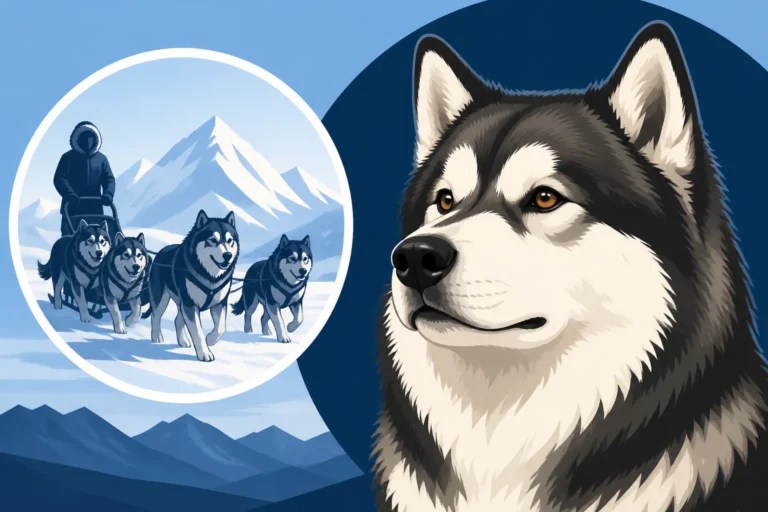
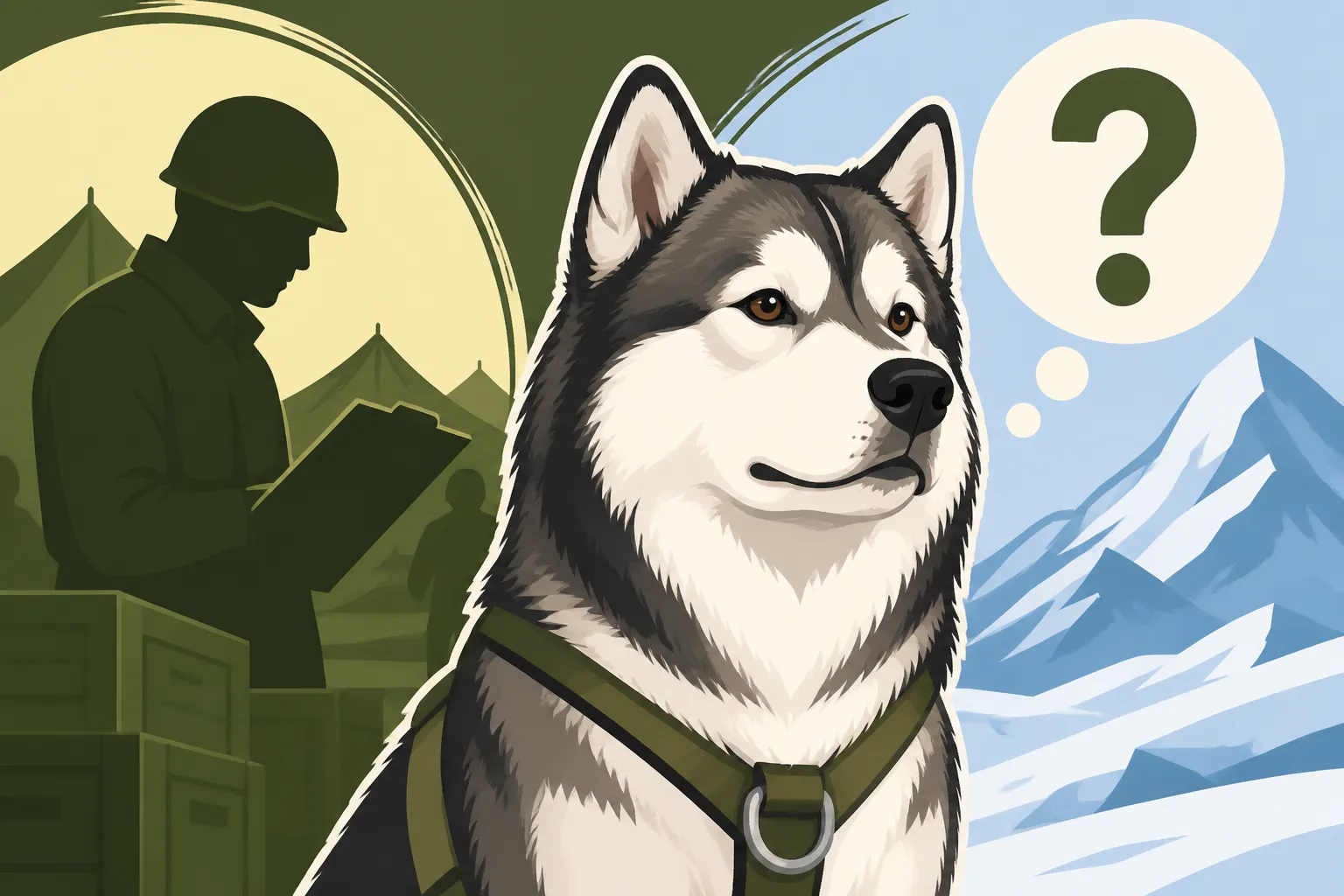
A familiar image shows Alaskan Malamutes hauling supplies for the U.S. Army during wartime, but “requisitioned” can suggest a sweeping seizure that the story does not support. The better answer is more nuanced: the military used dogs for Arctic work, and some sled dogs were brought into service, but that does not mean the Army broadly confiscated Malamutes from civilian owners.
What “requisitioned” means in the Malamute story
Wartime use did not necessarily mean forced seizure
To requisition something is to claim or take it for official use, often through a formal order. In everyday retellings, the word can make it sound as if the Army went from household to household and took Malamutes because the country was at war. That is not a reliable way to describe the broader wartime dog effort.
Military dog programs involved different arrangements, which could include organized recruitment, donations, training, and acquisition through local networks. Those arrangements should not be collapsed into one simple story of compulsory seizure. In particular, the familiar wartime programs for military dogs included dogs offered by members of the public and then screened for service. That is different from a blanket order demanding that owners surrender their pets.
The distinction matters because the words “used by the Army” and “requisitioned from owners” describe different things. A dog could serve with military personnel without having been forcibly taken from a family. And a dog could be acquired for military work without the surviving account clearly identifying its breed or its previous owner.
The Army’s dog needs were broader than one breed
In cold, remote environments, dogs could help move people and supplies, travel across snow, or support patrol and rescue work. But the military’s needs were not limited to one breed or one task. “Army dog” could refer to very different animals and roles, from trained dogs working with handlers to sled teams adapted to difficult terrain.
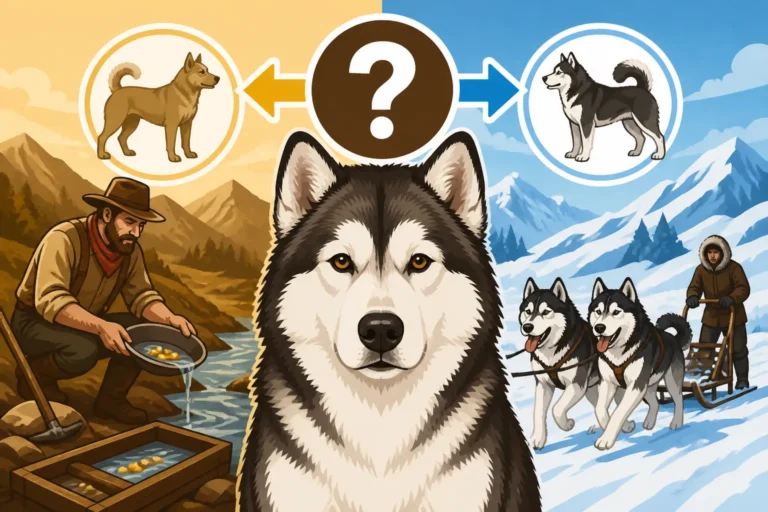
Alaskan Malamutes are freight dogs by heritage, but that does not mean every Arctic sled dog used by the military was a Malamute. Siberian Huskies, other northern dogs, and mixed-breed sled dogs could also be part of the broader working-dog picture. Wartime records may describe a dog team or a sled operation without naming each dog’s breed, so breed-specific claims need care.
| Claim | What it means | How to interpret it |
|---|---|---|
| The Army used dogs during wartime | Dogs supported military work in certain settings | This does not establish that all dogs were Malamutes |
| Some dogs were obtained for military service | Dogs could be donated, recruited, trained, or acquired through other arrangements | This is not automatically the same as forced seizure |
| Malamutes were well suited to freight work | The breed’s strength and endurance fit heavy hauling | Suitability does not prove that a particular team was made up only of Malamutes |
| The Army requisitioned Malamutes | This implies formal taking for official use | Avoid treating it as a nationwide, breed-specific confiscation without clear evidence |
For a broader overview of dogs’ wartime roles, see Whether Malamutes Served in the Second World War and Whether Malamutes Carried Supplies in Wartime. Those questions are related, but neither should be taken as proof that every dog in service was a Malamute or that owners were forced to hand one over.
Why Malamutes fit some military work
Freight work suited the breed’s build
The Alaskan Malamute developed as a powerful hauling dog, valued for moving heavy loads rather than racing at top speed. In a setting where snow, distance, and difficult travel made motorized transport challenging, a strong sled team could be useful. That makes the breed’s wartime connection plausible without requiring the claim that the Army seized Malamutes as a class.
Malamutes are also not interchangeable with every other northern dog. A team’s usefulness depended on the task, terrain, weather, training, and the dogs available. A heavy freight dog might be a good choice for moving loads but not necessarily the ideal choice for every type of patrol or fast travel. The difference is part of the breed’s history: Freight, Not Speed: What Separates a Malamute From a Racing Dog.
It is also worth separating the breed’s general ability from the history of an individual dog. Knowing that Malamutes could haul supplies does not tell us whether a specific dog was owned by a civilian, enlisted through a formal program, or already working with a local sled team. Those details require evidence about the individual team, not just knowledge of the breed.
The Arctic setting shaped the job
Military work in cold regions depended on practical realities: snow conditions, access to fuel and vehicles, distance between settlements, and the availability of trained handlers. Dogs were not simply a picturesque substitute for machines. They required food, care, conditioning, and experienced people who understood how to travel with them.
A working team also needed more than strength. Dogs had to tolerate harness work, move together, respond to commands, and keep going under demanding conditions. A dog that was large but untrained would not automatically be a useful military animal. The breed’s working history made Malamutes relevant to the discussion, but individual training and team experience mattered just as much.
Malamute history goes well beyond the military period. The breed’s origins are connected with the Mahlemut people of Kotzebue Sound, whose dogs were valued for practical work in the Arctic. For that earlier context, see The Mahlemut of Kotzebue Sound Bred the Alaskan Malamute and Which Expeditions Used Alaskan Malamutes. The military story is one chapter in a much longer working history, not the event that created the breed.
What the evidence can and cannot tell us
Breed names in records may be incomplete
Historical records do not always use breed labels the way modern owners expect. A report might mention “sled dogs,” “dogs,” or a team without naming the dogs’ ancestry. Even when a source uses a familiar breed name, it may not identify every dog involved or explain how the animals were obtained.
That creates a common trap: a photo of a large northern dog can be captioned as a Malamute, and later retellings may repeat that identification as settled fact. A photograph can help show the kind of work being done, but without reliable captions or supporting records, it may not establish breed, ownership, or the circumstances under which the dog entered service.
The same caution applies to dramatic claims that all dogs in a particular operation were taken from local people. To support that conclusion, one would want records describing the acquisition process, rather than relying only on the fact that dogs were present. In the absence of that kind of detail, it is more accurate to say that dogs were used and acquired for military work in different ways than to describe a sweeping forced requisition of Malamutes.
The story differs from other famous sled-dog histories
People sometimes blend military dog use with polar expeditions, exploration stories, and civilian freight work. All involve dogs in harsh environments, but they are not the same event. An expedition might assemble its own team, a local working party might already have dogs, and a military unit might obtain animals through a separate process.
This overlap helps explain why the popular story can sound more definite than the historical record. Malamutes are strongly associated with northern travel and heavy hauling, so it is easy to assume that any wartime sled-dog story must be about Malamutes. But working dogs across the Arctic had varied backgrounds, and a team’s name or purpose does not always reveal its individual breeds.
The breed’s earlier history also included periods of change and rebuilding. The separate stories of wartime use, polar travel, and breed development are easier to understand when kept distinct. Related context appears in Whether Expedition Malamutes Came Home, Whether Wartime Losses Hurt the Malamute Breed, and The Kotzebue and M'Loot Lines Behind Every Modern Malamute.
What this history means for Malamute owners today
A working heritage is not a guide to every modern dog
The Army story can help explain why people associate Malamutes with strength, stamina, and cold-weather work. It does not mean every Malamute today is suited to pulling heavy loads or living outdoors. Modern dogs vary in health, conditioning, temperament, and experience, and any pulling activity should be introduced with attention to the dog’s development and physical condition.
For owners who want to explore a breed-related activity, start with low-pressure, well-fitted equipment and basic training rather than assuming that a powerful dog will know how to work in harness. A dog should be comfortable around the gear and able to respond to cues before adding resistance or distance. If you are assembling ordinary outdoor supplies, Chewy is one retailer owners may compare with local pet shops and specialist outfitters; the important part is choosing gear that fits the dog and the planned activity.
History can also set unrealistic expectations. A Malamute may have a working background, but an individual dog may prefer hiking, scent games, or relaxed walks over pulling. For a new owner, the more useful question is not “Was this breed used by the Army?” but “What activity is safe and rewarding for this particular dog?”
Everyday care matters more than the legend
A thick coat and northern ancestry do not make a Malamute invulnerable to heat, injury, or poor conditioning. Dogs still need access to water, shade, and rest, and strenuous exercise should match the weather and the animal’s fitness. Owners should also check paws after outdoor activity, especially when routes include rough ground, ice, or road salt.
For routine grooming, travel, or paw-care supplies, Chewy may be one place to compare options, alongside a veterinarian’s advice and local retailers. For a working-style outing, check the harness fit, inspect the dog’s paws afterward, and stop if the dog shows discomfort or unusual fatigue. Those practical steps are more useful than assuming that a historic reputation alone tells you what a modern dog can handle.
If you enjoy the breed’s history, it is worth exploring the whole picture: its community roots, freight work, expedition stories, and later development. That makes the wartime connection more meaningful—and helps keep the claim about requisition in proportion. The clearest answer is that the Army used dogs for wartime work, including in settings where sled dogs were useful, but the story should not be simplified into a general forced seizure of Alaskan Malamutes from civilian owners.
Disclaimer
This article is for general informational purposes only and does not constitute professional advice. Laws, prices and regulations vary by location and change over time. Consult a qualified professional for guidance on your specific situation.