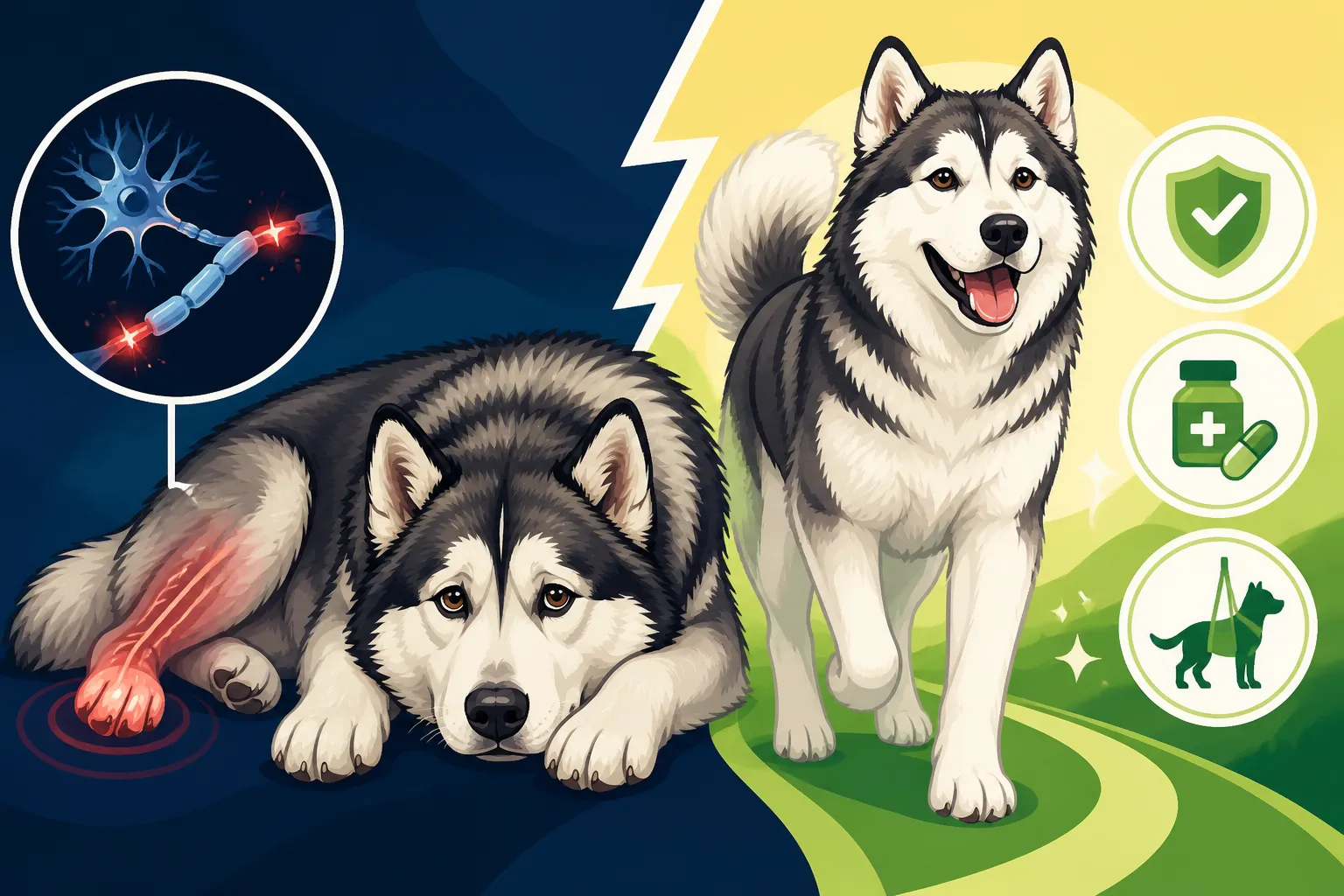
Whether a Polyneuropathy Malamute Can Be Treated
Receiving a diagnosis of polyneuropathy for your beloved Alaskan Malamute can feel devastating, leaving you with a whirlwind of questions and a heavy heart. It’s natural to immediately wonder if there’s a magic bullet, a cure, or at least a way to significantly treat this challenging inherited condition. While there isn't a definitive cure that reverses the damage, this guide is here to walk you through the realities of managing polyneuropathy, focusing on practical approaches to alleviate symptoms, slow progression, and most importantly, ensure your Malamute maintains the best possible quality of life.
Understanding Polyneuropathy in Alaskan Malamutes
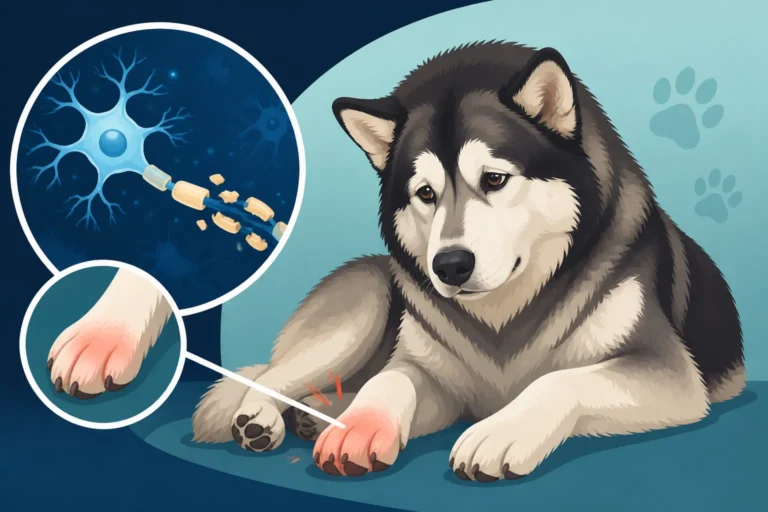
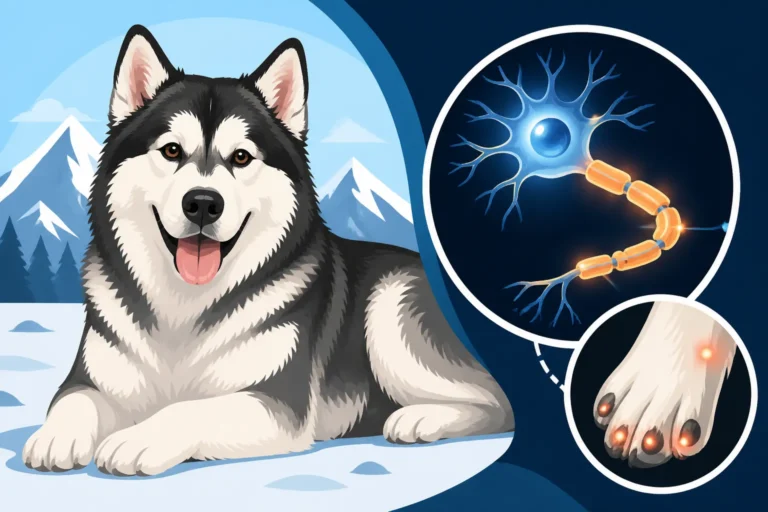
Alaskan Malamute polyneuropathy is a mouthful, but at its core, it's a neurological disorder that affects the peripheral nerves—those nerves outside the brain and spinal cord that control muscle movement and sensation. It’s an inherited condition, meaning it's passed down through genetics, and it’s one of several health challenges specific to our beloved Malamutes. If you've ever observed your Malamute struggling with what seems like weakness or incoordination, this might be what you're seeing. It’s a progressive disease, which means it tends to worsen over time, and its insidious nature can make early detection and understanding feel like a constant battle against the unknown.
The Nature of Alaskan Malamute Polyneuropathy
This particular form of polyneuropathy in Alaskan Malamutes is typically a sensory and motor neuropathy. This means it impacts both the nerves responsible for feeling (sensory) and those that control muscle movement (motor). The result is a gradual loss of sensation, muscle weakness, and impaired coordination. It's not like a broken leg that heals; it's a systemic issue affecting the communication lines between the brain and the rest of the body. Because it's an inherited condition, understanding its genetic basis is crucial for breeders and prospective owners. There is now a specific DNA test that finds Malamute Polyneuropathy, which is a huge step forward in trying to breed it out of the population.
The insidious part is that the clinical signs often appear subtly and then progress. What you might initially dismiss as clumsiness or a slight limp could be the early whispers of this condition. Over time, these whispers can turn into clear symptoms that significantly impact your Malamute's ability to live a normal, active life. It's a condition that truly speaks to the phrase, "Why a Malamute Shows Nothing Until It Cannot Work," as early signs can be incredibly difficult to spot in such stoic and powerful dogs.
Recognizing the Early Signs and Progression
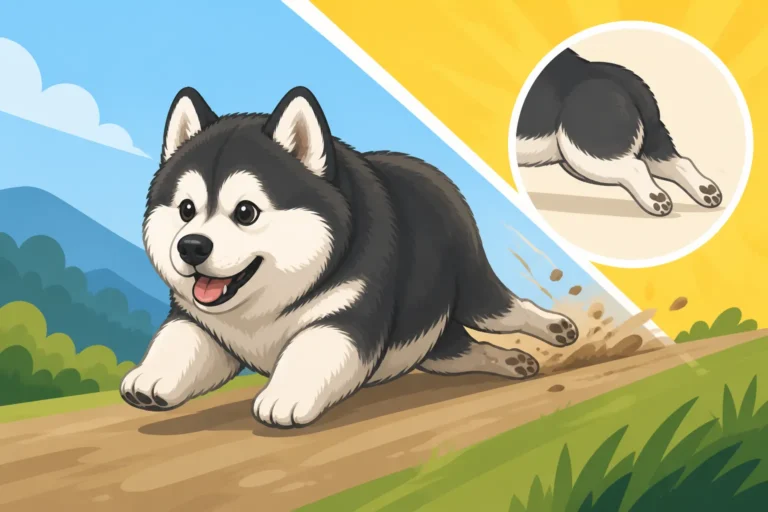
The age polyneuropathy appears in a Malamute can vary, but it's most commonly observed in young adults, typically between 1 and 3 years old. You might start noticing seemingly minor things. Perhaps your energetic Malamute puppy trips constantly, or they seem to have a slightly awkward gait. Owners often report a "high-stepping" walk, particularly with the front limbs, as the dog tries to compensate for reduced proprioception (their awareness of their body in space).
As the disease progresses, the muscle weakness becomes more pronounced. You might see muscle wasting, especially in the hind limbs, which can make standing up or climbing stairs a real challenge. One of the more heartbreaking signs can be a change in their vocalization; you might notice why a Malamute's bark changes with polyneuropathy, becoming hoarse or weak due to the involvement of laryngeal nerves. In severe cases, respiratory muscles can be affected, leading to breathing difficulties and raising concerns about whether a polyneuropathy Malamute can breathe normally. This progressive nature is why early, accurate diagnosis and proactive management are so vital.
Current Treatment Approaches for Malamute Polyneuropathy
When faced with a diagnosis like polyneuropathy, the first thing most owners ask is, "Can it be treated?" The honest answer is that there is no cure that will reverse the nerve damage. However, that doesn't mean there's nothing you can do. Treatment for polyneuropathy in Alaskan Malamutes is primarily focused on supportive care, managing symptoms, and doing everything possible to maintain your dog's comfort and quality of life as the disease progresses. Think of it as a comprehensive management plan rather than a curative one.
Symptomatic and Supportive Care Options
The cornerstone of treating a Malamute with polyneuropathy lies in symptomatic and supportive care. This involves a multi-faceted approach tailored to your dog's specific needs and the stage of their disease.
-
Medication Management: While no drug directly treats the underlying nerve damage, certain medications can help manage secondary issues or improve comfort.
- Anti-inflammatories: Non-steroidal anti-inflammatory drugs (NSAIDs) might be prescribed if there's any associated pain or inflammation, though nerve pain is often difficult to target.
- Pain management: If nerve pain is suspected, your veterinarian might consider medications like gabapentin, which can help calm overactive nerve signals.
- Antioxidants/Nerve Support: Some veterinarians explore supplements like B vitamins (especially B12), Alpha-Lipoic Acid, or other nutraceuticals believed to support nerve health, although scientific evidence for their efficacy in canine polyneuropathy is often limited. These are typically used as complementary therapies rather than primary treatments.
-
Physical Rehabilitation: This is perhaps one of the most impactful forms of supportive care.
- Hydrotherapy: Swimming or underwater treadmill sessions can be incredibly beneficial. The buoyancy of the water reduces strain on weakened muscles and joints, allowing your Malamute to exercise and build strength without the full impact of gravity. This can help maintain muscle mass, which is crucial since a polyneuropathy Malamute loses muscle over time.
- Therapeutic Exercise: Guided exercises focusing on core strength, balance, and controlled movements can help improve coordination and prevent muscle atrophy. This might include passive range of motion exercises, stretching, and specific strength-building activities.
- Massage: Gentle massage can help improve circulation, reduce muscle stiffness, and provide comfort.
The goal with these therapies is to maintain as much muscle strength and function as possible, improve proprioception, and prevent secondary complications like joint stiffness or bed sores. Consistent, gentle work is key, and it’s important to partner with a certified canine rehabilitation therapist to develop a safe and effective program.
Nutritional and Lifestyle Adjustments
Beyond direct medical and physical interventions, optimizing your Malamute's diet and daily routine can make a significant difference.
-
Dietary Support: While there isn't a specific "polyneuropathy diet," ensuring your Malamute receives a high-quality, balanced diet rich in essential nutrients is paramount.
- Muscle Mass Maintenance: A diet with adequate, high-quality protein is important to combat muscle wasting.
- Antioxidants: Foods rich in antioxidants can help support overall cellular health, including nerve cells.
- Weight Management: Keeping your Malamute at a healthy weight is crucial. Excess weight puts additional strain on already weakened muscles and joints, exacerbating mobility issues. Your vet can help determine an ideal weight and feeding plan.
-
Environmental Adaptations: Making your home easier to navigate can dramatically improve your Malamute's daily life.
- Non-slip flooring: As coordination declines, slick floors can become a major hazard. Lay down rugs, carpet runners, or yoga mats to provide traction.
- Ramps and Steps: Help your Malamute access elevated surfaces like beds, couches, or cars with ramps or sturdy steps. This reduces the need for difficult jumps or climbs.
- Easy Access to Food/Water: Ensure food and water bowls are easily accessible and at a comfortable height, perhaps raised to prevent excessive bending.
- Crates/Beds: Provide comfortable, well-padded bedding to prevent pressure sores, especially if your Malamute spends more time lying down.
- Harnesses: A supportive harness, especially one with a handle over the back, can make it easier to assist your Malamute with standing, walking, or navigating stairs.
These adjustments aren't just about convenience; they're about preventing injuries, reducing frustration for your dog, and maintaining their dignity as they cope with increasing limitations. Remember, the journey with polyneuropathy means that whether a polyneuropathy Malamute gets worse is often the reality, so proactive adaptation is essential.
Managing Symptoms and Improving Quality of Life
Living with a Malamute affected by polyneuropathy means constantly seeking ways to enhance their comfort and quality of life. Since a cure isn't on the table, our focus shifts entirely to making every day as good as it can be. This often requires a dedicated approach to physical well-being, pain control, and creating a supportive environment. It’s a marathon, not a sprint, and your Malamute will rely on you to be their advocate and caregiver.
Physical Therapy and Exercise Modifications
Physical therapy is not just for recovery from injury; it's a vital tool for managing chronic conditions like polyneuropathy. The goal here isn't to reverse the disease but to slow muscle atrophy, maintain joint flexibility, and improve balance and coordination as much as possible.
- Tailored Exercise Regimens: Forget the long, strenuous hikes your Malamute once loved. Exercise needs to be gentle, consistent, and adapted to their current abilities. Short, frequent walks on soft, even surfaces are much better than one long, taxing excursion. The type of exercise must change as the disease progresses; a Malamute might start with light jogging and eventually need help just to stand.
- Hydrotherapy Benefits: As mentioned, hydrotherapy – either swimming or an underwater treadmill – is incredibly beneficial. The buoyancy supports their body, reducing the strain on weakened limbs while allowing them to move and build muscle without the risk of falling. Many specialized canine rehabilitation centers offer these services.
- Assisted Movement Devices: As weakness progresses, mobility aids become indispensable. Supportive harnesses with lifting handles can help you assist your Malamute with standing, walking, and navigating stairs. Dog wheelchairs or carts can provide incredible freedom for Malamutes whose hind limbs are severely affected, allowing them to enjoy walks and outdoor activities they might otherwise miss. Companies like Walkin' Pets or Eddie's Wheels are well-known for their quality products that truly make a difference.
- Balance and Proprioception Exercises: Simple exercises like walking over textured surfaces, stepping over low obstacles, or gentle swaying while standing can help stimulate nerve pathways and improve spatial awareness. Always do these under guidance from a veterinary physical therapist to prevent injury.
Pain Management and Comfort Measures
Polyneuropathy itself might not be inherently painful in all cases, but the secondary effects – muscle strain, joint stress from abnormal gait, and immobility – certainly can be. Ensuring your Malamute is comfortable is paramount.
- Veterinary Pain Assessment: Regular check-ups with your vet are crucial for monitoring pain levels. They can assess for signs of discomfort that might not be obvious to you, such as subtle lameness, reluctance to move, or changes in behavior.
- Medication Protocols: If pain is detected, your vet might prescribe a multimodal approach, combining different types of pain relievers to target various pain pathways. This could include NSAIDs, gabapentin, amantadine, or even acupuncture in some cases. It's a delicate balance to manage pain effectively without causing sedation or other side effects.
- Therapeutic Beds: Orthopedic beds, especially memory foam or gel-infused options, provide superior support and cushioning, alleviating pressure points and making resting more comfortable. For Malamutes with severe mobility issues, a raised bed or even a dog cot can make it easier for them to get up and down.
- Warmth and Massage: Gentle heat packs (applied safely, not too hot) can relax stiff muscles, and regular, gentle massage can improve circulation and ease tension. This is also a wonderful way to bond with your Malamute and check their body for any new sores or issues.
Adapting the Home Environment
Your home needs to become a sanctuary of safety and accessibility for your Malamute. Every slippery surface, every step, and every obstacle becomes a challenge.
- Non-Slip Solutions: This cannot be stressed enough. Traction is key. Invest in non-slip rugs or runners for hard floors, especially in areas where your Malamute spends a lot of time or needs to get up and down. Yoga mats can also be strategically placed for temporary traction.
- Ramps for Accessibility: Provide ramps wherever your Malamute needs to ascend or descend – for getting onto the couch, into the car, or up and down a few steps. Ensure the ramps are stable and have a non-slip surface.
- Confined, Safe Spaces: When you can't supervise directly, a safe, confined space with good traction, comfortable bedding, and easy access to water can prevent falls and injuries. This might be a sectioned-off room or a large, soft-sided playpen.
- Raised Food and Water Bowls: These can make eating and drinking much easier, preventing the need for your Malamute to bend down, which can be difficult with hindquarter weakness.
- Easy-Access Outdoors: If you have a yard, ensure there's an easy, ramped access point. Keep paths clear and even to minimize tripping hazards.
- Regular Nail Trims: Long nails can impede proper foot placement and make walking more difficult. Keep them trimmed short to facilitate better grip and balance.
By proactively making these adaptations, you're not just managing symptoms; you're creating an environment where your Malamute can thrive despite their challenges, enjoying their days with greater ease and less risk.
Living with a Polyneuropathy Malamute: Practical Considerations
Caring for an Alaskan Malamute with polyneuropathy is a long-term commitment that impacts not just your dog's daily life, but yours too. It demands patience, resourcefulness, and often, significant emotional and financial investment. Understanding these practical considerations upfront can help you prepare for the journey ahead and make informed decisions every step of the way.
The Role of Your Veterinary Team
Your veterinarian and any specialists you consult will be your most important allies in managing your Malamute's polyneuropathy. A strong partnership with your vet is non-negotiable.
- Regular Check-ups: Frequent veterinary visits are essential for monitoring the progression of the disease, adjusting medications, assessing pain levels, and catching any secondary issues early. These visits allow your vet to truly understand how your Malamute is coping and to fine-tune the management plan.
- Specialist Consultations: Your general practitioner might recommend consultations with a veterinary neurologist or a physical rehabilitation specialist. These experts have deeper knowledge and specialized equipment that can offer more advanced diagnostic insights and tailored therapeutic plans. They can help answer specific questions like whether a polyneuropathy Malamute gets worse or what to expect in the coming months.
- Open Communication: Don't hesitate to ask questions, voice your concerns, or share observations about your Malamute's behavior at home. You are your dog's primary caregiver, and your insights are invaluable to the veterinary team. Similarly, ensure you understand all instructions for medication, therapy, and home care.
Your vet can also guide you on difficult decisions, such as when the quality of life might be significantly compromised, connecting with the topic of whether a polyneuropathy Malamute should be euthanized. This is never an easy conversation, but having a trusted veterinary partner to navigate it with you is paramount.
Emotional and Financial Realities for Owners
Let's be real: managing a chronic, progressive condition like polyneuropathy comes with considerable emotional and financial strain. It’s okay to acknowledge this.
- Emotional Toll: Watching your strong, vibrant Malamute gradually lose their abilities is heartbreaking. There will be days of frustration, sadness, and exhaustion. It’s crucial to acknowledge your feelings and seek support from family, friends, or even online communities of owners facing similar challenges. Remember to take care of yourself too; you can't pour from an empty cup.
- Financial Strain: The costs associated with diagnostics, ongoing medications, regular vet visits, specialist consultations, physical therapy, and mobility aids can quickly add up. This is where pet insurance can be a lifesaver. Many owners find a comprehensive pet insurance plan, such as those offered by Healthy Paws, invaluable when managing the ongoing costs of physical therapy, medications, and specialized veterinary care for chronic conditions. Having a policy from providers like Healthy Paws can alleviate a significant portion of the financial burden, allowing you to focus on your Malamute's well-being rather than worrying about the bills. It's worth researching whether a Malamute health guarantee covers polyneuropathy when you initially acquire a puppy, but for an established diagnosis, good insurance is key.
- Time Commitment: The daily routine of administering medication, performing physical therapy exercises, making home adaptations, and assisting with mobility requires a significant time commitment. Be honest with yourself about what you can manage and seek help from others when needed.
Considering Future Breeding Decisions
For breeders, a diagnosis of polyneuropathy in a Malamute carries a different weight. Since it's an inherited disease, responsible breeding practices are critical to reducing its prevalence.
- DNA Testing: With the availability of a specific DNA test for Malamute polyneuropathy, all breeding Malamutes should be tested. This allows breeders to identify carriers (dogs that carry one copy of the gene but do not develop the disease themselves) and affected dogs.
- Informed Decisions: Dogs that are affected with polyneuropathy should not be bred. Carriers, while not showing signs, can pass the gene to their offspring. Responsible breeders will make informed decisions, ideally breeding carriers only to clear dogs to avoid producing affected puppies. This careful planning is how whether Malamute polyneuropathy is being bred out becomes a reality over generations.
- Transparency: Breeders should be transparent about their testing results and pedigree information. For potential buyers, it's vital to ask whether a Malamute owner can order the polyneuropathy test for their puppy's parents and to see the breeder's results directly. This ensures you're bringing home a puppy from parents who have been responsibly screened, reducing the risk of this devastating disease appearing in your future companion. Understanding how common polyneuropathy is in Alaskan Malamutes highlights the importance of these breeding decisions for the health of the entire breed.
Navigating polyneuropathy is a challenging journey, but with dedication, the right support, and proactive care, you can ensure your Alaskan Malamute enjoys a life filled with comfort, dignity, and love.
| Treatment/Management Area | Primary Goal(s) | Common Methods/Interventions | Expected Outcome(s) |
|---|---|---|---|
| Symptomatic Care | Alleviate discomfort, manage secondary issues | NSAIDs, gabapentin, muscle relaxants | Reduced pain, improved comfort |
| Physical Therapy | Maintain muscle mass, improve coordination | Hydrotherapy, therapeutic exercises, massage | Slowed muscle atrophy, maintained mobility, better balance |
| Nutritional Support | Maintain healthy weight, support overall health | High-quality diet, weight management, supplements | Optimal body condition, support for weakened systems |
| Environmental Mods | Prevent injury, enhance mobility and accessibility | Non-slip flooring, ramps, raised bowls, harnesses | Reduced falls, easier movement, improved safety |
| Mobility Aids | Provide assistance with walking/standing | Supportive harnesses, dog wheelchairs/carts | Increased independence, enhanced quality of life |
| Emotional Support | Address owner and dog well-being | Owner support groups, vet consultations | Reduced stress for owner, improved dog morale |
Disclaimer
The information provided in this article is intended for educational purposes only and should not be considered a substitute for professional veterinary advice. Always consult with a qualified veterinarian or veterinary specialist regarding any health concerns or before making any decisions about your pet's medical care.