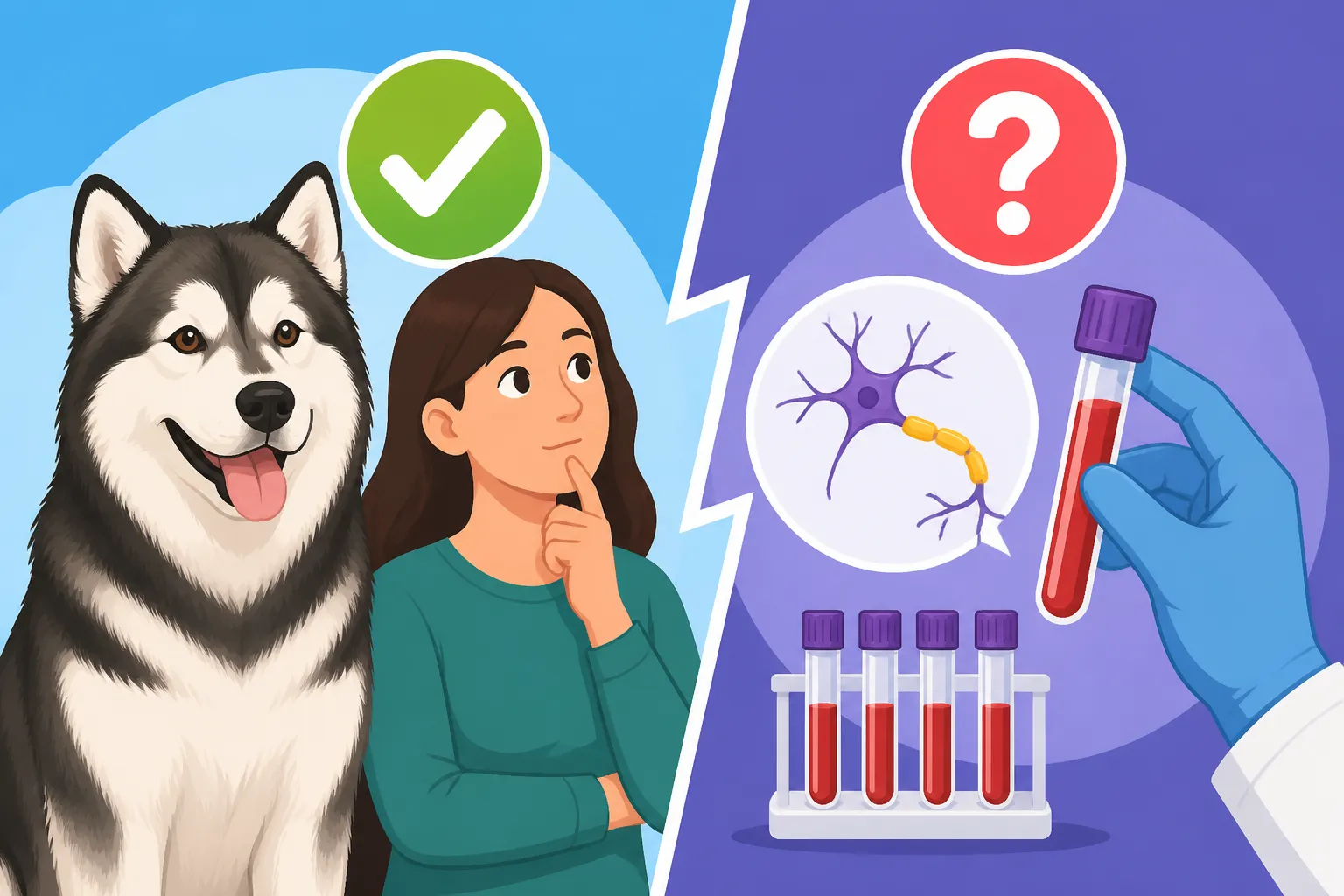
Whether a Malamute Owner Can Order the Polyneuropathy Test
It’s a deeply unsettling feeling when you learn about the specific genetic health challenges that can impact our beloved Alaskan Malamutes. One of the most talked-about concerns, and rightly so, is inherited polyneuropathy. For many owners, the first thought after hearing about such a condition is a burning desire to know if their own furry family member is at risk, leading to the crucial question: can you, as a Malamute owner, directly order the polyneuropathy test yourself? This guide is here to walk you through exactly how that works, what your options are, and what to expect along the way.
Understanding Inherited Polyneuropathy in Alaskan Malamutes
When we talk about inherited polyneuropathy in Alaskan Malamutes, we're not just discussing a minor sniffle; we're talking about a progressive neurological condition that can significantly impact a dog's quality of life. It’s a challenge that dedicated Malamute owners dread, and understanding it is the first step toward managing it.
What Polyneuropathy Does to a Malamute
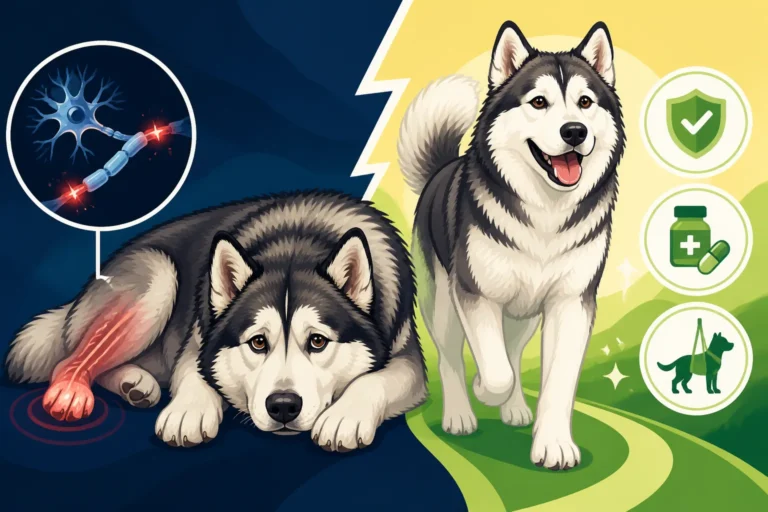
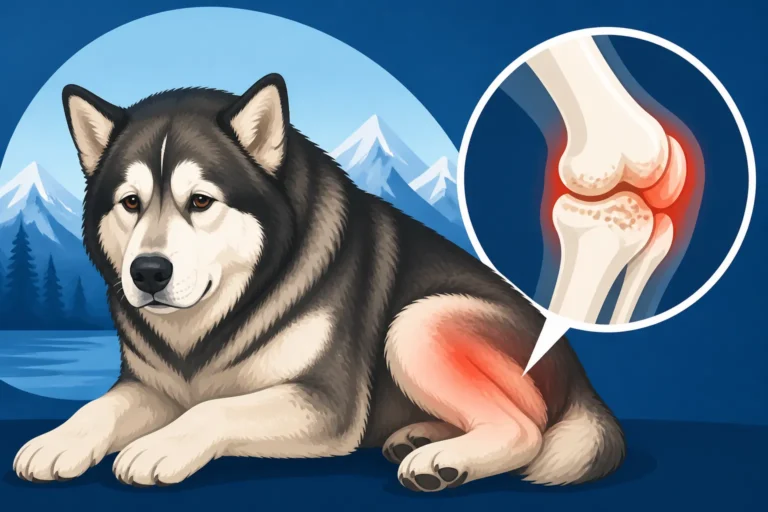
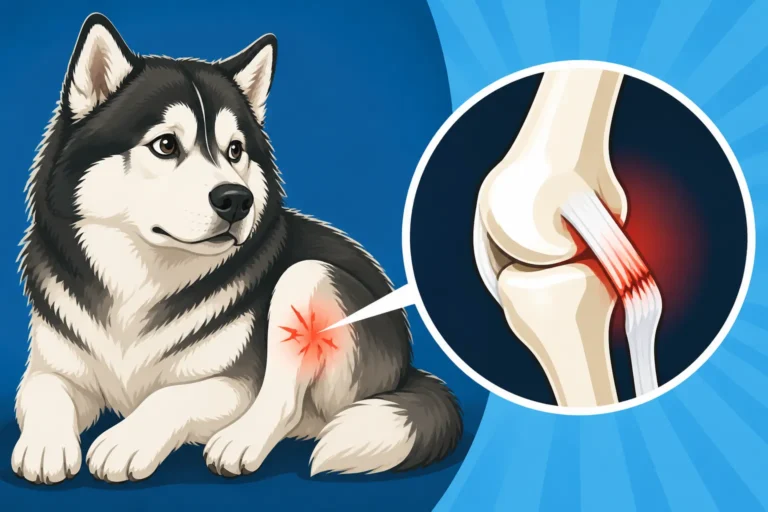
Inherited polyneuropathy is a degenerative disease affecting the peripheral nerves – those nerves outside the brain and spinal cord that control muscle movement and sensory perception. Imagine trying to walk, run, or even just stand, but your legs just don't get the right signals from your brain, or they don't respond adequately. That's a simplified way to think about what a Malamute affected by this condition might experience.
Typically, symptoms begin to show themselves when the dog is still relatively young, often between one and two years of age. You might notice subtle changes at first: perhaps your usually robust Malamute seems a little less coordinated, stumbling occasionally on familiar terrain. Their gait might change, becoming more high-stepping or choppy, almost as if they're having trouble placing their feet precisely. As the disease progresses, muscle weakness becomes more pronounced, especially in the hind limbs, which can lead to a wobbly walk and difficulty getting up. Owners often report that Whether a Polyneuropathy Malamute Puppy Trips Constantly As time goes on, the weakness can spread to the front limbs, and even affect the larynx, leading to a noticeable change in their bark. This change in voice is a hallmark sign, often described as a hoarse or weak bark, and it’s a direct result of nerve damage impacting vocal cord function. In severe cases, breathing can be affected, which is, understandably, terrifying for any owner. This is often described in detail when we explore What Inherited Polyneuropathy Does to a Malamute.
The Genetic Basis of Malamute Polyneuropathy
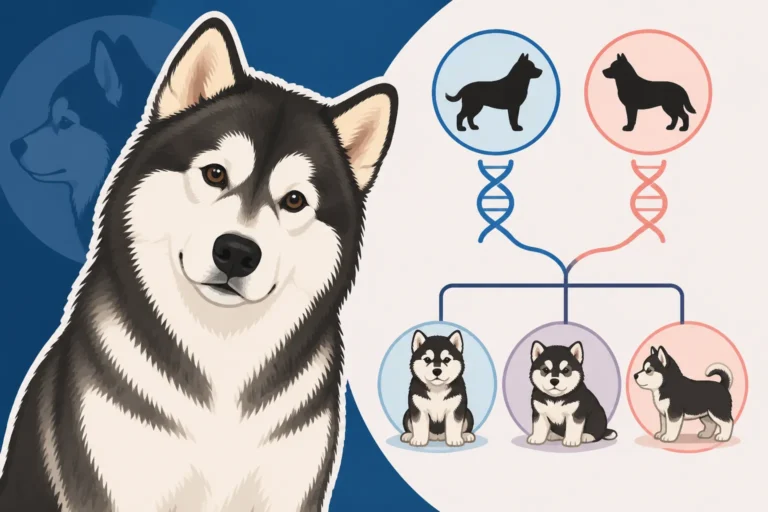
The reason we can talk about "ordering a test" for polyneuropathy is because it's an inherited condition with a known genetic marker. This means it's passed down from parents to offspring, and it follows an autosomal recessive pattern. What does "autosomal recessive" mean in plain English? It means that a dog needs to inherit two copies of the faulty gene – one from each parent – to actually develop the disease.
If a Malamute inherits just one copy of the faulty gene and one normal copy, they won't develop polyneuropathy themselves. These dogs are called "carriers." Carriers are perfectly healthy and show no signs of the disease, which is why Whether a Carrier Malamute Shows Any Signs is a frequently asked question. However, they can pass that single faulty gene copy to their own puppies. The real concern comes when two carriers are bred together; in such a pairing, each puppy has a 25% chance of being affected, a 50% chance of being a carrier, and a 25% chance of being completely clear (inheriting two normal copies). This genetic inheritance pattern underscores the immense value of pre-breeding genetic screening, but also highlights why individual owners might want to test their own dogs, especially if their dog's lineage is unknown or they have concerns.
Accessing the Polyneuropathy DNA Test as an Owner
The good news is that advancements in canine genetics mean that testing for inherited polyneuropathy in Alaskan Malamutes is readily accessible to owners. You don't necessarily have to be a breeder or go through complex veterinary channels to get answers.
Direct-to-Consumer Genetic Testing Kits
For many Malamute owners, the easiest and most straightforward path to testing is through direct-to-consumer (DTC) genetic testing companies. These companies specialize in providing at-home kits that allow you to collect a DNA sample from your dog and send it directly to their lab for analysis.
The process is usually quite simple:
- Order the kit: You visit the company's website (some popular ones include Embark and Wisdom Panel, though always check their specific offerings for Alaskan Malamute polyneuropathy).
- Collect the sample: Once the kit arrives, it typically contains sterile cheek swabs. You'll gently swab the inside of your Malamute's cheek for about a minute, ensuring you get enough cells. It's usually a very quick, non-invasive process that most dogs tolerate well.
- Mail it back: You then seal the swabs in the provided packaging and send them back to the lab using the prepaid shipping label.
- Receive results: After a few weeks (the exact turnaround time can vary), you'll receive an email notification that your dog's results are ready. These results are typically presented in an easy-to-understand online portal, clearly indicating if your dog is "Clear," a "Carrier," or "Affected" for inherited polyneuropathy.
These DTC tests are fantastic for peace of mind, allowing you to proactively understand your Malamute's genetic health. They also often test for a wide array of other genetic conditions relevant to the breed, which can be incredibly informative. You might discover other predispositions, even for things like Day Blindness and the CNGB3 Test That Nearly Ended It in Malamutes, giving you a more complete health picture.
Working with Your Veterinarian for Testing
While direct-to-consumer kits are convenient, there might be situations where you prefer to involve your veterinarian, or perhaps your vet even recommends it. This is a perfectly valid and often beneficial approach.
Your veterinarian can help facilitate genetic testing in several ways. Firstly, they can guide you in choosing a reputable lab if you're feeling overwhelmed by the options. They might also have access to veterinary-specific diagnostic labs that offer comprehensive panels. The vet's office can assist with sample collection, ensuring it’s done correctly, especially if your Malamute is a bit squirmy or you're unsure about the process. They might prefer to collect a blood sample, which can sometimes yield a higher quality DNA sample for analysis, though cheek swabs are generally sufficient for the polyneuropathy test.
The main advantage of going through your vet is their expertise in interpreting the results within the context of your dog's overall health and clinical signs. If your Malamute is already showing subtle neurological symptoms, for example, a vet-ordered test result, combined with a physical examination, can help confirm a diagnosis or rule out other conditions. This integrated approach ensures that any genetic findings are considered alongside your dog's individual health journey. If your dog tests as 'affected,' regular vet visits and potential therapies might be necessary, and having a good pet insurance plan from a company like Healthy Paws can certainly help manage those costs.
Here's a quick comparison of the two main testing methods:
| Feature | Direct-to-Consumer (DTC) Test Kits | Vet-Ordered Lab Tests |
|---|---|---|
| Convenience | High (at-home sample collection) | Lower (requires vet visit) |
| Cost | Generally lower for multi-panel tests | Potentially higher, often includes vet consultation |
| Sample Type | Cheek swab (most common) | Blood sample or cheek swab |
| Interpretation Support | Primarily online resources, community forums | Direct veterinary guidance and explanation |
| Scope | Often broad panels for many genetic conditions | Can be specific or part of a broader diagnostic workup |
| Record Keeping | Owner responsible for results, can share with vet | Results integrated into vet medical records |
Interpreting Test Results and Next Steps
Once those eagerly awaited results arrive, it's crucial to understand what they mean for your individual Malamute and for the breed as a whole. This information isn't just a curiosity; it's a powerful tool for responsible ownership and breeding.
Understanding Carrier, Affected, and Clear Results
For inherited polyneuropathy, your Malamute's genetic test results will typically fall into one of three categories:
- Clear (or "Normal" / "Non-Carrier"): This is the best-case scenario. A "clear" Malamute has inherited two normal copies of the gene. They do not have polyneuropathy, nor do they carry the gene to pass on to any potential offspring. This dog is genetically free of this specific form of the disease.
- Carrier (or "Heterozygous"): A "carrier" Malamute has inherited one normal copy of the gene and one copy of the faulty gene. As we discussed, carriers are usually completely healthy and will never develop polyneuropathy themselves. However, they carry the potential to pass the faulty gene to their puppies. This is vital information for any breeder to know, as breeding two carriers together carries a significant risk. You can delve deeper into Whether a Carrier Malamute Can Be Bred, but generally, it's advised against without careful planning and testing of offspring.
- Affected (or "Homozygous Affected"): An "affected" Malamute has inherited two copies of the faulty gene, one from each parent. This means they are genetically predisposed to developing inherited polyneuropathy and will, at some point, likely show symptoms of the disease. The onset and severity can vary, but the genetic blueprint for the condition is present. This is a critical result, as it indicates a need for proactive health monitoring and management. For more on this, you might explore Whether a Polyneuropathy Malamute Gets Worse.
Implications for Health Management and Breeding Decisions
Receiving your Malamute's polyneuropathy test results has significant implications, both for their individual health and for responsible breeding practices.
If your Malamute is Clear, you can breathe a sigh of relief regarding this specific condition. However, it's a good reminder that genetic testing is just one piece of the puzzle; routine veterinary care and attention to overall health remain paramount. Knowing your Malamute is clear also means they could safely be bred with a carrier without producing affected puppies, though most responsible breeders still aim for clear-to-clear pairings to reduce the carrier gene in the population.
If your Malamute is a Carrier, they are likely to live a full, healthy life without ever showing signs of polyneuropathy. The primary implication here is for breeding. If you have a carrier Malamute, it is strongly recommended that they only be bred to a mate who has tested Clear for polyneuropathy. This pairing ensures that no puppies will be affected by the disease, though approximately half of the puppies will likely be carriers themselves. This is a topic breeders take very seriously, understanding the goal is to reduce the prevalence of the gene responsibly over generations. Organizations like the Alaskan Malamute Club of America often advocate for careful breeding practices to eliminate such inherited diseases.
If your Malamute is Affected, this is, without a doubt, the most challenging result to receive. It means your dog is genetically destined to develop or is already developing the symptoms of inherited polyneuropathy. While there is currently no cure, symptomatic and supportive care can help manage the condition and maintain your dog's comfort and quality of life for as long as possible. This might involve physical therapy, nutritional support, or medications to manage secondary issues. Your veterinarian will be your best resource for developing a comprehensive care plan. This is also where understanding your pet insurance coverage, like a policy from Healthy Paws, becomes crucial, as managing a chronic condition can incur significant ongoing costs. It’s also a sobering reminder of the importance of Whether Both Malamute Parents Must Carry Polyneuropathy. This result also means an affected Malamute should absolutely not be bred, as they would pass two copies of the faulty gene to all offspring.
Why Early Testing Matters and What to Look For
The proactive approach to managing inherited polyneuropathy through genetic testing is a game-changer for Malamute owners. Understanding the why and when of testing can save you and your furry companion a lot of heartache in the long run.
The Age Polyneuropathy Appears in a Malamute
One of the most insidious aspects of inherited polyneuropathy is that it doesn't typically manifest in tiny puppies. Instead, it often makes its unwelcome appearance during a dog's adolescent or early adult years, precisely when they should be in their prime. While there can be some variation, most affected Malamutes begin to show signs between 1 and 2 years of age. This is the period when subtle changes in gait, coordination, or bark might become noticeable. Sometimes it's as subtle as Why a Malamute's Bark Changes With Polyneuropathy, which can be easily dismissed as a phase or a quirk if you're not aware of the underlying risk.
The delayed onset is precisely why pre-symptomatic genetic testing is so invaluable. By the time symptoms are obvious, the disease process is already underway. Knowing your dog's genetic status before this age allows for better planning, whether for breeding purposes or for anticipating and managing potential health challenges. It also means that a Malamute that has lived a seemingly normal life for over a year might still carry the genetic predisposition that will eventually surface.
Proactive Screening vs. Symptom-Driven Diagnosis
The choice between proactive screening and waiting for symptoms is clear when it comes to inherited polyneuropathy.
Proactive Screening (Genetic Testing):
This involves testing a Malamute, often as a puppy or young adult, before any signs of the disease are present.
- Benefits:
- Peace of mind: Knowing your dog's status can alleviate anxiety or confirm potential risks.
- Informed breeding decisions: For breeders, this is absolutely essential. It allows for careful pairing of dogs to avoid producing affected offspring and helps to slowly reduce the faulty gene in the breed gene pool.
- Early preparation: If your dog tests as affected, you can begin to educate yourself about the disease, consult with your vet, and prepare for potential future care needs. This might involve budgeting for therapies or confirming your pet insurance, like a comprehensive plan from Healthy Paws, would cover the condition.
- Contribution to breed health: By testing, you contribute to a larger database of genetic health information, which benefits the entire Alaskan Malamute community.
Symptom-Driven Diagnosis:
This involves waiting until a Malamute starts exhibiting neurological signs, then pursuing veterinary diagnosis.
- Drawbacks:
- Stress and uncertainty: Observing your beloved Malamute decline without knowing why is incredibly stressful.
- Delayed intervention: While there's no cure, early supportive care can sometimes help manage symptoms more effectively or improve comfort. Waiting for symptoms means losing that window.
- Emotional toll: Confirming a diagnosis of an incurable, progressive disease once symptoms are advanced can be devastating.
- Irreversible damage: By the time symptoms are clear, some nerve damage is already done.
Therefore, the vast majority of Malamute enthusiasts and ethical breeders strongly advocate for proactive genetic screening. It’s a small investment that provides significant, actionable information, ensuring the healthiest possible future for individual dogs and the breed as a whole. Knowing What the Malamute Polyneuropathy Test Costs can help you budget for this vital step.
Navigating the Future with Polyneuropathy Information
Getting your Malamute tested for polyneuropathy is more than just a simple swab and a lab report; it's about gaining knowledge that empowers you to be the best advocate for your dog's health and to contribute positively to the future of the breed.
Supporting an Affected Malamute
If your Malamute tests as "affected" or begins to show symptoms, the journey can feel overwhelming. It's crucial to remember that you are not alone, and there are ways to provide compassionate care.
- Veterinary Partnership: Work closely with your veterinarian. They can help monitor the progression of the disease and recommend supportive therapies. This might include medications to manage secondary issues like pain or inflammation, physical therapy exercises to maintain muscle strength and mobility for as long as possible, or even mobility aids like slings or carts as needed. Discussing Whether a Polyneuropathy Malamute Can Be Treated will be a key conversation, focusing on symptom management rather than a cure.
- Environmental Adjustments: Make your home as safe and accessible as possible. Non-slip rugs, ramps instead of stairs, and easily accessible food and water bowls can make a huge difference in your dog's comfort and confidence.
- Nutritional Support: Your vet may recommend dietary adjustments or supplements to support nerve health and overall well-being.
- Emotional Support: Caring for a dog with a progressive neurological condition is emotionally taxing. Seek support from your vet, online Malamute communities, or pet owner support groups. Organizations like the Alaskan Malamute Club of America also provide resources and a network for owners facing genetic health challenges.
- Financial Planning: This is where good pet insurance, such as a plan from Healthy Paws, can be invaluable. Hereditary conditions are often covered if the policy was in place before the onset of symptoms, helping to offset the costs of ongoing veterinary care, medications, and potential therapies.
The Breeder's Role and Community Responsibility
The widespread availability of the polyneuropathy DNA test puts a significant responsibility on breeders. Ethical breeders meticulously test their breeding stock for this and other inherited conditions. They should be transparent about their dogs' health testing results and readily share them with prospective puppy buyers. If you're looking for a puppy, always ask to see the parents' DNA test results, not just a verbal assurance. Checking Whether a Malamute Breeder Should Publish DNA Results is a good standard to follow.
As a community of Malamute lovers, our collective effort in testing and sharing results helps reduce the prevalence of this devastating disease. Responsible breeding practices, guided by genetic testing, mean fewer affected puppies are born, leading to healthier generations of Alaskan Malamutes overall. It’s a long-term commitment that benefits every single dog and owner in the future.
Disclaimer
This article is intended for informational purposes only and does not constitute professional veterinary advice. Always consult with a qualified veterinarian for any health concerns or before making any decisions about your pet's medical care or treatment.