Whether a Malamute Needs Yearly Thyroid Bloodwork
As an Alaskan Malamute owner, you pour your heart and soul into keeping your magnificent companion healthy and happy. But with all the advice floating around, it's easy to get overwhelmed trying to figure out which routine health screenings are genuinely necessary. A common question that pops up is whether your Alaskan Malamute truly needs yearly thyroid bloodwork. This comprehensive guide will delve deep into the nuances of thyroid health in our beloved breed, helping you understand when and why this specific screening might be crucial, and when a blanket annual test might be more about peace of mind than medical necessity.
The Unique Thyroid Landscape of Alaskan Malamutes
It’s no secret that some breeds have particular health predispositions, and our Malamutes are no exception. Their robust, ancient lineage comes with certain genetic quirks that can make them susceptible to specific conditions, including those affecting the thyroid gland. Understanding this background is the first step in making informed decisions about their care.
Why Thyroid Concerns Loom Large for Our Breed
Alaskan Malamutes, like many larger, arctic breeds, can be more prone to certain autoimmune conditions, and hypothyroidism is one that we, as owners, need to be aware of. While it's not a universal guarantee that every Malamute will develop it, the breed's statistical predisposition means it's a concern worth knowing about. Our Malamutes are often stoic, bred to work hard and endure, which means they can be incredibly good at hiding early signs of illness. This stoicism can sometimes make early diagnosis challenging, as they might "show nothing until it cannot work," as the old saying goes. This inherent resilience means we, their caretakers, must be extra vigilant and informed about subtle changes.
Moreover, their efficient metabolism, honed over centuries of working in harsh Arctic conditions, can sometimes mask symptoms that might be more obvious in other breeds. This efficiency, while a survival advantage in their native environment, can complicate the diagnostic picture when something goes awry internally.
The General Role of the Thyroid Gland
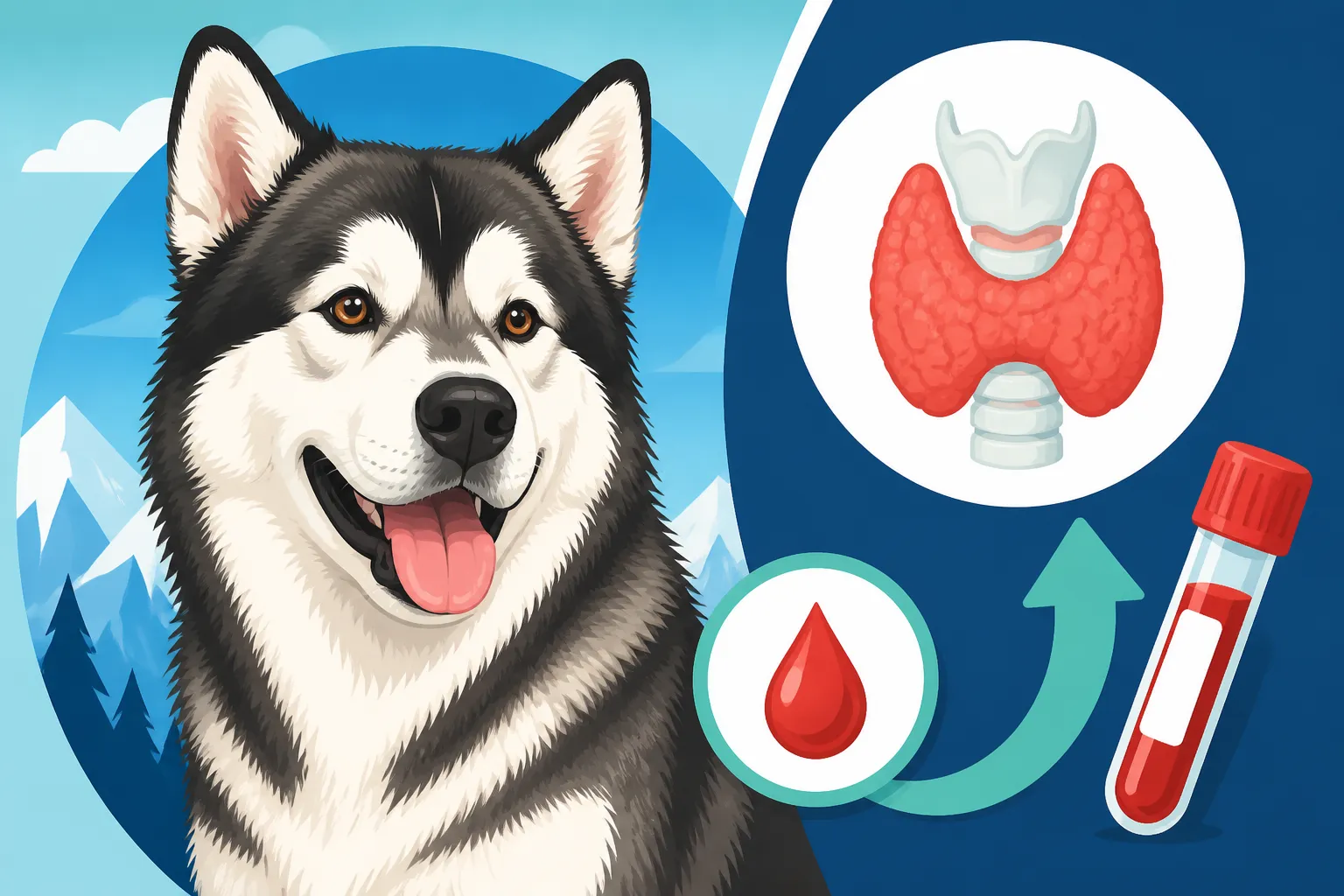
So, what exactly does the thyroid gland do, and why is its function so critical to our Malamutes? Tucked away in the neck, this small but mighty gland produces hormones (primarily T3 and T4) that regulate metabolism throughout the entire body. Think of it as the master control panel for how your dog's body uses energy. These hormones influence nearly every bodily function, from heart rate and body temperature to skin health, coat quality, energy levels, and even mental alertness.
When the thyroid isn't producing enough of these vital hormones – a condition known as hypothyroidism – it's like the body's internal thermostat and accelerator pedal are both stuck on low. Everything slows down, leading to a cascade of symptoms that can range from vague and easily dismissed to quite severe. Because these hormones are so fundamental, a disruption in thyroid function can impact your Malamute's quality of life significantly, sometimes slowly and subtly, making it hard to pinpoint the root cause without specific testing.
Unmasking Hypothyroidism in Your Malamute
Recognizing hypothyroidism in an Alaskan Malamute isn't always straightforward. Their thick coats, natural tendency to be a bit 'chill,' and powerful builds can sometimes hide the very symptoms that would scream "thyroid issue!" in other breeds. It truly takes an observant owner to notice the subtle shifts.
Recognizing the Subtle Signs You Might Miss
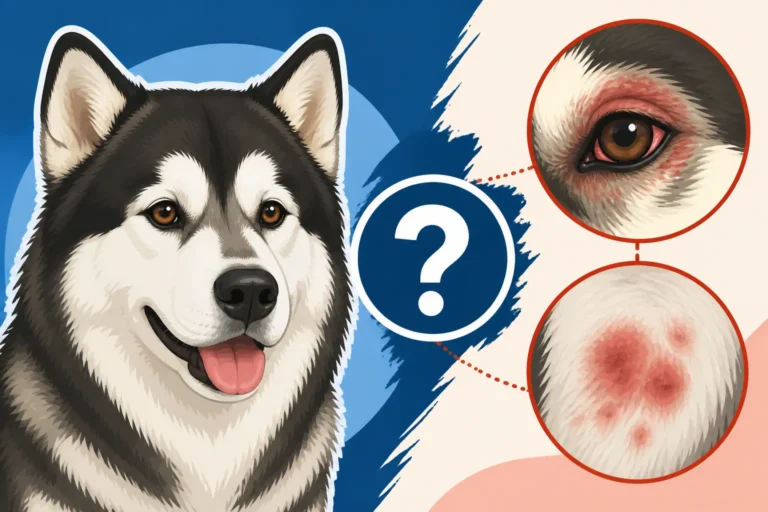
Many Malamute owners first notice changes in their dog's coat or energy levels. You might see that your dog's coat thins with thyroid disease, perhaps becoming duller, drier, or experiencing more shedding than usual outside of their seasonal blow. Areas like the tail, flanks, or neck might start to look patchy or bald. Their skin might become flaky or develop recurrent infections, sometimes even being mistaken for something like Zinc Responsive Dermatosis in an Alaskan Malamute. They might start gaining weight despite no change in diet or exercise, or just seem generally lethargic, preferring to nap rather than play, even when the weather is cool and inviting.
Other signs can include a slower heart rate, intolerance to cold (which seems almost unthinkable for a Malamute!), or even a duller, more depressed demeanor. These signs don't usually appear overnight; they creep up slowly, making it easy to attribute them to "just getting older" or a temporary funk. This is why paying close attention to any sustained changes in your Malamute's behavior, energy, or physical appearance is absolutely paramount. Signs a Malamute's Thyroid Has Failed can be varied, but often coalesce into a picture of a dog that just isn't quite itself.
Getting a Clear Diagnosis: Beyond Just a Single Test
If you're noticing these kinds of subtle, persistent changes, it’s time for a conversation with your veterinarian. Diagnosing hypothyroidism isn't usually a one-and-done blood test; it often requires a more comprehensive approach. Vets typically look at a full thyroid panel, which includes not only the total T4 (TT4) but also free T4 (fT4) and Thyroid Stimulating Hormone (TSH). Sometimes, they'll also check for thyroid antibodies (TgAA), which can indicate an autoimmune form of the disease.
It's crucial to understand that many factors can influence thyroid hormone levels, including other illnesses, certain medications (like steroids), or even stress. This is why a thorough veterinary examination, clinical signs, and sometimes repeat testing are so important for an accurate diagnosis. A reputable vet will interpret these results in the context of your Malamute's overall health and symptoms, rather than relying solely on a single number. This comprehensive approach helps differentiate true hypothyroidism from "euthyroid sick syndrome," where thyroid levels are low due to another underlying disease.
Managing and Treating Thyroid Deficiency
The good news is that hypothyroidism is generally very treatable. Once diagnosed, your Malamute will likely be prescribed a synthetic thyroid hormone replacement, usually levothyroxine. This medication is given daily, often twice a day, and works to supplement the hormones that their own thyroid isn't producing enough of.
The response to treatment can be quite remarkable. Within a few weeks, you might notice an improvement in their energy levels and demeanor. Coat and skin issues often take a bit longer to resolve, sometimes a few months, as the body needs time to regenerate healthy hair and skin cells. Your vet will typically recommend follow-up bloodwork a few weeks after starting medication, and then periodically, to ensure the dosage is correct and your Malamute's thyroid levels are within the optimal range. This medication is usually needed for the rest of your Malamute's life, but with proper management, they can live a full, happy, and healthy life. It’s a lifelong commitment, much like ensuring they get adequate exercise or the right diet. In some cases, owners wonder Whether a Malamute Needs Zinc for Life – similarly, thyroid medication is a permanent fixture once diagnosed.
Navigating Yearly Thyroid Bloodwork: When and Why
This brings us to the core question: does your Malamute need yearly thyroid bloodwork? The answer isn't a simple yes or no; it's nuanced and depends heavily on your individual dog's age, health history, and any symptoms they might be showing.
Puppyhood to Adulthood: Evolving Screening Needs
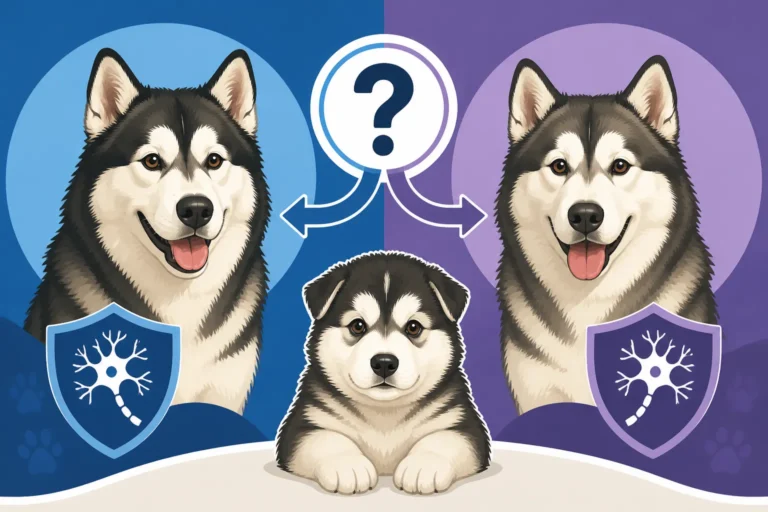
For a healthy Malamute puppy or young adult, routine yearly thyroid bloodwork is often not necessary unless there are specific concerns. A baseline thyroid panel might be considered if your Malamute is part of a breeding program, as some forms of hypothyroidism can have a genetic component. Reputable breeders often screen their breeding stock thoroughly, sometimes checking for things like zinc absorption alongside thyroid function, as there's often a complex interplay of inherited traits. For the average pet Malamute, however, your veterinarian will likely focus on general health check-ups in these younger years, monitoring growth, weight, and overall vitality.
It's during these foundational years that you establish a strong relationship with your vet and learn what "normal" looks and feels like for your dog. If any of the subtle signs discussed earlier start to appear, regardless of age, then a thyroid panel becomes a priority, not just a routine check.
The Senior Years and Increased Vigilance
As our Alaskan Malamutes age, their bodies, much like ours, start to experience wear and tear. Caring for an Alaskan Malamute Past Eight means being more attuned to potential health shifts, and this is where thyroid screening becomes more relevant for routine checks. While not every senior Malamute must have yearly thyroid bloodwork, many veterinarians will recommend it as part of a comprehensive senior wellness panel. This is because the incidence of hypothyroidism tends to increase with age.
In older dogs, symptoms can also be more easily dismissed as general aging. A senior Malamute might naturally slow down, but differentiating between normal age-related decline and a treatable condition like hypothyroidism is crucial for maintaining their quality of life during The Ten to Fourteen Years an Alaskan Malamute Lives. If your senior Malamute is showing any of the classic signs – unexplained weight gain, lethargy, coat changes, or skin issues – a thyroid panel should definitely be part of their diagnostic workup.
The Importance of Clinical Signs Over Routine Testing Alone
Ultimately, whether your Malamute needs yearly thyroid bloodwork largely hinges on clinical signs rather than a strict calendar. If your Malamute is healthy, energetic, maintains a good weight, and has a fabulous coat, annual screening might not be a top priority unless your vet has a specific reason to suspect an issue. However, if you notice any changes in their behavior, physical condition, or energy levels that raise a red flag, then a comprehensive thyroid panel is absolutely warranted, regardless of when their last test was.
Here's a quick guide to help you think through it:
| Situation | Recommendation for Thyroid Bloodwork | Rationale |
|---|---|---|
| Healthy Puppy/Young Adult (1-6 years) | Only if clinical signs appear or for breeding. | Less common in young, healthy dogs; focus on overall wellness. |
| Adult Malamute (6-8 years) | Consider a baseline, then based on signs. | Can be a good time to establish a healthy baseline for future comparison. |
| Senior Malamute (8+ years) | Discuss with vet; often recommended yearly. | Incidence increases with age; symptoms can be subtle and mistaken for aging. |
| Any Age, with Symptoms | Immediately with full panel. | Clinical signs (lethargy, weight gain, poor coat) are primary indicators for diagnostic testing. |
| On Thyroid Medication | Bi-annually or as vet advises. | To monitor effectiveness, adjust dosage, and ensure levels are therapeutic. |
| Breeding Stock | Regular screening as per breed club guidelines. | To help prevent passing on genetic predispositions. |
Remember, your veterinarian is your best partner in navigating these decisions. They can assess your individual Malamute's risk factors, lifestyle, and overall health to recommend the most appropriate screening schedule.
Holistic Health Management Beyond the Thyroid Panel
Managing your Malamute's health goes far beyond just one blood test. It's about a comprehensive approach that includes attentive observation, regular veterinary care, and thoughtful planning.
Partnering with Your Veterinarian for Proactive Care
Establishing a strong, trusting relationship with a veterinarian who understands large breeds and, ideally, arctic breeds, is invaluable. They can help you decipher subtle symptoms, guide you through testing, and formulate treatment plans. Regular wellness exams, even if they don't include an annual thyroid panel for a young, healthy dog, are crucial for catching other issues early. Your vet will perform a thorough physical, listen to your concerns, and can often spot things you might miss.
Don't hesitate to ask questions. If you're wondering Whether a Malamute Needs Yearly Thyroid Bloodwork, bring it up. Discuss your dog's energy levels, any changes in appetite or thirst, and observations about their coat or skin. These conversations are vital for creating a personalized health plan. When tests or treatments are recommended, be prepared for the costs, and explore options like pet insurance. Providers like Healthy Paws can be a tremendous help in softening the financial blow of unexpected diagnostics and ongoing treatments.
Understanding Other Potential Health Issues
While thyroid issues are a focus here, it's important to remember that Malamutes can face a range of other health challenges. They can be prone to conditions like hip dysplasia, cataracts, and even certain cancers. Understanding What Alaskan Malamutes Actually Die Of helps put these concerns into perspective and highlights the importance of regular overall health checks. For example, any Lumps Worth Checking on an Alaskan Malamute should always be investigated, regardless of whether you're concurrently thinking about thyroid. Issues like Whether an Alaskan Malamute Gets Kidney Disease or other metabolic disorders can present with some similar vague symptoms (lethargy, weight loss/gain), underlining the importance of a holistic diagnostic approach rather than tunnel vision on one potential problem.
Financial Planning for Malamute Health
Let's be real, owning a Malamute is an investment, not just of love and time, but also financially. Health care costs can add up quickly, especially if chronic conditions like hypothyroidism require lifelong medication or if an emergency arises. It’s wise to consider whether a Malamute owner should bank each month specifically for veterinary emergencies and routine care.
Pet insurance, like a plan from Healthy Paws, can be a game-changer. It helps cover unexpected accidents and illnesses, ensuring you can make medical decisions based on what's best for your Malamute, not just your wallet. When choosing a plan, consider factors like deductibles and reimbursement percentages. For example, considering Whether a High Deductible Suits a Malamute Owner might influence your monthly premium but could save you significantly in the event of a major illness. Being prepared financially allows you to pursue necessary diagnostics, like a comprehensive thyroid panel, without undue stress.
In conclusion, while yearly thyroid bloodwork isn't a mandatory, blanket requirement for every Alaskan Malamute, it becomes increasingly important as they age or if they exhibit any concerning symptoms. Proactive observation, open communication with your vet, and a readiness to investigate changes in your beloved companion are the true cornerstones of their long-term health.
Disclaimer
This article is intended for informational purposes only and does not constitute veterinary advice. Always consult with a qualified veterinarian for any health concerns or before making any decisions about your Alaskan Malamute's medical care. Individual circumstances may vary.