What a Malamute Destroys Before It Turns Two
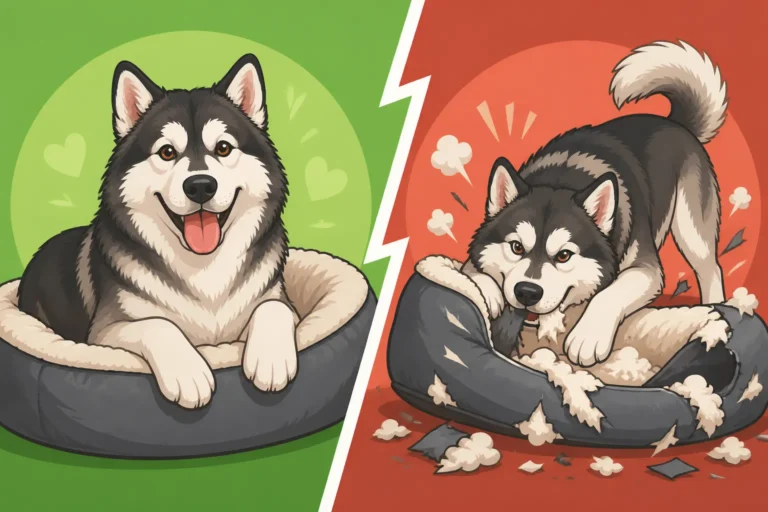
Bringing an Alaskan Malamute puppy home is an exciting time, filled with dreams of majestic treks and loyal companionship. What many new owners don't fully grasp, though, is the sheer force of nature they've invited into their lives – particularly the incredible capacity for destruction that a Malamute possesses before it even reaches its second birthday. This isn't just a bit of puppy chewing; it's a profound, instinctual drive that can transform your home and yard in ways you never imagined. This guide will delve deep into what a Malamute destroys before it turns two, exploring the root causes of their behavior and equipping you with realistic strategies to navigate these challenging adolescent years.
The Adolescent Avalanche: Why Malamutes Are So Destructive
It's easy to look at a fluffy Malamute puppy and imagine a gentle giant in the making. But beneath that adorable exterior lies a formidable instinct, honed over centuries, that can turn your home into a construction site. Their destructive tendencies aren't random acts of naughtiness; they're deeply ingrained behaviors driven by their history and incredible physical and mental needs.
Bred for Problem-Solving and Endless Energy
Think about the Alaskan Malamute's ancestors: large, powerful dogs bred by the Mahlemut people of the Arctic to haul heavy loads for long distances across unforgiving terrain. These weren't lapdogs; they were working partners, often left to their own devices in harsh environments where resourcefulness meant survival. This history fostered a breed that is incredibly intelligent, independent, and a born problem-solver. When a Malamute puppy, or even an adolescent, finds itself in a modern home without a "job" or sufficient mental engagement, it will create its own.
Their intelligence dictates that if a conventional toy isn't stimulating enough, or if they're simply bored, they'll find something else to "work on." This could be the leg of your dining room table, a loose piece of trim, or the contents of your garbage can. They're not being malicious; they're simply exercising their innate drive to interact with their environment in a meaningful, often physical, way. Without proper outlets, their problem-solving skills become focused on deconstructing your possessions.
Coupled with this innate intelligence is an enormous reservoir of physical energy. These dogs were designed to pull sleds for hours on end, day after day. A leisurely stroll around the block simply won't cut it for a growing Malamute. Unspent energy doesn't just dissipate; it manifests. It can turn into a canine tornado, ripping through your home, digging craters in your yard, or developing frantic behaviors. If they're not physically tired and mentally stimulated, they'll channel that boundless energy into activities that often involve tearing things apart.
Oral Fixation: Chewing as a Malamute's Way of Life
All puppies chew, but a Malamute's chewing instinct is on a whole different level, persisting far beyond the typical teething phase. It’s an oral fixation that stems from their ancestral need to process tough hides, bones, and whatever else they might scavenge or catch. Their powerful jaws and strong teeth were made for breaking down and dissecting, not just nibbling. This is why a simple squeaky toy won't satisfy them for long; they need something substantial to really sink their teeth into.
From the moment they arrive home, often around eight weeks old, until well past their first birthday and into their adolescent phase (which can last up to two years), chewing is a primary way they explore the world, relieve stress, and manage boredom. They learn about texture, taste, and resistance through their mouths. If you don't provide appropriate and extremely durable chew options, they will inevitably turn to your furniture, shoes, or even the walls.
It's not uncommon for owners to report that their Malamute has chewed through seemingly indestructible items. This intense drive means that simply saying "no" or redirecting once isn't enough; you need a constant, multi-faceted strategy to manage this powerful instinct. Understanding that this isn't personal, but rather a fundamental characteristic of the breed, is the first step in effectively dealing with it.
Indoor Havoc: The Battleground of Your Home
Your cozy living space, your meticulously arranged decor, your cherished personal items – to a young Malamute, they are all potential projects. The indoor destruction often comes as the biggest shock to new owners, who might expect some chewing but are rarely prepared for the sheer scale of the demolition.
Furniture and Fixtures: Chew Toys Extraordinaire
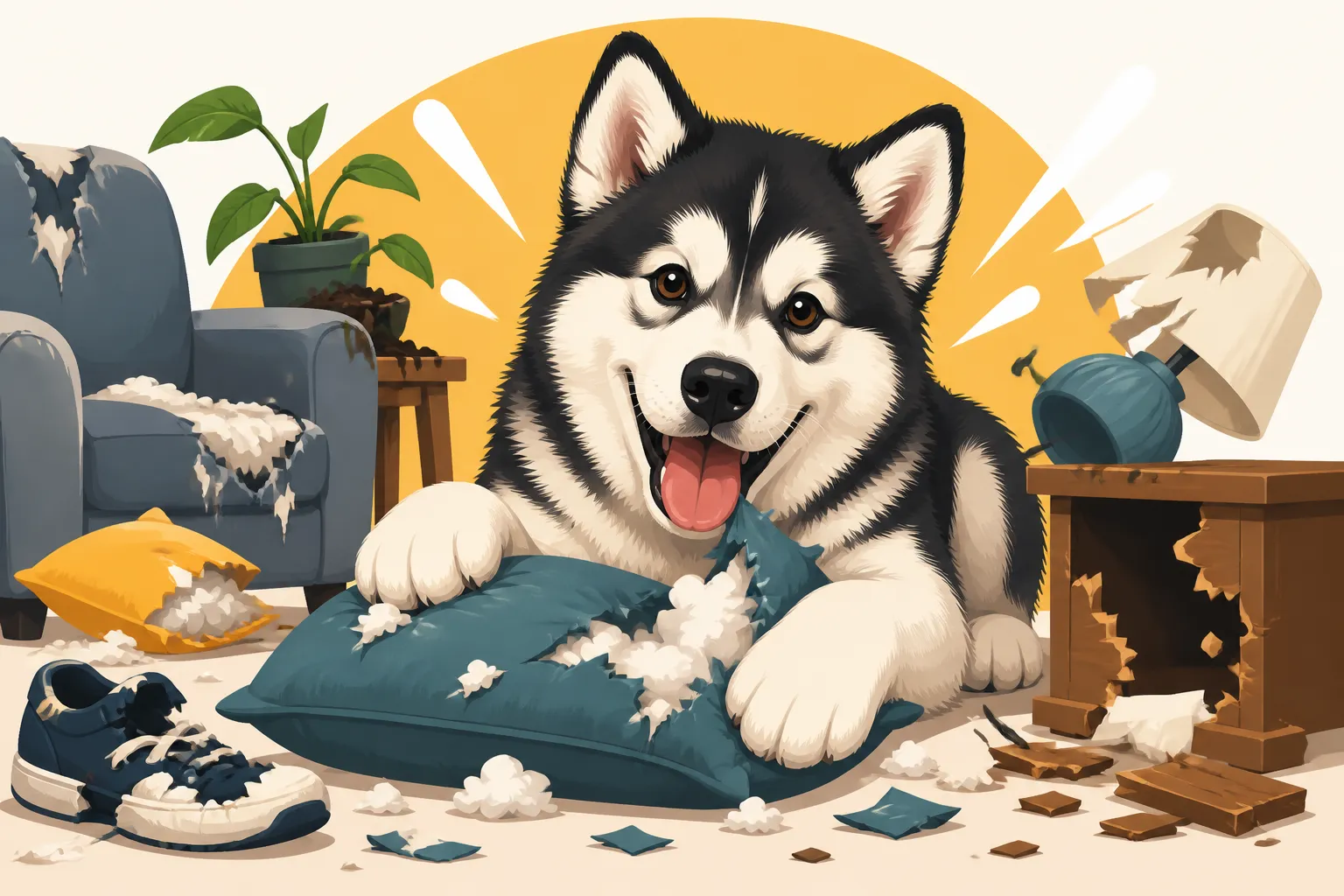
Let's face it, your furniture and home fixtures are often made of appealing materials like wood, fabric, and sometimes even metal, all of which present an interesting challenge to a curious Malamute. Chair legs become prime gnawing targets, especially at the corners. Sofa cushions are perfect for digging, shredding, and de-stuffing, transforming a plush couch into a lumpy shadow of its former self in a single afternoon. Wooden trim around doors and windows offers satisfying resistance and splintering.
Imagine coming home to find that the beautifully carved leg of your antique coffee table has been whittled down to a stump, or that your upholstered armchair now resembles a snowdrift of stuffing. This isn't just surface damage; it’s often deep and structural, requiring professional repair or even replacement. A Malamute sees these as interactive puzzles, not irreplaceable household items. They’re simply trying to understand how things work, and if a piece of furniture presents an interesting texture or a weak point, they’ll exploit it. The damage can accumulate quickly, and before you know it, you’re looking at significant repair bills. For owners dealing with multiple furniture casualties, you might be asking yourself, What a Malamute Chews Through in a Year and how much more can I take?
Personal Belongings: Nothing is Sacred
In the mind of an adolescent Malamute, there's little distinction between their designated chew toy and your favorite pair of sneakers. Anything left within reach on tables, countertops, or the floor is fair game. This includes, but is certainly not limited to, shoes, remote controls (oh, the satisfying click and texture!), eyeglasses, children's toys (especially plush ones), books, magazines, and even blankets or throws.
The frustration of finding your expensive leather boots in shreds or realizing your TV remote no longer works because it's missing crucial buttons is a rite of passage for many Malamute owners. It's not just the financial cost of replacing these items; it's the emotional toll of losing cherished possessions. That favorite blanket Grandma knitted? Gone. The novel you were halfway through? A pulpy mess. Prevention is absolutely key here: if you don't want it destroyed, it needs to be put away or inaccessible. Imagine setting out a new bed for your Malamute and returning later to find it in tatters; this is why finding What a Chew Proof Bed for a Malamute Costs becomes a real priority for many owners.
Electrical Wires and Cords: A Dangerous Obsession
Of all the things a Malamute might chew, electrical wires and cords present the most significant and often deadly danger. The texture and pliability of cords can be incredibly appealing to a chewing dog, and the consequences of biting through one are horrific – severe burns, electrocution, or even death. This is not a behavior to be taken lightly or simply redirected.
A young Malamute, full of curiosity, doesn't understand the hidden danger. They might find the cord to your lamp, computer, or television, and in a moment of boredom or exploration, decide it's a new toy. Supervise your Malamute constantly when they are not crated, especially if they are under two years old and still in their active chewing phase. Puppy-proofing takes on a critical importance here, requiring cord protectors, bundling, and strategic furniture placement to block access. Ensuring your home is safe from this particular form of destruction is paramount for your Malamute's well-being and your own peace of mind.
Outdoor Demolition: The Yard Transformed
The destruction isn't confined to the four walls of your home. If you have a yard, prepare for it to become a landscape transformed by the unyielding instincts of your Alaskan Malamute. These are dogs who thrive outdoors, and their outdoor activities often involve a significant amount of earth-moving.
The Malamute's Digging Pits: Landscaping Redefined
Ah, digging. It's not just a pastime for an Alaskan Malamute; it's practically a sacred ritual. Their ancestors dug dens for warmth, to bury food, and to escape predators. Today's Malamute carries those instincts. They dig to create cool hollows in the summer heat, to uncover interesting smells, to "bury" their favorite toys, or simply because it feels good to move earth with their powerful front paws. It's not just a small hole; they can excavate craters large enough to fit inside, or even intricate tunnel systems. This is an instinct so strong that owners often ask Why an Alaskan Malamute Digs and how to possibly stop it.
Your pristine lawn, carefully cultivated flowerbeds, and even underground irrigation lines are all fair game. Roses might be uprooted, perennials dug up, and sprinkler systems inadvertently exposed and chewed. The sight of your Malamute emerging from a freshly dug trench, covered in dirt with a triumphant grin, might be endearing once, but it quickly becomes a landscaping nightmare. If you don't provide a designated digging area, they will choose one for themselves, and it will almost certainly be somewhere you don't want them to dig.
Fences and Escape Routes: The Great Houdini
An Alaskan Malamute's independence and boundless curiosity make them exceptional escape artists. A standard four-foot picket fence, or even a six-foot wooden fence, often proves to be merely a suggestion, not a barrier. They will methodically test every weakness: digging underneath, jumping or climbing over, or even figuring out how to open gate latches. The phrase "Fencing a Yard Against a Malamute That Was Bred to Dig" isn't just a suggestion; it's a survival guide for your property and your peace of mind.
They are incredibly athletic and agile for their size. Some will launch themselves over fences, using any nearby object as a boost. Others will slowly and deliberately dig a tunnel system, emerging triumphantly on the other side. A simple bolt latch on a gate? Many Malamutes will quickly learn to manipulate it. The stakes are high: a loose Malamute, driven by its prey drive or wanderlust, can travel miles in a short amount of time, putting them in danger of traffic, conflicts with other animals, or simply getting lost. Investing in a truly secure containment system is not an option; it's an absolute necessity to prevent a potential tragedy.
Gardens and Plants: A Green Thumb's Nightmare
If you pride yourself on your garden, a young Malamute will challenge your dedication. Beyond the digging, they have a surprising propensity for interacting with plants in other destructive ways. Uprooting newly planted flowers or vegetables is common, especially if the soil is freshly disturbed and intriguing. Shrubs and young trees might become targets for chewing or "re-shaping" during play.
Beyond the aesthetic damage, there's a serious health concern: many common garden plants are toxic to dogs. Ingesting certain flowers, bushes, or even lawn treatments can lead to severe illness or worse. A Malamute doesn't know which plants are safe and which are dangerous; they only know what looks interesting to chew or dig up. Protecting your garden means not only reinforcing borders and providing distractions but also educating yourself on toxic plants and removing them from your Malamute's accessible areas.
The Expense Report: Counting the Costs of Destruction
While the emotional toll of seeing your home and yard systematically dismantled is high, the financial burden is often equally staggering. The cost of owning an Alaskan Malamute isn't just the purchase price; it's the ongoing investment in preventing and repairing the inevitable destruction.
Replacement Costs: From Rugs to Remotes
The items a Malamute can destroy are often not cheap to replace. A chewed sofa leg isn't just a cosmetic issue; it can compromise the structural integrity of the piece, often necessitating a complete furniture replacement or costly professional repair. Imagine replacing a designer rug that's been dug up and shredded, or having to buy multiple new remote controls because they keep disappearing into a furry abyss. These costs add up, quickly and relentlessly.
Electronics, clothing, shoes, outdoor furniture, garden hoses, even car interiors – if your Malamute has access, it's a potential casualty. Many owners find themselves replacing items multiple times within the first two years of their Malamute's life. This constant cycle of acquisition and destruction can be financially draining. It’s a common question among owners, What a Malamute Costs in Replaced Furniture, because the figures can genuinely become intimidating. Even small, everyday items can lead to substantial expenses over time, forcing a reevaluation of what you consider "disposable."
Damage Deposits and Renter's Woes
For those who rent their homes, an Alaskan Malamute can represent a significant financial risk. Many landlords are already wary of large breeds due to potential damage, and an Alaskan Malamute’s reputation for digging and chewing is often well-known. If you do secure a rental, expect to pay a substantial pet deposit, and be prepared for the very real possibility that you might not get it back.
Imagine the scenario: you move out of a rental property, and the landlord conducts a walk-through. They discover deep chew marks on door frames, scratched hardwood floors, holes dug in the backyard, or a ruined section of carpet. These damages often far exceed the pet deposit, leaving you on the hook for additional repair costs. The question of What a Malamute Costs a Renter in Deposits often extends far beyond the initial fee, potentially impacting your ability to rent in the future or facing significant out-of-pocket expenses. This is a crucial consideration for any Malamute owner who doesn't own their home outright.
Professional Interventions: Training and Repairs
Sometimes, the destruction becomes so pervasive or dangerous that professional intervention is necessary. If your Malamute is consistently destroying valuable items, chewing electrical cords, or becoming an escape artist, a professional dog trainer or behaviorist can be invaluable. These experts can help identify the root cause of the behavior and implement specific training plans and management strategies. However, these services come at a cost, often a significant one, adding another layer to the Malamute ownership expense report.
Beyond training, there's the cost of repairing the actual damage to your home and yard. Replacing sections of fence, repairing chewed drywall or door frames, re-laying sod, or even having to entirely re-landscape a garden can require the services of contractors or skilled tradespeople. While some damage might be a DIY fix, larger projects will certainly incur professional fees. Investing in robust, chew-proof solutions upfront, whether it's industrial-strength crates that even a Malamute cannot break, or toys from trusted brands like Chewy known for their durability, can save money in the long run by reducing the need for constant repairs. Furthermore, while it doesn't cover property damage, emergency vet visits for ingesting foreign objects or accidental electrocution might be mitigated by pet insurance like Healthy Paws.
Mitigating the Mayhem: Prevention and Management Strategies
The good news is that while Malamutes are predisposed to destructive behaviors, these can be managed and mitigated with the right strategies, consistency, and a deep understanding of the breed's needs. Prevention is always better (and far cheaper) than repair.
Exercise, Mental Stimulation, and a Job
This cannot be stressed enough: a tired Malamute is a good Malamute. These dogs need a significant amount of physical exercise every single day. We're talking about more than a quick walk around the block. They need long, brisk walks, runs, hikes, or dedicated play sessions that truly deplete their energy reserves. Activities like skijoring, canicross, or bikejoring, where they can pull, are ideal. Remember, Pulling Is the Only Job an Alaskan Malamute Really Wants, and engaging in these activities provides a positive outlet for their inherent drive.
Beyond physical exertion, their intelligent minds need stimulation. Puzzle toys, training sessions that teach new commands, scent work, or even just regular sessions with interactive toys can make a huge difference. A bored Malamute will find its own entertainment, and it usually involves something you'd rather they didn't touch. Provide them with a purpose, even if it's just a daily "work" session where they use their brains and bodies. It makes a huge difference in managing their overall behavior and reducing destructive tendencies. When considering How Much Exercise an Alaskan Malamute Needs, always err on the side of more.
Crate Training and Puppy Proofing
Crate training is not just a recommendation for a Malamute; it's a critical tool for management and safety, especially during their destructive adolescent phase. A crate, when introduced positively and used correctly, becomes their safe den – a place where they can relax, feel secure, and, most importantly, where they cannot destroy your home when you're unable to supervise them. Never use the crate as punishment; it should be a sanctuary. Make it comfortable with a tough, chew-proof bed, and provide safe, engaging toys. It’s worth noting that investing in a robust crate, sometimes referred to as "What a Crate a Malamute Cannot Break Costs," is a wise decision.
Beyond the crate, rigorous puppy-proofing of your entire home is non-negotiable. Get down on your hands and knees and look at your house from a Malamute's perspective. What can they reach? What looks interesting to chew? Remove temptations. Secure electrical cords with covers or run them through PVC pipes. Put away shoes, books, remote controls, and anything else you value. Use baby gates to restrict access to certain rooms. This isn't a one-time task; it's an ongoing process as your Malamute grows and their reach (and cunning) expands.
Appropriate Chew Outlets and Enrichment
Since chewing is such a fundamental part of being a Malamute, your primary strategy must be to provide appropriate and appealing chew outlets. This means investing in a variety of extremely durable chew toys designed for power chewers. Rotate these toys regularly to keep them interesting. Stuffed KONGs, especially frozen ones filled with peanut butter, yogurt, or even specialized dog-friendly recipes, can provide hours of mental and physical engagement. Bully sticks, antlers, or specific tough chew toys from reputable brands like Chewy are excellent choices. For high-value, longer-lasting engagement, even meal-delivery services like Ollie might offer certain treats or enrichment chews that can keep a Malamute occupied.
The key is variety and consistency. Don't just give them one toy; offer a rotation so they don't get bored. Introduce new textures and challenges. Make sure the chew toys are truly durable and appropriately sized for your Malamute to prevent choking hazards or rapid destruction. By proactively providing satisfying and safe chewing options, you stand a much better chance of saving your furniture and personal belongings.
Here's a comparison of common chew toy types that Malamute owners often consider:
| Toy Type | Pros | Cons | Best Use Case |
|---|---|---|---|
| Hard Rubber (e.g., KONG) | Extremely durable, can be stuffed with treats for mental enrichment, comes in various strengths | Can be expensive, some dogs lose interest if not stuffed | Prolonged engagement, boredom buster, mental challenge |
| Nylon Chews (e.g., Nylabone) | Very long-lasting, designed for aggressive chewers, helps clean teeth | Can be very hard, potentially wears down teeth over time, not digestible | Constant chewing, dental hygiene focus, unsupervised chewing |
| Natural Chews (e.g., Bully Sticks, Antlers) | Highly palatable, digestible (bully sticks), very engaging, long-lasting (antlers) | Consumable (expensive), can be high calorie, supervise for splintering (antlers) | High-value treat, satisfying chewing, occasional reward |
| Rope Toys | Good for supervised tug-of-war, some dental cleaning action | Easily shredded, ingestible fibers can cause blockages, messy | Interactive play, training rewards (supervised only) |
| Puzzle Toys | Excellent mental stimulation, slows down eating, encourages problem-solving | Not designed for aggressive chewing, can be noisy, not always durable | Meal times, mental exercise, quiet engagement |
| Hard Plastic (e.g., Busy Buddy) | Durable for moderate chewers, can hold treats/kibble, encourages interaction | May not withstand extreme Malamute chewing, can be noisy on hard floors | Treat dispensing, mental stimulation, moderate chewing |
The Long Game: Understanding Malamute Adolescence
It’s easy to feel overwhelmed by the sheer destructive power of a young Malamute. However, it's crucial to understand that this phase, while intense, is temporary in its peak form. Malamute owners must play the long game, armed with patience, consistency, and a realistic understanding of their dog's development.
The Adolescent Phase: Testing Boundaries and Patience
Much like human teenagers, Alaskan Malamutes go through an adolescent phase that can be incredibly challenging, often peaking between 6 and 18 months, but sometimes extending up to two years. This is the period when they truly start testing boundaries, questioning rules, and asserting their independence. The sweet, compliant puppy can seemingly transform into "The Adolescent Malamute That Rewrites the Rules at Fourteen Months," ignoring commands they once knew perfectly, pushing limits, and exploring their environment with renewed vigor – often resulting in more destruction.
During this time, their physical strength and mental acuity have developed significantly, making their destructive efforts far more effective. They're more capable of breaking crates, climbing fences, and tearing apart sturdier items. It requires an extraordinary amount of patience and unwavering consistency from you. Every "no" or redirection needs to be followed through. Every rule needs to be enforced. This isn't about dominance; it's about clear communication and establishing yourself as a reliable leader who provides structure and safety. Without it, the destruction can escalate, and behaviors can become deeply ingrained.
When Does It Get Better? Realistic Expectations
For many owners, the question isn't if it gets better, but when. The good news is that the most intense, widespread destruction often starts to taper off as a Malamute matures, typically after two years of age. They generally settle down, become more predictable, and their impulse control improves. However, it's crucial to maintain realistic expectations. The underlying instincts to chew, dig, and roam will always be part of their DNA.
This means that while they might no longer systematically dismantle your living room, you'll likely always need to provide appropriate chew toys, maintain secure fencing, and ensure they get adequate exercise and mental stimulation. The destructive phase often ends when the dog has matured enough to channel its energy and instincts into more acceptable outlets. Tragically, many Malamutes end up in rescues around 18 months of age, which is unfortunately the peak of this challenging adolescent period, leading to the question of Why Alaskan Malamutes Fill Rescues at Eighteen Months. These dogs often just need a committed owner to see them through this phase.
The Investment in a Well-Adjusted Adult
Navigating the destructive phase of a young Alaskan Malamute is undoubtedly tough. There will be moments of frustration, despair, and perhaps even anger. But viewing these challenges as an investment in a future companion can shift your perspective. Every chewed item, every dug hole, every boundary tested is an opportunity to teach, to reinforce, and to strengthen your bond with your Malamute.
The commitment you make during their first two years – the consistent training, the endless exercise, the careful management, and the provision of appropriate outlets – lays the foundation for a happy, well-adjusted adult. By understanding their breed-specific needs and anticipating their behaviors, you can prevent much of the destruction and guide them toward more constructive activities. The First Year With an Alaskan Malamute Puppy is a critical period that sets the stage for their entire life. The reward for your perseverance is a truly magnificent, loyal, and dignified companion who, while still possessing that independent Malamute spirit, has learned to thrive harmoniously within your home.
Disclaimer
This article is for general informational purposes only and does not constitute professional advice. Laws, prices and regulations vary by location and change over time. Consult a qualified professional for guidance on your specific situation.