What Weight Pull and Sledding Cost a Malamute Owner
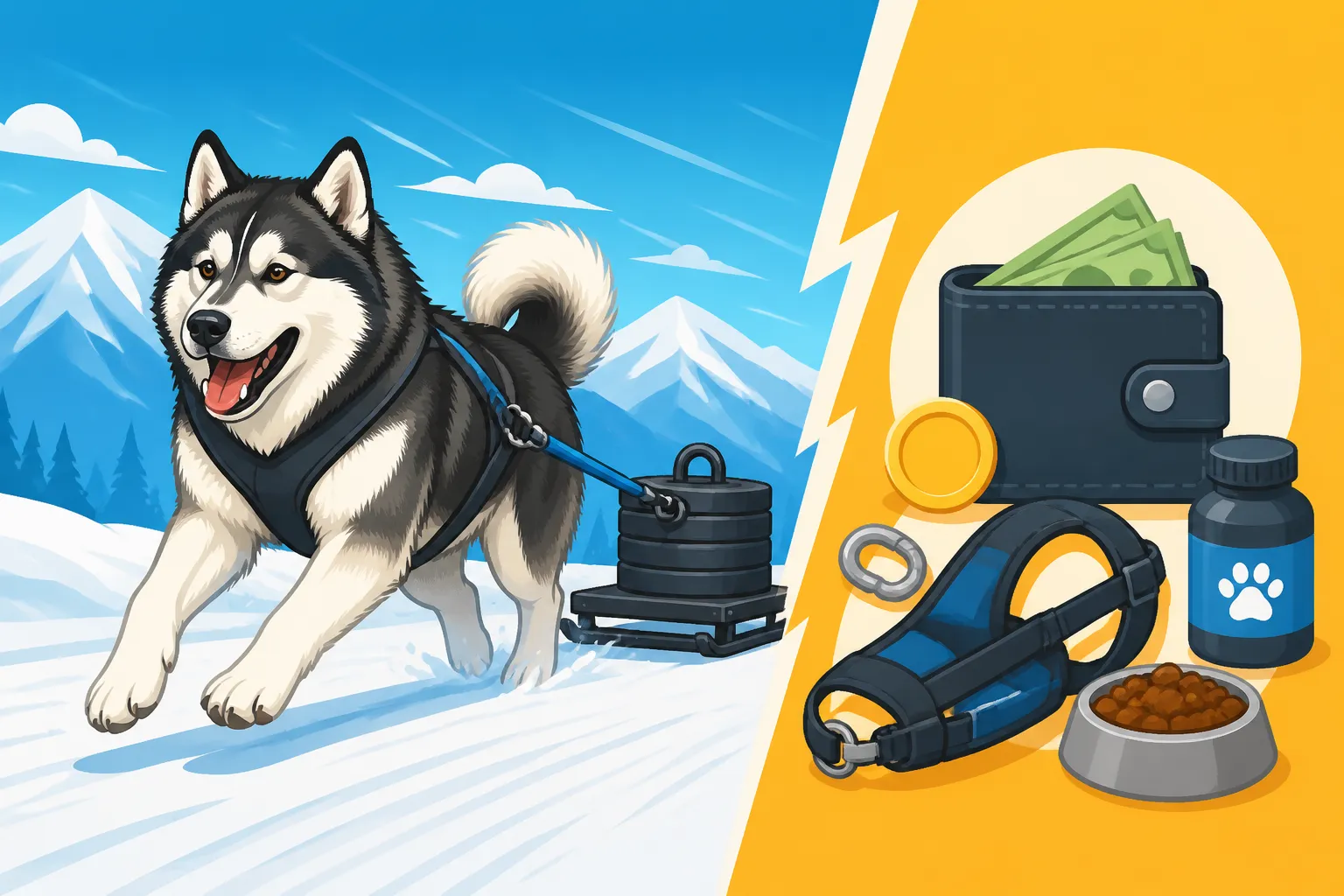
Oh, the dream! You see your magnificent Alaskan Malamute, that powerful, majestic creature, pulling with purpose, their muscles rippling as they engage in the very work their ancestors lived for. You envision the crisp air, the camaraderie, the sheer joy in their eyes. But then, reality taps you on the shoulder and whispers about the wallet. Getting involved in weight pull and sledding with your Malamute isn't just a casual hobby; it's a commitment that comes with a distinct financial footprint. This guide is going to meticulously break down exactly what those costs look like, from the first piece of gear to the ongoing care of a working athlete.
The Essential Gear: Getting Started with Weight Pull and Sledding
When you first dive into the world of canine athletics with your Alaskan Malamute, the immediate hurdle is often the gear. It's not just about a leash and collar anymore; you're equipping an athlete for specific, demanding tasks. The quality of this equipment isn't just about performance; it's crucially about your Malamute's safety and comfort. Skimping here can lead to injuries or discomfort, making the experience unpleasant for everyone.
Specialized Harnesses and Collars
First and foremost, you'll need a specialized harness. Forget the fancy walking harnesses you might see at the pet store; those aren't designed for pulling serious weight or for sustained forward motion like sledding. For weight pull, you'll need a weight pull harness, often custom-fitted to distribute pressure evenly across the chest and shoulders, preventing injury. These harnesses are typically heavily padded and made from durable materials. They are designed to hook to a spreader bar that connects to the weight, ensuring the dog pulls efficiently and safely.
For sledding or carting, you'll be looking at a different style: a freighting or X-back harness. These distribute the pulling load along the entire length of the dog's body, terminating at the base of the tail to connect to the gangline. Again, fit is paramount. A poorly fitting harness can chafe, restrict movement, or cause painful pressure points. Many experienced Malamute owners will tell you that getting a custom harness made by a specialist is an investment that pays dividends in comfort and longevity. While off-the-rack options exist, they rarely offer the precise fit a serious working dog needs. These specialized harnesses are a far cry from a regular collar and leash, both in design and cost.
Lines, Ganglines, and Lead Hardware
Once you have the harnesses, you need something to connect your Malamute to the load. For weight pull, this usually involves a single, heavy-duty lead line that attaches to the spreader bar and then to the sled or cart carrying the weights. Simplicity is key here, but strength and quality of materials are non-negotiable. You don't want a line snapping under heavy load, potentially injuring your dog or those around them.
For sledding or carting, the equipment becomes more intricate. You'll need ganglines – the main lines that connect multiple dogs together and to the sled. These include lead lines, swing lines, and wheel lines, depending on the position of your dog in the team. Each segment needs to be strong, durable, and resistant to tangling. Additionally, you'll need specialized snaps and quick-release mechanisms, especially for competitive events, to ensure safety and quick unhitching if necessary. The more dogs you intend to run in a team, the more complex and costly your gangline setup will become. This is an area where investing in good quality, weather-resistant ropes and hardware is crucial, as they will be exposed to all kinds of elements and significant strain.
Sleds, Carts, and Pulks for Hauling
This is often where the real sticker shock hits. Unless you're simply doing recreational weight pull with a small, homemade cart, actual sleds, carts, and pulks represent a substantial outlay. A proper sled, whether for snow or dryland (like an ATV-style cart), needs to be robust enough to handle the weight, terrain, and speed, yet light enough not to impede the dogs unnecessarily. These aren't just wooden planks; they feature specialized runners, braking systems, and ergonomic designs for the driver.
Dryland carts are often used for training in areas without snow or during off-season, and they can be even more complex, resembling small buggies with bicycle wheels, suspension, and steering. Pulks are smaller, often single-dog sleds used for personal gear hauling, popular for skijoring or longer solo trips. Each type of hauling equipment has its own price point, with competition-grade gear commanding premium prices. Think about the engineering and materials that go into something that needs to glide efficiently over snow or roll smoothly over varied terrain, all while carrying significant weight. For many, this is the biggest upfront cost.
Booties and Protective Footwear
While often overlooked by newcomers, booties are an absolute necessity for any Malamute involved in serious pulling, whether on snow or rough terrain. Their paws are incredibly tough, but they're not invincible. Snow can form ice balls between their toes, salt or chemicals on roads can cause burns, and rough trails can lead to cuts and abrasions. Booties protect their sensitive paw pads from these hazards.
You won't just need one set, either. Booties wear out, get lost, or get torn. You'll want several pairs on hand for each dog, especially if you're hitting the trails frequently or competing. The cost per bootie might seem small, but multiply it by four paws, and then by multiple sets, and it adds up. Look for durable materials, good fit (to prevent slipping or chafing), and ease of application. Some brands offer different styles for snow, ice, or dryland conditions, further adding to the choices and costs. Protecting your Malamute's feet is non-negotiable for their comfort and long-term ability to work.
Training and Conditioning Your Working Malamute
It's not enough to simply buy the gear; your Malamute needs to be physically and mentally prepared for the demands of weight pull or sledding. This preparation isn't free, and it requires dedicated time, knowledge, and sometimes, professional help. You can't just hook them up and expect them to know what to do, or even worse, expect their body to handle the strain without proper conditioning.
Professional Coaching and Workshops
While many experienced Malamute owners are generous with their knowledge, there's immense value in seeking out professional coaching, especially when you're starting. A good coach can teach you the proper commands, how to read your dog's body language, how to introduce them to the harness and the concept of pulling, and how to build their strength and endurance safely. They can spot potential issues with gait or technique before they become serious problems.
Workshops or clinics focused on specific disciplines like weight pull or recreational sledding are also fantastic resources. These often involve hands-on instruction and provide a safe, supervised environment to introduce your dog to the equipment and the work. The cost for these can vary significantly, from a weekend clinic to ongoing private lessons. However, the investment in proper guidance from the outset can prevent costly mistakes, injuries, or behavioral issues down the line, ensuring a more positive and successful experience for both you and your Malamute. Understanding the nuances of how a Malamute tests authority and how to handle it effectively during training can be a game-changer.
Specialized Training Equipment
Beyond the core pulling gear, you might find yourself investing in additional training equipment. This could include specialized weight pull carts with adjustable resistance, or even simple drag chains for building strength. For sledding, you might need a bicycle or scooter for urban mushing (bikejoring or scootering) to get your dog used to pulling before graduating to a full sled team. These intermediate tools allow for controlled training and conditioning without the full investment or space requirements of a traditional sled.
Beyond that, you'll need high-value training treats – and lots of them – to reinforce desired behaviors. Malamutes are incredibly smart, but they're also independent thinkers. Finding the right motivator is key, and often, that's food. So, factor in the ongoing cost of premium treats for those training sessions. You might also want a dedicated long line for recall practice in a safe, open area, or specific toys that only come out during training to build excitement and focus. All these small purchases add up as you build your training toolkit.
Building a Dedicated Training Space
While not always an explicit cost, the need for appropriate training space can definitely influence your budget. If you live in an urban environment, you might need to factor in travel costs to access suitable trails, parks, or private land where you can safely train your Malamute. For those with larger properties, you might consider creating a dedicated "digging pit" as a safe outlet for their natural instincts, or even a small, fenced track for conditioning. Understanding why an Alaskan Malamute digs is crucial for managing their environment.
If you're serious about weight pull, you might even consider investing in a portable weight pull track or a sturdy setup for your own yard. This ensures consistent training opportunities regardless of travel restrictions or access to public facilities. While a basic track might be cobbled together with readily available materials, a professional-grade setup for competitive practice can be a significant investment in terms of materials and labor. Even clearing and maintaining a trail on your own property takes time, which is its own kind of cost.
The Price of Competition: Event Fees and Travel
Once you and your Malamute are trained and ready, the next step might be to participate in organized events, whether for fun or competition. This opens up a whole new category of expenses that can quickly add up, especially if you're traveling far. The thrill of seeing your Malamute perform, though, often makes these costs feel worthwhile.
Entry Fees for Sanctioned Events
Competitive weight pull and sledding events, like any organized sport, come with entry fees. These fees cover the cost of event organization, judges, awards, and facility rentals. The cost will vary depending on the specific event, the organization sanctioning it (such as various weight pull clubs or mushing associations), and the number of classes you enter. If you have multiple Malamutes you're campaigning, these fees will multiply.
Beyond the actual entry fee, there might be other associated costs, such as membership fees for the sanctioning club to be eligible to compete, or specific dog registration fees. These aren't one-off payments; they're annual commitments that ensure you remain eligible to participate and support the organizations that make these events possible. It’s important to research the specific clubs and associations in your region to understand their fee structures before you get too deep into planning your competition schedule.
Travel Expenses: Fuel, Lodging, and Vehicle Upgrades
This can easily become one of the biggest costs associated with working your Malamute, particularly if you live in an area where events are not frequent or nearby. Imagine loading your Malamute, their crate, all their gear, plus your own necessities, into your vehicle and driving several hours or even days to an event. Fuel costs alone can be substantial.
Then there's lodging. Finding dog-friendly accommodations, especially for a large breed like an Alaskan Malamute, can be a challenge and often comes with additional pet fees. Some handlers opt for RVs or trailers, which means a significant upfront investment in the vehicle itself, plus ongoing maintenance, fuel, and campground fees. Others might camp, which still involves equipment costs and campsite reservations. When considering what a freight rig for a Malamute costs, it quickly becomes apparent that serious competitive aspirations might require a vehicle capable of towing larger trailers. Factor in food for yourself and your dog, and these travel weekends really start to add up.
Club Memberships and Affiliations
To truly be part of the working Malamute community and participate in sanctioned events, you'll likely need to join specific clubs or associations. These aren't just social groups; they are often the backbone of the sport, setting rules, organizing events, and advocating for working dog breeds. Membership fees support these organizations and give you access to their events, resources, and often, a network of experienced mentors.
Examples might include regional weight pull associations, sled dog clubs, or national breed clubs with working dog committees. These memberships often come with benefits like newsletters, access to member-only training days, and voting rights on important issues. The cost for these affiliations is usually annual, but it's an important part of being an active participant in the sport. It's also how you stay informed about upcoming events, rule changes, and gain credibility within the community.
Sustaining the Sport: Maintenance, Replacements, and Repairs
Working dogs put a lot of wear and tear on their equipment, and things inevitably break or wear out. Just like any athlete, your Malamute's career requires ongoing investment in maintaining and replacing their tools of the trade. This isn't a one-and-done purchase; it's a continuous cycle.
Replacing Worn-Out Gear
No matter how durable, harnesses, lines, and booties eventually wear out. Stitching frays, buckles break, fabric tears, and elastic stretches. Booties, especially, are a high-turnover item. The constant friction, mud, snow, and rough surfaces take their toll. You'll find yourself needing to replace them more often than you expect.
Sled runners can get gouged, cart tires can go flat, and even the frames of your pulling equipment can suffer damage from impacts or prolonged use. Anticipate needing to refresh your gear regularly. This isn't just about aesthetics; worn-out or damaged equipment can compromise safety and effectiveness. Keeping a keen eye on the condition of all your gear, and budgeting for its eventual replacement, is a critical part of owning a working Malamute. Websites like Chewy or specialty mushing suppliers are great for finding replacements, but the costs do accumulate over time.
Vehicle and Trailer Maintenance
If you've invested in a specialized vehicle or trailer for transporting your Malamute and their gear, you'll need to factor in its maintenance. This includes routine servicing, tire replacements, brake checks, and potential repairs. Towing heavy sleds or carts, or simply logging thousands of miles to events, can put extra strain on your vehicle.
Trailers also require their own upkeep, from wheel bearings and tires to lights and structural integrity. Ignoring these maintenance tasks can lead to dangerous situations on the road and costly breakdowns. This often becomes a hidden expense that catches new owners off guard, especially if their primary vehicle wasn't initially chosen with heavy towing or significant travel in mind. The better you care for your transport, the longer it will reliably serve your Malamute's working adventures.
Unexpected Repairs and Upgrades
Sometimes, things just break. A sled might hit a hidden rock and crack a runner, or a cart wheel might get bent. These unexpected repairs can be costly and can put a halt to your training or competition plans until they're fixed. Having a budget set aside for "contingency" repairs is a smart move for any working dog owner.
Beyond repairs, you might find yourself wanting to upgrade your equipment as you become more experienced or as your Malamute progresses. Perhaps you start with a basic cart and decide to invest in a lighter, more advanced racing sled. Or maybe you upgrade from entry-level harnesses to custom-fitted ones. These upgrades, while enhancing performance and enjoyment, represent additional costs. The world of working dog sports is constantly evolving, and new, improved gear often entices experienced participants to invest further.
Fueling the Athlete: Nutrition and Health for Performance
A working Alaskan Malamute isn't a couch potato. Their caloric needs, nutritional requirements, and general health management are elevated compared to a pet Malamute. This translates directly into higher costs for food, supplements, and veterinary care. You're not just feeding a dog; you're fueling an athlete.
High-Performance Diets and Supplements
One of the most significant ongoing costs for a working Malamute is their diet. They need high-quality, calorie-dense food to sustain their energy levels and aid in recovery. A working Malamute will eat significantly more than a sedentary one, especially during peak training or competition seasons. Many owners opt for specialized "performance" formulas that are higher in fat and protein, designed for active dogs. These foods often cost more per bag than standard kibble.
Beyond the base diet, supplements are frequently used to support joint health, muscle recovery, and overall vitality. Think glucosamine, chondroitin, fish oil (for omega-3s), and various vitamins. These aren't always cheap, and many working dog owners consider them essential to keeping their Malamute in peak condition and extending their working life. Finding a reputable source for these, like Chewy or a trusted vet, is important. You might also want to look into fresh food options like those offered by Ollie, as some owners believe they provide superior nutrition for active dogs. This is where the cost of feeding a working Malamute against a pet one truly becomes apparent.
Regular Veterinary Check-ups and Preventative Care
Working Malamutes, due to the physical demands placed on their bodies, require diligent veterinary care. Regular check-ups are essential to catch any signs of strain, injury, or underlying health issues before they become serious. This might include more frequent visits than a typical pet, and possibly more in-depth examinations or diagnostics.
Preventative care is paramount. This means ensuring they are up-to-date on all vaccinations, parasite control (fleas, ticks, heartworm), and dental care. You might also consider annual bloodwork to monitor organ function and catch early signs of issues like hypothyroidism, which can affect their performance. Discussing things like Joint Supplements for an Alaskan Malamute with your vet early on can be beneficial. Given the potential for injuries and chronic conditions in working dogs, pet insurance from providers like Healthy Paws can be a wise investment to help offset unexpected veterinary bills.
Specialized Care for Working Dog Ailments
Despite all precautions, injuries can happen. Muscle strains, sprains, torn ligaments, or pad injuries are not uncommon in working dogs. These can require costly veterinary interventions, including X-rays, medication, physical therapy, or even surgery. The specific care required will vary depending on the injury, but the bills can quickly escalate.
Beyond acute injuries, working Malamutes can also develop chronic conditions over time, such as arthritis, especially if they are heavily worked or have a predisposition to issues like Hip Dysplasia in an Alaskan Malamute. Managing these conditions can involve ongoing medication, specialized diets, and regular therapy sessions, all of which contribute to the long-term cost of ownership. Owners often wonder if a working Malamute wears out early, and diligent care helps mitigate this risk.
The Intangible Investment: Time, Effort, and Lifestyle Changes
While not directly financial, the time and effort you pour into working your Malamute are arguably the biggest "costs." These are resources that cannot be replenished or easily bought, and they require a significant shift in your lifestyle.
The Significant Time Commitment
Training a Malamute for weight pull or sledding is not a casual, once-a-week activity. It requires consistent, dedicated training sessions multiple times a week, sometimes daily, especially during conditioning periods. Each session involves preparation (getting gear ready, travel to a suitable location), the actual workout, and post-workout care (cooling down, checking paws, feeding). This can easily consume several hours a day.
Beyond the physical training, there's the time spent on learning, researching, and networking within the working dog community. Attending clinics, reading up on new techniques, and connecting with other handlers are all time-consuming but invaluable. This is time that you are dedicating solely to your Malamute and their sport, often sacrificing other hobbies, social engagements, or even sleep. The sheer volume of time needed to fulfill What an Alaskan Malamute Needs Every Day becomes exponential when you add working dog aspirations.
Adapting Your Home and Property
Your home environment will likely need to adapt to accommodate a working Malamute and their gear. You'll need dedicated space for storing harnesses, lines, sleds, and carts. This might mean clearing out a garage, building a shed, or sacrificing valuable living space. The equipment itself can be bulky and needs to be protected from the elements.
If you have a yard, you might need to reinforce your fencing. Malamutes are notorious escape artists and diggers, and a working Malamute with high energy might be even more motivated to explore beyond your property. Investing in a truly secure perimeter, perhaps with buried fence lines or higher panels, becomes essential. Understanding What a Malamute Does to a Yard is key to preventative measures. You might also need designated cleaning stations for muddy paws and gear, further impacting your living space.
Community and Social Engagement
Becoming involved in weight pull or sledding often means becoming part of a passionate, tight-knit community. This can be incredibly rewarding, offering camaraderie and support. However, it also means investing time in social aspects: attending club meetings, volunteering at events, and participating in group training runs.
While these engagements are largely positive, they do require time and sometimes contribute to other costs, like potluck contributions or small donations to club activities. It's about being an active member, not just a passive participant, which enhances the experience but also demands a commitment of your personal resources. This sense of belonging and shared passion is often a significant motivator for owners to continue investing in the sport.
Here's a quick summary of potential costs:
| Category | Initial Investment Range (General) | Ongoing Annual/Per Event Costs (General) |
|---|---|---|
| Gear & Equipment | High (Sleds, Carts, Harnesses) | Medium (Replacements, Booties) |
| Training & Coaching | Medium (Workshops, Lessons) | Low to Medium (Treats, Minor Gear) |
| Event Participation | Low (Club Memberships) | Medium to High (Entry Fees, Travel) |
| Nutrition & Health | Low (Initial Supplements) | High (Performance Food, Vet Care, Supplements) |
| Property Modifications | Medium (Fencing, Storage) | Low (Maintenance) |
| Time & Effort | Very High | Very High |
The Unquantifiable Rewards: Why Owners Do It
After laying out all these costs – the thousands of dollars, the countless hours, the lifestyle adjustments – you might be wondering, "Why would anyone do this?" The truth is, the financial outlay, while significant, pales in comparison to the immense, unquantifiable rewards that working Malamute owners experience. It’s a labor of love that deeply enriches the lives of both dog and owner.
Building an Unbreakable Bond
There's something truly magical about working alongside your Malamute, seeing them thrive in their element. The shared effort, the mutual trust, and the communication that develops during training and pulling create an unbreakable bond. When you're out on the trail, relying on each other, you're tapping into an ancient partnership. It's not just a pet relationship; it's a team.
This bond extends beyond the working environment. A Malamute that is physically and mentally fulfilled from working is often a calmer, happier, and more well-adjusted companion at home. They've had their needs met, and they bring that contentment into their interactions with you. This deep connection, built on shared purpose and mutual respect, is something money simply cannot buy. It's the core reason why many owners happily accept the significant financial and time costs.
Fulfilling the Malamute's Instincts
Alaskan Malamutes were literally bred for this. Their entire being is designed for pulling, for enduring, for working in a team. Denying them this outlet is, for many, a disservice to the breed's heritage and their inherent nature. When you see your Malamute lean into their harness, their tail wagging, their eyes bright with determination, you witness the pure joy of a dog fulfilling its genetic destiny. It's a powerful and deeply moving experience.
Providing them with meaningful work, whether it's weight pull, skijoring, or pulling a cart, transforms them. It channelizes their immense energy and intelligence into a productive, satisfying activity. Without it, that energy might be misdirected into destructive behaviors, like excessive digging, chewing, or escaping. Understanding Why a Pet Malamute Still Needs to Pull highlights this fundamental need. Witnessing their happiness and focus as they engage in the work they were born to do is a reward beyond measure.
The Joy of the Journey
Ultimately, the cost of weight pull and sledding for a Malamute owner isn't just about the equipment or the fees; it's an investment in a lifestyle. It's the joy of early morning training runs, the crisp air, the stunning scenery, and the quiet satisfaction of a well-executed pull. It's the pride in watching your Malamute grow stronger, more confident, and more skilled. It's the sense of accomplishment you both feel after a challenging event.
It’s also the community—the friendships forged with other like-minded individuals who share your passion for these incredible dogs. The journey is filled with learning, challenges, successes, and moments of pure exhilaration. It’s an adventure that enriches your life, keeps you active, and fosters a unique bond with your majestic companion. For those who choose this path, the "costs" are simply part of the incredible journey they share with their Alaskan Malamute. They understand that The Ten to Fourteen Years an Alaskan Malamute Lives are precious, and filling them with purpose is the greatest reward.
Disclaimer
This article is for general informational purposes only and does not constitute professional advice. Laws, prices and regulations vary by location and change over time. Consult a qualified professional for guidance on your specific situation.