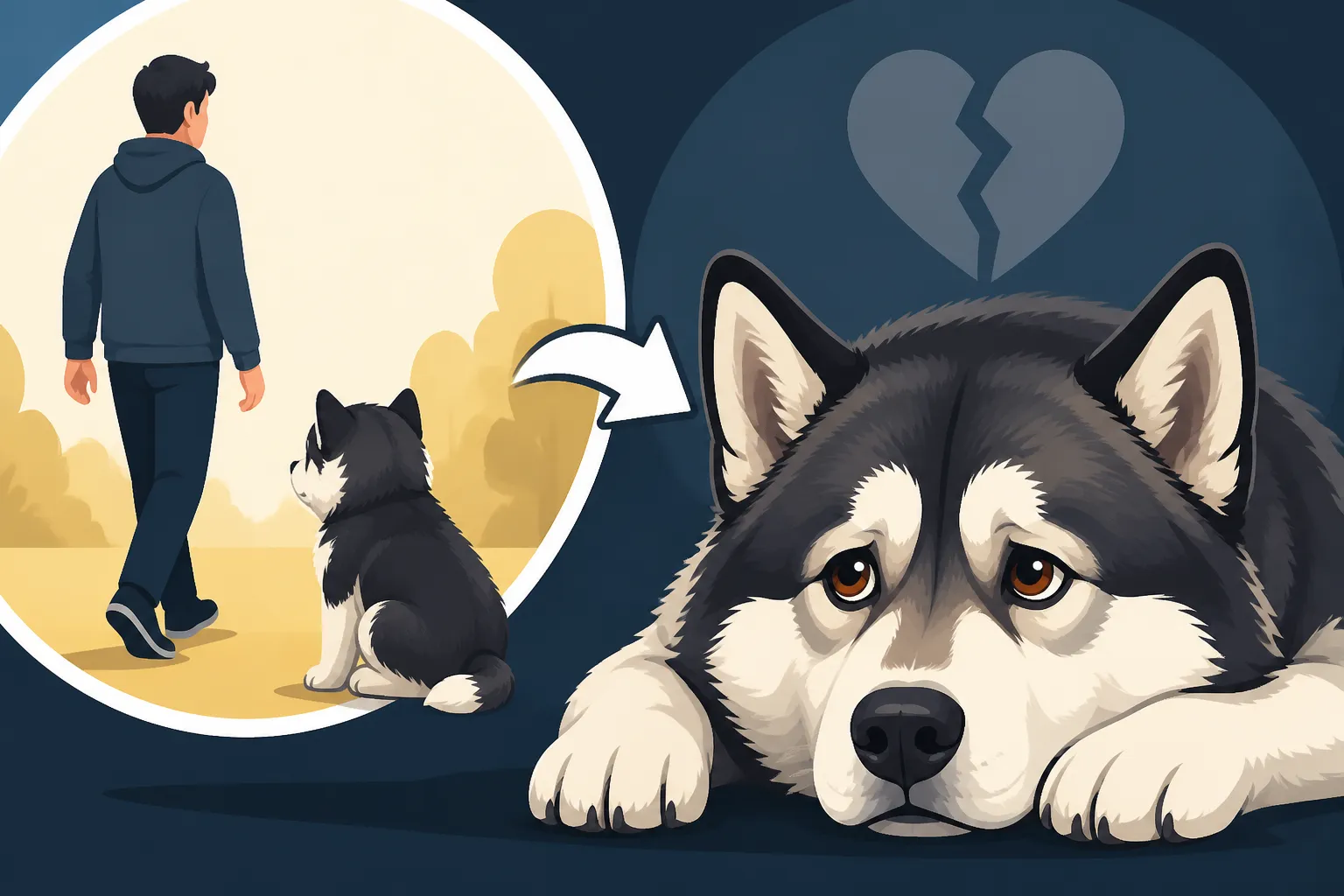
The Age at Which Most Malamutes Are Given Up
It's a heartbreaking reality that many Alaskan Malamutes, magnificent dogs though they are, often find themselves adrift and in need of a new home at a particularly vulnerable stage of their lives. We see so many dedicated rescue organizations working tirelessly to place these dogs, and more often than not, the dogs arriving at their doors are not puppies or frail seniors, but vibrant, challenging adolescents and young adults. This guide aims to shine a light on why this happens, at what age these surrenders peak, and more importantly, how potential owners can proactively prevent becoming part of this unfortunate statistic.
The Heartbreaking Reality: Malamutes in Rescue
The sheer number of Alaskan Malamutes entering rescue systems is a testament to the breed's unique demands and the common misconceptions surrounding them. It’s a situation that weighs heavily on the hearts of anyone who loves these dogs, seeing them displaced through no fault of their own, simply because their human companions weren't adequately prepared for the journey.
The Statistics Don't Lie: Peak Surrender Ages
If you speak to any seasoned Malamute rescue volunteer, they'll tell you the same thing: the vast majority of dogs they take in are between 12 and 24 months old, sometimes stretching to three years. This isn't just an anecdotal observation; it's a pattern seen across the country. Think about it: a Malamute puppy is undeniably adorable, a fluffy bundle of joy that charms everyone it meets. But fast forward a year or two, and that bundle has transformed into a powerful, intelligent, and often headstrong young adult weighing 70-100 pounds or more.
This age range, roughly from adolescence to young adulthood, is when the true Malamute personality fully blossoms. The innate drives and instincts that were cute or manageable in a small puppy suddenly become formidable challenges. Their physical strength develops, their mental independence asserts itself, and any lack of consistent training or appropriate outlets becomes glaringly obvious. It's the point where a family, unprepared for the reality of living with such a magnificent and demanding breed, often reaches their breaking point. The little furball that slept on their lap now demands hours of purposeful exercise, often refuses to come when called, and might be redesigning the backyard with impressive excavation projects.
Why Rescues Screen So Hard
Given the common age of surrender, it's no wonder that Alaskan Malamute rescues have some of the most rigorous screening processes for potential adopters. They're not trying to be difficult; they're trying to break a heartbreaking cycle. Every dog that comes into rescue requires significant resources—veterinary care, food, training, fostering, and often, rehabilitation from past trauma or neglect. When a dog is returned, it’s not just a blow to the rescue organization's finances and resources; it’s another emotional setback for a dog that has already experienced instability.
Rescues delve deep into an applicant's living situation, experience with large breeds, understanding of Malamute traits, financial stability, and long-term commitment. They want to know about your fence height, your work schedule, your willingness to commit to ongoing training, and your family dynamic. They're trying to predict if you're prepared for the 10-14 year commitment that an Alaskan Malamute demands, especially through those challenging adolescent years. It’s a tough love approach, but it’s born from experience and a deep desire to find these dogs their forever homes. They've seen too many promising adoptions fall apart when the cute puppy phase ends and the real work begins.
Understanding the "Adolescent Wall" (12-24 Months)
The period between 12 and 24 months, sometimes extending even to 30 months for some individuals, is often referred to as the "adolescent wall" for many large breeds, and it's particularly pronounced in Alaskan Malamutes. This isn't just a phase; it's when their inherent genetic blueprint kicks into high gear, and owners who haven't done their homework are often blindsided.
The Onset of True Malamute Independence
That adorable, somewhat biddable puppy often transitions into a headstrong, independent, and incredibly intelligent adolescent around its first birthday. Suddenly, the cues they once responded to seem optional, and their own agenda takes precedence. This isn't malice; it's just pure Malamute. They were bred to make their own decisions in harsh Arctic environments, often leading a team or finding their way back to camp. That deep-seated independence means they'll constantly test boundaries, not out of defiance, but out of an inherent drive to determine what they can get away with. It's the period where The Adolescent Malamute That Rewrites the Rules at Fourteen Months becomes a living, breathing reality in your home.
Imagine a scenario: your Malamute, let's call him Kodi, was a superstar in puppy class. He'd sit, stay, and come (mostly) when called. Now, at 18 months, you call him, and he looks at you, assesses the situation, perhaps glances at a squirrel, and then decides if your request is worth his time. His strength and size make pulling on the leash feel like dragging an anchor, and his newfound confidence means he's more likely to explore the limits of his surroundings, or your patience. This shift can be incredibly frustrating for owners who expected their dog to remain that eager-to-please puppy forever.
Physical Maturity and Unmet Needs
At this critical age, Malamutes reach their near-adult size and strength. A well-grown male can easily weigh 85-100 pounds of solid muscle, and females aren't far behind. This physical prowess, combined with their ingrained need for activity, means that a simple walk around the block isn't going to cut it anymore. Owners who previously managed with shorter bursts of activity suddenly find their dogs have boundless energy that, if not channeled appropriately, will manifest in destructive ways.
Their heritage as freighting dogs means they need to work, to pull, to move. If they're not given outlets like pulling a sled, canicross, or hiking for miles, that energy doesn't just dissipate; it finds its own expression. This might be digging impressive craters in your lawn – a behavior deeply ingrained in the breed – or redecorating your furniture with their powerful jaws. Understanding How Much Exercise an Alaskan Malamute Needs is crucial, and it's far more than many casual dog owners anticipate. Without a proper "job" and ample physical and mental stimulation, these strong, intelligent dogs will absolutely invent their own activities, and you might not like their choices.
The Common Reasons for Surrender at This Age
The reasons Malamutes are surrendered at 12-24 months are not isolated incidents but rather common threads that weave through the breed's nature and the unpreparedness of many owners. These are often rooted in the Malamute's ancient instincts clashing with modern suburban life.
Destructive Behavior and Lack of Management
When a large, intelligent, and bored Malamute is left to its own devices, chaos often ensues. What starts as innocent puppy chewing escalates into serious destruction when their adult teeth are fully in and their need for mental stimulation is unmet. They might chew through drywall, furniture legs, door frames, or even rip up flooring. What a Malamute Destroys Before It Turns Two is not an exaggeration; their powerful jaws are designed for serious work.
Digging is another instinctual behavior that surfaces with full force during adolescence. Malamutes were bred to dig for dens, for prey, and to create cool resting spots. So, when they start turning your manicured lawn into a moonscape, they're not being malicious; they're just being Malamutes. Trying to curb this without offering an appropriate outlet, like a designated digging pit, often leads to frustration for both dog and owner. The financial cost of repairing a yard or replacing damaged household items can quickly add up, turning an adored pet into a perceived burden.
Prey Drive and "Unreliable Recall"
One of the most persistent and dangerous reasons for surrender is the Malamute's formidable prey drive and its impact on their recall. These dogs were historically used to hunt large game, including bears, and to bring down seals. That instinct is hardwired. A Malamute Was Bred to Hunt Bears and It Has Not Forgotten, and it will apply that instinct to squirrels, rabbits, neighborhood cats, and even smaller dogs.
An "unreliable recall" isn't just a quirky trait; it's a serious safety concern. Many owners mistakenly believe that because their Malamute puppy came when called in the backyard, it will do the same in an open park. The reality is starkly different. Once a Malamute locks onto a scent or a movement, its focus is absolute, and coming back to you becomes a distant second priority. This is why Why an Alaskan Malamute Will Never Have a Reliable Recall is a phrase you'll hear from experienced owners. An unleashed Malamute is a potential disaster waiting to happen, posing a threat to local wildlife, other pets, and even itself if it bolts into traffic. The fear of their dog getting lost, injured, or causing harm often leads owners to surrender them.
Dog Aggression and Social Challenges
Another significant hurdle that emerges during the adolescent period is same-sex aggression. Alaskan Malamutes are pack animals, but historically, packs were carefully managed working units where aggression between same-sex individuals was often resolved through dominance, sometimes violently. In a modern home, this can be incredibly challenging. Same Sex Aggression in a Pack Bred Alaskan Malamute is a well-documented trait, particularly between two males or two females in the same household.
Owners might find their previously amicable dogs suddenly engaging in serious fights, often with little warning. This can create an unbearable, stressful environment in a multi-dog home. Introducing a Malamute to other dogs at a dog park can also become problematic if aggression issues arise, putting other dogs at risk. What many owners perceive as "bad behavior" is often an inherited characteristic, deeply rooted in the breed's history, which requires expert management, potential behavior modification, and sometimes, the difficult decision to house dogs separately or rehome one. This is why many rescues advocate for Malamutes to be the only dog, or at least to be paired with a well-matched, opposite-sex companion.
Financial Strain: The Hidden Cost of a Growing Malamute
While the behavioral challenges are often the most cited reasons for surrender, the financial strain of owning a large, active breed like an Alaskan Malamute can be an equally significant, and often unexpected, factor, especially as they grow from puppyhood into demanding young adults.
Unexpected Vet Bills and Health Concerns
Many new Malamute owners are aware that large dogs can have higher routine vet costs, from vaccinations to flea and heartworm prevention. However, the potential for unexpected medical expenses as a Malamute matures can be a huge shock. For instance, specific health issues can crop up in young adulthood that require extensive diagnosis and treatment. Zinc Responsive Dermatosis in an Alaskan Malamute is one such condition, often requiring lifelong supplementation that can be costly. Symptoms, like skin crusts and hair loss, might first appear around the age of one or two, leading to vet visits, blood tests, and specialized diets or supplements.
Then there's the possibility of Inherited Polyneuropathy and the Malamute That Stumbles at a Year. This neurological condition, which can cause weakness, an altered gait, and even breathing difficulties, often manifests in Malamutes around their first birthday. Diagnosing such complex conditions can involve multiple specialist visits, nerve biopsies, and MRI scans, quickly accumulating into thousands of dollars in bills. Even with good intentions, an owner without a substantial emergency fund or pet insurance might find themselves overwhelmed. Products from companies like Healthy Paws can offer a lifeline, helping to cover unexpected accidents and illnesses, but these need to be in place before a diagnosis.
Feeding a Growing Appetite and Activity Needs
While Alaskan Malamutes are renowned for their efficient metabolisms, meaning they often eat less than you'd expect for their size, their adult food consumption still represents a significant ongoing cost. An adolescent Malamute, burning energy as it grows and explores, requires high-quality nutrition to support its development and activity levels. If your Malamute is actively engaged in pulling or other strenuous work, their caloric needs will climb even higher. Feeding an Alaskan Malamute That Works Two Days a Week will illustrate that an active freighting dog has different dietary requirements than a pet Malamute, often necessitating performance formulas or additional calorie-dense supplements.
Owners might initially opt for budget-friendly kibble, only to find their Malamute experiences skin issues, poor coat quality, or simply doesn't thrive. Switching to higher-quality kibble, raw diets, or fresh food options like those offered by Ollie can significantly increase the monthly food bill. While superior nutrition is an investment in their health, it's an expense many owners underestimate. Many owners turn to online retailers like Chewy for convenience and competitive pricing on large bags of premium food, but even then, the cost is substantial over a dog's lifespan.
Training, Fencing, and Enrichment Costs
Beyond food and vet care, the true cost of Malamute ownership includes ongoing training, secure containment, and enrichment. An adolescent Malamute testing boundaries often benefits immensely from professional guidance. Group classes, private training sessions, or even consultations with a behaviorist to address issues like leash reactivity or same-sex aggression can cost hundreds, if not thousands, of dollars. This is a crucial investment, but one that many budgets don't account for.
Then there’s the fencing. Malamutes are notorious escape artists and master diggers. A standard picket fence or chain link fence often won't suffice. You'll likely need a six-foot fence, potentially with "L" footings or concrete buried deeply to prevent digging out. Fencing a Yard Against a Malamute That Was Bred to Dig is a topic that highlights the significant investment required to keep these dogs safely contained. A kennel run with a roof is sometimes necessary, and even then, these dogs can be incredibly resourceful. Add to this the cost of enrichment toys, durable chew items, harnesses for pulling activities, and cooling equipment for warmer months, and the total financial picture becomes daunting. Without this upfront and ongoing investment, owners often face the inevitable behavioral issues that lead to surrender.
Preventing the Surrender: Preparing for the Long Haul
The good news is that these heartbreaking surrenders are largely preventable with careful preparation, realistic expectations, and unwavering commitment. It truly comes down to understanding the breed before you bring one home.
Research Before You Adopt: Know the Breed
This might sound obvious, but it’s the single most crucial step. Don't just fall in love with the majestic looks; understand the entire package. Read books, talk to Malamute owners, volunteers at rescue organizations, and reputable breeders. Spend time with adult Malamutes if you can. Research their history, temperament, exercise needs, and common challenges. Ask yourself: "Can I truly meet these needs for the next 10-14 years?" This means understanding things like What Alaskan Malamute Owners Wish They Had Known before they got their first one.
A thorough understanding includes acknowledging their deep-seated prey drive, their need for leadership, their tendency to dig, and their vocal, "woo-woo" communication style. Are you prepared for a dog that needs to be on a leash almost all the time? Are you ready for a dog that will attempt to rearrange your landscaping? Are you able to provide consistent training and boundaries every single day? These aren't minor quirks; they are fundamental aspects of living with an Alaskan Malamute. It's about being honest with yourself about your lifestyle, your home environment, and your commitment level.
Early Training and Consistent Boundaries
From the moment you bring your Malamute puppy home, consistent, positive reinforcement training must begin and continue through adolescence and beyond. Early socialization is vital, exposing your puppy to a variety of sights, sounds, people, and appropriate dogs in a positive manner. However, it's equally important to understand that Malamutes respond best to leadership based on trust and respect, not force or intimidation. As Why Force Fails on an Alaskan Malamute highlights, these independent thinkers will shut down or become more resistant if handled harshly.
Consistency is your superpower. Every family member needs to be on the same page regarding rules, commands, and expectations. If one person allows something and another forbids it, your intelligent Malamute will quickly learn who to "listen" to (or ignore). Investing time in impulse control exercises, structured walks, and mental games will pay dividends when your Malamute hits that adolescent phase. This also means teaching them appropriate outlets for their natural drives – a designated digging pit, robust chew toys, and harness work can prevent destructive behaviors from ever starting or escalating.
Budgeting for the Entire Lifespan
Financial planning for a Malamute isn't just about the initial purchase price or adoption fee; it's about projecting the costs over their entire lifespan. What Twelve Years With an Alaskan Malamute Comes To is a substantial figure, encompassing everything from high-quality food, routine vet care, and preventative medications to unexpected emergencies, training, grooming, and durable equipment. Consider setting up a dedicated "Malamute fund" or investing in pet insurance from a reputable provider like Healthy Paws as early as possible. This can soften the blow of unforeseen medical expenses.
Think about the long-term. Can you afford a significant increase in your electricity bill during summer months to keep your Malamute cool? Do you have the resources for professional grooming during their intense coat blows? What about the cost of a dog walker or pet sitter if your schedule changes? These are not trivial expenses for a large breed. By creating a realistic budget and sticking to it, you ensure that financial pressures don't become a reason to consider surrender down the road. Owning a Malamute is a long-term commitment, both emotionally and financially, and preparing for both aspects is key to a successful partnership.
| Reason for Surrender (Typical at 12-24 Months) | Underlying Malamute Trait / Challenge | Preventive Measures for Owners |
|---|---|---|
| Destructive Chewing/Digging | High energy, boredom, instinctual drive | Provide ample exercise, mental stimulation (puzzles), designated digging pit, durable chew toys, crate training, consistent supervision. |
| Unreliable Recall/Escaping | Strong prey drive, independence, wanderlust | Never trust off-leash in unsecured areas, use a long line for controlled exploration, secure six-foot fencing (with dig guards), microchip, GPS tracking collar, professional training for management. |
| Dog Aggression (Same-Sex) | Pack instinct, dominance, selective socialization | Careful consideration of household dynamics (often best as only dog or with opposite sex), expert socialization as a puppy, early neutering/spaying (discuss with vet), professional behaviorist guidance. |
| Unmanageable Strength/Leash Pulling | Freighting instinct, large size | Start leash training early, use a no-pull harness, consistent positive reinforcement, engage in pulling sports (canicross, weight pull) as an outlet for their drive. |
| High Exercise Needs | Bred for endurance and work | Daily vigorous exercise (2+ hours), structured walks, hiking, pulling activities, mental enrichment through training and puzzles, access to secure outdoor space. |
| Unexpected Vet Bills | Potential for inherited health issues | Research breed-specific health issues, choose a reputable breeder who health tests, purchase pet insurance early, maintain a robust emergency savings fund for unexpected costs. |
| Cost of Food/Supplies | Large size, specific dietary needs | Budget for high-quality food, consider subscription services like Chewy or premium brands like Ollie, factor in supplements (e.g., zinc for Zinc Is the Thread Running Through Three Malamute Diseases). |
Disclaimer
This article is for general informational purposes only and does not constitute professional advice. Laws, prices and regulations vary by location and change over time. Consult a qualified professional for guidance on your specific situation.