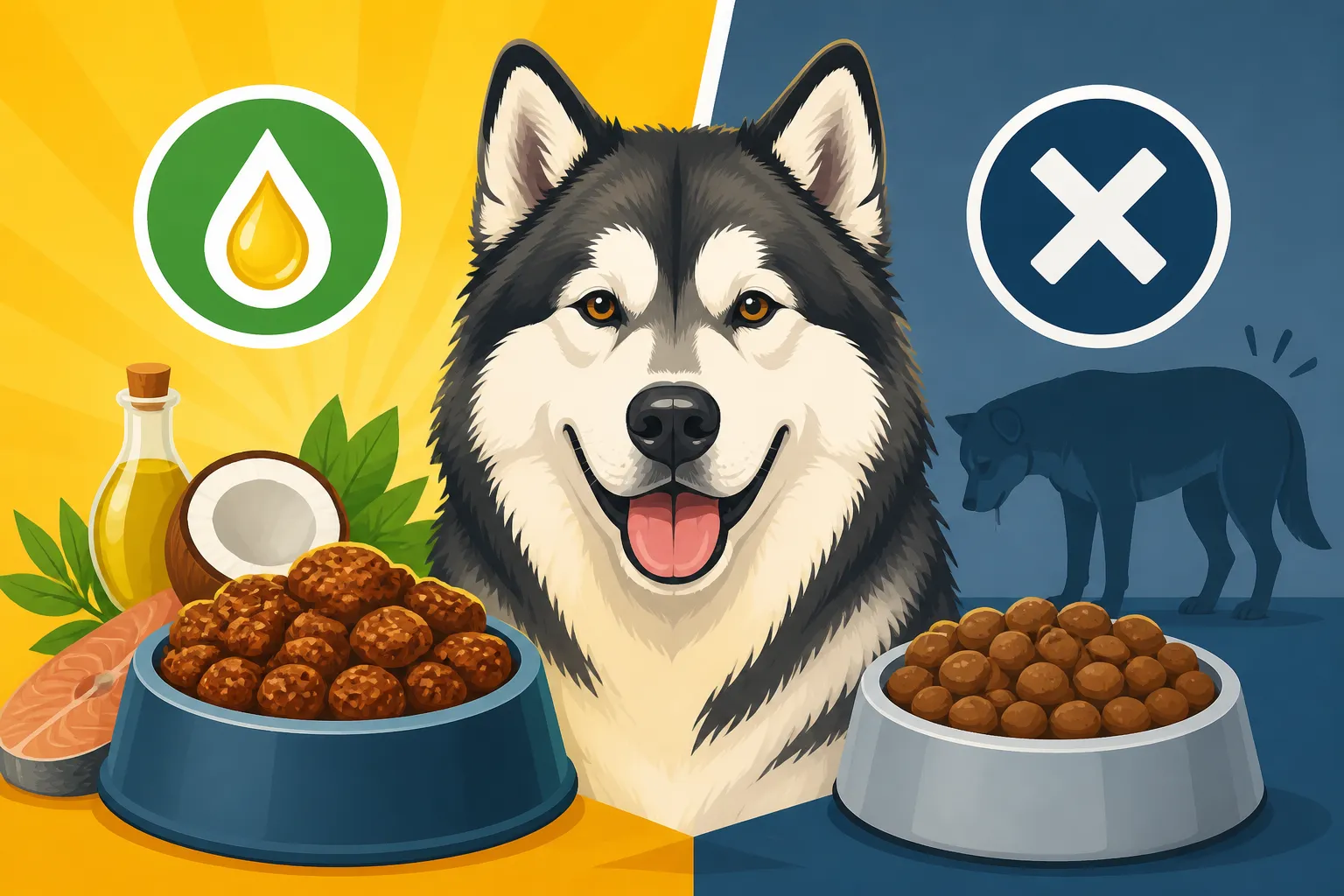
Whether a High Fat Kibble Is Worth It for a Malamute
Navigating the world of dog nutrition can feel like a minefield, especially when you're trying to figure out the best diet for a breed as unique as the Alaskan Malamute. Many owners wonder if a high-fat kibble is truly beneficial, or if it's just a recipe for a chunky, unhealthy dog. This guide will cut through the confusion, helping you understand your Malamute's distinct dietary requirements and whether a high-fat diet aligns with their lifestyle.
Understanding Your Malamute's Unique Metabolism and Energy Needs
When we talk about the Alaskan Malamute, we're not just talking about any dog; we're talking about a magnificent working animal, bred over centuries for incredible feats of endurance in harsh, cold environments. Their bodies are finely tuned machines, but that tuning isn't necessarily for a sedentary suburban life.
The Alaskan Malamute's Ancestral Diet and Physiology
Imagine your Malamute's ancestors, the dogs of the Mahlemut people of Alaska. These dogs weren't sitting on sofas; they were hauling heavy freight, often over long distances, in sub-zero temperatures. Their diet, when available, would have been rich in protein and fat from hunting and fishing, rather than carbohydrates. This history has shaped their physiology significantly. They developed an incredibly efficient metabolism, one that allows them to extract maximum energy from what they eat and conserve it when resources are scarce. This means they often require less food than their impressive size might suggest, a fact that surprises many new owners. It's a key reason why understanding The Efficient Metabolism That Surprises Every New Malamute Owner is so crucial. They are masters of fuel efficiency, and this has profound implications for their modern diet.
This genetic predisposition means that a Malamute's body is exceptionally good at utilizing fat for sustained energy, converting it slowly and steadily to power their muscles without the quick highs and crashes that can come from carbohydrate-heavy diets. Their thick double coat also contributes to their efficient energy use, providing insulation that reduces the caloric output needed to stay warm. This is a stark contrast to many other breeds who burn through calories at a much faster rate, even at rest. It's not just about what they can eat, but what their bodies are designed to thrive on under specific conditions.
The Difference Between a Working Malamute and a Pet Malamute's Energy Demands
Here's where the "high-fat kibble" question gets really interesting, and frankly, complicated. The Malamute who is actively pulling a sled or participating in regular weight pull competitions has vastly different energy requirements than the Malamute who enjoys leisurely walks around the block and spends most of its day napping. A working Malamute, expending significant energy in cold weather, will benefit immensely from a high-fat diet. Fat provides dense, sustained calories that are essential for endurance, keeping them going without quickly burning out. For these dogs, a high-fat kibble isn't just "worth it"—it's often necessary.
However, a pet Malamute, particularly one living in a warmer climate or with a more sedate routine, might find a high-fat diet to be too much. Their efficient metabolism means they can gain weight very easily on a diet that is too rich for their activity level. Keeping an Alaskan Malamute at a Working Weight requires careful management, and for many companion Malamutes, a diet tailored for high-intensity work can quickly lead to an overweight dog. An overweight Malamute faces a host of health problems, from joint issues to increased risk of overheating, especially in warmer weather. This is why it's vital to differentiate between feeding a working dog and a pet. You can't just apply a blanket rule for the breed; you need to consider the individual.
The Role of Fat in an Alaskan Malamute's Diet
Fat often gets a bad rap in human diets, but for dogs, and especially for a breed like the Alaskan Malamute, it's an indispensable nutrient, playing several critical roles beyond just providing calories.
Why Fat is a Crucial Energy Source for Malamutes
For a dog like the Malamute, particularly one engaged in consistent, strenuous activity, fat is king. It's the most concentrated source of energy, delivering more than twice the calories per gram compared to protein or carbohydrates. This is incredibly important for endurance work, where dogs need a steady, long-burning fuel source. Think of it like a marathon runner needing slow-release energy rather than a sugar rush. Fat provides that sustained release, preventing muscle fatigue and helping maintain peak performance over extended periods. In colder environments, this caloric density also helps maintain body temperature, which is why How Many Pounds of Food a Malamute Eats in Winter might include richer options.
Beyond pure energy, dietary fats, especially essential fatty acids like Omega-3s and Omega-6s, are crucial for a Malamute's overall health. These fats are vital for maintaining their magnificent double coat, keeping it healthy, shiny, and waterproof, which is essential for insulation. They also play a significant role in skin health, reducing dryness and irritation. Furthermore, fats aid in the absorption of fat-soluble vitamins (A, D, E, K), support cellular function, and contribute to healthy brain and nerve development. A Malamute deprived of adequate healthy fats might show signs of a dull coat, flaky skin, or even a lack of endurance during activity.
Potential Downsides of Excessive Fat for Sedentary Malamutes
While fat is incredibly beneficial for active Malamutes, it can be a double-edged sword for those with a more relaxed lifestyle. Their efficient metabolism means that excess calories, particularly from fat, are readily stored as body fat. This can quickly lead to an overweight or obese dog, which is a common problem for Malamutes that aren't working. Obesity in Malamutes is not just about aesthetics; it carries significant health risks. It puts undue strain on their joints, already susceptible to issues like hip dysplasia, and can exacerbate conditions like arthritis. An overweight Malamute is also at a much higher risk of overheating, especially given their dense coats, and Whether an Overweight Malamute Overheats Faster is a serious concern.
Furthermore, a diet consistently too high in fat for a low-activity Malamute can potentially contribute to other health issues. While less common, some dogs can develop pancreatitis, an inflammation of the pancreas, from sudden large intakes of fat or a chronically high-fat diet. It can also lead to digestive upset, causing diarrhea or vomiting, as their system struggles to process the rich food. The key is balance: enough fat to thrive, but not so much that it causes health problems. For pet Malamutes, a moderate fat content that provides good nutrition without excessive calories is often the better choice. It's about finding the right balance for your dog's specific energy output.
Deciding if High-Fat Kibble is Right for Your Malamute
Making the right dietary choice for your Malamute isn't a one-size-fits-all decision. It requires a thoughtful assessment of their individual circumstances.
Factors to Consider: Activity Level, Age, Health Conditions, and Climate
The first, and arguably most important, factor is your Malamute's activity level. A Malamute training for weight pull or pulling a sled daily will burn a tremendous amount of calories and will thrive on a high-fat, performance-oriented kibble. This type of diet provides the necessary fuel for sustained effort. Contrast this with a Malamute who gets an hour or two of walking each day – for them, a high-fat kibble is likely to result in unwanted weight gain. You'll need to closely monitor their body condition; How to Spot a Heavy Malamute Under Its Coat can be tricky given their thick fur, so regular hands-on checks are essential.
Next, consider your Malamute's age. Puppies and growing adolescents have different nutritional needs than mature adults or seniors. While growing, they need a balanced diet that supports healthy, steady growth, but not necessarily extreme fat levels that could contribute to rapid, unhealthy bone development. Older Malamutes, especially those slowing down, might require fewer calories and a more moderate fat content to prevent weight gain, while still supporting joint health and muscle mass. Health conditions, such as existing joint issues, digestive sensitivities, or metabolic disorders, also play a huge role. For instance, a dog with a history of pancreatitis would absolutely need a low-fat diet. Finally, climate is a consideration; a Malamute living in a consistently cold environment naturally burns more calories to stay warm, making a higher-fat diet more appropriate than for one living in a warmer climate where they're trying to stay cool.
How to Introduce and Monitor a New Diet
If you decide to switch your Malamute to a different kibble, whether higher or lower in fat, a gradual transition is absolutely key to avoid digestive upset. Start by mixing about 25% of the new food with 75% of the old food for a few days. If your Malamute shows no signs of tummy trouble (like diarrhea or vomiting), you can gradually increase the new food's proportion over the course of a week to ten days, eventually feeding 100% new food. Rushing this process is a common mistake that can lead to discomfort for your dog and a messy cleanup for you.
Once on the new diet, vigilance is crucial. Monitor your Malamute's energy levels, coat condition, stool quality, and most importantly, their weight. Are they maintaining a healthy weight, or are they starting to look a bit rounder? Are they showing good muscle tone? Adjust portion sizes as needed, and remember that How Much an Adult Alaskan Malamute Should Eat is a guideline, not an absolute rule; every dog is an individual. A high-quality kibble from a brand found on Chewy will typically provide feeding recommendations, but these need to be customized to your dog. Don't be afraid to tweak the amount up or down by 10-20% based on what you observe.
Consulting Your Veterinarian and Reputable Food Brands
When in doubt about dietary changes, your veterinarian is your best resource. They can assess your Malamute's overall health, discuss their specific activity level, and recommend appropriate food types or brands. They can also advise on any underlying health conditions that might influence dietary choices. For example, if your Malamute has a history of zinc-responsive dermatosis, your vet might recommend specific dietary considerations beyond just fat content, or even certain supplements.
Many reputable dog food manufacturers also offer nutritional consultation services, often through their websites or customer service lines. Brands that specialize in performance or working dog formulas are particularly good at advising on the fat-protein balance needed for active breeds. Look for kibble that uses high-quality ingredients, with clearly named animal protein sources as the first few ingredients. While we're talking about kibble, it's worth noting that some owners explore other options, including fresh food services like Ollie, to fine-tune their dog's nutrition. Remember, an informed decision, often made in partnership with your vet, is always the best decision for your Malamute's health.
Alternative Dietary Approaches and Supplements
While high-fat kibble is a focus, it's part of a broader nutritional picture. Exploring other aspects of diet can further optimize your Malamute's health and performance.
Balancing Macronutrients for Optimal Malamute Health
Beyond just fat, a Malamute's diet needs a careful balance of all macronutrients: protein, fat, and carbohydrates. Protein is essential for muscle maintenance and repair, crucial for such a powerful breed. Look for diets with high-quality animal protein sources. Carbohydrates provide quick energy, but for a Malamute, they should generally be in moderate amounts, favoring complex carbs over simple sugars. The exact ratio will depend on your dog's activity. A working Malamute might thrive on a blend of higher protein and high fat, with moderate carbs, while a pet Malamute might do well on a more balanced, moderate approach to all three. It's about providing nutrient-dense food that fuels their specific needs.
Remember that while fat is energy-dense, a lack of adequate protein can lead to muscle wasting over time, especially in active dogs. Similarly, too many "empty" carbohydrates can contribute to unnecessary weight gain without providing sustained energy. Many commercial kibbles aim for a balanced profile, but understanding your Malamute's needs can help you select the right balance within that range. Some owners even consider feeding raw or fresh diets, though this comes with its own set of challenges and considerations regarding nutrient completeness and safety.
When to Consider Whether a Working Malamute Needs a Performance Formula
For those Malamutes genuinely engaged in consistent, high-energy activities like sledding, skijoring, or weight pulling, a dedicated performance formula kibble is often the most appropriate choice. These formulas are specifically designed to meet the extreme caloric and nutrient demands of working dogs. They typically feature higher protein levels to support muscle mass and recovery, and significantly higher fat content for sustained energy and cold weather insulation. Whether a Working Malamute Needs a Performance Formula isn't just about calorie count; it's about the bioavailability of those nutrients and the ratios designed to optimize athletic output and recovery.
These performance formulas are a far cry from maintenance kibbles for pet dogs. They are formulated to prevent the dog from "bonking" during long hauls, provide quick recovery after intense sessions, and maintain optimal body condition in demanding environments. If your Malamute is regularly putting in serious work, particularly in winter, such a formula can make a world of difference in their endurance, stamina, and overall well-being. However, if that same kibble is fed to a less active Malamute, you'll quickly find yourself dealing with an overweight dog.
| Malamute Activity Level | Recommended Fat Percentage (Dry Matter Basis) | General Considerations |
|---|---|---|
| Highly Active / Working | 20-30% | Essential for endurance, muscle recovery, and warmth in cold. Monitor for weight gain if activity drops. |
| Moderately Active | 15-20% | Good for regular exercise like long walks/hikes. Balances energy needs with weight management. |
| Sedentary / Senior | 10-15% | Helps prevent obesity and reduce strain on joints. Lower caloric intake required. |
| Growing Puppy | 15-25% (depending on specific formula) | Supports healthy, steady growth without promoting too-rapid development. |
The Importance of Water and Hydration
No matter what kind of kibble you choose, the importance of fresh, clean water cannot be overstated for an Alaskan Malamute. This is especially true if you opt for a higher-fat diet, as metabolism and digestion require ample hydration. Working dogs, in particular, can become dehydrated quickly during strenuous activity, and even pet Malamutes need constant access to water. Their dense coats and tendency to overheat in warm weather make hydration even more critical.
Ensure water bowls are always full and clean, and consider having multiple water stations around your home and yard. For working Malamutes or those on long hikes, carrying portable water and a travel bowl is non-negotiable. Dehydration can lead to serious health issues, affecting everything from organ function to their ability to regulate body temperature. It can also make them feel lethargic and reduce their appetite. Proper hydration supports every bodily process, from nutrient absorption to waste elimination, ensuring your Malamute gets the most out of their diet, whatever its fat content. And if an unsuitable diet leads to health issues, those vet bills can really add up – something worth considering if you're looking at pet insurance providers like Healthy Paws.
In conclusion, a high-fat kibble can be incredibly beneficial and even essential for an Alaskan Malamute that is truly a working dog, regularly expending high levels of energy in appropriate conditions. For these canine athletes, the caloric density and sustained energy release from fat are critical for performance and health. However, for the average companion Malamute, who might be enjoying a more relaxed pace of life, a high-fat diet can quickly lead to obesity and associated health problems. The key is to honestly assess your individual Malamute's lifestyle, activity level, age, and health. Partner with your veterinarian, observe your dog closely, and be prepared to adjust their diet as their needs change. A personalized approach, rather than a generic one, will always be the most rewarding for your majestic Malamute.
Disclaimer
This article is for general informational purposes only and does not constitute professional advice. Laws, prices and regulations vary by location and change over time. Consult a qualified professional for guidance on your specific situation.