Why a Malamute’s Recall Cannot Be Trusted
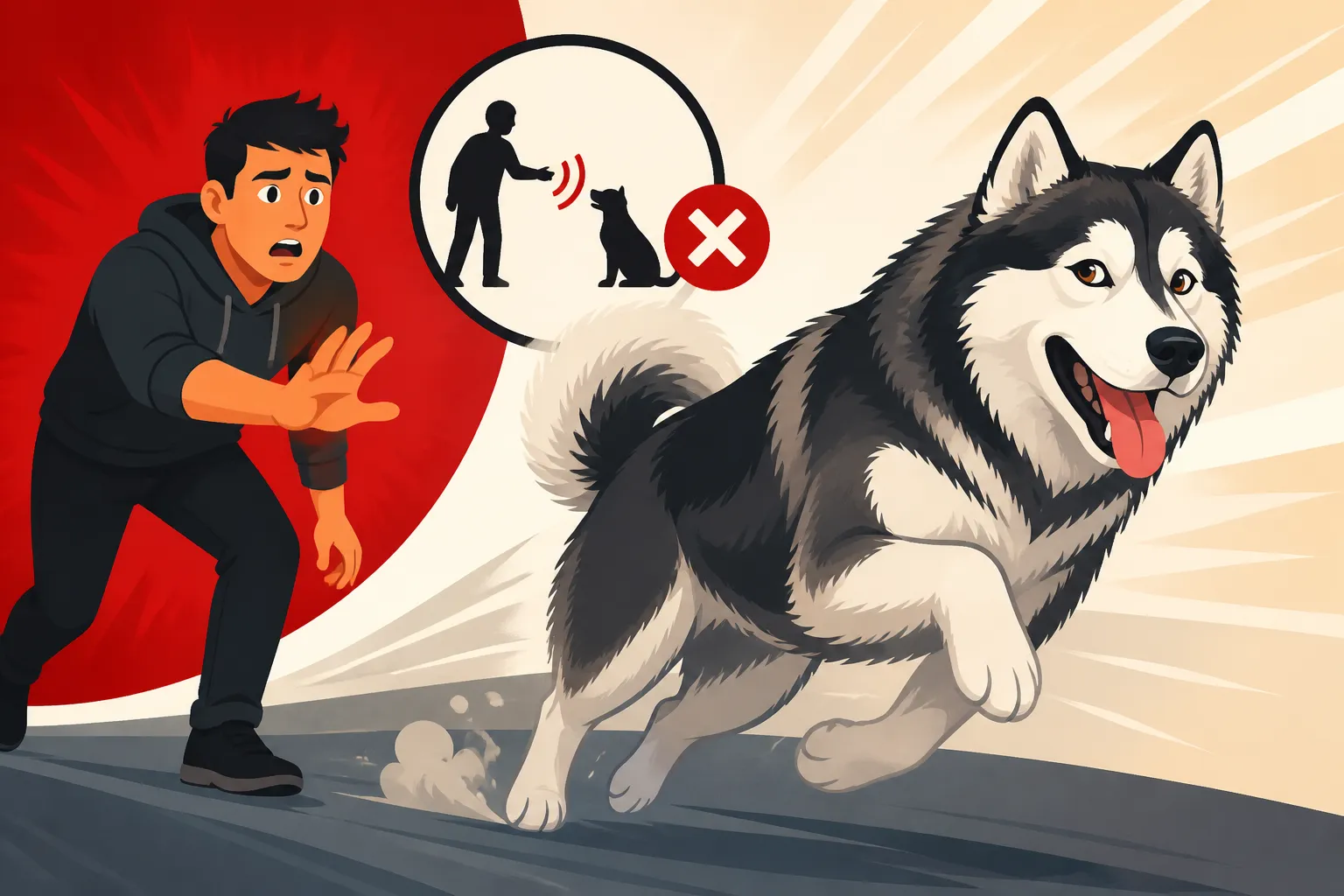
Many Alaskan Malamute owners share the frustrating experience of calling their beloved companion, only to be met with a casual glance over the shoulder before their dog saunters off in the opposite direction. It’s not just a minor annoyance; a poor recall can put your Malamute in serious danger and cause immense stress for you. This guide delves deep into the inherent traits of the Alaskan Malamute that make a truly reliable recall an almost mythical achievement, offering realistic insights and management strategies to keep them safe.
The Ancient Echo of the Hunt: Why Prey Drive Dominates
Alaskan Malamutes carry a strong genetic blueprint from their ancestors, who were indispensable partners to the Mahlemut people of the Arctic. These dogs weren't just pets; they were essential for survival, helping to hunt large game and find food. This deep-seated instinct, honed over centuries, is perhaps the biggest reason why a Malamute's recall often falters.
The Hunter Within: Historical Imperatives
Imagine living in a world where survival depended on your dog's ability to track and chase game. That’s the heritage of the Alaskan Malamute. They were bred to be powerful, independent hunters, capable of making their own decisions in vast, unforgiving landscapes. When a Malamute spots a squirrel darting across a field or catches the scent of a rabbit in the underbrush, it's not just a fleeting interest; it's a primal call to action that overrides almost everything else. Their minds are wired to pursue, not to politely return to a human who is likely offering something far less exciting than the thrill of the chase. This isn't disobedience in their eyes; it's fulfilling a deeply ingrained purpose. You might find more insight into their hunting heritage in How a Malamute Hunted Bears Alongside the Mahlemut.
It’s easy for us to forget just how deeply these instincts run. We bring them into our modern homes, expecting them to conform to our rules, but their brains are still processing the world through the lens of a hunter. That rustle in the bushes, that distant movement – these are not minor distractions but potent signals that demand immediate attention. Trying to train this out of a Malamute is often like trying to train a bird not to fly; you can modify it, but the fundamental drive remains. It's crucial for owners to understand this isn't a flaw in their individual dog, but a characteristic of the breed itself. Their very existence was intertwined with the hunt, a partnership of necessity that forged a powerful, self-reliant canine.
The Irresistible Lure of the Chase
For a Malamute, the sight or scent of a small, fast-moving creature is often an irresistible invitation to chase. This prey drive isn't something they can easily switch off, no matter how well-trained they might be in other areas. A squirrel, a rabbit, a cat, or even a blowing leaf can trigger that ancient urge. Their speed and determination, combined with their sheer power, mean that once they're off, they can cover a significant distance very quickly. This instinct can be so strong that it completely overshadows any training they've received, making your earnest calls fall on deaf ears. Why a Malamute Cannot Be Broken of Chasing explains this further.
This chase instinct makes off-leash excursions incredibly risky. Even if your Malamute has returned to you a hundred times before, the one time that perfect, tantalizing target appears, all bets are off. The satisfaction of the chase, even if it doesn't result in a catch, is a profound reward for them, often far outweighing the treat or praise you might offer. It's a self-reinforcing behavior that makes reliable recall in the face of such a strong motivator extremely difficult to achieve. For some Malamutes, this drive extends beyond small prey to other dogs or even people if they perceive them as "running targets," making careful management paramount. Understanding this innate drive is the first step toward responsible ownership.
The Independent Thinker: Malamute Intelligence and Motivation
Unlike many breeds that live to please their human companions, Alaskan Malamutes are independent thinkers. They are highly intelligent, but their intelligence is often geared towards problem-solving for their own benefit, not necessarily for yours. This makes traditional, repetition-based recall training a unique challenge.
Not Your Average Golden Retriever
When people think of a dog with a reliable recall, they often picture breeds like retrievers or collies, dogs specifically bred to work with humans and who derive immense satisfaction from cooperation. Malamutes, however, were bred to work alongside humans, often making independent decisions while pulling sleds or navigating difficult terrain. They weren't meant to constantly check in or seek approval. Their motivation is internal – what’s in it for them? This fundamental difference in breed purpose means their response to a "come" cue is often a cost-benefit analysis in their minds. If coming back seems less interesting or rewarding than what they're currently doing, they'll simply opt for the latter. Why Force Fails on an Alaskan Malamute delves into their independent nature.
This doesn't mean they're untrainable or stupid; quite the opposite. Malamutes are incredibly smart, often learning new commands quickly. The challenge lies in consistency and motivation. They might understand "come" perfectly well, but if there's a fascinating scent, a friend to play with, or just the joy of exploring, their independent spirit dictates that they prioritize their own interests. Their loyalty is deep, but it’s often expressed through companionship and partnership, not through unquestioning obedience. You’ll find they respond best to training that makes them feel like a participant, rather than just a follower, making it a collaborative effort rather than a hierarchical demand.
The Art of Selective Hearing
Any Malamute owner can attest to their dog's uncanny ability to develop "selective hearing." You call their name, you say "come," and they might twitch an ear, glance briefly in your direction, and then resume whatever captivating activity they were engaged in. It's not that they didn't hear you; it's that they weighed your request against their current interest and decided, for that moment, their interest was more compelling. This can be incredibly frustrating, especially when you've practiced recall in less distracting environments and they seemed to have it down perfectly.
This selective hearing isn't necessarily defiance; it's a reflection of their strong will and self-reliance. They often require a compelling reason to interrupt their own pursuits. For some Malamutes, this means the reward for coming back needs to be exceptionally high-value – a favorite treat, a specific toy, or a burst of excited praise and play. For others, it’s about timing and context. If you always call them back to end playtime, they quickly learn to associate the command with something negative, making them less likely to respond in the future. Building a positive association with recall, making it an enjoyable game rather than an interruption, is key, though still no guarantee in high-distraction scenarios.
A World of Irresistible Distractions: Why the Outdoors is Overwhelming
For an Alaskan Malamute, the great outdoors is a symphony of enticing stimuli. Their powerful noses, keen eyesight, and incredible hearing turn every walk into an adventure. This sensory overload makes it incredibly difficult for them to focus on their human when there's so much else calling for their attention.
Sights, Sounds, and Smells: A Sensory Feast
Imagine experiencing the world with a sense of smell that is thousands of times more potent than your own. That's a Malamute's reality. Every blade of grass, every tree, every patch of dirt tells a story, a complex narrative woven from countless scents. They can follow scent trails that are hours or even days old, piecing together who has been there, what they did, and where they went. When you call your Malamute, they might be deeply engrossed in reading this "scent-mail," a pursuit far more compelling than any verbal command you could offer.
Beyond scent, their excellent vision and hearing mean they're constantly processing movement and sounds from all directions. A distant bird, a person walking a block away, the rustle of leaves – these are all signals that demand investigation. For a Malamute, the world is not just a place to walk through; it's a vast, intricate tapestry of information waiting to be explored. Trying to get them to ignore this rich sensory input and return to you can feel like asking a human to ignore a captivating movie to watch a blank wall. It's simply not how their brains are wired to prioritize information. How Far a Loose Alaskan Malamute Travels highlights the danger of this sensory distraction.
The Call of Other Companions and Novelties
It's not just prey that can divert a Malamute's attention. Other dogs, new people, or even just novel objects in their environment can become incredibly strong motivators for exploration. Malamutes are generally friendly dogs, and the opportunity to interact with another canine or solicit attention from a stranger can be a huge pull. If they spot another dog across the park, their instinct is often to go investigate, to greet, or to play, especially if they haven't had sufficient socialization or exercise.
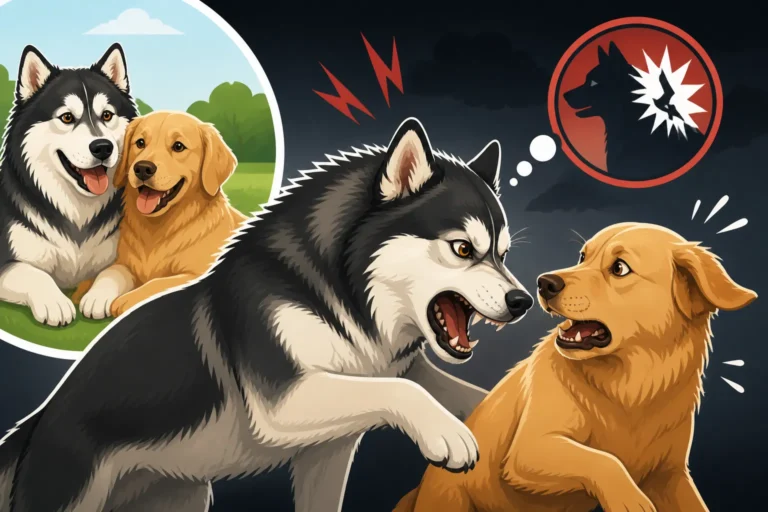
The sheer novelty of a new environment or an unexpected encounter can completely overshadow their training. They're curious, adventurous, and social (with humans and often other dogs, though same-sex aggression can be an issue, as discussed in Why Malamutes Fight Dogs of the Same Sex). This means that a casual stroll can quickly turn into a frantic search for your dog if they decide to go exploring or make a new friend. This isn't out of malice, but pure, unadulterated Malamute curiosity and independent spirit. It reinforces the need for constant vigilance and secure containment whenever they are outside.
Redefining "Come": What Recall Means to a Malamute
For us, "come" is a direct command, an immediate request for our dog's presence. For an Alaskan Malamute, the interpretation can be much more nuanced, filtered through their independent nature and strong desire to explore. It's rarely a simple, automatic response, and understanding this difference is crucial for effective management.
Their Interpretation of the Command
Many dogs interpret "come" as an absolute command, leading to an immediate return. For a Malamute, it might be more of a suggestion, or a signal that you've noticed something they might find interesting. They might pause, consider your tone, and then decide whether your offering is worth abandoning their current activity. If you’ve repeatedly called them when they were having fun, only to put them on a leash and go home, they quickly learn that "come" can mean the end of enjoyment. This negative association makes them less likely to respond enthusiastically.
This isn't to say they can't be trained, but rather that the training needs to be far more nuanced and consistently rewarding than with many other breeds. You have to make coming back the absolute best thing that could possibly happen to them in that moment. It's a constant battle to be the most exciting thing in their environment. If they perceive your "come" as an interruption or a prelude to something they don't enjoy, their natural instinct will be to ignore it or even actively avoid you. This makes the stakes incredibly high for every recall attempt; you really only get one shot to make it positive and irresistible.
The "Better Offer" Syndrome
The core of the Malamute recall challenge often boils down to the "better offer" syndrome. Whatever is currently captivating your Malamute – a scent, a chase, a new friend, or simply the vastness of an open field – almost always presents a more enticing proposition than returning to you. Your praise, your most delicious treat, or their favorite squeaky toy simply can't compete with the intrinsic rewards of following their instincts. This is especially true in stimulating outdoor environments where the world is just too interesting to ignore.
Consider it from their perspective: they're tracking a fascinating scent, unlocking secrets about the neighborhood. Suddenly, a distant human voice says "come!" What's the reward? A small piece of kibble they get every day? A pat on the head? Compare that to the rush of adrenaline from a chase or the intellectual satisfaction of following a complex trail. The balance is almost always tipped against your command. This is why strict management, rather than solely relying on recall, is so crucial for Malamute safety. You are constantly competing with the natural world, and more often than not, the natural world has better toys.
Realistic Expectations: Management Over Miracles
Given the Malamute's strong prey drive, independent nature, and susceptibility to environmental distractions, achieving a 100% reliable recall in all situations is an unrealistic, even dangerous, goal. The key to responsible Malamute ownership lies in understanding this limitation and implementing robust management strategies.
Leashes, Long Lines, and Secure Containment: Your Best Friends
For an Alaskan Malamute, a leash is not optional; it's a fundamental safety device. Whenever your Malamute is outside of a securely fenced area, they should be on a leash. This applies even if you're "just running to the car" or "just stepping outside for a moment." A momentary lapse can lead to a lifetime of regret. They are escape artists, and their curiosity combined with their speed means they can disappear in an instant. This also includes ensuring your yard is truly Malamute-proof, which often means tall, sturdy fences buried deep to prevent digging, as discussed in How Far Down a Malamute Will Dig.
Long lines can be an excellent tool for practicing recall in controlled, safe environments, like a large, empty field where you have visual confirmation of the perimeter. This allows them to experience a sense of freedom while still being physically connected to you. Products available on platforms like Amazon, such as a sturdy 30-foot or 50-foot long line, are essential for this type of training. Remember, even with a long line, vigilance is key, as they can still build up significant speed and force. A reliable harness, like a front-clip no-pull harness, can also provide better control than a flat collar, especially for a strong Malamute.
Training for Maximum Reliability (Within Limits)
While a 100% recall might be unattainable, you can and should still train for the highest possible level of reliability within their natural limitations. Consistency, high-value rewards, and making recall a positive, exciting game are crucial. Start recall training in low-distraction environments (e.g., inside your home or a quiet, fenced yard) and gradually increase the difficulty. Always use the highest value treats or toys they adore. Make coming back to you the most wonderful thing that could possibly happen. The First Year With an Alaskan Malamute Puppy provides a good foundation for early training.
Consider structured training programs, such as those offered by BAXTER & Bella, which emphasize positive reinforcement and building a strong relationship. These programs can help you understand how to motivate your Malamute and manage their unique traits, fostering a bond that makes them want to engage with you. Practice frequently, even when you don't need them to come back, so they associate the command with good things, not just the end of fun. However, always remember the caveat: once your Malamute is off-leash in an uncontrolled environment, no amount of training can guarantee their return if something more compelling captures their attention.
Understanding the Stakes: Why an Untrusted Recall is Dangerous
The consequences of an untrusted recall for an Alaskan Malamute can be severe, even fatal. Their strong prey drive means they could chase wildlife into traffic, or even attack another pet or livestock, leading to tragic outcomes and potential legal liabilities for you, as mentioned in Whether a Malamute Owner Faces Livestock Claims. Their independent nature and tendency to roam mean they can get lost quickly, especially if they follow a scent trail far from home. A GPS collar, easily found on Amazon, can offer some peace of mind, but it's a recovery tool, not a prevention tool.
Furthermore, a loose Malamute can pose a perceived threat to others, even if they are friendly. Their size and wolf-like appearance can be intimidating, leading to fearful reactions or even dangerous encounters. For their own safety and the safety of others, accepting that a Malamute's recall cannot be fully trusted is not a defeat; it is a responsible acknowledgement of their breed characteristics. Prioritizing secure containment and leash use whenever they are in an unfenced, uncontrolled environment is the hallmark of a wise Malamute owner. Why a GPS Collar Is Essential for a Malamute is a helpful resource.
Recall Reliability: Malamute vs. Other Breeds
| Characteristic | Alaskan Malamute | Typical "Biddable" Breed (e.g., Golden Retriever) |
|---|---|---|
| Primary Motivation | Self-gratification, instinct, exploration, play | Pleasing owner, cooperation, reward-seeking |
| Prey Drive | Extremely high; dominant instinct | Variable; can be high but often more manageable |
| Independence | High; makes own decisions, strong-willed | Low to moderate; seeks human direction |
| Distraction Tolerance | Low; easily engrossed in scents/sights/sounds | Moderate to high; can maintain focus on handler |
| Response to "Come" | Evaluates cost/benefit; often a suggestion | Usually immediate, eager return |
| Off-Leash Safety | High risk; requires constant vigilance/management | Generally safer with consistent training |
| Recommended Management | Leash, long line, secure fencing, GPS collar | Leash in uncontrolled areas; off-leash often possible with training |
Disclaimer
This article is for general informational purposes only and does not constitute professional advice. Laws, prices and regulations vary by location and change over time. Consult a qualified professional for guidance on your specific situation.