How Crate and Rotate Works With Two Malamutes
Dealing with two Alaskan Malamutes, especially if they’re of the same sex or have differing personalities, can sometimes feel like managing two strong-willed individuals in a very small apartment. It’s a challenge many Malamute owners face: how do you ensure peace and safety when your dogs don't always get along, or simply need their own space? This guide will walk you through the practical, day-to-day realities of implementing a "crate and rotate" system to manage multiple Malamutes, focusing on safety, harmony, and meeting each dog's unique needs.
Understanding the Need for Crate and Rotate
It might sound extreme, setting up a system where your dogs are rarely together, but for some multi-Malamute households, it's not just practical – it's absolutely essential for peace of mind and the safety of everyone involved. Malamutes are magnificent, powerful dogs, but their breed traits, particularly their historical function and social structure, can sometimes lead to friction in a modern home environment.
Why Malamutes Might Need This System
Alaskan Malamutes were bred to work in teams, often large teams, but they also possess a strong sense of independence and can be dominant. They are not always inherently tolerant of other dogs, especially once they reach social maturity. This isn't a flaw; it's a characteristic of their heritage. You might find that your two Malamutes, even if raised together, start to develop conflicts, particularly if they are of the same sex. Male Malamutes, in particular, can be prone to same-sex aggression as they mature, but it's certainly not limited to them. Why Malamutes Fight Dogs of the Same Sex is a reality many owners confront. These conflicts can stem from resource guarding (toys, food, prime sleeping spots, even your attention), territoriality, or a straightforward clash of personalities.
Beyond outright aggression, you might also have two Malamutes with vastly different needs. Perhaps one is an older, more sedate dog who craves quiet, while the other is a boisterous youngster still full of boundless energy. Expecting them to coexist peacefully and constantly, especially without extensive and diligent management, can lead to stress for both dogs and for you. The crate and rotate system acknowledges these realities and provides a structured way for each dog to thrive without constant conflict or discomfort. It’s about managing expectations and creating an environment where every dog feels secure and content, even if that means they don’t always share the same physical space.
When Crate and Rotate Becomes Essential
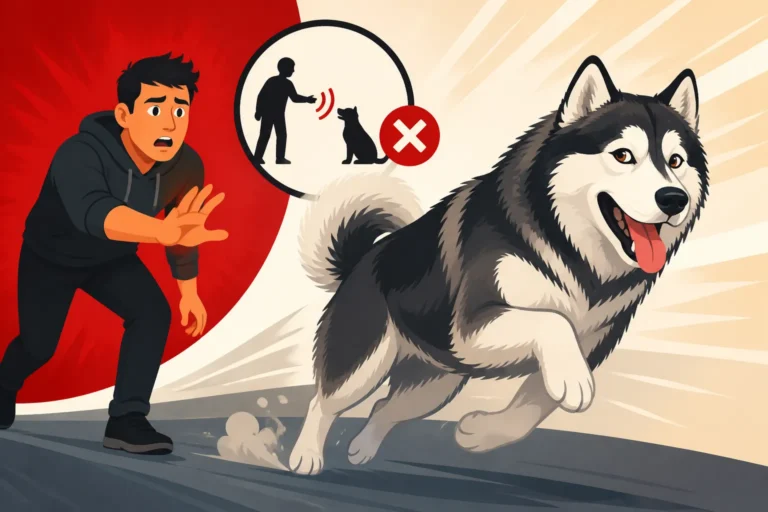
You might start thinking about a crate and rotate system when you notice subtle signs of tension escalating. Maybe it's prolonged stares, stiff body language, growling over a toy, or one dog persistently herding or harassing the other. Ignoring these early warning signs is a recipe for disaster. The moment an actual fight breaks out – especially one that causes injury – a management system like crate and rotate moves from being a good idea to a non-negotiable necessity. Even minor scuffles can be terrifying and traumatic, and they rarely stay minor.
The system is also vital if you have a dog with health issues that make them more vulnerable, or if you simply cannot supervise them 100% of the time. Life happens; you need to leave the house, shower, or focus on other tasks. During these times, the safety of your Malamutes, and indeed, your own peace of mind, depends on a reliable separation strategy. It's about proactive prevention, not reactive damage control. If you’re constantly holding your breath, dreading the next incident, it’s time to implement a structured approach. The well-being of your dogs, and the overall harmony of your home, depends on it. This proactive approach can significantly reduce stress for both you and your dogs, knowing that each one has a safe, private space when unsupervised. For more insights on aggression, you might find How Common Dog Aggression Is in Alaskan Malamutes helpful.
Setting Up Your Crate and Rotate System
Implementing a successful crate and rotate system requires thoughtful planning and the right equipment. It’s not just about tossing your dogs into separate rooms; it’s about creating safe, comfortable, and stimulating environments for each Malamute, ensuring their physical and mental well-being during their "alone" time.
Essential Equipment
First and foremost, you'll need durable, escape-proof crates. These are not your average flimsy wire crates; remember, you're dealing with Alaskan Malamutes, known for their strength and ingenuity. Look for heavy-duty metal crates, often marketed as "escape-proof" or "impact crates." Many reliable options can be found on platforms like Amazon. These crates should be large enough for your Malamute to stand up, turn around, and lie down comfortably. A cozy, chew-proof bed inside – maybe something like a durable raised cot or a tough, machine-washable mat – will make it a more inviting space. You might find Whether a Crate a Malamute Cannot Break Costs and Whether a Chew Proof Bed for a Malamute Costs good reads to prepare your budget.
Beyond crates, sturdy baby gates or pet gates are crucial for sectioning off areas of your home. These need to be tall enough that your Malamute can't easily jump over them, and strong enough that they won't be pushed over. Pressure-mounted gates are fine for temporary barriers, but for permanent separation, consider hardware-mounted gates that screw into doorframes or walls for maximum security. Some owners even install custom doors with secure latches to create truly dog-proof zones. Chew-proof water bowls that attach to the crate or are heavy enough not to be tipped over are also a must.
| Item Type | Key Features | Considerations for Malamutes |
|---|---|---|
| Heavy-Duty Crates | Steel construction, secure latches, adequate size | Must withstand Malamute strength, prevent escapes, comfortable |
| Sturdy Gates | Tall, hardware-mounted preferred, durable materials | Prevents jumping, resists pushing, secure room separation |
| Chew-Proof Beds | Durable fabric, raised cots, easy to clean | Provides comfort without tempting destructive chewing |
| Water Bowls | Stainless steel, clip-on or heavy, non-tip | Ensures hydration without spills or chew hazards |
| Enrichment Toys | Durable rubber, puzzle feeders, KONGs | Keeps isolated dogs stimulated, prevents boredom |
Creating Safe Zones
The goal is to provide each Malamute with its own distinct, safe territory where it feels secure and can relax without worrying about the other dog. This often means designating separate rooms or areas of the house. For example, one Malamute might have access to the living room and kitchen, while the other has the bedroom and an enclosed hallway. These zones must be truly independent, meaning no line-of-sight contact, if possible, to reduce barrier frustration or reactivity. If you can’t achieve full visual separation, opaque crate covers can help create a den-like feel and reduce visual triggers.
Ensure that each safe zone is Malamute-proofed. This means removing anything that could be chewed, knocked over, or become a hazard. Secure all trash cans, put away shoes and valuables, and block access to electrical cords. If one dog is a digger, consider heavy-duty mats or floor protection, especially if they are left in a carpeted area. Remember, the idea is to prevent incidents, not just manage them after they happen. Each zone should also include fresh water, a comfortable resting spot, and a few appropriate, high-value chew toys or puzzle feeders to keep them occupied and happy during their solo time. This dedicated space helps each dog decompress and reinforces that alone time can be positive.
Implementing Crate and Rotate Day-to-Day
Once your safe zones are established, the next step is to create a consistent daily routine that ensures both Malamutes get adequate exercise, mental stimulation, and one-on-one attention, all while maintaining their separation. Consistency is absolutely key here – Malamutes thrive on routine.
The Daily Rotation Schedule
Your rotation schedule will depend on your lifestyle, work commitments, and the specific needs of your dogs. A typical day might look something like this:
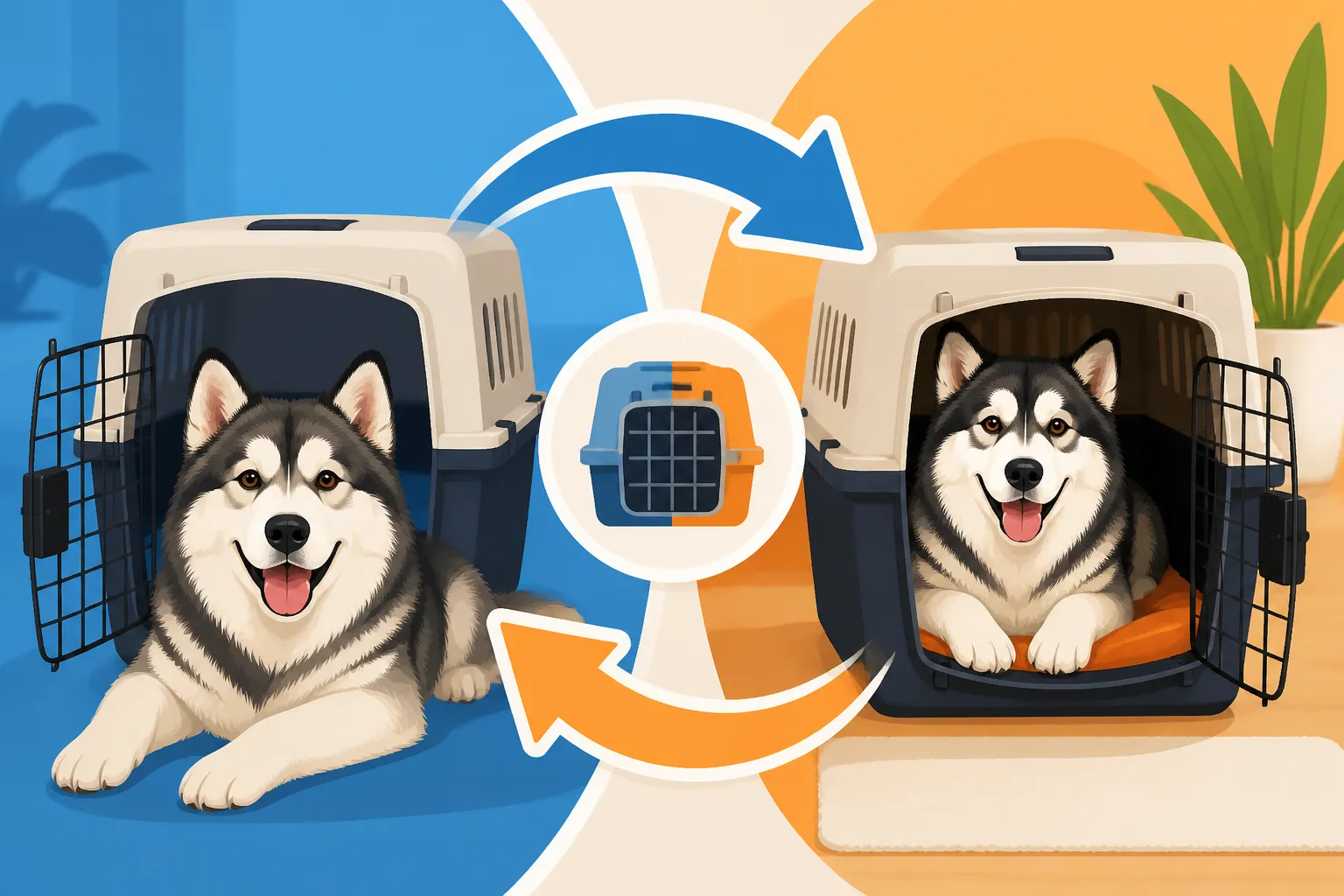
- Morning: Dog A gets out for an early walk, training session, and free-roam time in their designated zone while Dog B remains crated or in their separate zone. After an hour or two, Dog A is crated (with an enrichment toy), and Dog B gets their turn for a walk, training, and free-roam.
- Midday (if possible): A quick potty break for each dog, one at a time, followed by crating.
- Afternoon/Evening: Repeat the morning rotation, ensuring each dog gets adequate physical exercise – perhaps a structured walk or a pulling session, if they are trained for it. How Much Exercise an Alaskan Malamute Needs is important to remember here. Then comes individual attention, cuddle time, and perhaps some focused training sessions. For positive reinforcement training, you might look into resources like BAXTER & Bella, who offer online programs that can be incredibly helpful for individual dog training without the distraction of another dog.
- Night: Both dogs are crated in their separate, secure sleeping areas for the night.
The crucial element is that the dogs are never unsupervised together. Transitions between dogs should be managed carefully. For example, when Dog A comes in from their outing, Dog B should already be securely crated or behind a sturdy gate before Dog A is let loose. Always manage exits and entrances to prevent dogs from rushing past each other, which can escalate tension. It's a dance, and you're the choreographer.
Managed Interactions and Supervision
For many crate and rotate households, the goal isn't necessarily for the dogs to never see each other. Instead, it's about carefully managing those interactions under strict supervision. This might involve parallel walks, where both dogs are walked by two separate handlers, maintaining a safe distance but still getting to experience the outdoors simultaneously. These walks can help desensitize them to each other's presence in a neutral environment.
Some owners might allow short, supervised playtime if the dogs have a history of generally getting along but struggle with specific triggers (like food or toys). These interactions should be short, structured, and always end before any tension arises. High-value resources should be removed from the environment entirely during these times. Constant vigilance is paramount. If you notice any stiff body language, whale eyes, growling, or freezing, immediately separate them calmly. It's better to cut an interaction short than to wait for a fight to break out. This level of supervision requires your full, undivided attention. If you cannot provide that, stick to full separation. For dogs that exhibit serious aggression, managed interactions might not be advisable at all; complete separation is often the safest bet. It's also wise to consider muzzle training for any dog with a history of aggression or if you anticipate situations where controlled interactions might occur, as discussed in Why Every Malamute Should Be Muzzle Trained.
Enrichment for Separated Dogs
The challenge with a crate and rotate system is ensuring that both dogs are happy and stimulated even when they are alone. Boredom can lead to destructive behaviors, anxiety, and a generally unhappy Malamute. This is where enrichment comes in. When a dog is crated or in their separate zone, provide them with mentally stimulating activities.
- Chew Toys: Durable, high-quality chew toys are a must. Think solid rubber toys that can withstand powerful jaws. You can stuff KONGs or similar toys with peanut butter, yogurt, or wet food and freeze them to make the activity last longer.
- Puzzle Feeders: These toys dispense kibble slowly, making mealtime a mental workout. It engages their natural foraging instincts.
- Scent Work: Hide treats around their designated area for them to sniff out. This is a low-impact activity that is incredibly enriching for dogs.
- Window Gazing: If possible, ensure their separate space allows them to look out a window safely. This provides external stimulation, but be mindful if they are reactive to outside stimuli.
- Music/Podcasts: Some dogs find background noise calming. Experiment with classical music or talk radio to see if it helps them relax.
The key is to rotate these enrichment items to keep things fresh and interesting. Don't give them the same toy every day. Make sure they have a variety of safe, engaging options. This approach ensures that their time alone is not just tolerable, but genuinely enjoyable and enriching, which is crucial for their overall well-being. Keeping them stimulated can also help prevent issues like Whether an Alaskan Malamute Gets Separation Anxiety, even when they aren't truly alone in the house.
Challenges and When to Seek Professional Help
While a crate and rotate system is incredibly effective for managing multi-Malamute households, it's not without its challenges. It demands significant commitment, vigilance, and understanding of canine behavior.
Common Pitfalls and Troubleshooting
One of the biggest pitfalls is barrier frustration. This happens when dogs are constantly aware of each other's presence but unable to interact, leading to frustration, barking, and reactivity at gates or crate doors. To mitigate this, try to ensure visual separation where possible. If not, counter-conditioning techniques can help: every time they see the other dog behind a barrier, they get a high-value treat. This helps them associate the sight of the other dog with something positive.
Another challenge is owner fatigue. Managing two dogs this way is a lot of work. You might feel like you're constantly shuffling dogs, cleaning, and never truly relaxing. It's vital to build in self-care for yourself. Automate as much as you can (e.g., timed feeders for meals if appropriate), and don't be afraid to take a break. Hire a trusted pet sitter or dog walker who understands the system if you need to be away. The system also requires consistency. A single slip-up can lead to a fight, undoing weeks or months of careful management. Everyone in the household must be on board and understand the rules implicitly. If an adolescent Malamute is "rewriting the rules at fourteen months," as described in The Adolescent Malamute That Rewrites the Rules at Fourteen Months, it’s even more important to be consistent and firm.
Sometimes, dogs might seem to accept the system but become subtly anxious. Watch for signs like excessive licking, pacing, lack of appetite, or destruction when you're away (even when crated). These could indicate underlying stress. Re-evaluate their enrichment, ensure they're getting enough individual attention, and consider calming aids if recommended by your vet.
Knowing When to Call a Professional
Crate and rotate is a management strategy, not a cure for underlying behavioral issues like aggression or severe anxiety. If you’re seeing escalation despite your best efforts, if a dog is injuring themselves trying to escape, or if you simply feel overwhelmed and unsafe, it’s time to call in the cavalry. A certified professional dog trainer or a veterinary behaviorist can provide invaluable guidance.
They can assess the specific dynamics between your Malamutes, identify triggers you might be missing, and help you refine your system. They can also work on behavior modification techniques that might gradually improve the dogs' tolerance for each other, or at least make the separation less stressful. Do your research to find someone qualified and experienced with working breeds like Malamutes, and with inter-dog aggression. This investment can be life-changing for your household. While it may come with a cost, as detailed in What a Behaviorist Costs a Malamute Owner, the safety and peace of mind it brings are priceless. Don't hesitate to seek help; you don't have to navigate these complex issues alone.
Long-Term Considerations
It’s important to acknowledge that for some Malamutes, crate and rotate might be a permanent solution. This means accepting that your dogs may never be "best friends" or safely share the same space unsupervised. While this can be a difficult realization for many owners, it's crucial for the safety and well-being of all involved. The goal is a peaceful household, not necessarily a perpetually intertwined one.
You'll need to continually assess the quality of life for both dogs. Are they getting enough exercise, mental stimulation, and individual attention? Are they happy, relaxed, and thriving in their separate schedules? Or are they perpetually stressed, showing signs of chronic anxiety or barrier frustration that isn't improving? In rare, extreme cases, if a dog's quality of life is severely compromised by constant isolation or if the risk of harm remains unmanageable, you might need to consider rehoming one of the dogs as a last resort. This is a heartbreaking decision but sometimes the most responsible one, prioritizing the long-term well-being of all animals. Whether an Alaskan Malamute Should Be an Only Dog delves into why some Malamutes truly thrive as solo companions, and it's a valid consideration for long-term household harmony. The system can be a success story, but it always requires ongoing evaluation and adaptation to ensure it continues to meet the needs of your powerful, independent Malamutes.
Disclaimer
This article is for general informational purposes only and does not constitute professional advice. Laws, prices and regulations vary by location and change over time. Consult a qualified professional for guidance on your specific situation.