Whether a Group Class Suits an Alaskan Malamute
Bringing home an Alaskan Malamute often sparks dreams of a well-behaved companion, perhaps even one that can attend local dog training classes with grace and focus. However, many new Malamute owners quickly discover that these magnificent dogs operate on a different wavelength than many other breeds, and the structured chaos of a group class can present unique challenges. This guide will delve into whether a group class is truly suited for an Alaskan Malamute, examining the breed's inherent traits and exploring the best paths to successful training and socialization.
Understanding the Alaskan Malamute Temperament in a Group Setting
Let's be real: your Alaskan Malamute isn't just a big, fluffy dog. They are ancient, intelligent, and independent creatures bred for specific, demanding work in harsh environments. These ingrained traits, while making them incredible partners for the right owner, can make traditional group classes a bit of a head-scratcher.
The Power of Prey Drive and Distraction
One of the most significant hurdles for a Malamute in a group class is their formidable prey drive. These dogs were historically bred to hunt large game alongside their human companions, and that instinct is still very much alive. Even the most well-behaved Malamute can be instantly distracted by a scurrying squirrel, a flapping bird, or even a tiny dog that resembles prey. In a room full of other dogs, the chances of your Malamute being able to focus intently on you, rather than the movement and smells of their classmates, can be slim to none.
Imagine trying to teach your Malamute "sit-stay" while a tiny terrier mix is doing zoomies across the room, or a poodle puppy is squeaking its toy. For a Malamute, this isn't just background noise; it's a sensory overload that screams "chase me!" or "investigate this interesting thing!" Their attention is incredibly difficult to redirect once that prey drive or curiosity kicks in. We're talking about a dog that was historically valued for its ability to track and hunt with its human, not for its ability to ignore every interesting scent or movement. Many owners find themselves needing heavy-duty long lines from places like Amazon just to manage their Malamute's exploring tendencies in open spaces, let alone in a confined class setting.
Independence and Unique Motivations
Another core Malamute characteristic is their independence. Unlike many working breeds eager to please their human, Malamutes were partners who made their own decisions on the trail. This isn't stubbornness; it's a deep-seated self-reliance. They'll perform a task if they see the value in it, or if it aligns with their own interests, not just because you asked. This makes the cookie-cutter "sit-for-a-treat" approach in a group class often less effective.
You might find your Malamute doing a perfect sit at home, but in a distracting class environment, they might look at you as if to say, "What's in it for me right now? That sniffing opportunity over there looks far more interesting than your tiny piece of kibble." Finding what genuinely motivates your Malamute is crucial, and it often goes beyond basic food rewards, especially when they're overstimulated. They are incredibly intelligent, capable of learning commands quickly, but choosing to perform them consistently, especially under duress, is another story. Understanding What an Alaskan Malamute Will Work For is key to any training success.
Navigating Same-Sex Aggression
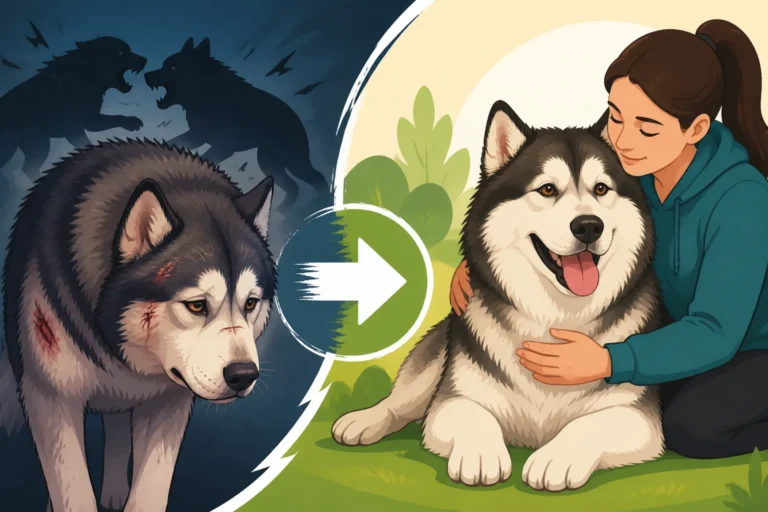
This is perhaps one of the most serious considerations when thinking about group classes for an Alaskan Malamute. Same-sex aggression is a well-documented trait in the breed, stemming from their pack origins where clear hierarchies were established. While not every Malamute will display this, it's prevalent enough that it needs to be taken very seriously. Two intact male Malamutes, or even two strong-willed females, in a confined space with rising arousal levels, can quickly escalate from stiff body language to a full-blown altercation.
A group class, by its very nature, brings together many dogs of varying temperaments, energy levels, and sexes. Even if your Malamute has never shown aggression before, the stress of a new environment, combined with the presence of multiple unknown dogs, can be a recipe for disaster. Owners might not recognize the subtle cues of an impending conflict, and by the time it's obvious, it might be too late. This isn't just about your dog's safety; it's about the safety of every other dog and human in that class. It's vital to understand Same Sex Aggression in a Pack Bred Alaskan Malamute and to always prioritize prevention over reaction.
Benefits and Drawbacks of Group Classes for Malamutes
While the challenges are significant, it's not always a black-and-white "no." There can be limited benefits, but the potential drawbacks often outweigh them for many Malamutes.
Potential Upsides (with Realistic Caveats)
For a very specific type of Malamute – one with an unusually calm temperament, low prey drive, and a strong desire to connect with its handler – a group class might offer some minimal benefits.
- Controlled Socialization Exposure: For a well-socialized, confident Malamute puppy during their critical socialization period, brief, positive exposure to novel environments, sounds, and calm, appropriate other dogs can be beneficial. However, this is usually best achieved with careful selection of the class and a highly observant owner. This isn't about letting them play; it's about being present and observing politely. Remember, the goal of socialization isn't just about meeting other dogs, but experiencing the world in a positive, neutral way.
- Handler Training: Often, the biggest beneficiary of a group class is the human. Instructors can teach you foundational handling skills, leash mechanics, and reward timing. This knowledge is invaluable, even if you end up applying it mostly in one-on-one sessions with your Malamute at home. Learning to effectively communicate with your independent Malamute is a constant journey, and a good instructor can provide tools and insights. Online resources like BAXTER & Bella can also provide this human education at your own pace and in your own home, which might be a better fit.
- Exposure to Distractions: If your Malamute is truly stable and has a solid foundation of obedience, a very advanced, small-group class might offer a controlled environment to proof commands amidst distractions. But this is for the highly advanced Malamute, not typically a puppy or adolescent still mastering basic cues.
Significant Downsides and Risks
For the vast majority of Alaskan Malamutes, the downsides of a traditional group class far outweigh any potential benefits.
- Overstimulation and Inability to Focus: A class environment is inherently noisy, smelly, and full of movement. For a Malamute, this often leads to sensory overload. Instead of learning, they become fixated on the other dogs, sounds, or smells. This isn't productive training; it's just stress and distraction. A dog that cannot focus cannot learn. You'll likely spend more time managing your Malamute's reactivity or attempts to engage with other dogs than actually practicing commands.
- Reinforcement of Undesirable Behaviors: If your Malamute is constantly barking, lunging, or pulling towards other dogs in class, and you're inadvertently allowing them to do so (even if just by not being able to stop them), you're actually reinforcing that behavior. They might learn that acting out gets them closer to what they want (the other dog) or gets them attention. This can create a reactive dog, rather than a well-behaved one.
- Negative Associations: If your Malamute has a negative experience – a fight, being jumped on, or just constant stress – they can develop lasting negative associations with other dogs or public places. This can make future training, vet visits, or walks in the park incredibly challenging. For a breed already prone to dog-on-dog issues, creating a negative experience could be detrimental.
- Safety Concerns: As mentioned with same-sex aggression, a group class carries inherent safety risks. Even a minor scuffle can result in injuries, vet bills, and emotional trauma for all involved. The breed's powerful build means even "play" can be misinterpreted or become too intense for smaller, less robust breeds. For an owner with a powerful Malamute, the responsibility of preventing an incident is immense. It's often safer to avoid putting your dog in situations where their natural instincts might clash with other dogs.
When a Group Class Might Work (and What to Look For)
If you're still set on the idea of a group class for your Malamute, it's crucial to be incredibly selective and realistic about your dog's temperament and needs. This isn't a decision to take lightly.
Specific Class Types and Formats
Forget the bustling puppy kindergarten classes at big box stores. If a group class is considered, look for very specific, specialized formats:
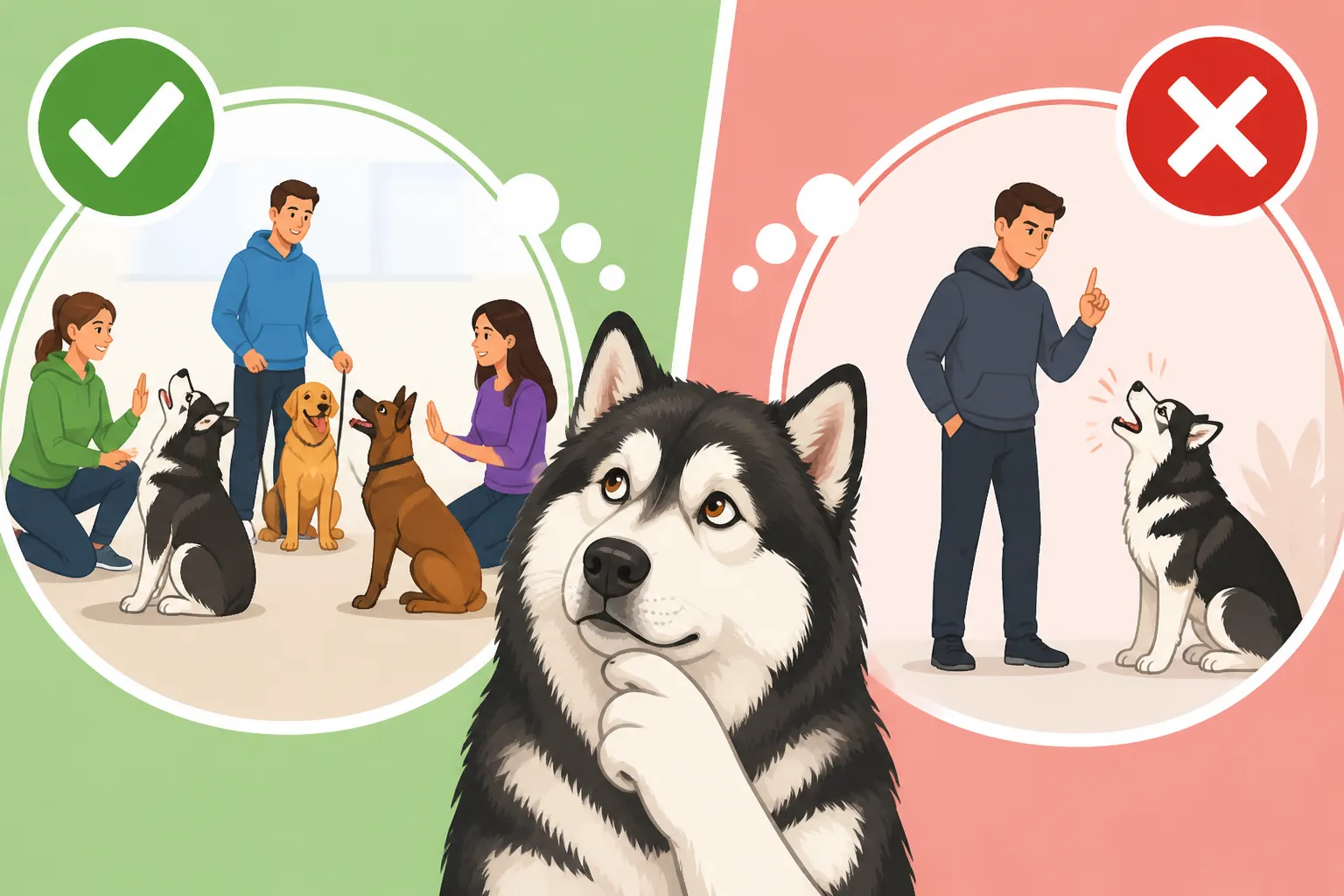
- Small Class Sizes: This is non-negotiable. The fewer dogs, the less distraction, and the more individualized attention you and your Malamute can receive. Ideally, a class should have no more than 4-6 dogs, with ample space between them.
- "Control Unleashed" or Focus-Based Classes: Some trainers offer classes specifically designed for reactive or easily distracted dogs, focusing on building handler engagement and impulse control around distractions, rather than direct dog-to-dog interaction. These are often structured with visual barriers between dogs.
- Breed-Specific Workshops: Very rarely, you might find a workshop tailored to Northern breeds. These are fantastic because the instructor and other participants understand the unique challenges and temperaments involved.
- Advanced Obedience (Proofing): Only consider this after your Malamute has mastered all basic commands in low-distraction environments. The goal here is to refine existing skills, not learn new ones.
- Pre-Class Preparation: Before even stepping foot into a class, consider using comprehensive online training resources like BAXTER & Bella. Their programs often cover foundational obedience, impulse control, and engagement games that you can practice in the calm of your home. This way, your Malamute has a strong grasp of the basics before adding the complexity of other dogs.
The Right Instructor and Environment
The instructor can make or break the experience. They must have a deep understanding of dog behavior, particularly independent, powerful breeds like the Malamute.
- Experience with Northern Breeds: Ask direct questions about their experience with Malamutes, Huskies, or similar independent breeds. Do they understand prey drive, same-sex aggression, and the nuances of motivating these dogs?
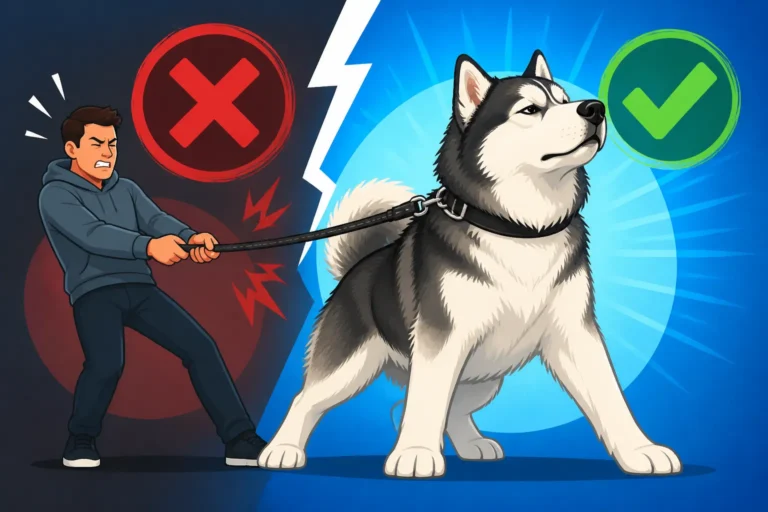
- Positive Reinforcement Focus: An instructor who relies heavily on punishment or "alpha" techniques will be detrimental to a Malamute. These dogs shut down or become reactive with harsh handling. Look for trainers who use positive reinforcement, clear communication, and management strategies. Why Force Fails on an Alaskan Malamute is a must-read for any Malamute owner.
- Emphasis on Management: A good instructor will teach you how to manage your Malamute's environment and responses, not just command them. This includes using appropriate equipment (like a front-clip harness or head halter, which you can find on Amazon, if recommended by your vet or trainer) and creating safe distances between dogs.
- Class Structure: Observe a class before signing up. Is there enough space between dogs? Are there barriers? How does the instructor handle conflicts or highly distracted dogs? Do they advocate for muzzles when necessary? Muzzle training is a crucial skill for all Malamute owners to learn, even if never needed for aggression, as it's an excellent safety tool in many situations. Why Every Malamute Should Be Muzzle Trained
Preparation is Absolutely Key
You wouldn't send a child to school without breakfast and a good night's sleep; the same goes for your Malamute and a group class.
- Exercise Before Class: A well-exercised Malamute is a calmer Malamute. Take them for a long walk or a strenuous playtime session before class to burn off excess energy. This helps them settle and focus.
- Muzzle Training: Even if your Malamute is not aggressive, having them comfortable with a basket muzzle is a responsible safety measure for any new or potentially stressful situation involving other dogs. It's a tool for management, not just for aggression.
- Strong Foundation at Home: Ensure your Malamute knows basic commands (sit, stay, down, come, leave it) reliably in your home and yard before attempting a group setting. If they can't do it at home, they certainly won't do it in a distracting class.
- Understand Your Malamute's Thresholds: Know how close your Malamute can be to another dog before they become overstimulated or reactive. This allows you to position yourself strategically in class to keep them below that threshold, ensuring a positive experience. If they are constantly barking or lunging, they are over their threshold.
Alternatives to Traditional Group Classes
For many Malamute owners, traditional group classes simply aren't the best fit. Thankfully, there are excellent alternatives that cater to their unique needs and temperament.
Private Training Sessions
This is often the gold standard for Malamutes, especially for puppies or those with specific behavioral challenges.
- Individualized Attention: A private trainer can focus 100% on your Malamute's specific needs, challenges, and learning style. They can tailor exercises and environments to your dog, something impossible in a group setting.
- Addressing Specific Issues: If your Malamute has reactivity, jumping, or leash pulling issues, a private trainer can work with you on these in real-world scenarios, giving you personalized tools and strategies.
- Controlled Environment: Training can occur in your home, yard, or a quiet park, gradually introducing distractions as your Malamute progresses. This allows for successful learning without the overwhelm of a group.
- Builds the Human-Malamute Bond: Private training often strengthens the bond between owner and dog because it emphasizes clear communication and cooperation without external pressure.
Online Resources and Virtual Coaching
The digital age offers fantastic resources that can be incredibly effective for Malamute owners.
- Self-Paced Learning: Platforms like BAXTER & Bella offer comprehensive online training programs you can follow at your own pace, fitting into your schedule and your Malamute's energy levels. This is ideal for independent learners (both human and canine!).
- Access to Expert Advice: Many online programs and virtual coaches specialize in specific breeds or behavioral issues. You can get advice from experts without geographical limitations.
- Home-Based Practice: You can practice skills in your Malamute's most comfortable environment – your home. This allows them to build a strong foundation without the intense distractions of other dogs. Later, you can slowly introduce distractions in controlled outings.
- Cost-Effective: Often, online resources or virtual coaching can be a more budget-friendly option than multiple in-person private sessions, while still providing high-quality instruction.
Structured, Controlled Outings
While group classes for "socialization" might be ill-advised, carefully planned outings are essential for a Malamute's well-being.
- "Parallel Walks": Instead of direct interaction, arrange walks with one or two known, calm, and dog-neutral canine friends. Walk parallel to each other at a distance where your Malamute is comfortable and can ignore the other dog. The goal is coexistence, not interaction.
- Exploring New Environments: Take your Malamute to different pet-friendly stores (if they are truly calm and well-behaved, and only if stores allow dogs), quiet parks during off-peak hours, or nature trails. Focus on allowing them to sniff, explore, and simply be present in new places without the pressure of interacting with other dogs.
- Positive Exposure to Sights and Sounds: Let them observe people, cars, and other dogs from a distance they are comfortable with. Treat generously for calm observations. This builds positive associations with the wider world.
- Engagement Activities: Use these outings as opportunities to practice engagement with you. Play "look at me," do some quick obedience drills, and reward them for checking in. This teaches them that you are the most interesting thing, even in a distracting environment.
Here's a quick comparison of these training avenues:
| Feature | Group Classes (Traditional) | Private Training (In-Person) | Online Resources / Virtual Coaching |
|---|---|---|---|
| Malamute Suitability | Generally Low (High Risk) | High (Tailored, Effective) | High (Flexible, Foundation Building) |
| Focus on Individual Dog | Very Low | High | High |
| Distraction Level | High | Low to Medium (Controlled) | Very Low (Starts at Home) |
| Addressing Behaviors | Difficult, can worsen reactivity | Excellent, targeted solutions | Excellent for foundational skills & owner education |
| Safety Concerns | High (Dog-on-dog, overstimulation) | Low (Controlled environment) | Very Low (No direct dog interaction) |
| Socialization Aspect | Often ineffective, can create negative associations | Focuses on controlled exposure/management, not interaction | None for dog-dog, excellent for owner education |
| Pace of Learning | Fixed by class schedule | Flexible, dictated by dog's progress | Self-paced, learn at your own speed |
Ultimately, whether a group class suits an Alaskan Malamute depends heavily on the individual dog, the specific class, and the owner's commitment to mitigating risks. For most Malamutes, a more personalized approach that respects their unique blend of independence, intelligence, and powerful instincts will lead to far greater success and a happier, more well-adjusted companion. It's about finding the path that truly helps your Malamute thrive, rather than forcing them into a mold they weren't designed for. The First Year With an Alaskan Malamute Puppy is a prime time to establish good habits through methods that align with their nature.
Disclaimer
This article is for general informational purposes only and does not constitute professional advice. Laws, prices and regulations vary by location and change over time. Consult a qualified professional for guidance on your specific situation.