How the Malamute Was Rebuilt After the Gold Rush
The Alaskan Malamute survived near extinction and crossbreeding threats after the Gold Rush through dedicated rescue efforts.
Is this the right one for you?
Origins and temperament, size and coat, what living with one is actually like, and how it compares to the breeds people weigh against it.

The Alaskan Malamute survived near extinction and crossbreeding threats after the Gold Rush through dedicated rescue efforts.

The Klondike Gold Rush threatened the genetic purity and lineage of the Alaskan Malamute through crossbreeding and high demand.

Alaskan Malamute endurance freighting history explains why these dogs pull heavy loads with steady power instead of speed.

Alaskan Malamute freight teams hauled heavy loads of supplies and equipment across treacherous Arctic terrain during the Gold Rush.
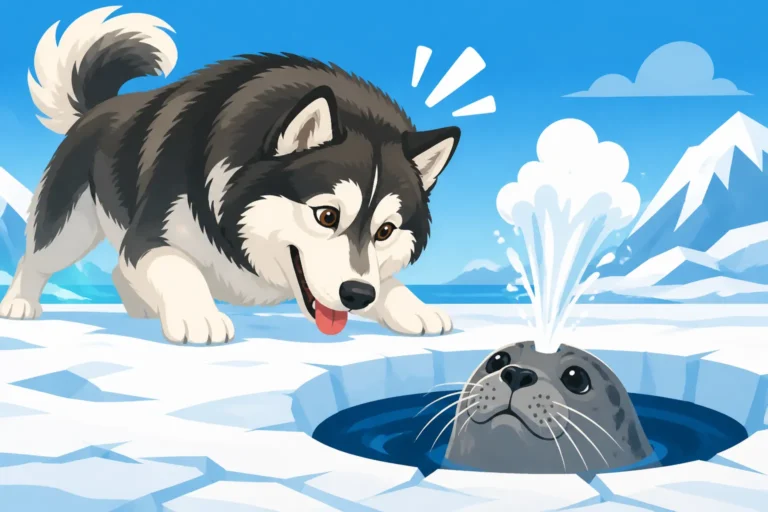
Alaskan Malamutes historically served the Mahlemut people through heavy freighting and large game hunting rather than locating seal blowholes.
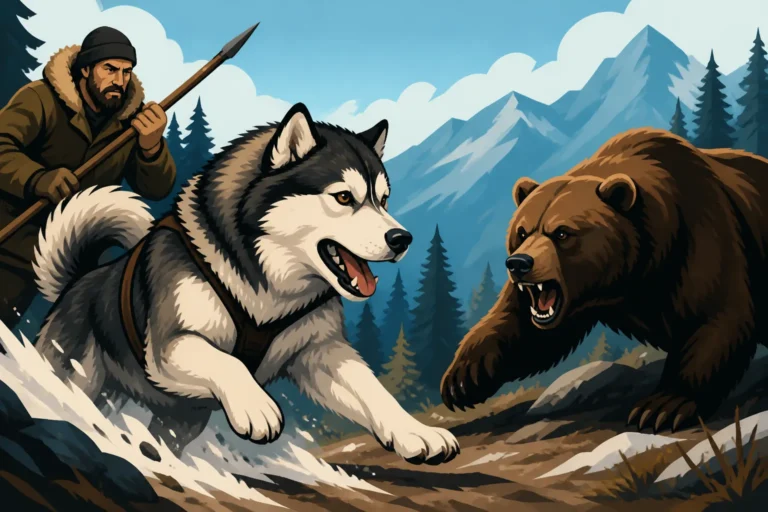
Alaskan Malamutes helped the Mahlemut people survive the Kotzebue Sound by hunting polar bears and tracking seals.
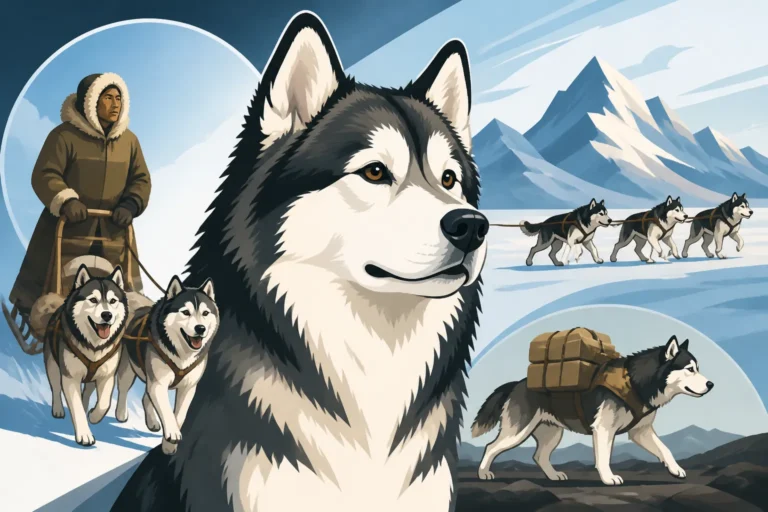
The Mahlemut people of the Arctic relied on Alaskan Malamutes as working partners for survival, transportation, and labor.

Malamute type dogs have lived in Alaska for thousands of years, migrating across the Bering Land Bridge with early humans.

The Mahlemut indigenous people of Kotzebue Sound selectively bred the Alaskan Malamute as an Arctic working partner.

Kotzebue Sound in northwestern Alaska is the harsh Arctic region that forged the Alaskan Malamute breed for survival.