The Household an Alaskan Malamute Was Built For
Alaskan Malamutes need homes that provide demanding physical work, clear pack leadership, and constant human companionship.
Is this the right one for you?
Origins and temperament, size and coat, what living with one is actually like, and how it compares to the breeds people weigh against it.

Alaskan Malamutes need homes that provide demanding physical work, clear pack leadership, and constant human companionship.

Alaskan Malamute eye color standards explain why purebred dogs require brown eyes and disqualify blue variants.
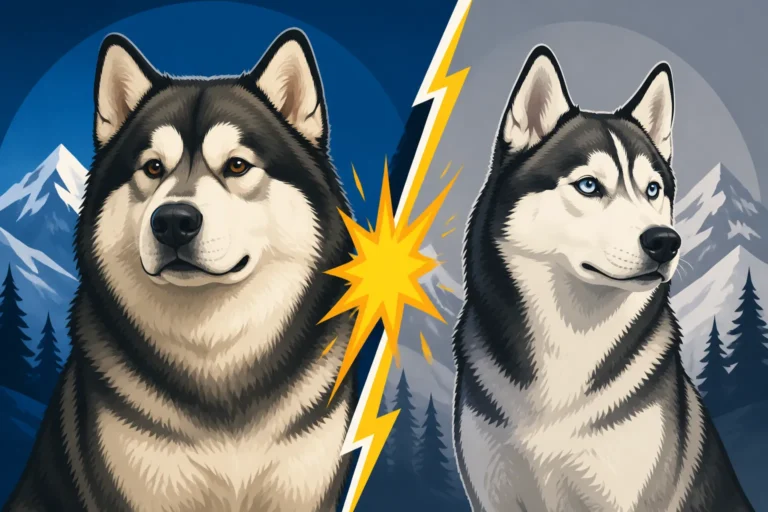
Two Arctic sled breeds with different histories and temperaments: the Malamute was a freight hauler from Alaska’s Kotzebue Sound, built for strength over speed.
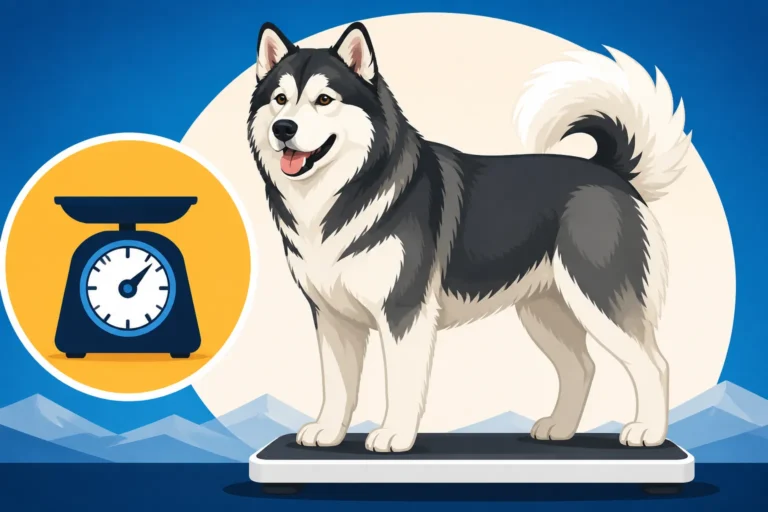
Alaskan Malamute weight standards set ideal targets of 85 pounds for males and 75 pounds for females to ensure proper working ability.

Alaskan Malamute coat colors include silver, steel grey, black, sable, red, and solid white, featuring white markings on the legs and feet.

The Kotzebue and M’Loot bloodlines shaped the modern Alaskan Malamute, tracing back to the indigenous Mahlemut people.

Alaskan Malamutes and polar explorers like Peary, Amundsen, and Byrd reveal how dogs enabled historic polar expeditions.
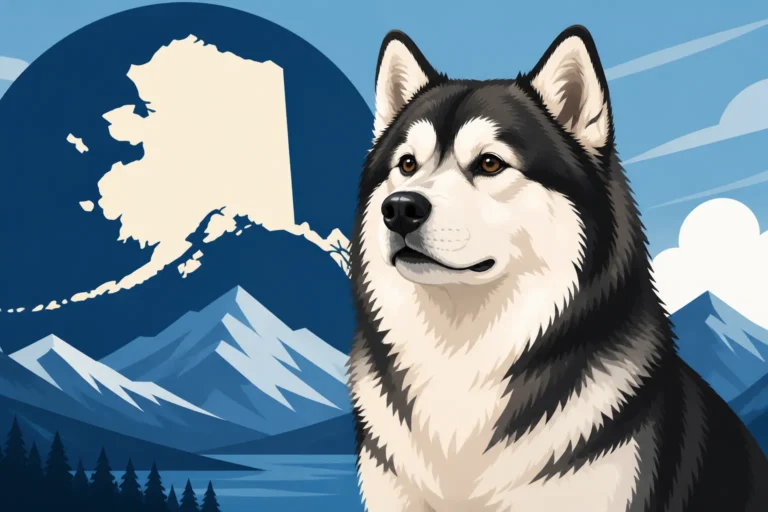
The Alaskan Malamute became Alaska’s official state dog in 1972, honoring its historical role in survival and transportation.

Alaskan Malamutes differ from racing dogs because they were bred for heavy freighting and endurance over vast distances.
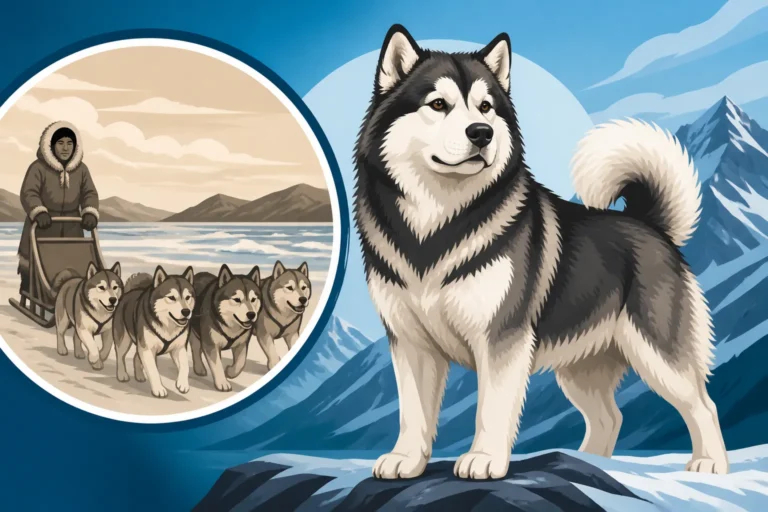
The Mahlemut people of Kotzebue Sound bred the Alaskan Malamute as working dogs to haul heavy loads across snow and ice.