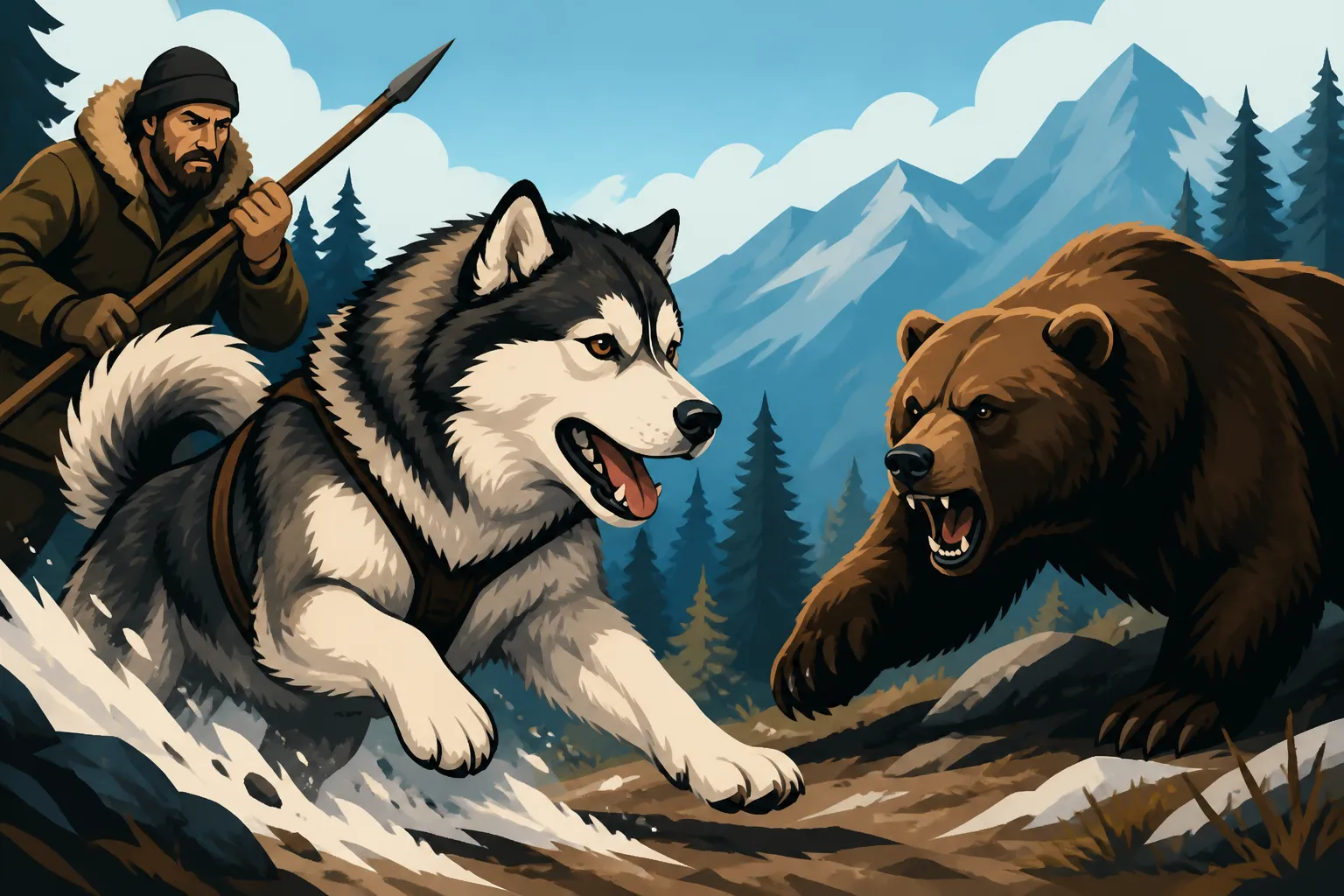
How a Malamute Helped Hunt a Bear
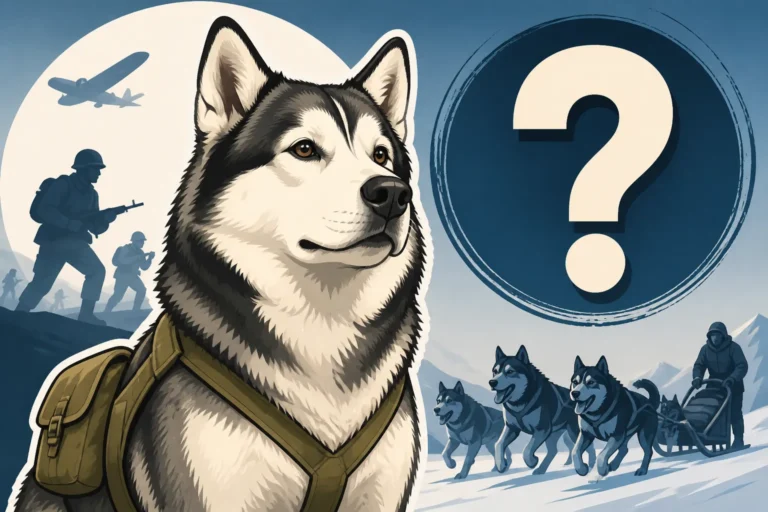
Many people bring an Alaskan Malamute into their home envisioning a majestic, snow-loving companion, perhaps even a sturdy sled dog. What they often overlook, however, is the profound history ingrained in their very DNA – a history that goes far beyond pulling a sled. These incredible dogs were partners in survival for the Mahlemut people, and that partnership included tasks as formidable as hunting bears. This guide will explore the often-forgotten, powerful role the Malamute played in these ancient hunts, highlighting the instincts and physical traits that made them indispensable.
The Mahlemut People and Their Indispensable Companions
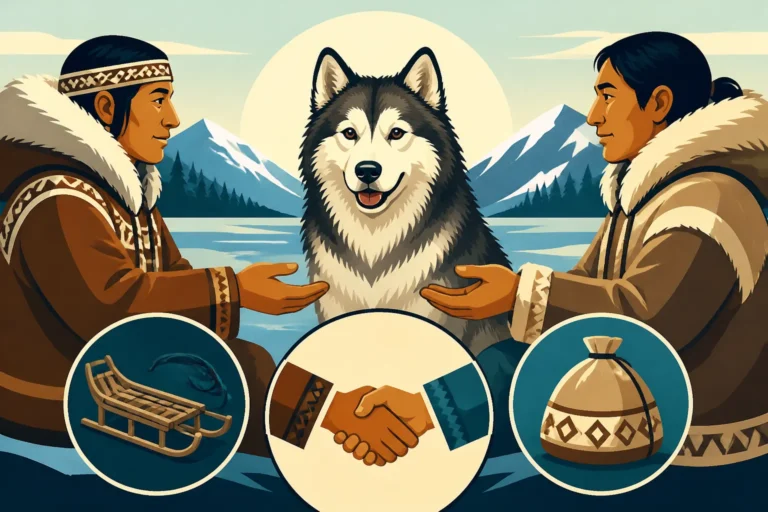
To truly understand the Alaskan Malamute, we must first journey back to the remote, unforgiving landscapes of the Kotzebue Sound, the ancestral home of the Mahlemut Inuit people. These were not just dogs; they were integral members of the community, essential for survival in one of the planet's harshest environments. Their relationship was one of mutual respect and absolute necessity, far removed from the pampered pets many of us know today.
A Partnership Forged in the Arctic Wilds
The Mahlemut people didn't just use their dogs; they partnered with them. Life in the Arctic was a constant battle against the elements and scarcity, and every member of the tribe, human or canine, had a vital role. The Malamute was the Mahlemut's most prized possession, meticulously bred and carefully selected for traits that ensured both the dog's and the human's survival. Their very existence depended on these intelligent, resilient animals. It's a testament to this bond that the breed carries their name. You can learn more about their origins in The Mahlemut of Kotzebue Sound Bred the Alaskan Malamute.
This partnership wasn't about dominance; it was about cooperation. The Mahlemut understood that brute force alone wouldn't cut it in such an extreme environment. They valued the Malamute's independent thought, problem-solving abilities, and keen senses. These dogs weren't robots responding to commands; they were thinking, adapting animals capable of making crucial decisions in life-or-death situations, whether it was navigating a blizzard or facing down dangerous game.
Beyond Just Pulling: A Dog of Many Talents
While the image of a Malamute pulling a sled is iconic and certainly a core part of their history, it only scratches the surface of their capabilities. The Mahlemut didn't have the luxury of specialized dogs for every task. Their Malamutes were true generalists, capable of everything from hauling heavy loads of supplies and hunted game back to camp, to acting as furry alarm systems against predators, to even helping locate vital food sources.
Their powerful build and incredible endurance were certainly suited for freighting, but their intelligence and formidable presence also made them excellent hunters. They were often tasked with seeking out seals at their breathing holes in the ice, a difficult and dangerous job that required both keen scenting ability and incredible patience. But perhaps the most awe-inspiring of their hunting roles was their assistance in hunting large, dangerous game like polar bears, a task that truly showcases their courage and strategic prowess. For a deeper dive into their multifaceted past, consider What an Alaskan Malamute Was Bred to Hunt.
Understanding the Malamute's Hunting Instincts
The hunting abilities of the Malamute weren't just about physical strength; they were deeply rooted in a complex set of instincts that modern owners still see today, albeit often in much less dangerous contexts. These instincts, honed over centuries of partnership with humans for survival, are what made them such effective hunters of large, formidable prey.
The Prey Drive: A Genetic Imperative
Every Malamute possesses a strong prey drive, a primal instinct to chase, capture, and, if necessary, dispatch smaller animals. For the Mahlemut, this wasn't a nuisance; it was a survival trait. This drive, carefully managed and directed, was crucial for hunting small game and, in a broader sense, for the focus and determination needed to confront larger prey like bears. Modern owners often grapple with this instinct when their Malamute fixates on squirrels or the neighbor's cat, a stark reminder of their ancient purpose. It's a challenge many owners face, often leading them to seek out durable toys or puzzle feeders from retailers like Chewy to keep their highly-driven dogs mentally stimulated.
This strong prey drive is why topics like The Risk an Alaskan Malamute Poses to a Small Dog are so important for owners to understand. It's not malice; it's instinct. When faced with a bear, this same drive translated into an unwavering focus on the target, a crucial component of their role in the hunt. They wouldn't back down easily, their genetic programming compelling them to engage.
Intelligence and Strategy in the Hunt
Hunting a creature as powerful and unpredictable as a bear required more than just instinct; it demanded intelligence and a remarkable degree of tactical thinking. Malamutes were not just mindless brutes; they were strategic thinkers on the hunt, capable of understanding and adapting to changing situations. They learned to work in concert with their human partners, anticipating moves and responding to subtle cues.
The Mahlemut would have relied on the Malamute's keen senses – their superior scenting ability to pick up a fresh trail and their acute hearing to detect subtle movements in the snow. But it was their ability to problem-solve on the fly that truly set them apart. They could gauge the bear's aggression, find optimal positioning to harry it, and understand when to hold ground and when to retreat, all while maintaining constant communication with their human hunter. This level of cooperation and intelligent action is truly what made them effective, rather than merely powerful, hunting dogs.
The Dynamics of a Traditional Bear Hunt
Imagine the scene: a vast, frozen expanse, the air biting cold, and the tracks of a massive polar bear etched into the snow. This wasn't a lone hunter's pursuit; it was a collaborative effort, with the Malamutes playing a central and often dangerous role. Their contribution was less about the kill itself and more about the intricate, coordinated efforts of tracking, containment, and distraction that enabled the human hunter to succeed. This intense cooperation is detailed further in How a Malamute Hunted Bears Alongside the Mahlemut.
Tracking and Cornering the Quarry
The initial phase of a bear hunt heavily relied on the Malamutes' unparalleled tracking abilities. Their powerful noses, combined with their incredible stamina, allowed them to follow a bear's scent for miles across treacherous terrain. This was no leisurely stroll; it was a relentless pursuit, often through deep snow and icy winds, requiring unwavering focus from the dogs. Once the bear was sighted or cornered, the strategy shifted.
The Malamutes would then work to "bay" the bear, which means to hold it at bay by barking and moving around it, preventing its escape. This wasn't about physically attacking the bear, as that would be suicidal. Instead, it was a masterful display of coordinated harassment. The dogs would circle the bear, using their formidable presence and incessant vocalizations to keep its attention fixed on them, buying precious time and creating openings for the human hunter. This required immense courage, as a cornered bear is an incredibly dangerous animal, and the dogs had to walk a fine line between aggression and self-preservation.
The Role of the Dogs in Distraction and Containment
During the baying phase, the Malamutes became a whirlwind of calculated chaos around the bear. Their role was primarily one of distraction and containment. Imagine several powerful Malamutes barking, lunging, and darting just out of the bear's reach. Each movement, each bark, was designed to keep the bear disoriented and focused on the dogs, rather than the approaching human hunter. This intense psychological pressure was key.
This coordinated effort prevented the bear from making a clean escape or launching an effective counter-attack against the hunter. The dogs would expertly weave around the animal, making themselves a constant, irritating threat. Their thick coats provided some protection, but their agility and intelligent positioning were their best defenses. This intricate dance of distraction allowed the human hunter, armed with traditional weapons, to approach safely and deliver the decisive blow, ensuring the survival of their community.
Communication Between Hunter and Hound
The success of these dangerous hunts hinged on seamless communication, not just between the dogs themselves but critically, between the human hunter and their canine partners. This was a language of subtle cues, shared understanding, and deep trust, built over generations. The Mahlemut hunter would interpret the dogs' barks, body language, and positioning, understanding if the bear was agitated, moving, or cornered.
Conversely, the Malamutes would respond to the hunter's commands, hand signals, or even shifts in their posture, adjusting their strategy accordingly. This was far from a simple "sit" or "stay" command; it was an intuitive, dynamic conversation in the face of immense danger. This deep bond and shared understanding is why Malamutes, even today, respond best to owners who understand their independent nature and communicate with respect rather than sheer force. Their famous "wooing" vocalization, often heard in homes today, might even be a distant echo of these ancient, complex conversations, a trait explored in How a Malamute's Voice Differs From a Husky's.
Physical Attributes That Made Them Perfect Bear Hunters
While intelligence and instinct were paramount, the Alaskan Malamute's physical design was equally crucial to their success as bear hunting partners. They are built for extreme conditions and demanding work, and these physical attributes translated directly into their efficacy in the hunt.
Strength, Stamina, and Sheer Power
A bear, particularly a polar bear, is an animal of immense power and endurance. To effectively harry and contain such a creature, the Malamutes needed to match that power with their own. They are robust, heavily muscled dogs, capable of sustained effort without faltering. Their deep chests and powerful hindquarters are designed for pulling heavy loads, but also for explosive bursts of speed and agility needed to dodge a bear's swipe or to quickly reposition themselves. Many current Malamute enthusiasts understand How Much Weight a Malamute Can Pull in modern competitions, a direct legacy of their historical strength.
Their stamina is legendary. Bred to travel vast distances over snow and ice, often on meager rations, they could keep pace with a fleeing bear for hours. This tireless energy meant they wouldn't give up the chase, maintaining pressure on the quarry until the hunter could close in. This combination of raw strength and incredible endurance made them a formidable presence in any hunt, giving them the ability to withstand the physical demands of prolonged engagement with dangerous prey. Owners today can help support their Malamute's robust health and energy levels with quality nutrition, readily available from places like Chewy, ensuring they receive the proper fuel for their powerful builds.
The Protective Coat and Resilient Paws
The Arctic environment itself was a constant threat, and the Malamute's specialized double coat was their first line of defense. This thick, dense coat, often admired by modern owners, wasn't just for show; it was essential for survival and offered crucial protection during a bear hunt. It insulated them from extreme cold, protecting them from frostbite, and also provided a significant barrier against potential injury. A bear's claws or teeth would have a harder time penetrating that thick layer of fur and dense undercoat, reducing the severity of any accidental contact.
Equally important were their strong, well-padded feet. Their large, "snowshoe" paws are designed to distribute weight efficiently over snow and ice, preventing them from sinking too deeply and conserving energy. But beyond that, their pads are incredibly tough and resilient, built to withstand the abrasive surfaces of ice and frozen ground for extended periods. This meant they could traverse vast, difficult terrain without injury, a critical factor when tracking and pursuing game over long distances in an unforgiving landscape. Without these robust physical features, their role in such dangerous hunts would have been impossible. For more insights into their remarkable physical traits, consider What an Alaskan Malamute Actually Weighs.
Modern Echoes of Ancient Hunting Prowess
While few, if any, modern Alaskan Malamutes will ever participate in a bear hunt, the instincts and characteristics honed for such tasks remain deeply embedded in the breed. Understanding these ancient roots helps us, as modern owners, to better appreciate our furry companions and channel their natural drives in appropriate, safe ways.
Instincts in Today's Malamute
That formidable prey drive, once directed at seals and bears, is now often expressed as a keen interest in squirrels, rabbits, or even the family cat. It's why a Malamute often has How Strong a Malamute's Prey Drive Is and needs careful management around smaller animals. Their independence, once vital for making life-saving decisions on a hunt, can sometimes manifest as stubbornness during training, leading new owners to exclaim, "My Malamute ignores me!" This isn't defiance; it's a testament to their self-reliant heritage. They were bred to think for themselves, not just blindly obey.
Their immense strength and stamina, once crucial for freighting hunted game and baying a bear, still demand a significant outlet in the form of regular, vigorous exercise. A bored Malamute is often a destructive Malamute, finding their own "work" by digging up the yard or redecorating the furniture. Providing them with opportunities to pull, hike, or engage in other physically demanding activities helps satisfy these ancient urges. Even finding durable, high-quality toys and enrichment activities from Chewy can make a huge difference in keeping these intelligent dogs happy and well-adjusted.
Respecting and Channeling Their Natural Drives
For modern Malamute owners, the key is to respect these ingrained instincts and find healthy, safe outlets for them. A strong recall, for instance, is a constant training challenge because their historical independence and prey drive mean Why an Alaskan Malamute Will Never Have a Reliable Recall in the face of a tempting scent. Therefore, a secure, high fence and reliable leash training are not optional; they are absolute necessities to keep your Malamute and other animals safe.
Activities like dog sports, weight pull, or even simply long, challenging hikes where they can wear a backpack (within safe limits, of course) can fulfill their desire to work and use their physical prowess. Mental stimulation, such as puzzle toys or scent work, can engage their problem-solving intelligence. By understanding their incredible history as partners in the hunt, we can provide our Malamutes with a life that honors their ancestral purpose, allowing them to thrive as cherished, well-understood members of our modern families.
Historical Comparison of Malamute Roles
| Trait/Role | Ancient Alaskan Malamute (Hunting/Survival) | Modern Alaskan Malamute (Companion/Sport) |
|---|---|---|
| Primary Function | Hunting large game (bear, seal), freighting, guarding camp, general survival | Companion, sledding/freighting sport, hiking, weight pull, family dog |
| Prey Drive | Essential for tracking, baying, and finding food sources | Strong, requires management; often directed at small animals like squirrels/cats |
| Independence | Crucial for making autonomous decisions in dangerous situations | Can be perceived as "stubbornness"; requires patient, consistent training |
| Physical Strength | Necessary for enduring harsh conditions, pulling heavy loads, containing prey | Channelled into sports like weight pull, demanding physical exercise |
| Stamina | Vital for long hunts, travel, and continuous effort | Requires significant daily exercise to prevent boredom and destructive behavior |
| Coat & Paws | Protection against extreme cold, injuries, and rugged terrain | Requires extensive grooming, especially during The Malamute Coat Blow That Fills a Vacuum in an Afternoon; robust paws for activity |
| Social Structure | Worked in a pack with humans for mutual survival | Thrives in a family pack environment; benefits from clear leadership and socialization |
| Communication | Subtle cues, barks, body language for life-or-death coordination | Responsive to consistent positive reinforcement and understanding body language |
Disclaimer
This article is for general informational purposes only and does not constitute professional advice. Laws, prices and regulations vary by location and change over time. Consult a qualified professional for guidance on your specific situation.